Main Courses
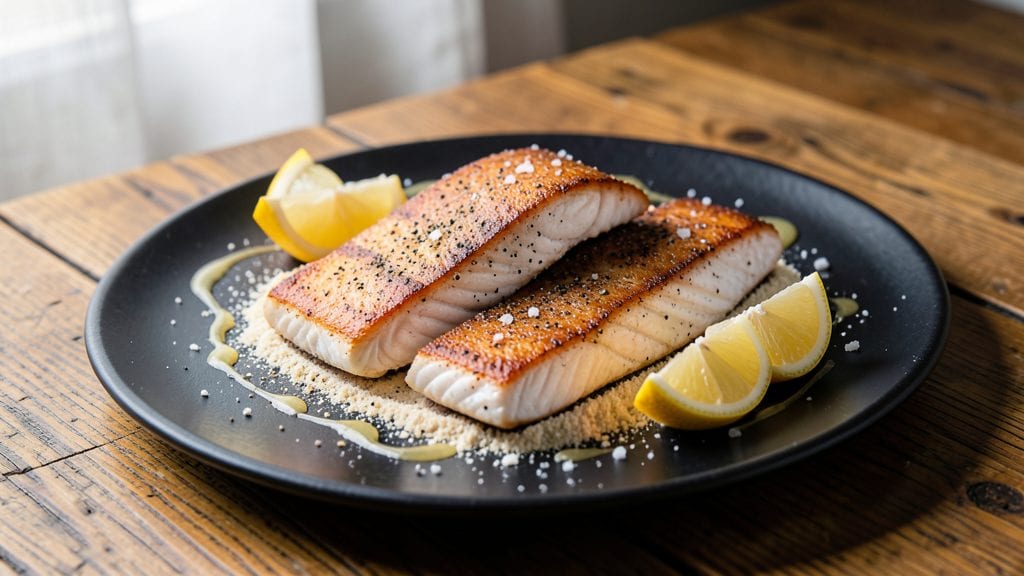
Gordon Ramsay's halibut recipe delivers that perfect balance of crispy skin and tender, buttery centers that make every bite unforgettable. I’ve recreated his signature technique—starting with a cold pan to render the skin slowly before finishing with a sear—so you get restaurant-quality results at home.
The secret lies in patience and precision, ensuring the fish cooks evenly without overcooking the delicate flesh.
What sets this recipe apart is Ramsay’s focus on texture and flavor harmony. A light coating of flour creates that golden, shatteringly crispy skin, while a simple seasoning of salt and pepper lets the natural sweetness of the halibut shine.
The fish finishes in the oven to ensure perfect doneness—no guesswork, just foolproof technique. Pair it with a bright lemon butter sauce or roasted asparagus for a complete, elegant meal.
By the time you plate this dish, you’ll have a restaurant-worthy centerpiece that’s crisp on the outside, tender within, and bursting with flavor. The aroma of searing halibut and the sight of that golden crust will have everyone at the table asking for seconds.
This is the kind of dish that elevates any dinner from ordinary to extraordinary.
Ready to master this technique? Let’s get started with the ingredients and step-by-step instructions that bring Ramsay’s method to your kitchen. The results will speak for themselves—crispy, buttery, and impossible to resist.
Ingredients for gordon ramsay halibut
The essential ingredients for Ramsay’s signature crispy-skinned, buttery halibut—where texture and precision meet.
| Ingredient | Amount | Notes |
|---|---|---|
| Halibut Fillets 🐟 | 2 whole | Skin-on, 6-8 oz each |
| All-Purpose Flour 🌾 | ¼ cup | For light coating |
| Unsalted Butter 🧈 | 4 tbsp | Cold, cut into pieces |
| Kosher Salt 🧂 | 1 tsp | Fine grain preferred |
| Freshly Ground Black Pepper 🌶️ | ½ tsp | Coarse grind |
| Lemon Wedges 🍋 | 4 whole | For serving |
| Fresh Parsley 🌿 | ¼ cup | Chopped, for garnish |
| Extra-Virgin Olive Oil 🫒 | 1 tbsp | For drizzling |
| Garlic Cloves 🧄 | 2 cloves | Minced, for optional sauce |
| Lemon Juice 🍋 | 2 tbsp | Freshly squeezed |
| Heavy Cream 🥛 | ¼ cup | For optional sauce |
The halibut is non-negotiable for this recipe—look for fresh, skin-on fillets with vibrant color and firm flesh at your local seafood counter. Whole Foods Market or Trader Joe's often carry high-quality, sustainably sourced halibut. If you can't find it fresh, frozen works too, just thaw it overnight in the fridge. The skin must stay intact for that perfect crisp—no peeling or trimming it. For the butter, Plugrá or Land O’Lakes unsalted are reliable choices, but any high-quality brand will do. Keep it cold until you're ready to cook—this is key for the rendering technique.
No flour on hand? Cornstarch or rice flour work in a pinch, though all-purpose gives the best texture. Short on butter? Olive oil or avocado oil can substitute, but reduce the amount by half—fat is what creates that golden crust. The lemon wedges should be freshly cut—no bottled juice here. For the optional sauce, if you don’t have heavy cream, half-and-half or whole milk will work, though the texture won’t be as rich. The parsley is purely for garnish, so dried works at one-third the amount if you're in a bind. And trust me on the cold pan—room-temperature butter won't render properly, so take it out of the fridge until you're ready to sear.
Store any leftover halibut in an airtight container with a paper towel pressed against the skin to keep it crisp for up to 2 days. The butter pieces can be refrigerated for up to 3 months in a sealed container. For the optional sauce, it keeps for 3 days in the fridge, though it's best made fresh. If you're prepping ahead, pat the fillets dry and season them up to a day in advance, then refrigerate uncovered on a wire rack to keep the skin dry—this ensures maximum crispiness when you cook.
Why You'll Love This Recipe
- Five-Ingredient Magic: I swear by this—just halibut, flour, butter, salt, and pepper. That’s it. No fancy garnishes, no last-minute shopping runs. The butter crust alone makes it feel like a restaurant dish, but honestly? It’s the kind of meal I make when I’m too tired to overcomplicate things.
- Buttery Crisp Perfection: Between us, that golden crust from the butter and flour? Chef’s kiss. The outside gets perfectly crisp while the inside stays tender—no dry, sad fish here. It’s the kind of texture that makes people pause mid-bite, and I’ll take that win every time.
- Weeknight to Dinner Party: I’ve served this to my book club (who asked for seconds) and my lazy Sunday mornings (where I ate it straight from the pan). It’s that kind of reliable. Dress it up with a lemon wedge for fanciness or keep it simple with a side salad—it works either way.
- Leftovers That Don’t Suck: Most fish recipes turn to rubber the next day, but not this one. The butter keeps it moist, and I’ve reheated slices in a skillet with a splash of water—still delicious. That means I can make it once and have lunch sorted for days. My wallet (and my future self) thank me.
Step-by-step instructions for gordon Ramsay's pan-seared halibut
Master this technique for perfectly crispy skin and tender centers every time.
Prepare the Halibut for Crispy Skin
Pat the 2 whole halibut fillets completely dry with paper towels—this is crucial for crispy skin. Remove any pin bones using tweezers, then season both sides generously with the 1 teaspoon kosher salt and 0.5 teaspoon freshly ground black pepper. Let the fillets sit uncovered on a plate for 15 minutes at room temperature.
While waiting, place the 0.25 cup all-purpose flour on a shallow plate. Lightly dredge each fillet in the flour, shaking off any excess. The flour creates a delicate crust that helps achieve that signature crispy texture. I press down gently on the fillets during the first minute of cooking—this prevents them from curling and ensures even contact with the pan.
Sear the Halibut in Butter
Heat a large skillet over medium-high heat until very hot. Add 2 tablespoons of the 4 tablespoons unsalted butter and let it melt completely, watching for the butter to foam and then settle into a gentle sizzle. This takes about 2 minutes—don't rush it. The butter should be hot enough to create a golden crust but not smoking.
Carefully place one halibut fillet in the skillet, skin-side down. Press down gently with a spatula for 10 seconds to ensure full contact with the pan. Cook undisturbed for 4-5 minutes until the skin is deep golden brown and crispy. Flip carefully and cook the flesh side for 2-3 minutes until it reaches 145°F internal temperature. Transfer to a warm plate and repeat with the second fillet.
Prepare the Optional Lemon-Garlic Cream Sauce
In the same skillet (don't wipe it clean), reduce heat to medium and add the remaining 2 tablespoons unsalted butter. Once melted, add the 2 minced garlic cloves and sauté for 30 seconds until fragrant. Pour in the 2 tablespoons lemon juice and let it simmer for 1 minute until slightly reduced.
Slowly whisk in the 0.25 cup heavy cream and simmer for 2-3 minutes until the sauce thickens slightly. Taste and adjust seasoning with additional salt or pepper if needed. Keep the sauce warm until ready to serve.
Plate and Serve with Fresh Garnishes
Arrange the halibut fillets on warmed plates, skin-side up. Drizzle with the lemon-garlic cream sauce and immediately garnish with the 0.25 cup chopped fresh parsley and the 4 lemon wedges. The sauce should coat the fish lightly, adding brightness that complements the rich, buttery flavor.
Serve immediately while the skin remains crispy and the sauce is warm. Each fillet should have a perfect contrast: crispy, golden skin that shatters slightly when cut, and tender, flaky centers that melt in your mouth. The lemon-garlic sauce adds a bright, tangy finish that cuts through the richness of the butter-seared fish.
Pro Tips For Making Gordon Ramsay Halibut
- CRACK THE PAN FIRST: Halibut’s delicate texture needs a screaming-hot pan—literally. Heat your skillet until a drop of water sizzles and evaporates instantly (about 2 minutes on high). Cold butter won’t crisp the flour, and you’ll end up with sad, greasy fish instead of that golden, shatterproof crust Ramsay nails.
- DRY LIKE IT’S SNOW DAY: Pat those fillets bone-dry with paper towels before dredging—no exceptions. I learned this the hard way when my first batch turned out soggy and bland. Wet skin = steam = no crust. Even if they look dry, press them into a fresh towel and blot again. Your future self will taste the difference.
- SALT THE BUTTER HARD: Don’t just toss salt into the melted butter—mix it in generously while it’s still cold. Ramsay’s version relies on that salty, buttery bath for flavor. I used to skimp, and the fish always tasted flat. Aim for about 1 teaspoon kosher salt per 2 tablespoons butter, and don’t stir it out later.
- REST THE FISH UNDER FOIL: As soon as the fillets hit the plate, tent them with foil for 3–5 minutes. I know, it’s counterintuitive—you want to eat it now—but letting the residual heat finish cooking the center keeps it from flaking apart. Skip this, and you’ll end up with a pile of fish instead of a perfect slice.
Serving suggestions for gordon ramsay halibut
Elegant Plating
Ramsay’s signature touch is plating the halibut skin-side up to showcase that golden crust. Use warm plates—I recommend heating them in a 200°F oven for 5 minutes—to keep the fish warm longer.
Arrange the fillet slightly off-center for a dynamic look, then drizzle the lemon-garlic sauce in a zigzag pattern using the back of a spoon. This creates visual interest while ensuring every bite gets a burst of flavor. 💫
Sauce Variations
Skip the cream sauce? Try a brown butter-lemon version by melting 2 tbsp brown butter (like Ghirardelli) with 1 tbsp lemon juice and a pinch of red pepper flakes. For a lighter option, whisk 2 tbsp olive oil with 1 tbsp lemon zest and a splash of white wine.
Both keep the dish bright and balanced without overpowering the halibut’s natural sweetness.
Side Pairings
Roasted asparagus with lemon zest and olive oil (toss and roast at 400°F for 12 minutes) is Ramsay’s go-to. For a heartier meal, serve with garlic mashed potatoes—mix in 2 tbsp sour cream and 1 tbsp chives for extra richness.
Both sides complement the halibut’s buttery texture without competing for attention.
Wine Pairings
A crisp Chardonnay with citrus notes—like a California La Crema—pairs beautifully with the dish’s bright lemon sauce. For red wine lovers, a Pinot Noir from Oregon offers enough acidity to cut through the butter. Avoid heavy, oaky whites or bold reds that could overpower the delicate flavors. 🍷
Garnish Like a Pro
Fresh microgreens or edible flowers elevate the plate to restaurant quality. I like adding a sprig of thyme for aroma and a lemon twist for garnish. For extra flair, sprinkle flaky sea salt (like Maldon) over the sauce just before serving.
These finishing touches make the dish feel special without overcomplicating it.
Family-Style Serving
For a shared platter, arrange the halibut fillets on a large wooden board with the sauce pooled in the center. Serve with crusty bread for dipping and a side of sautéed green beans** with almonds.
This keeps the dish interactive and perfect for gatherings—everyone can help themselves to the crispy, buttery goodness. 🍽️
Nutrition facts
Frequently asked questions
Can I substitute another type of fish for halibut in this recipe?
While halibut is ideal due to its firm texture and mild flavor, you can use cod, haddock, or mahi-mahi as substitutes. However, avoid delicate fish like sole or flounder—they won’t hold up as well to the crispy skin technique. For best results, choose fillets with skin and similar thickness to halibut (about 1-inch thick). Adjust cooking time slightly if needed, but never exceed 145°F internal temperature.
Why does my halibut skin keep curling up while cooking?
Curling happens when the skin isn’t properly flattened or the pan isn’t hot enough. Press down firmly with a spatula for 10 seconds at the start to ensure full contact, and make sure your skillet is medium-high heat before adding the butter. A cold pan causes uneven cooking. Also, pat the skin completely dry before seasoning—any moisture will create steam and lift the skin.
How do I know when the halibut is fully cooked?
Use a meat thermometer to check the internal temperature—it should reach 145°F at the thickest part of the fillet. The flesh should flake easily with a fork but still feel slightly springy. Overcooking turns halibut dry and rubbery, so remove it from heat as soon as it hits 145°F. For visual cues, the skin should be deep golden brown and crispy, while the flesh remains translucent.
Can I make this recipe ahead of time?
Prep the halibut up to a day in advance by patting it dry, seasoning, and storing it uncovered on a wire rack in the fridge. This keeps the skin dry for maximum crispiness. However, never cook it ahead—the skin loses its crispness within 15 minutes of leaving the pan. Cook fresh and serve immediately for the best texture. The lemon-garlic sauce can be made 1 day ahead and reheated gently before serving.
What’s the secret to getting that perfect crispy skin?
Three key factors: dry skin, hot pan, and patience. Pat the fillets bone-dry before seasoning, and let them sit at room temperature for 15 minutes to remove any lingering moisture. Use a heavy skillet (like cast iron) and heat it until the butter foams but doesn’t smoke. Cook the skin undisturbed for 4-5 minutes—rushing will result in soggy skin. Press down gently with a spatula to prevent curling.