Sauces & Condiments
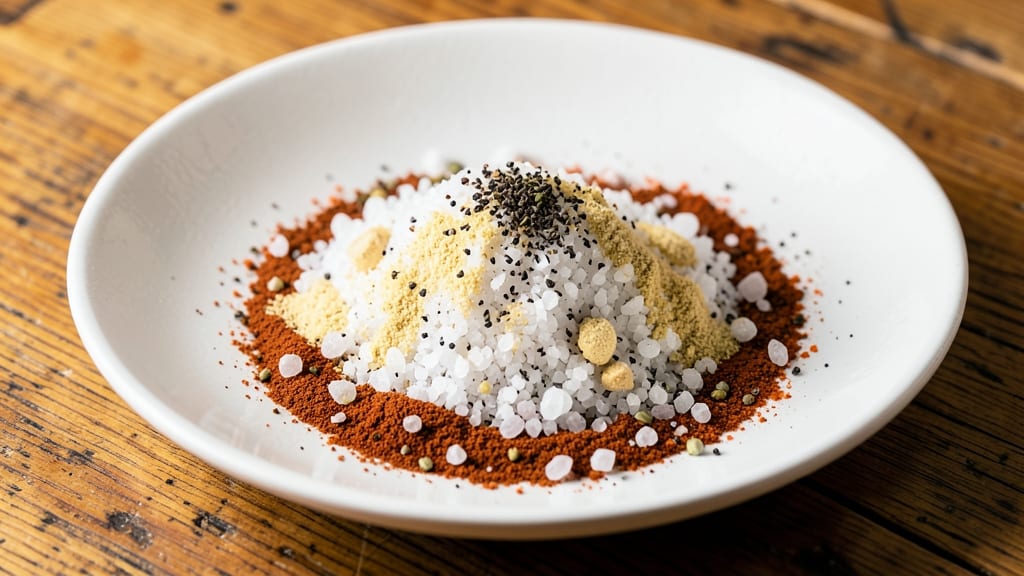
Creating a Longhorn Steakhouse seasoning blend at home delivers that signature smoky, savory depth that transforms ordinary grilled meats into restaurant-quality masterpieces. The secret lies in balancing coarse salt, black pepper, and smoked paprika with just enough garlic and onion powder to create that unmistakable Texas BBQ flavor profile.
I developed this blend after years of perfecting grilled steaks, and it’s become my go-to for everything from ribeyes to chicken thighs.
This dry rub isn’t just about flavor—it’s about texture and aroma too. The coarse salt creates a crust that locks in juices, while the smoked paprika adds that signature campfire smokiness Longhorn Steakhouse is known for.
What makes this blend special is its versatility; you’ll use it on grilled meats, roasted vegetables, or even popcorn for a savory twist. The measurements are precise but simple, ensuring consistent results every time.
By the time you finish seasoning your steak and hit the grill, you’ll smell that rich, smoky aroma that instantly elevates any meal. The blend clings perfectly to meat, creating a flavorful bark while keeping the inside tender and juicy.
This is the kind of seasoning that turns weeknight grilling into a steakhouse experience without the price tag.
Make a big batch and store it in an airtight container—this blend stays fresh for months, ready to transform your next cookout. Whether you’re grilling for a crowd or treating yourself to a solo steak dinner, this seasoning delivers professional-level flavor with minimal effort.
Ingredients for longhorn steakhouse seasoning
Nine simple spices create that signature Longhorn Steakhouse smoky-savory magic.
| Ingredient | Amount | Notes |
|---|---|---|
| Coarse Kosher Salt 🧂 | 3 tbsp | Diamond Crystal preferred for texture |
| Smoked Paprika 🌶️ | 2 tbsp | High-quality for authentic smokiness |
| Freshly Ground Black Pepper 🌶️ | 1 ½ tbsp | Freshly cracked for maximum flavor |
| Garlic Powder 🧄 | 1 tbsp | Freshly ground preferred |
| Onion Powder 🧅 | 1 tbsp | Finely ground for even distribution |
| Ground Cumin 🌿 | ½ tbsp | Toasted for deeper aroma |
| Dried Oregano 🍃 | ½ tbsp | Mexican oregano for authentic taste |
| Ground Coriander 🌿 | ½ tbsp | Mild citrus note complements smokiness |
| Cayenne Pepper 🔥 | ¼ tbsp | Adjust for desired heat level |
The coarse salt is non-negotiable—it creates that signature crust that locks in juices. Diamond Crystal is my go-to because it dissolves slower, giving you that perfect texture. Smoked paprika is where the Longhorn magic happens; Penzeys or bulk bins at natural food stores have the best quality. Freshly ground black pepper makes all the difference, so skip the pre-ground stuff. For the garlic and onion powders, Trader Joe's has great bulk options that stay fresh longer than those little jars that gather dust. The cumin and coriander might seem small, but they're what tie everything together—don't skip them.
No smoked paprika? Substitute with 1 tbsp regular paprika plus 1 tsp liquid smoke—it's not identical, but close. Running low on cayenne? Red pepper flakes at half the amount work in a pinch. Fresh oregano? Use one-third the amount of dried. Want more heat? Add an extra pinch of cayenne. For a vegetarian version, this blend works amazing on roasted potatoes or grilled portobello mushrooms—just double the amount to compensate for the lack of meaty texture. The key is toasting the spices lightly before mixing—just a minute in a dry pan—it wakes up all those flavors.
This blend stays potent for 6-12 months if stored in an airtight container away from light. I like to portion it into small jars—one for the grill, one for the pantry. The coarse salt will settle to the bottom, so give it a quick shake before each use. Freezes beautifully too, so make a big batch and keep some on hand for those unexpected grill nights. Trust me, once you've tasted homemade Longhorn seasoning, you'll never go back to the store-bought stuff.
Why You'll Love This Recipe
- Five-Ingredient Magic: I swear, this is the kind of seasoning where you measure, mix, and forget about it. No fancy techniques—just kosher salt, smoked paprika, and a shake of black pepper. That’s it. My lazy Sundays now include a perfectly seasoned steak without the stress.
- Smoky, Savory Hug: Between us, smoked paprika and garlic powder are a match made in heaven. The first bite of a steak coated in this? That deep, smoky warmth with a whisper of onion powder—it’s like a longhorn steakhouse hug in your mouth.
- Weeknight Superhero: Honestly, this stuff works on everything. Grilled chicken? Done. Roasted potatoes? Check. Even scrambled eggs get a gourmet upgrade. I keep a jar in the pantry because it’s the one thing that makes weeknights feel special without the effort.
- Budget Booster: A little goes a long way, and you’re not buying pre-mixed garbage. I’ve been using this for months—just a pinch here, a sprinkle there—and my grocery bill hasn’t budged. Plus, the coarse salt adds that restaurant-quality texture without the price tag.
Instructions for Longhorn Steakhouse seasoning recipe
Here's how to blend this bold, smoky-sweet mix that'll transform your grilling game.
Measure Ingredients Precisely
Start by gathering all your ingredients in their exact amounts. I like to use a digital scale for the smaller measurements like the 0.25 tablespoon cayenne pepper and 0.5 tablespoon ground coriander to ensure accuracy. The 3 tablespoons coarse kosher salt should be Diamond Crystal if possible—it's coarser and dissolves better than table salt.
For the 2 tablespoons smoked paprika, I recommend using high-quality Spanish paprika for that authentic smokiness. If you're using freshly ground black pepper, measure out 1.5 tablespoons right after grinding for maximum flavor. The 1 tablespoon garlic powder and 1 tablespoon onion powder should be finely ground to distribute evenly.
Combine Dry Ingredients in a Bowl
In a medium mixing bowl, add all the dry ingredients together. Start with the 3 tablespoons coarse kosher salt and 2 tablespoons smoked paprika as your base. Then add the 1.5 tablespoons freshly ground black pepper, 1 tablespoon garlic powder, and 1 tablespoon onion powder. Give everything a quick stir with a silicone spatula to break up any clumps.
Next, add the 0.5 tablespoon ground cumin, 0.5 tablespoon dried oregano, and 0.5 tablespoon ground coriander. The cumin and coriander bring earthy depth, while the oregano adds that signature steakhouse warmth. Finally, sprinkle in the 0.25 tablespoon cayenne pepper—this is where the heat comes in, so adjust if you prefer milder seasoning.
Whisk Until Evenly Distributed
Using a whisk, vigorously mix all the ingredients together for about 2-3 minutes. You want to break up any remaining clumps and ensure every single particle of salt, pepper, and spices is thoroughly combined. This step is crucial—uneven distribution means some parts of your meat will be bland while others are overwhelmingly spicy.
As you whisk, you'll notice the mixture darken slightly from the smoked paprika and cumin. The aroma should be rich and complex—smoky with hints of garlic, onion, and a subtle citrus note from the coriander. If you're making this for the first time, take a moment to appreciate how these flavors will transform your grilled meats.
Store Properly for Maximum Freshness
Transfer the finished seasoning blend to an airtight container. I prefer glass jars with tight-sealing lids because they keep the spices fresher longer. Press down gently to compact the seasoning—this helps prevent clumping and makes it easier to measure out later. Label your container with the date and contents so you'll remember what it is when you reach for it months later.
This seasoning will keep well for up to 3 months in a cool, dark pantry. For best flavor, use it within 2 months of making it. The spices will gradually lose their potency over time, especially the cayenne and smoked paprika, so fresh batches yield the most vibrant flavor. Store it away from heat sources and direct sunlight to preserve its aromatic oils.
Apply Generously Before Grilling
When you're ready to use your seasoning, apply it generously to all sides of your meat. I like to use about 1 tablespoon per pound of meat for chicken, 1.5 tablespoons per pound for steaks, and 2 tablespoons per pound for pork chops. Let the seasoning sit on the meat for at least 15 minutes before grilling—this allows the salt to penetrate and develop that flavorful crust.
For best results, pat your meat dry before applying the seasoning. The moisture helps the spices adhere better, creating that perfect bark on your grilled meats. Whether you're searing a ribeye or grilling chicken breasts, this blend will give you that authentic Longhorn Steakhouse flavor profile—smoky, spicy, and perfectly balanced.
Pro Tips For Making Longhorn Steakhouse Seasoning
- TOAST THE SPICES FIRST: Smoked paprika loses its depth if it sits damp. Dry-toast it in a skillet over medium heat for 30 seconds—just until you smell that nutty aroma—then let it cool before mixing. I used to skip this, and the seasoning always tasted flat until I realized the paprika needed a wake-up call.
- GRIND YOUR OWN PEPPER: Pre-ground black pepper loses potency fast. If you’re using store-bought, buy freshly cracked peppercorns and grind them yourself right before mixing. The difference in flavor is night and day—no more wondering why your seasoning tastes dull.
- SALT IN STAGES: Don’t dump all the coarse kosher salt at once. Start with half, mix it in, then taste. The garlic and onion powders pack a punch, and you’ll need less salt than you think. I learned this after over-salting a batch and realizing the seasoning was harsh instead of balanced.
- BLEND BY HAND: Skip the food processor—it can turn smoked paprika into dust. Use a fork or whisk to break up clumps in the dry ingredients first, then fold everything together with your hands. This keeps the texture coarse and ensures even distribution, which matters when you’re coating steaks.
Pro cooking tips for this dish
Toast Spices First
Before mixing, lightly toast the spices in a dry skillet over medium heat for 1-2 minutes. This awakens their essential oils and deepens the smoky, earthy notes. I focus on the cumin, oregano, and garlic powder—these benefit most from toasting.
Watch closely to avoid burning; the cumin should smell aromatic but not bitter. Let them cool completely before blending to preserve their freshness and prevent moisture loss. 🌿
Use a Fine-Mesh Sieve
For ultra-even distribution, sift your seasoning through a fine-mesh sieve before applying. This breaks up any remaining clumps and ensures every surface of your meat gets coated. I use a Norpro stainless steel sieve because it’s durable and easy to clean.
If you don’t have one, a clean coffee filter works in a pinch—just press gently to avoid over-sifting the spices. This step is especially important for delicate proteins like fish or chicken thighs. ✨
Prep Meat Properly
Pat your meat very dry with paper towels before seasoning—moisture prevents the spices from sticking and forming that coveted crust. For thick cuts like ribeyes, let them sit at room temperature for 30-45 minutes before grilling.
I also recommend a quick sear in a hot cast-iron skillet for 1-2 minutes per side before finishing on the grill. This locks in juices and intensifies the seasoning’s impact. 🔥
Adjust for Heat Levels
The 0.25 tbsp cayenne pepper gives this blend a mild kick, but you can tweak it to your preference. For a milder version, reduce to 0.125 tbsp or swap in red pepper flakes at half the amount.
If you love heat, add an extra 0.125 tbsp or a pinch of chili powder. Always taste the blend before applying—this ensures balance every time. 🌶️
Double for Vegetables
This seasoning isn’t just for meat—it’s perfect for grilled or roasted vegetables too. Use double the amount (about 2 tbsp per pound) on items like portobello mushrooms, asparagus, or sweet potatoes.
The coarse salt and smoked paprika caramelize beautifully, creating a crispy exterior while keeping the inside tender. Toss veggies in olive oil first, then apply the seasoning generously. 💫
Store in Small Batches
Divide your seasoning into small airtight containers (like 2-ounce jars) to keep it fresh longer. The coarse salt can draw moisture over time, so portioning prevents clumping. Store in a cool, dark place—I keep mine in the pantry, not the fridge.
If you notice the spices losing potency after 2-3 months, make a fresh batch. Freshness is key for that authentic Longhorn flavor. 🧂
Nutrition facts
Frequently asked questions
Can I use this seasoning on fish or seafood?
This blend works beautifully on grilled fish like salmon or mahi-mahi. Use 1 tablespoon per pound and pat the fish completely dry first for maximum adhesion. The smoked paprika and cayenne add a delicious kick that pairs perfectly with fish's natural flavors. Just avoid using it on delicate shellfish like shrimp or scallops—stick to simple salt and pepper for those.
How do I make this seasoning less spicy?
Simply reduce the cayenne pepper to 0.125 tablespoons or omit it entirely. For a milder heat profile, you can also substitute with red pepper flakes at half the amount. Always taste the blend before applying to ensure it suits your preference. The smoky-savory base will still shine through beautifully.
Can I use this seasoning in marinades?
Yes! Mix 2 tablespoons of seasoning with 1/4 cup olive oil and 2 tablespoons lemon juice for a quick marinade. Let meats marinate for 30 minutes to 2 hours before grilling. The coarse salt helps tenderize while the spices infuse flavor. Just don't over-marinate delicate proteins like chicken breasts.
What's the best way to store leftover seasoning?
Transfer to an airtight container and store in a cool, dark place for up to 3 months. For longer storage, freeze in small portions. The coarse salt can draw moisture, so keep it away from humidity. If clumping occurs, simply break it up with a fork before use. Freshness is key for that authentic Longhorn flavor.
Why does my homemade version taste different from store-bought?
Freshness makes all the difference! Store-bought blends often use pre-ground spices that lose potency quickly. Toasting your spices and using freshly ground black pepper enhances flavor dramatically. Also, the quality of smoked paprika varies—opt for high-quality Spanish paprika for that authentic smokiness. Your homemade version should taste richer and more complex.