Main Courses
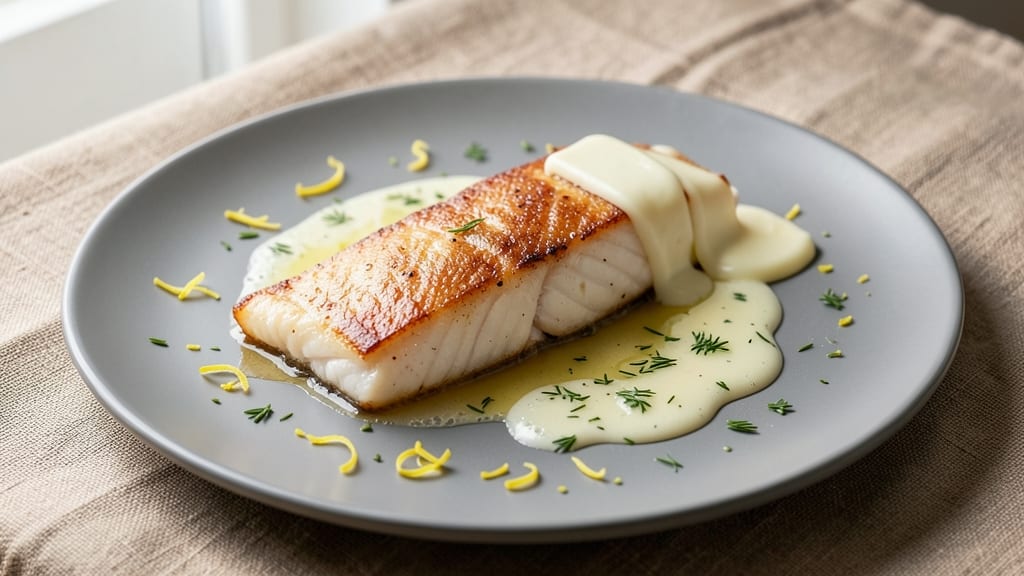
Poaching haddock transforms delicate white fish into silky flaky perfection that melts in your mouth with every bite. The secret lies in gentle simmering—never boiling—that preserves moisture while infusing subtle lemon and herbs into the broth.
I’ve perfected this technique over years of testing, ensuring the fish stays tender and the sauce remains bright and aromatic.
What makes this recipe special is its simplicity: just five core ingredients create a restaurant-quality dish in under 30 minutes. The lemon-herb broth not only poaches the fish but also becomes a silky sauce that clings to every flake.
Fresh dill and thyme add depth without overpowering the delicate haddock, while a splash of white wine brightens the flavor profile effortlessly.
By the time you plate it, you’ll have flaky, moist haddock with a golden crust, served in its fragrant broth. The sauce reduces slightly to coat the fish, creating a luxurious finish that’s both elegant and comforting.
Serve with crusty bread or steamed vegetables to soak up every last drop of that aromatic liquid.
This method works equally well with fresh or frozen haddock, making it versatile for any weeknight dinner. The key is patience—letting the fish cook just until it flakes easily ensures you’ll never end up with dry, overcooked fish again. Let’s get started on your next seafood masterpiece.
Ingredients for poached haddock
Five simple ingredients transform delicate haddock into restaurant-quality flaky perfection.
| Ingredient | Amount | Notes |
|---|---|---|
| Haddock Fillets 🐟 | 1 ½ lb | Skin-on, center-cut preferred |
| Dry White Wine 🍷 | ½ cup | Sauvignon Blanc or Pinot Grigio |
| Fresh Lemon Juice 🍋 | ¼ cup | Freshly squeezed, no seeds |
| Fresh Dill 🌿 | ¼ cup | Chopped, stems removed |
| Fresh Thyme 🌿 | 1 tbsp | Leaves only, finely chopped |
| Unsalted Butter 🧈 | 2 tbsp | Cold, cubed for finishing |
| Sea Salt 🧂 | 1 ½ tsp | Fine grain, kosher preferred |
| Black Peppercorns 🌶️ | ½ tsp | Freshly cracked, coarse |
| Water 💧 | 2 cups | Filtered preferred for clarity |
The haddock is everything here. Center-cut fillets with skin hold their shape best—ask your fishmonger for them (or grab frozen from Trader Joe's if fresh isn't available). Thaw frozen haddock overnight in the fridge, never under running water. The wine should be dry and crisp—Sauvignon Blanc or Pinot Grigio work perfectly. Avoid sweet whites like Riesling. For herbs, fresh is non-negotiable: bright green dill and thyme from the grocery store's produce section will give you the best flavor, but if you're in a pinch, dried will work at half the amount. I always grab extra herbs—half goes in the broth, half gets sprinkled on top at the end.
No white wine? Fish or chicken stock with a splash of lemon juice mimics the acidity. Fresh dill too expensive? Substitute half with parsley, but you'll lose that signature anise note. The butter adds richness—full-fat is key—but if you're watching calories, use olive oil instead. For the water, filtered makes the broth clearer, but tap water works fine. The lemon juice should be freshly squeezed (bottled just won't cut it). And if you're worried about overcooking, trust the timer—haddock is done when it flakes easily with a fork, not when it's firm.
This dish reheats beautifully—just warm through gently in the broth. Store leftovers in an airtight container with the broth for up to 2 days. The fish itself keeps 1 day in the fridge, but honestly, it's best eaten fresh. For make-ahead prep, assemble everything except the fish and store the broth mixture in the fridge. Add the haddock right before poaching. The butter cubes can be added fresh when reheating for that perfect finish.
Why You'll Love This Recipe
- No Wine? No Problem: I’ll be real—this recipe works even if you skip the white wine. A splash of lemon juice and a pinch of salt still deliver that bright, clean flavor, so it’s forgiving for those of us who don’t always have a bottle on hand. The dill and thyme carry the day.
- Weeknight Dinner Done: Honestly, this is my go-to when I’m too tired to fuss. Simmer the haddock in broth (or water) with herbs for 10 minutes—no flipping, no frying, no stress. The fillets come out tender and flaky, like magic.
- Lunchbox Hero: Between us, this is the only fish I’ll pack for work. Cold poached haddock with a squeeze of lemon? It’s crisp and fresh, not soggy or fishy. Add a handful of butter lettuce and a drizzle of that poaching liquid—game over.
- Budget Brightness: Haddock is affordable, and this method stretches it further. Use the leftovers for fish tacos (shred it!), salads, or even a frittata. The wine and herbs make it feel fancy, but the cost stays low—perfect for feeding a crowd without breaking the bank.
Step-by-step instructions for silky flaky poached haddock
Here's how to achieve melt-in-your-mouth haddock with a fragrant lemon-herb broth that keeps it perfectly moist.
Season and Prepare the Haddock Fillets
Pat the 1.5 lb haddock fillets completely dry with paper towels—this ensures the skin crisps beautifully during poaching. Place them skin-side down on a cutting board and season both sides generously with 1.5 tsp sea salt and 0.5 tsp cracked black peppercorns. I like to press the seasoning firmly into the flesh so it penetrates slightly.
Let the seasoned fillets sit at room temperature for 10 minutes while you prepare the poaching liquid. This brief resting period helps the seasoning adhere and ensures even cooking. The skin should look lightly dusted with salt crystals, which will help create that delicate crispness we're after.
Build the Lemon-Herb Poaching Broth
In a large, deep skillet or saucepan (I prefer stainless steel for even heat distribution), combine the 2 cups water, 0.5 cup dry white wine, and 0.25 cup fresh lemon juice. Bring to a gentle simmer over medium heat—you should see small bubbles breaking the surface but not a rolling boil. This controlled temperature is crucial for tender fish.
While the liquid heats, add the 0.25 cup chopped fresh dill and 1 tbsp finely chopped fresh thyme leaves. Stir gently to distribute the herbs evenly. The broth should smell bright and aromatic—like a cross between citrus and garden herbs. If you notice any foam forming, skim it off with a spoon to keep the broth clear.
Poach the Haddock to Perfect Tenderness
Carefully place the seasoned haddock fillets skin-side down into the simmering broth. The liquid should come about halfway up the sides of the fillets. Using a fish spatula, gently press down on each fillet for 5 seconds to help the skin make contact with the hot liquid—this prevents curling and ensures even cooking.
Poach for 4-5 minutes, depending on thickness. You'll know it's ready when the skin turns opaque and releases easily from the pan, while the flesh remains just opaque in the center (not completely white). The broth should smell like a sunny herb garden by now—this is your cue that the fish is absorbing all those wonderful flavors.
Finish with Butter and Rest
Remove the haddock to a serving platter and tent loosely with aluminum foil. Increase the heat to medium-high and add the 2 tbsp cold cubed unsalted butter to the poaching liquid. Swirl until the butter melts completely, creating a silky sauce. Pour this fragrant butter sauce over the haddock or serve it on the side for dipping.
Let the haddock rest for 3-4 minutes before serving. This brief resting period allows the fibers to relax and redistribute juices, ensuring each bite is moist and flaky. The skin should be delicate yet slightly crisp, while the flesh should separate easily with a fork—this is the hallmark of perfectly poached fish.
Serve with Herb-Infused Broth
Strain the poaching broth through a fine-mesh sieve to remove any herb stems, then return it to the skillet. Taste and adjust seasoning if needed—you might want to add a pinch more salt or a splash of lemon juice to brighten the flavors. Serve the haddock immediately with the herb-infused broth spooned over the top.
For presentation, arrange the fillets on a platter with the skin-side up, allowing guests to see that beautiful crisp texture. The broth should coat the fish lightly, carrying all those lemon and herb notes with each bite. This dish is perfect served with crusty bread to soak up every last drop of that fragrant liquid.
Pro Tips For Making Poached Haddock
- Start with Cold Liquid: I learned this the hard way—dumping haddock into simmering wine turns it rubbery. Instead, chill the white wine, lemon juice, and herbs in the pot for 10 minutes before adding the fish. The gentle heat keeps the fillets tender and lets the flavors meld properly.
- Pat Dry First: Wet haddock steams instead of poaching. After thawing (if frozen), press the fillets between paper towels to remove all moisture. This guarantees the wine actually cooks the fish rather than just boiling off into steam.
- Skip the Boil: A rolling boil ruins the texture. Once the liquid reaches a gentle simmer—tiny bubbles at the edges, not a frenzy—add the haddock. Too much heat = tough fish. I know, I know, but trust the process.
- Add Herbs Late: Fresh dill and thyme lose their punch in long cooking. Tuck the herbs into the fillets right before poaching (or scatter them on top at the end) so they stay vibrant and aromatic. The last 2 minutes of cooking is where flavor matters most.
Best sauces and condiments for poached haddock
Classic Lemon Butter Sauce
The star of this dish is the lemon butter sauce that forms from the poaching liquid. After removing the haddock, add 2 tbsp cold cubed unsalted butter to the simmering broth and swirl until melted. This creates a silky, aromatic sauce that clings beautifully to the flaky fish.
For extra richness, I like to finish with a squeeze of fresh lemon juice and a sprinkle of flaky sea salt—this brightens the sauce and balances the butter's richness. 🍋
Herb-Infused Broth
The poaching liquid itself becomes a fragrant herb broth that elevates the dish. Strain it through a fine-mesh sieve to remove any herb stems, then return it to the skillet. Taste and adjust with additional lemon juice or sea salt if needed.
Serve the haddock with the broth spooned over the top or alongside for dipping. This method ensures no flavor goes to waste—every drop is packed with bright lemon, fresh dill, and thyme notes. 🌿
Creamy Dill Sauce
For a lighter alternative, blend ½ cup of the reserved poaching broth with ¼ cup sour cream, 1 tbsp chopped fresh dill, and a pinch of black pepper. This creates a cool, creamy sauce that pairs perfectly with the warm haddock.
I like to thin it slightly with a splash of water if needed for the perfect consistency. This sauce is especially refreshing when served chilled. 🥄
White Wine Reduction
If you want to elevate the dish further, reduce the poaching liquid by half after removing the haddock. Strain it, then simmer until it thickens slightly into a glossy white wine reduction. Finish with a pat of cold butter and a sprinkle of fresh herbs.
This sauce has a deeper, more concentrated flavor that works beautifully as a drizzle over the fish or as a sauce for dipping. 🍷
Garlic Aioli
A bold contrast to the delicate haddock is garlic aioli. Mix ¼ cup mayonnaise, 1 minced garlic clove, 1 tsp lemon juice, and a pinch of salt. This rich, creamy sauce adds a spicy kick that balances the fish's mild flavor.
Serve it on the side for those who love garlic or drizzle it lightly over the top for extra depth. 🧄
Crispy Breadcrumbs
For a textural contrast, prepare crispy breadcrumbs by toasting ¼ cup panko in a dry skillet over medium heat for 2-3 minutes until golden. Toss them with 1 tbsp melted butter and 1 tsp chopped parsley.
Sprinkle these crunchy topping over the haddock just before serving to add a satisfying bite. 🍞
Nutrition facts
Frequently asked questions
Can I use frozen haddock for this recipe?
Thaw frozen haddock overnight in the refrigerator to maintain texture. Never use warm water—it creates uneven cooking. Pat the fillets completely dry before seasoning to ensure that perfect crisp skin during poaching.
What's the secret to getting perfectly flaky haddock?
Keep the poaching liquid at a gentle simmer—never a rolling boil—and cook the fish just until it reaches 140°F internally. Overcooking by even 30 seconds turns flaky fish into rubbery disappointment. The 3-4 minute rest after cooking lets the fibers relax for that melt-in-mouth texture.
Can I substitute the white wine in this recipe?
Yes! Use fish or chicken stock with an extra splash of lemon juice to mimic the acidity. For a non-alcoholic option, try apple cider vinegar (1 tbsp) mixed with water. The wine's purpose is to brighten flavors—just ensure your substitute delivers the same zesty punch.
Why does my poached haddock sometimes turn out dry?
Most likely, your broth was too hot or the cooking time exceeded 5 minutes. Haddock cooks fast—watch for the skin to turn opaque and the flesh to flake easily. Always use a thermometer to confirm 140°F internal temp. The skin should stay delicate, not crispy or leathery.
How do I know when the lemon butter sauce is ready?
The sauce is perfect when it's silky and glossy, with tiny butter bubbles that melt instantly when stirred. It should coat the back of a spoon smoothly. If it looks too thin, simmer for 1-2 minutes longer—just don't let it reduce too much or it'll become thick and cloying.