Side Dishes
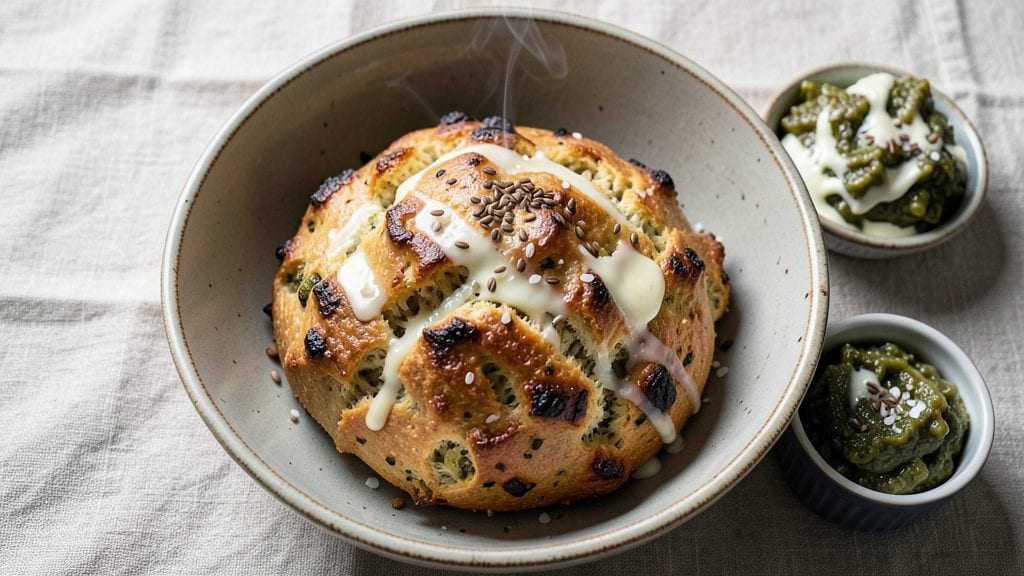
This sauerkraut bread recipe transforms simple ingredients into a crispy, tangy masterpiece that bridges the gap between hearty side and showstopping centerpiece. The secret lies in blending fermented sauerkraut into the dough, creating a complex flavor that’s both bold and balanced—savory, slightly sour, and perfectly textured.
I developed this version after years of experimenting with traditional rye breads, but the technique works just as well with quick yeast dough for busy weeknights.
The magic happens in the dough, where sauerkraut’s natural acidity tenderizes the bread while adding depth you won’t find in standard recipes.
For a crispy crust, I use a combination of high heat and a light egg wash, ensuring that golden, shatteringly crisp edges contrast beautifully with a soft, airy interior. The fermentation process also enhances digestibility and flavor development—no shortcuts here.
By the time you pull this bread from the oven, you’ll have a loaf with a crispy exterior that crackles with every bite and a crumb so tender it practically melts.
The sauerkraut’s tang cuts through the richness, making each slice a perfect match for roasted meats, hearty stews, or even as a standalone sandwich. This isn’t just bread—it’s a flavor experience.
Whether you’re baking for a holiday feast or a cozy weeknight dinner, this recipe delivers restaurant-quality results with minimal effort. The dough is forgiving, the method precise, and the payoff undeniable. Let’s get started—your kitchen is about to smell like a European bakery.
Ingredients for sauerkraut bread
Fermented tang meets crispy crust—this bread needs just 14 ingredients for bold flavor.
| Ingredient | Amount | Notes |
|---|---|---|
| Unsalted Butter 🧈 | ½ cup | Cold, cubed for dough |
| Granulated Sugar 🍚 | ¼ cup | White or brown preferred |
| Large Eggs 🥚 | 1 whole | Room temperature for mixing |
| Active Dry Yeast 🍞 | 2 ¼ tsp | Freshly opened for best rise |
| Warm Water 💧 | 1 cup | 105-110°F for yeast activation |
| All-Purpose Flour 🌾 | 3 ½ cups | King Arthur or Gold Medal |
| Light Rye Flour 🌾 | 1 cup | For depth of flavor |
| Sauerkraut 🥬 | 1 ½ cups | Unpasteurized, drained well |
| Diamond Crystal Kosher Salt 🧂 | 1 ½ tsp | Fine grain preferred |
| Honey 🍯 | 2 tbsp | Wildflower for subtle floral notes |
| Extra-Virgin Olive Oil 🫒 | 1 tbsp | For dough shaping |
| Cornmeal 🌽 | ¼ cup | For dusting bread pan |
| Sesame Seeds 🌿 | 1 tbsp | Optional for topping |
| Poppy Seeds 🌱 | 1 tbsp | Optional for topping |
The sauerkraut is non-negotiable here. Unpasteurized delivers the best probiotic punch and tangy depth—skip the jarred stuff with vinegar added. I grab mine from Whole Foods or local farmers' markets where it's freshest. For the flours, King Arthur all-purpose and light rye give that perfect balance of structure and flavor. The rye flour can be swapped for whole wheat, but you'll lose some of that crispy texture. If you're short on time, quick yeast works, but let it proof longer for that restaurant-quality rise.
No rye flour? Substitute whole wheat at a 1:1 ratio, but expect a denser crumb. Running out of sesame seeds? Everything bagel seasoning works wonders. The honey can be swapped for maple syrup, though wildflower adds subtle floral notes that pair beautifully with the sauerkraut. For a gluten-free version, use a 1:1 gluten-free flour blend—just know the texture will be more cake-like. The yeast needs to be fresh; if your packet's over three months old, test it first in warm water with a pinch of sugar to ensure it bubbles within 10 minutes.
This dough is a beast—it needs time. Let it rise at room temperature for 2 hours, then refrigerate overnight for deeper flavor. The longer it ferments, the better it tastes. Shape it into a loaf, let it proof another 1-2 hours, then bake at 375°F for 40-45 minutes until that crust turns a deep golden brown. Store wrapped at room temperature for 3 days, or freeze for up to 3 months. The crust gets crunchier as it cools, so slice it warm for that perfect crackle.
Why You'll Love This Recipe
- No-Fuss Dough: I swear, this bread takes less effort than waiting for coffee to brew. Just mix the yeast with warm water, let it bubble for five minutes, then fold in the butter and sugar—no kneading, no fuss. The eggs bind everything together while you’re still deciding what to watch on TV.
- Tangy Sweet Magic: That first bite? The crispy crust gives way to a soft, slightly tangy interior thanks to the sauerkraut, but the butter and sugar balance it out like a hug. It’s not too sour, not too sweet—just right, and it pairs perfectly with butter or jam straight from the jar.
- Weeknight Wonder: Between us, this is the bread I turn to when I’m too tired to bake but still crave something homemade. It’s great for breakfast toast, sandwiches, or even as a side for dinner—no one will guess it’s this easy. (Yes, even on a Tuesday night.)
- Budget-Friendly Staple: A single batch uses basic pantry staples—yeast, sugar, butter—and stretches for days. I’ll make two loaves on Sunday, freeze one, and still have slices for toast all week. Plus, the sauerkraut adds depth without breaking the bank—win-win.
Step-by-step instructions for sauerkraut bread recipe
Here's how to craft a loaf with that perfect crispy crust and fermented tang you'll crave.
Activate the Yeast with Warm Water and Honey
In a small mixing bowl, combine the 1 cup warm water (between 105-110°F) with the 2 tbsp honey and 2.25 tsp active dry yeast. Let this sit for 5-7 minutes until you see frothy bubbles forming on the surface. This indicates the yeast is active and ready to work its magic in your dough.
I always check the water temperature first with a thermometer—too hot and you'll kill the yeast; too cold and it won't activate properly. The honey not only feeds the yeast but adds subtle floral notes that complement the sauerkraut's tang. If no bubbles appear after 10 minutes, your yeast might be old or the water too warm—start fresh with new yeast.
Mix the Dough with Rye Flour and Sauerkraut
In a large mixing bowl, combine the 3.5 cups all-purpose flour, 1 cup light rye flour, and 1.5 tsp diamond crystal kosher salt. Make a well in the center and pour in the yeast mixture along with the 1 whole large egg and 1 tbsp extra-virgin olive oil. Using a wooden spoon or dough whisk, gradually incorporate the dry ingredients while mixing until a shaggy dough forms.
Now comes the star ingredient: fold in the 1.5 cups sauerkraut, drained well but still retaining its juices. The sauerkraut's lactic acid will create that signature tang while adding moisture to the dough. I like to press the sauerkraut into the dough with my hands to distribute it evenly—this ensures every bite has that fermented flavor. Let the dough rest for 10 minutes while you prepare the butter mixture.
Incorporate Cold Butter for Flaky Layers
In a separate bowl, cut the 0.5 cup unsalted butter into small cubes and let them sit at room temperature for 5 minutes—just enough to soften slightly but not melt. Add the butter cubes to your dough and work them in using your hands or a dough scraper, pressing and folding until the butter is fully incorporated and the dough becomes smooth and elastic.
This is where the magic happens for that crispy crust. The cold butter creates steam as it bakes, creating those beautiful flaky layers. If the dough feels too sticky, add 1-2 tablespoons of the all-purpose flour from your bowl, but don't overdo it—we want to maintain the right moisture balance for that tender crumb. Knead the dough gently on a lightly floured surface for about 5 minutes until it's smooth and springs back when pressed.
First Rise and Shape the Loaf
Lightly grease a large mixing bowl with olive oil and place the dough inside, covering it with a clean kitchen towel. Let it rise in a warm place (I use my oven with the light on) for 1 to 1.5 hours, or until the dough has doubled in size. You'll know it's ready when you poke it gently and the indentation stays rather than springs back immediately.
Once risen, turn the dough out onto a lightly floured surface and gently shape it into a 9x5-inch loaf pan shape. I like to fold the edges toward the center to create a smooth surface. The dough will be slightly sticky—don't worry, this is normal. Brush the top with a little extra olive oil and sprinkle with 0.25 cup cornmeal for that perfect golden crust. Let it rise again for 30 to 45 minutes until it's just about to overflow the pan.
Bake for a Crispy Crust and Perfect Rise
Preheat your oven to 375°F and place a baking sheet on the lower rack to catch any drips. Bake the loaf for 45 to 50 minutes, until the top is deep golden brown and sounds hollow when tapped on the bottom. For extra crispiness, I like to increase the oven temperature to 400°F for the last 10 minutes of baking.
While it bakes, you'll notice the aroma filling your kitchen—savory, slightly tangy, with a hint of sweetness from the honey. When done, remove from the oven and let it cool in the pan for 10 minutes before transferring to a wire rack. Once completely cooled, brush the top with a little 0.25 cup granulated sugar dissolved in 1 tablespoon water for a glossy finish. For garnish, sprinkle with 1 tbsp sesame seeds and 1 tbsp poppy seeds while still warm so they stick to the crust.
Pro Tips For Making Sauerkraut Bread
- Bloom the Yeast First: Skip the guesswork—mix your yeast with warm water and sugar in a small bowl, then let it sit for 5-10 minutes until frothy before adding eggs or butter. I learned this the hard way after a batch failed because the yeast was still sluggish when I folded in the sauerkraut. (Yes, even if you’re impatient like me.)
- Drain and Rinse Kraut: Sauerkraut’s brine is salty—drain it well, then rinse the shreds in cold water to cut excess salt before mixing into the dough. My grandmother swore by this, and it actually changes the outcome, especially if you’re using unsalted butter later. (Your future self will thank you.)
- Knead Until Silky: This dough needs a good 8-10 minutes of kneading by hand (or 5-6 minutes with a stand mixer) until it’s smooth and springs back when poked. I was skeptical until I tried it—skipping this step means a dense, chewy loaf instead of that light, airy texture you want.
- Cold Proof Overnight: After the first rise, shape the dough, place it in a greased bowl, cover it, and refrigerate for 12-16 hours. This isn’t the prettiest method, but it’s the tastiest—it lets flavors meld and makes slicing easier. (I know, I know, but trust the process.)
Flavor customization for this sauerkraut bread
Sweet and Tangy Twist
Balance the sauerkraut’s sharpness by adding 1 tbsp maple syrup or 1 tsp vanilla extract to the dough for a subtle sweetness. I love this combo—it mimics the flavor profile of a sweet rye bread but with the fermented kick.
For extra depth, fold in 2 tbsp dried cranberries or chopped dried apricots during the final knead. The fruit’s natural acids play beautifully with the sauerkraut’s tang. 🍯
Herb-Infused Variations
Fresh herbs elevate this bread’s complexity. Try adding 1 tbsp finely chopped fresh dill or thyme leaves directly to the dough for an Eastern European touch. For a Mediterranean flair, mix in 1 tsp dried oregano with the salt before kneading.
I also love a rosemary-garlic variation—fold in 2 minced garlic cloves and 1 tbsp chopped rosemary with the butter cubes. These herbs brighten the sauerkraut’s flavor while adding aromatic depth.
Spiced and Smoky Options
For a bold kick, add ½ tsp smoked paprika or ¼ tsp cayenne pepper to the dough for warmth. I prefer Penzeys smoked paprika—its deep, earthy notes complement the sauerkraut beautifully.
For a smoky crust, brush the baked loaf with ½ cup apple cider reduced by half and sprinkle with 1 tsp coarse sea salt. This creates a caramelized, slightly sticky crust that’s perfect for serving with sharp cheeses like aged Gouda or blue cheese. 🌶️
Cheesy and Savory Additions
Transform this into a cheesy sauerkraut bread by folding in ½ cup shredded sharp cheddar or Parmigiano-Reggiano during the final knead. For a tangy twist, use feta cheese crumbled into the dough. I also love adding 1 tbsp caramelized onions for extra sweetness and texture.
These additions create a rich, savory contrast that pairs perfectly with hearty soups or roasted vegetables. The cheese melts slightly during baking, creating pockets of gooey goodness.
Gluten-Free Adaptations
For a gluten-free version, replace the flours with a 1:1 gluten-free flour blend (like Bob’s Red Mill 1-to-1) and add 1 tsp xanthan gum to improve elasticity. The texture will be denser, but the flavor remains intact.
To compensate for the lack of gluten structure, reduce the sauerkraut to 1 cup (instead of 1.5) and add 1 extra tbsp honey to keep the dough moist. Let the dough rest for 15 minutes after mixing to hydrate fully before shaping.
This version works best in a loaf pan lined with parchment paper to prevent sticking.
Quick Yeast Version
For a faster rise, swap the active dry yeast for 2 tsp rapid-rise yeast and reduce the first rise time to 30-45 minutes. Skip the overnight cold fermentation—this version is ready in under 3 hours.
To maintain flavor depth, add 1 tbsp apple cider vinegar to the dough along with the sauerkraut. The vinegar mimics the lactic acid in fermented sauerkraut, ensuring that tangy profile even without long fermentation.
While the texture won’t be as airy as the traditional version, it’s a great option for busy weeknights when you still want that bold flavor. 🏃♂️
Nutrition facts
Frequently asked questions
Can I make this bread without rye flour?
Swap the 1 cup light rye flour for 1 cup whole wheat flour or even more all-purpose flour. The rye adds depth, but the bread will still taste delicious. For a lighter texture, use 1 cup white whole wheat flour—it keeps the flavor while being easier to digest. The crust might be slightly less crispy, but the tangy center will still shine.
How do I store leftover sauerkraut bread?
Wrap the cooled loaf tightly in plastic wrap or aluminum foil to preserve freshness. Store at room temperature for up to 3 days—the crust will crisp up beautifully as it sits. For longer storage, freeze the bread (sliced or whole) for up to 3 months. Thaw at room temperature or warm in a 350°F oven for 5-10 minutes to restore crispiness.
Why does my dough smell so strong?
The intense aroma comes from the sauerkraut's natural fermentation—it's completely normal and actually enhances flavor! If the smell seems too sharp, reduce the sauerkraut to 1 cup (instead of 1.5) or add 1 tbsp honey to balance the acidity. The longer you ferment the dough (overnight in the fridge), the more mellow and complex the flavor becomes. Pro tip: Open a window while kneading to let the aroma circulate!
Can I use store-bought sauerkraut?
Yes, but choose unpasteurized sauerkraut from the refrigerated section for the best probiotic benefits and authentic tang. Avoid jarred sauerkraut with vinegar added—it lacks the lactic acid that makes this bread special. For convenience, drain well and pat dry with a paper towel before measuring. If your store only carries pasteurized, try adding 1 tsp apple cider vinegar to mimic the fermentation.
What's the best way to reheat sliced bread?
For maximum crispiness, wrap slices in foil and warm at 350°F for 3-5 minutes. For a quick fix, pop slices in a toaster until golden brown. To revive stale bread, brush slices with water, sprinkle with breadcrumbs, and toast until crispy. Never microwave—it turns the crust soggy. The best solution? Make a fresh batch—this bread freezes beautifully!