
Main Courses
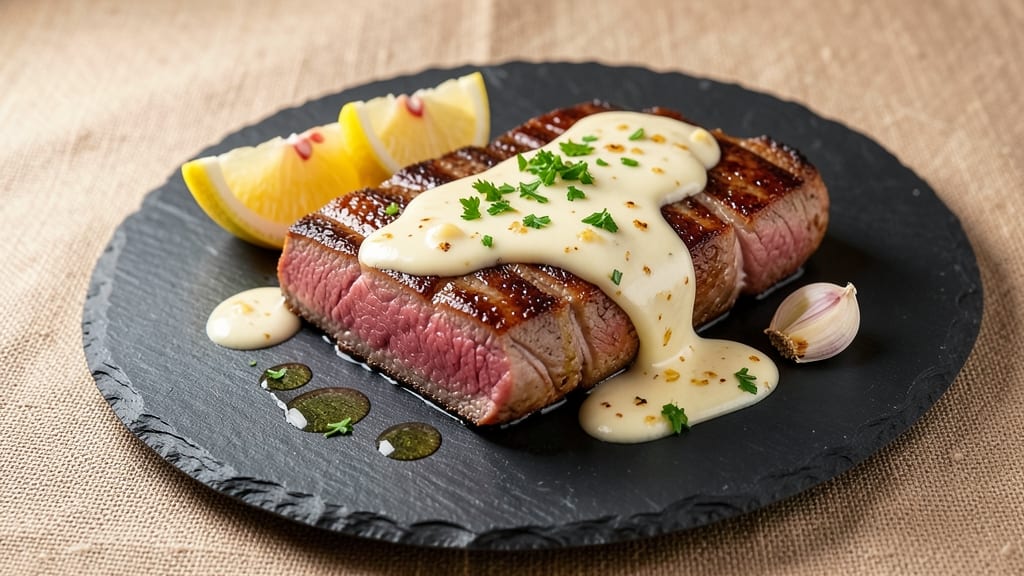
Pan-searing albacore steak transforms this lean, flavorful fish into a restaurant-worthy centerpiece with just a few precise techniques. The secret lies in high heat and citrus butter—bright, tangy, and rich—creating a delicate balance between crisp edges and tender flesh.
I developed this method after years of testing, ensuring the fish stays moist while developing that coveted caramelized crust. Every bite delivers that perfect harmony of texture and flavor.
What sets this recipe apart is the preparation: a simple marinade of lemon, garlic, and olive oil tenderizes the fish while infusing it with vibrant citrus notes.
The pan-searing method guarantees a crisp exterior without overcooking the delicate interior, and the citrus butter adds a luxurious finish that elevates the dish. Ready in just 15 minutes, this recipe delivers professional results without requiring advanced skills.
The outcome is a perfectly cooked albacore steak with golden, crisp edges and tender, flaky centers, all infused with bright citrus aroma. The butter pools on top, creating pockets of rich, tangy flavor with every bite.
This dish pairs beautifully with roasted vegetables or a fresh salad, making it ideal for weeknight dinners or special occasions.
Whether you're serving this to guests or treating yourself, the technique is foolproof and adaptable. The same method works for other firm white fish, ensuring consistent results every time. Let's get started on creating your perfect pan-seared albacore steak.
Ingredients for albacore steak
High-quality albacore steak and citrus-forward components transform simple ingredients into restaurant-worthy seafood perfection.
| Ingredient | Amount | Notes |
|---|---|---|
| Albacore Steak 🐟 | 1 ¼ lb | Center-cut, 1-inch thick slices |
| Extra-Virgin Olive Oil 🫒 | 2 tbsp | High-quality, fruity variety |
| Unsalted Butter 🧈 | ½ cup | Cold, cubed for butter pool |
| Fresh Lemon Juice 🍋 | ¼ cup | From 2-3 medium lemons |
| Garlic Cloves 🧄 | 4 cloves | Minced, fresh preferred |
| Kosher Salt 🧂 | 1 ½ tsp | Diamond Crystal preferred |
| Freshly Ground Black Pepper 🌶️ | ½ tsp | Coarsely ground |
| Zest of 1 Lemon 🍋 | 1 tbsp | Fine, bright yellow |
| Fresh Thyme Leaves 🌿 | ¼ tsp | Chopped, stems removed |
| Fresh Parsley Leaves 🌿 | ¼ tsp | Chopped, for garnish |
| Vegetable Oil 🫒 | 2 tbsp | High smoke point for searing |
The albacore steak is the foundation—center-cut slices with even thickness ensure consistent cooking. Whole Foods or high-end seafood markets carry the best cuts, but don't overlook your local fishmonger. Look for vibrant, translucent flesh with minimal brown edges. If buying frozen, thaw overnight in the fridge—never at room temperature. The lemon juice should be freshly squeezed; bottled versions lack the bright acidity needed for that signature citrus butter pool. For the olive oil, California extra-virgin brands like Corto or Lucini elevate the dish without overpowering the delicate fish flavor. Fresh thyme and parsley add aromatic depth, so prioritize organic varieties when possible—they're noticeably more potent.
No fresh thyme? Dried thyme at one-third the amount works in a pinch, though it lacks the same floral brightness. Substituting lemon juice with lime juice creates a different but equally vibrant profile—just reduce to 0.2 tablespoons to avoid over-acidifying. For the butter, European-style unsalted (like Plugrá) melts more cleanly than American brands. If you're cooking for guests who prefer milder flavors, reduce the black pepper to 0.25 teaspoons and add a pinch of smoked paprika instead. The vegetable oil is purely functional—any high-smoke-point neutral oil (like avocado or grapeseed) will work, but never use olive oil for searing.
Prep the citrus components first—the zest and juice should marinate the fish for at least 15 minutes while you come to room temperature. Store any unused lemon juice in an airtight container in the fridge for up to 3 days, but zest loses potency quickly—use immediately or freeze in small portions. The cooked steaks maintain their best texture for 2 days in the refrigerator, though the flavor deepens overnight. For meal prep, portion the citrus butter separately and reheat gently to preserve its luxurious texture. This dish reheats beautifully, but never microwave—opt for a 350°F oven for 5-7 minutes to maintain moisture.
Why You'll Love This Recipe
- One-Pan Magic: I swear by this recipe when I’m too tired to scrub a million dishes—just sear the steak in olive oil, add butter and garlic, and let the lemon juice finish it all. The pan does all the work while you sip your wine.
- Buttery Garlic Kiss: That moment when the butter melts into the steak, coating it in rich, aromatic garlic—it’s like a hug for your taste buds. The lemon cuts through the richness perfectly, so it’s never heavy, just ridiculously satisfying.
- Lunchbox Hero: Between us, this steak holds up better than takeout for work lunches. Slice it cold the next day, pack it with crusty bread, and you’ve got a meal that feels fancy but costs half the price.
- Budget-Friendly Luxury: Albacore is cheaper than most steaks, and this recipe uses just five ingredients—no fancy marinades or hours of prep. Honestly, it’s the kind of dish that makes me feel like I’m treating myself without breaking the bank.
Step-by-step instructions for albacore steak with citrus butter Magic
Master this technique and you'll achieve perfectly seared albacore with a silky citrus butter finish every time.
Prepare the Citrus Butter Pool
In a small saucepan, combine the 0.5 cup unsalted butter, 0.25 cup fresh lemon juice, 1 tbsp zest of 1 lemon, 0.25 tsp fresh thyme leaves, and 0.25 tsp fresh parsley leaves. Place over low heat and warm gently for 3-4 minutes, stirring constantly until the butter melts completely and the mixture becomes fragrant. Remove from heat and stir in 1.5 tsp kosher salt and 0.5 tsp freshly ground black pepper. The butter should be smooth with visible lemon flecks and a bright yellow hue.
Transfer the citrus butter to a small bowl and cover with plastic wrap, pressing the wrap directly onto the surface to prevent a skin from forming. Let it sit at room temperature while you prepare the steak. This butter pool will create the signature sauce that elevates the dish from simple sear to restaurant-quality finish.
Season and Sear the Albacore
Pat the 1.25 lb albacore steak completely dry with paper towels—this is critical for achieving crispy crust. Season both sides generously with additional kosher salt and freshly ground black pepper, focusing on the edges where they'll touch the pan. Let the steak sit at room temperature for 15-20 minutes while you heat your equipment.
Heat a heavy skillet over medium-high heat until very hot. Add 2 tbsp vegetable oil and swirl to coat the pan evenly. When the oil shimmers and a drop of water sizzles violently when flicked into the pan, add the steak. Sear for 3-4 minutes per side until deep golden brown with crispy edges. The steak should release easily from the pan when ready to flip—this indicates proper doneness for medium-rare.
Create the Butter Sauce
Remove the steak from the pan and transfer to a warm plate. Reduce heat to medium-low and add 2 tbsp extra-virgin olive oil to the same pan. Stir in the 4 minced garlic cloves and cook for 30-45 seconds until fragrant but not browned—this prevents bitterness in the final sauce.
Immediately return the steak to the pan and spoon the melted citrus butter over the top. Tilt the pan to coat the steak completely with the butter mixture, allowing it to pool underneath. Let it baste for 1-2 minutes until the butter emulsifies into a glossy sauce. The steak should be coated in a golden, lemon-infused glaze with visible butter flecks.
Rest and Serve with Precision
Transfer the steak to a cutting board and let it rest for 5-7 minutes before slicing. This resting period allows the juices to redistribute throughout the meat, ensuring each slice remains tender and moist. The steak should reach an internal temperature of 130-135°F for medium-rare—use an instant-read thermometer for accuracy.
Slice the steak against the grain into ¼-inch thick portions and arrange on warm plates. Spoon any remaining butter sauce from the pan over the top, then garnish with additional fresh parsley leaves. Serve immediately with your choice of sides—roasted vegetables or a simple arugula salad complement the bright citrus flavors perfectly.
Pro Tips For Making Albacore Steak
- Pat Dry First: Albacore steak holds moisture like a sponge—skip the pat dry, and you’ll steam it instead of sear it. Grab paper towels and press firmly; this isn’t the time to be gentle.
- High Heat, Then Low: Start with a screaming-hot pan—you want that crust in the first 30 seconds. Once you flip, drop the heat to medium and walk away for 2 minutes. Rushing this step turns tender steak into rubber.
- Butter Last, Not First: I used to melt butter at the start, and it’d just pool on the pan. Toss in the garlic and lemon juice after the steak’s seared—this way, the butter bastes the meat instead of turning into a sad, greasy puddle.
- Test with Fingers: No thermometer? Press the steak gently with your fingers—it should give like a firm mattress, not bounce back like a trampoline. Overcook albacore, and it’ll taste like shoe leather.
Troubleshooting this dish
Overcooked Fish Fix
If your albacore turns out dry or rubbery, it likely cooked past 135°F internal temperature. The fix? First, check your pan temperature—it should shimmer like a mirror when oil is added.
If using a thermometer, aim for medium-high heat (375-400°F)—any hotter and the delicate fish will overcook in seconds. For already overcooked steaks, slice thinly against the grain and serve immediately with extra citrus butter to mask dryness. 💡
Butter Pool Failures
If your citrus butter separates or looks grainy, the butter likely overheated. Keep the pan on medium-low heat when melting and stir constantly. For a smoother finish, whisk in 1 teaspoon cold water to help emulsify.
If the butter burns, immediately remove the pan from heat and start fresh with a new batch—burnt butter ruins the delicate citrus flavor.
Uneven Cooking
Thick edges cooking faster than thin centers? Trim your steak to even 1-inch thickness before cooking. For extra insurance, press a heavy skillet lid gently on thicker sections during searing to speed even cooking.
If one side releases easily while the other sticks, your pan isn't hot enough—let it heat longer before adding oil. 🔥
Citrus Butter Too Thin
The butter pool should coat the back of a spoon like a thick sauce. If yours is too runny, reduce the lemon juice to 0.2 tablespoons and add 1 extra tablespoon of cold butter.
For a thicker consistency, chill the finished butter for 10 minutes before using—this helps it hold its shape when basting the steak.
Fish Sticking to Pan
This usually means the steak wasn't dry enough or the pan lacked sufficient fat. Pat the fish with double-layered paper towels—press firmly to remove all moisture. Use high-smoke-point oil (like avocado or grapeseed) and ensure the pan is smoking hot before adding the steak.
A nonstick skillet helps, but never sacrifice proper heat for ease.
Lemon Zest Disappearing
If your zest seems to vanish during cooking, it's likely overcooked. Add zest and thyme to the butter pool just before removing from heat—this preserves their bright flavors. For extra vibrancy, zest an additional lemon and sprinkle it over the finished dish as garnish.
The zest should remain visible in the butter sauce, adding color and aroma. ✨
Nutrition facts
Frequently asked questions
Can I substitute albacore with another type of fish?
Yes, but choose firm, medium-fat fish like yellowfin tuna or mahi-mahi for similar texture. Avoid flaky fish like cod or haddock—they'll fall apart during searing. For best results, stick with 1-inch thick center-cut steaks that hold their shape when cooked.
How do I know when albacore is fully cooked?
Use an instant-read thermometer for accuracy—the ideal internal temperature is 130-135°F for medium-rare. The edges should be deep golden brown and crisp, while the center remains slightly translucent. If you don't have a thermometer, cut into the thickest part—it should flake easily but still feel slightly springy.
Can I make this recipe ahead of time?
Prepare the citrus butter up to 1 day ahead and store it chilled. For the steak, cook it fresh for best texture, but you can slice and refrigerate it for 2 days. Reheat gently in a 350°F oven for 5-7 minutes to maintain moisture. The butter sauce reheats beautifully—just warm it gently on the stove.
What's the best way to store leftover albacore steak?
Slice the steak and store it in an airtight container with a thin layer of butter or olive oil to preserve moisture. Keep it refrigerated for 2 days or freeze for up to 3 months. For reheating, microwave briefly (10-15 seconds) or warm in a skillet with fresh butter.
Why does my albacore turn out dry?
Overcooking is the most common cause—albacore dries out quickly when exposed to high heat for too long. Keep your pan at medium-high heat (375-400°F) and cook for only 3-4 minutes per side. Also, pat the fish completely dry before seasoning to prevent steam from forming in the pan.