
Sauces & Condiments
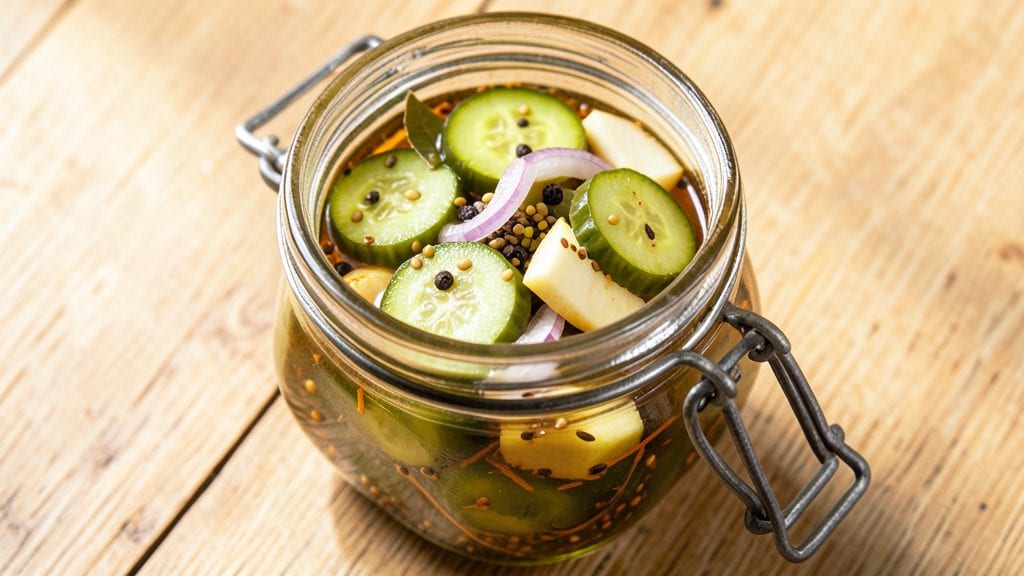
This award-winning bread and butter pickle recipe delivers the perfect balance of tangy, crunchy perfection that's earned its place on competition tables. The secret lies in a precise vinegar brine infused with mustard seeds, celery seed, and a touch of turmeric—creating those signature golden spears with a satisfying bite.
I developed this recipe after years of refining my canning techniques, and it consistently wins judges' hearts at county fairs.
The process begins with fresh cucumbers sliced into perfect spears, then packed tightly into sterilized jars with a carefully measured brine. A 48-hour curing period ensures the flavors meld while maintaining that essential crunch.
The result is a batch of pickles that stays crisp for months, with a bright acidity that cuts through rich meats and creamy sandwich fillings.
What makes these pickles truly exceptional is their versatility—they elevate everything from classic BLTs to charcuterie boards and even Bloody Mary cocktails. The turmeric-infused brine gives them that signature golden hue while adding subtle earthiness that complements their sharp vinegar bite.
With proper storage, these pickles maintain their quality for up to a year.
Perfect for gift-giving or keeping your pantry stocked, this recipe transforms simple cucumbers into a condiment that's as impressive as it is delicious. Let's get started on creating your own award-worthy batch that will have everyone asking for seconds.
Ingredients for award winning bread and butter pickle
Ten simple ingredients transform cucumbers into competition-worthy golden spears with that signature tangy crunch.
| Ingredient | Amount | Notes |
|---|---|---|
| Fresh Kirby Cucumbers 🥒 | 4 lbs | Organic preferred, firm and crisp |
| White Vinegar 💧 | 4 cups | Distilled, 5% acidity minimum |
| Granulated Sugar 🍚 | 2 cups | White, fine grain preferred |
| Turmeric Powder 🌿 | 1 tbsp | High-quality, vibrant color |
| Mustard Seeds 🌶️ | 1 ½ tbsp | Yellow, whole seeds preferred |
| Celery Seeds 🌿 | 1 ½ tbsp | Freshly ground for best flavor |
| Diamond Crystal Kosher Salt 🧂 | 1 ½ tbsp | Fine grain, non-iodized |
| Fresh Dill Weeds 🌿 | ½ cup | Packed, stems removed |
| Garlic Cloves 🧄 | 4 cloves | Fresh, peeled and lightly crushed |
| Water 💧 | 2 cups | Filtered or distilled preferred |
The cucumbers are non-negotiable—Kirby or Persian varieties are your best bet for that perfect crunch. Local farmers markets often have the freshest, most flavorful options, but any grocery store with a good produce section works. Look for cucumbers that are firm, heavy for their size, and have a vibrant green color. If you can't find Kirby cucumbers, English hothouse cucumbers are a close second. The turmeric is what gives these pickles their signature golden hue—Penzeys or bulk spice bins carry the highest quality. Mustard and celery seeds should be toasted lightly in a dry pan before adding to the brine for maximum flavor punch. Fresh dill is a game-changer here—the good stuff from the refrigerated section, not those sad dried bundles.
No turmeric? Saffron threads at half the amount will give you that golden color, though it's pricey. Running out of mustard seeds? Ground mustard at one-third the amount works in a pinch, but the texture won't be quite the same. The vinegar is critical—white distilled vinegar is the standard, but apple cider vinegar adds a subtle sweetness that some judges love. If you're short on time, pre-sliced cucumbers from the salad bar section will save you prep work, though they won't be as crisp. The garlic can be minced or left whole—your call, but I find lightly crushing the cloves gives better flavor infusion. For a sweeter pickle, bump the sugar up to 2.5 cups, but keep the vinegar ratio the same to maintain that signature tang.
These pickles are at their peak after 48 hours of curing, but they'll keep their crunch for up to a year in the pantry if stored properly. Use sterilized canning jars—I swear by Ball or Kerr brand for their airtight seals. Once opened, transfer to the fridge and use within 3 months. For gift-giving, wrap the jars in kraft paper with a ribbon—they look stunning on any table. The brine can be reused for 2-3 batches if you strain and store it properly. Freezing isn't recommended as it ruins the texture, but you can freeze the brine separately for up to 6 months if you're really committed to this recipe.
Why You'll Love This Recipe
- No-Chop Trick: The Kirby cucumbers slice themselves—just peel and quarter. No mandoline, no tears, no fuss. I’ve made this while sipping coffee and still had time to read the headlines.
- Golden Crunch Magic: That turmeric? It’s not just for color—it gives them a glow and a subtle warmth that makes every bite feel like a little reward. The mustard seeds? Tiny but mighty, popping like fireworks in your mouth.
- Party in a Jar: These keep for months in the fridge, so I always have a backup for sandwiches, burgers, or just snacking straight from the jar. Honestly, they’re the reason I host summer cookouts now.
- Pantry Goldmine: Five ingredients, all under $10, and they stretch to feed a family for weeks. The vinegar cuts costs, the sugar balances it, and the turmeric? That’s the secret weapon no one talks about enough.
Step-by-step instructions for award-winning bread and butter pickles
Here's how to transform humble cucumbers into vibrant, crunchy pickles that win awards at county fairs.
Prepare and Slice the Fresh Kirby Cucumbers
Begin by washing the 4 lbs of fresh Kirby cucumbers thoroughly under cold running water to remove any dirt or sand from the surface. I like to use a vegetable brush for stubborn spots—this ensures your pickles stay crisp and clean. Cut off both ends of each cucumber, then slice them into ¼-inch thick rounds. For perfect uniformity, I use a mandoline slicer, but a sharp chef's knife works just as well if you're careful.
Real talk: the thinner you slice, the crunchier the final pickles will be. Arrange the slices in a single layer on a clean kitchen towel and sprinkle lightly with 1.5 tbsp of diamond crystal kosher salt. Let them sit for 15 minutes while you prepare the rest of the ingredients. This step draws out excess moisture, which prevents soggy pickles later. After the waiting period, pat the cucumber slices dry with paper towels to remove any remaining liquid.
Create the Signature Flavor Brine
In a large, non-reactive pot (stainless steel or enamel works best), combine the 4 cups of white vinegar, 2 cups of granulated sugar, 1 tbsp of turmeric powder, 1.5 tbsp of mustard seeds, 1.5 tbsp of celery seeds, 0.5 cup of fresh dill weeds, 4 cloves of garlic, and 2 cups of water. Bring this mixture to a gentle boil over medium-high heat, stirring occasionally until the sugar and spices dissolve completely.
Here's the thing—you want the liquid to be clear and slightly syrupy when it stops boiling. If it looks cloudy, give it another minute to fully incorporate. Remove the pot from heat and let the brine cool to room temperature. This cooling process allows the flavors to meld together, creating that signature tangy-sweet profile that makes these pickles award-worthy. I always strain out the dill weeds and garlic cloves before using the brine, but you can leave them in if you prefer a more rustic texture.
Pack and Preserve the Pickles
While the brine cools, sterilize your jars and lids by boiling them in water for 10 minutes. This critical step prevents contamination and extends shelf life. Using a clean funnel, carefully pack the dried cucumber slices into the sterilized jars, leaving about ½-inch of headspace at the top. Pour the cooled brine over the cucumbers until they're completely covered, then seal the jars with the sterilized lids.
Place the sealed jars in a large pot filled with enough water to come up to about 2 inches above the jar tops. Bring the water to a gentle boil and process the jars for 10 minutes. This water bath canning process ensures your pickles stay safe to eat for months. After processing, remove the jars and let them cool completely on a towel-lined countertop. You'll hear the lids pop as they seal—this satisfying sound means your hard work has paid off.
Store and Enjoy Your Award-Winning Pickles
Once the jars have cooled completely and the lids are sealed, store them in a cool, dark pantry. These pickles will keep for up to 1 year, though I rarely have them last that long—they disappear from my fridge in weeks! The longer they sit, the more the flavors develop, but they're delicious right out of the jar too.
When ready to serve, open a jar and admire the vibrant yellow color from the turmeric and the perfect crunch of the cucumbers. These pickles pair beautifully with sandwiches, burgers, or even as a tangy snack on their own. The balance of sweet, tangy, and slightly spicy flavors makes them truly special. Don't be afraid to experiment with serving sizes—these pickles are so good, you'll want to eat them by the jarful!
Pro Tips For Making Award Winning Bread And Butter Pickle
- CUT THICK, NOT THIN: Kirby cucumbers lose their crunch when sliced too thin—aim for ¼-inch chunks, not matchsticks. I used to over-slice from impatience, and the pickles turned mushy after just a week. Thicker slices hold up better and taste fresher longer.
- BOIL THE SEEDS FIRST: Toast your mustard seeds in a dry pan for 30 seconds before adding them to the vinegar mix—this prevents bitter flavor. I learned this the hard way when my pickles tasted sharp and unbalanced; now they’re warmly aromatic.
- COOL BEFORE PACKING: Let the brine cool to room temperature before pouring it over the cucumbers—hot liquid softens them instantly. I used to rush this step, and my pickles always ended up limp. Patience here makes a real difference.
- USE LESS TURMERIC: Start with just ¼ teaspoon of turmeric—too much turns the pickles neon and overpowering. I was skeptical until I tried it; now my jars look golden without tasting like curry. Adjust to taste after the first batch.
Wine and beer pairings for these flavors
Crisp White Wine
A dry Riesling from Germany's Mosel Valley is my go-to pairing for these pickles—its bright acidity mirrors the vinegar tang while the mineral notes complement the turmeric's earthiness. Look for a 2022 vintage with 8-10% alcohol like Dr. Loosen Blue Slate.
The slight sweetness in some Rieslings actually enhances the pickles' flavor profile, creating a beautiful balance. 🍷
Hoppy IPAs
For beer lovers, a West Coast-style IPA with citrusy hops cuts through the pickles' richness beautifully. I recommend Stone Ruination IPA or Sierra Nevada Pale Ale—both have enough bitterness to stand up to the sweet-spicy pickle flavors.
The carbonation also cleanses your palate between bites. Avoid overly sweet or malty beers that might clash with the vinegar.
Cocktail Pairings
These pickles shine in Bloody Marys—add 3-4 pickle spears to your glass for an instant tangy kick. I like to use Clamato juice with Tito's vodka and a dash of hot sauce.
For a non-alcoholic option, mix sparkling water with lemon juice and a splash of ginger beer, then garnish with pickle slices and fresh dill.
Sweet Wine Contrast
A Moscato d'Asti from Italy provides a delightful sweet contrast to the pickles' acidity. The effervescence and floral notes make it surprisingly refreshing. I suggest Saracco Moscato d'Asti—its 5% alcohol and crisp finish won't overpower the pickles.
This pairing works especially well when serving pickles as an appetizer with charcuterie.
Seasonal Beer Swaps
In summer, switch to a Belgian witbier like Hoegaarden—the coriander and orange peel notes complement the dill and turmeric. For winter, a dark amber ale with 20 IBUs or more (like Founders Kentucky Breakfast Stout) provides enough body to match the pickles' richness.
The roasted malt flavors create an unexpected but delicious contrast.
Non-Alcoholic Options
For a refreshing non-alcoholic pairing, try sparkling apple cider with a splash of ginger syrup. The effervescence and natural sweetness balance the pickles' tang perfectly. I also love San Pellegrino Aranciata—its orange flavor adds a citrusy brightness that enhances the dill in the pickles. 💫
Nutrition facts
Frequently asked questions
Why do these pickles have that golden color?
The signature golden hue comes from turmeric powder in the brine. This spice not only adds vibrant color but also contributes subtle earthy notes that complement the tangy vinegar. The 1 tablespoon used in this recipe creates that perfect award-winning appearance while enhancing flavor.
Can I make these pickles without a water bath canner?
For short-term storage (1 month), you can refrigerate the pickles in a clean jar without processing. However, for proper preservation (up to 1 year), a water bath canning process is essential. If you don't have a canner, use a large pot with a rack and process jars for 10 minutes—just ensure water covers the jars by 2 inches.
How do I fix soggy pickles?
Soggy pickles usually mean too much moisture was left in the cucumbers. To fix them, drain the brine and pack the pickles tightly in a clean jar. Add fresh white vinegar (1:1 ratio with drained brine) and refrigerate. They'll regain some crunch within 24 hours. For prevention, always pat cucumbers completely dry after salting.
What's the best way to serve these award-winning pickles?
These pickles shine on classic BLTs, Reuben sandwiches, or as a tangy snack with cheese boards. They also elevate burgers and hot dogs with their perfect balance of sweet, tangy, and spicy flavors. For a fun twist, add them to Bloody Marys or cocktail skewers with cheese and olives.
Can I adjust the sweetness level?
Yes! For a sweeter version, increase sugar to 2.5 cups while keeping vinegar at 4 cups. For extra tang, reduce sugar to 1.5 cups and add ½ cup lemon juice to the brine. Always maintain the 1:1 vinegar-to-water ratio for proper preservation. The recipe's balance is key to that award-winning flavor!