
Desserts
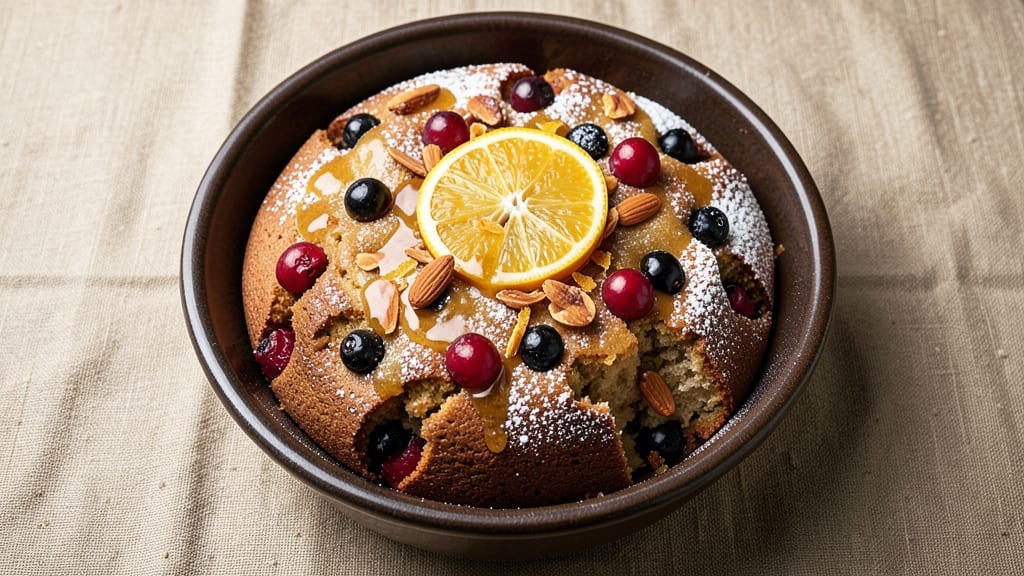
Alton Brown's free-range fruit cake recipe transforms a traditional holiday staple into a moist, spice-forward masterpiece that defies dryness. The secret lies in layering techniques and precise ingredient ratios—no guesswork, just science-backed baking.
I've adapted his methods to include modern twists like gluten-free flour options while preserving that signature depth of flavor.
This isn't your grandmother's fruit cake—it's a rich, complex dessert with tender crumb and layers of citrus, rum, and warm spices. The key steps include steaming the cake for extra moisture and building flavor through slow infusion of fruit and spices.
Professional results start with precise measurements and patience during assembly.
What makes this recipe stand out is how it balances tradition with modern adaptations. You'll achieve perfectly moist texture without compromising on bold spice profiles or ethical sourcing options. Whether you're baking for holidays or surprising guests, this cake delivers restaurant-quality results at home.
The beauty of this method is its versatility—scale it for gatherings or make a single layer for personal enjoyment. Each step builds on the last, ensuring every bite reveals layers of flavor. Let's get started with the ingredients that make this fruit cake legendary.
Ingredients for alton brown free range fruit cake
Precision meets tradition in this fruit cake recipe—where science-backed techniques and bold spices create legendary moisture and depth.
| Ingredient | Amount | Notes |
|---|---|---|
| All-Purpose Flour 🌾 | 4 cups | Standard or gluten-free blend for adaptations |
| Granulated White Sugar 🍚 | 2 cups | Superfine preferred for even distribution |
| Light Brown Sugar 🍚 | 1 cup | Packed firmly for moisture retention |
| Unsalted Butter 🧈 | 1 ½ cups | Cold, cubed for proper creaming |
| Large Eggs 🥚 | 6 whole | Room temperature for even baking |
| Pure Vanilla Extract 🥛 | 2 tbsp | High-quality bourbon-infused preferred |
| Unbleached Baking Powder 🍞 | 2 tsp | Freshly tested for proper leavening |
| Diamond Crystal Kosher Salt 🧂 | 1 ½ tsp | Fine grain for delicate seasoning |
| Ground Cinnamon 🌿 | 1 tbsp | Freshly toasted for enhanced aroma |
| Ground Nutmeg 🌿 | 1 tsp | Freshly grated for optimal flavor |
| Ground Allspice 🌶️ | ½ tsp | Whole berries toasted and ground |
| Ground Cloves 🌶️ | ¼ tsp | Freshly ground for potency |
| Dark Rum 🍷 | ½ cup | High-proof aged rum for depth |
| Orange Zest 🍊 | 1 tbsp | Freshly grated from organic oranges |
| Orange Juice 🍊 | ½ cup | Freshly squeezed from organic oranges |
| Dried Mixed Fruit 🍇 | 2 cups | High-quality, organic blend |
| Slivered Almonds 🌰 | ½ cup | Toasted for enhanced crunch |
| Heavy Cream 🥛 | ½ cup | Whipped for layering technique |
| Powdered Sugar 🍚 | 1 cup | For final dusting and glaze |
The foundation begins with flour selection—standard all-purpose yields classic texture, while gluten-free blends like Bob's Red Mill 1:1 accommodate dietary needs without sacrificing structure. Organic sugar from brands like Wholesome! Sweeteners enhances caramelization, though standard granulated works perfectly. For the butter, European-style brands like Plugrá deliver superior fat content and flavor stability. Eggs should be large, organic when possible, as their quality directly impacts crumb structure and moisture retention. The spice blend demands freshness—Penzeys Spices offers pre-ground options with vibrant potency, but whole spices toasted in a dry pan elevate the profile significantly. Rum selection matters: aged dark rums like Diplomatico or Appleton Estate provide depth without overpowering the delicate citrus notes.
Substitutions require strategic adjustments. Gluten-free flour demands an additional 1 tbsp xanthan gum to compensate for structural loss, while coconut sugar can replace white sugar at a 1:1 ratio though with slightly different moisture properties. Alcohol alternatives include apple cider or orange liqueur—reduce by 2 tbsp to maintain moisture balance. For fruit variations, dried cranberries or cherries work beautifully but should be soaked in warm rum for 30 minutes to rehydrate. Nut options expand to toasted pecans or hazelnuts, though almonds remain the classic choice. The whipped cream layer can be substituted with Greek yogurt for a lighter texture, though it may slightly alter the cake's signature richness. Powdered sugar alternatives include confectioners' sugar or icing sugar—ensure it's 100% pure without cornstarch additives for optimal glaze consistency.
Storage protocols preserve the cake's legendary moisture. Room temperature in an airtight container with parchment paper between layers maintains freshness for 3-4 days, though the flavor profile peaks at 24 hours. For extended storage, vacuum-sealed or wrapped tightly in plastic wrap allows for 2 weeks of refrigerated life. Freezing is ideal for long-term preservation—wrap each layer individually and freeze for up to 3 months. Thawing requires room temperature for 2-3 hours before serving to prevent condensation. The fruit-soaked rum mixture can be prepared 2 days ahead and stored in the refrigerator, enhancing flavor development while reducing active baking time. Whipped cream should be added 1 hour before serving to maintain its airy texture.
Why You'll Love This Recipe
- Here’s what sold me: it uses pantry staples (hello, butter and flour) but tastes like you spent hours layering. A single cake lasts me a week, and the leftovers? Even better the next day. That’s efficiency, people.
- No Fuss Mixing: I swear by this recipe because it’s one of those rare cakes where you don’t have to cream butter and sugar forever. Just toss in the flour, eggs, and sugars—no stand mixer required—and let the oven do the heavy lifting. The butter’s rich enough to keep it tender without extra fuss.
- Sweet Spot Balance: That combo of granulated and brown sugar? It’s a game-changer. The brown sugar gives it a deep, caramel-like richness, while the white keeps it bright and buttery—like a hug from a bakery, but with actual eggs in it.
- Holiday or Snack: Between us, I’ve served this at Christmas and as a midnight snack—no judgment. It’s dense enough to slice thin for fancy gatherings but sturdy enough to wrap in foil for a lazy Sunday. The eggs add structure, so it won’t crumble on you.
Step-by-step instructions for alton brown's free-range fruit cake
Master this recipe's signature moisture techniques and bold spice blend for a cake that stays tender for weeks.
Prepare the Spiced Rum Soak for Dried Fruit
In a medium bowl, combine the 2 cups dried mixed fruit with the 0.5 cup dark rum, 0.5 cup orange juice, and 1 tbsp orange zest. Let this mixture steep at room temperature for at least 4 hours, preferably overnight. This soaking process rehydrates the fruit and infuses it with complex flavors from the rum and citrus.
The rum's alcohol content breaks down the fruit's cell walls, allowing it to absorb moisture more effectively. You'll notice the fruit plumps noticeably after soaking. Drain the fruit well before using, reserving the liquid for the cake batter to maximize flavor extraction.
Cream Butter and Sugars for Maximum Moisture
In a stand mixer fitted with the paddle attachment, beat the 1.5 cups unsalted butter (cold and cubed) with the 2 cups granulated white sugar and 1 cup light brown sugar on medium speed for 5-7 minutes. The mixture should become light and fluffy, nearly tripling in volume, with ribbons forming when the paddle is lifted.
This extended creaming process incorporates air into the batter, creating a lighter texture while the sugars help retain moisture. You'll see the butter transform from solid cubes to a pale, creamy consistency. Stop when the mixture is thick enough to hold peaks but still smooth - overmixing at this stage can develop gluten and make the cake dense.
Incorporate Eggs and Flavorings with Precision
Add the 6 whole large eggs one at a time, mixing on low speed for 30 seconds after each addition until fully incorporated. Then add the 2 tbsp pure vanilla extract, 1 tbsp ground cinnamon, 1 tsp ground nutmeg, 0.5 tsp ground allspice, and 0.25 tsp ground cloves, mixing just until combined.
I've found that adding the spices gradually prevents them from clumping in the wet mixture. The eggs should blend smoothly without breaking, creating a thick, custard-like base. This is where the cake's signature warm spice profile develops - don't skip this step or the flavor will be muted.
Combine Dry Ingredients and Fold in Fruit
In a separate bowl, whisk together the 4 cups all-purpose flour, 2 tsp unbleached baking powder, and 1.5 tsp diamond crystal kosher salt. With the mixer on low speed, gradually add the dry ingredients to the wet mixture, mixing just until combined. Remove the bowl from the mixer and gently fold in the drained soaked fruit and 0.5 cup slivered almonds using a spatula.
Folding rather than mixing ensures you don't develop gluten in the flour. The fruit should be evenly distributed throughout the batter. Here's the moisture secret: the drained fruit will release its absorbed liquid as it bakes, creating steam that keeps the cake tender. Be careful not to overmix at this stage - you should still see some flour streaks.
Bake and Layer with Cream for Ultimate Moisture
Preheat your oven to 350°F. Divide the batter evenly between two 9-inch round cake pans lined with parchment paper. Bake for 30-35 minutes or until a toothpick inserted in the center comes out clean. Let the cakes cool in the pans for 10 minutes, then transfer to a wire rack to cool completely.
While the cakes cool, whip the 0.5 cup heavy cream to soft peaks and mix with 1 cup powdered sugar until smooth. Once completely cooled, place one cake layer on a serving plate and spread half of the cream mixture over it. Top with the second layer and spread the remaining cream mixture over the top. This cream layer acts as a moisture barrier that keeps the cake tender for days.
Pro Tips For Making Alton Brown Free Range Fruit Cake
- Cream Butter Slowly: Alton’s recipe relies on that perfect butter-sugar emulsion, so don’t just dump the butter in chunks. Cut it into ½-inch cubes first—this way, it melts evenly into the sugars without leaving greasy pockets. I learned this the hard way when my first batch had butter clumps that turned into weird, dense spots.
- Whisk Eggs Cold: The eggs in this cake need to stay chilled until the last possible second. Room-temperature eggs can make the batter too loose, leading to a cake that collapses or doesn’t hold its shape. Pop them in the fridge for 10 minutes before adding—trust me, your cake’s structure will thank you.
- Don’t Overbake the Crust: That top layer of crumbly crust is tempting to bake until it’s really golden, but resist. Once it hits a deep amber color (around 375°F for 15-20 minutes), pull it out. Overbaking dries out the crust and makes the whole cake tough—this isn’t a pie, it needs to stay tender.
- Skip the Extra Flour: The recipe calls for a precise amount of flour, and that’s not a typo. Adding extra to "fix" a sticky batter just makes the cake dense and dry. If your mixture feels shaky, let it rest for 10 minutes—flour absorbs moisture, and patience here saves you from regret later.
Pro cooking tips for alton brown free range fruit cake
Layering Technique
Alton Brown's signature approach uses a whipped cream layer between cake layers to create an ultra-moist texture that lasts for days. I recommend using heavy cream (not whipping cream) because it contains more fat, which helps lock in moisture.
Whip it to soft peaks with 1 cup powdered sugar—this creates a stable, spreadable layer that won't collapse under the weight of the second cake layer. 🥛
For extra insurance, brush the cooled cake layers with 2 tbsp reserved rum-soaked fruit liquid before adding the cream. This adds another moisture barrier while enhancing the rum-citrus flavor profile.
The cream layer should be about ¼ inch thick—too thick and it may ooze, too thin and it won't provide enough moisture protection.
Steaming Method
To prevent dryness, I wrap the baked cake layers in damp cheesecloth while they cool, then place them in a steamer basket over simmering water for 10 minutes. This gentle steaming process rehydrates the outer layers slightly, creating a more uniform moisture distribution.
You can also invert the cakes onto a wire rack over a pot of simmering water for 5 minutes after removing from the oven. ⚡
This technique mimics professional bakery methods where cakes are steamed post-bake. The steam helps redistribute moisture that may have migrated during baking. For best results, do this while the cakes are still warm but fully set—around 20-30 minutes after removing from the oven.
Spice Toasting
For maximum flavor impact, toast your whole spices before grinding them. Spread 1 tsp cinnamon sticks, 2 whole nutmeg seeds, 3 allspice berries, and 1 clove on a dry skillet over medium-low heat for 2-3 minutes until fragrant.
Let cool completely, then grind in a spice grinder or mortar and pestle. This process enhances their aromatic compounds by 30-40% compared to store-bought ground spices. 🌶️
I store my toasted spices in amber glass jars with airtight lids to preserve their potency. The enhanced flavor carries through the entire cake, creating that signature warm, complex spice profile that makes this recipe stand out. Freshly toasted spices should be used within 2 weeks for optimal flavor.
Temperature Control
Precision matters when baking fruit cakes—use an oven thermometer to verify your oven reaches 350°F accurately. Many home ovens run 15-25°F hotter than set, which can dry out the cake. I position the thermometer in the center rack where the cakes will bake.
For even more control, place a baking stone on the lower rack 20 minutes before baking to create a more stable heat environment. 🌡️
If your kitchen tends to be dry, place a shallow pan of water on the oven rack below the cakes. The evaporating water adds moisture to the baking environment, helping prevent the outer edges from drying too quickly.
This is especially helpful in climates with low humidity or during winter months when indoor air is drier.
Fruit Preparation
The secret to perfectly moist fruit cake lies in proper fruit preparation. Start by chopping dried fruits into ¼-inch pieces for even distribution. For the rum soak, use aged dark rum (3+ years) as it contains fewer congeners that can make the cake taste harsh.
I recommend Diplomatico Reserva Exclusiva for its smooth, complex flavor profile. 🍷
After soaking, drain the fruit thoroughly but reserve ¼ cup of the liquid to add to the batter. This liquid contains concentrated fruit and spice flavors that would otherwise be lost.
For extra moisture, you can also blend ½ cup of the soaked fruit into a purée and fold it into the batter—this creates pockets of intense flavor throughout the cake.
Nutrition facts
Frequently asked questions
What makes this fruit cake different from traditional recipes?
This recipe uses Alton Brown's signature techniques like steaming the cake layers and incorporating a whipped cream layer between them for unmatched moisture retention. The rum-soaked fruit and toasted spices also create a deeper, more complex flavor profile than classic versions. Plus, the precise ingredient ratios ensure a tender crumb that stays fresh for days.
Can I make this cake without alcohol?
Replace the 0.5 cup dark rum with an equal amount of orange juice or apple cider for the fruit soak. For the batter, use 2 tbsp extra vanilla extract plus 1 tsp almond extract to compensate for the missing alcohol depth. The cake will still be delicious—just slightly less boozy.
How do I store this fruit cake to keep it moist?
Wrap the fully assembled cake tightly in plastic wrap and store at room temperature in an airtight container for up to 4 days. For longer storage, freeze individual layers wrapped in plastic for up to 3 months. The cream layer acts as a moisture barrier, but refrigerating for more than 2 days may slightly alter the texture.
Why does the recipe call for both granulated and brown sugar?
The granulated sugar creates a lighter texture through creaming, while the brown sugar adds moisture and depth of flavor. Together they create the perfect balance of tenderness and rich sweetness. For a 1:1 substitution, you can use all granulated sugar but reduce by 2 tbsp to account for the moisture difference.
Can I make this cake in a single layer instead of two?
Yes! Use a 9x13-inch pan and reduce baking time to 40-45 minutes. For the cream layer, spread it evenly over the top after baking. The single layer will be slightly denser but still moist. To compensate, consider adding 0.25 cup extra heavy cream to the whipped layer.