
Side Dishes
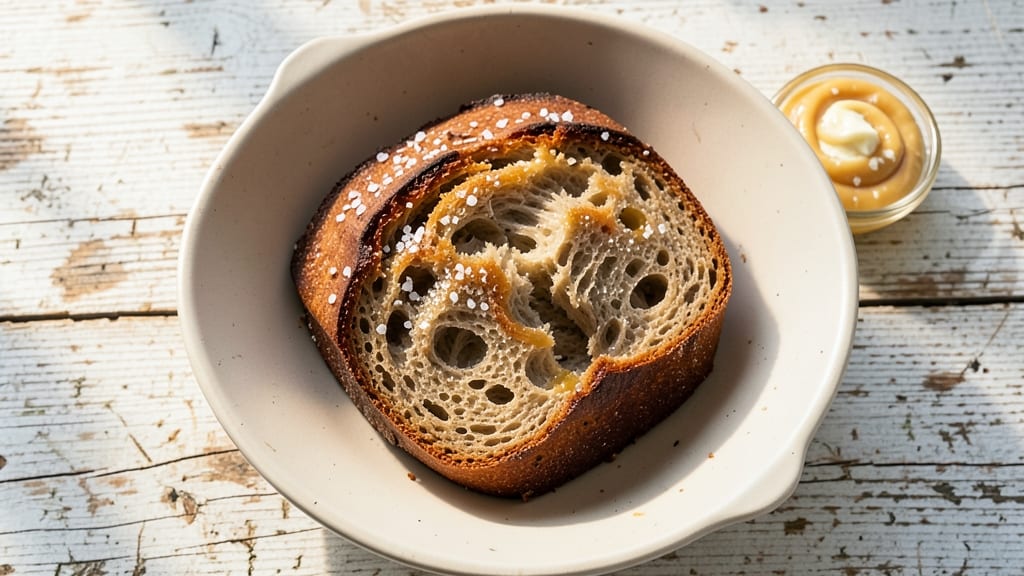
This Amish friendship sourdough bread recipe brings together generations of tradition with a loaf that's as meaningful as it is delicious.
Born from the Amish practice of baking and sharing bread as a symbol of friendship, this recipe delivers a rustic loaf with a tangy crust and sweet honey swirls that taste like comfort itself.
The no-knead method reflects the Amish emphasis on simplicity and efficiency, making it perfect for both beginners and experienced bakers alike.
The beauty of this bread lies in its simplicity and the time-honored techniques that create its signature texture. We'll start with a foolproof sourdough starter, nurtured over days to develop that signature tang.
The dough itself requires minimal handling—just mix, rest, and shape—before baking to golden perfection. This method ensures a loaf with a crisp crust and a soft, airy interior, all while keeping the preparation straightforward.
What makes this recipe special is the honey swirl that runs through the center, adding a subtle sweetness that balances the bread's natural tang.
The aroma alone will fill your kitchen with warmth and nostalgia, evoking the communal spirit of the Amish tradition where bread was often baked and shared among neighbors. Every bite carries that history, making it more than just a loaf—it's a piece of craftsmanship and connection.
Perfect for gifting, sharing with loved ones, or simply enjoying with butter and jam, this bread is a testament to the power of tradition.
Whether you're baking for a special occasion or just want to experience a taste of Amish hospitality, this recipe delivers a loaf that's as rewarding to make as it is to eat. Let's get started on creating something truly special.
Ingredients for amish friendship sourdough bread
Traditional sourdough starter meets rustic simplicity for this Amish-inspired loaf with honeyed swirls.
| Ingredient | Amount | Notes |
|---|---|---|
| Active Sourdough Starter 🍞 | ½ cup | Unfed, bubbly starter (100% hydration) |
| All-Purpose Flour 🌾 | 5 cups | Unbleached, high-protein preferred |
| Granulated Honey 🍯 | ½ cup | Raw or wildflower preferred |
| Unsalted Butter 🧈 | ¼ cup | Cold, cubed for swirl |
| Diamond Crystal Kosher Salt 🧂 | 1 ½ tsp | Fine grain for even distribution |
| Instant Yeast 🍞 | ¼ tsp | Optional for first-time bakers |
| Whole Milk 🥛 | ½ cup | Warmed to 110°F for activation |
| Extra-Virgin Olive Oil 🫒 | 2 tbsp | For dough handling |
| Cornmeal 🌽 | ¼ cup | For dusting parchment |
| Water 💧 | 1 ½ cups | Room temperature |
The sourdough starter is the heart of this recipe—Amish bakers often maintain their own wild cultures passed down through generations. For optimal fermentation, use a starter that's been fed daily for at least 5 days before baking. King Arthur or Bob's Red Mill flours work exceptionally well due to their high protein content, which develops better gluten structure. If you're new to sourdough, a small batch of Breads Bakery starter from Whole Foods provides a reliable foundation. The starter should be at its peak activity—bubbly and just beginning to collapse when dropped in a glass of water—before mixing with the dough.
No honey swirl? Maple syrup or brown sugar creates a similar caramelized depth, though honey's floral notes are traditional. Substituting butter with coconut oil or lard alters texture but maintains the swirl's richness. For a lighter loaf, replace 0.25 cup of flour with cornmeal, though this reduces gluten development slightly. The milk can be swapped for buttermilk or plant-based milk, though whole milk's fat content enhances crust browning. If using instant yeast, reduce the starter to 0.25 cup to maintain proper fermentation balance.
This dough requires 24-48 hours of cold fermentation for optimal flavor development, so plan ahead. Store the shaped loaf in a cotton bread bag at room temperature for up to 3 days to maintain freshness. For longer storage, wrap tightly in plastic and freeze for up to 3 months. The honey swirl keeps beautifully—thaw at room temperature before slicing. Amish bakers often bake multiple loaves at once, so double the recipe and freeze extras for gifting or sharing with neighbors, just as tradition dictates.
Why You'll Love This Recipe
- No-Knead Magic: I swear by this—just mix, shape, and let it rise while I sip coffee. The starter does all the heavy lifting, so you don’t have to.
- Honey-Butter Bliss: That first pull-apart bite? Crispy crust with a soft, buttery crumb, all thanks to the honey caramelizing and the butter melting into every fold. (Yes, even my kids fight over it.)
- Weeknight Workhorse: Toss a loaf in the oven while dinner simmers—it’s ready by the time you’re done. Slice it for toast, pack it for lunches, or serve it warm with jam. No excuses.
- Budget-Friendly Staple: Uses pantry basics (hello, flour and honey) and stretches for days. Freeze half the batch, and you’ve got fresh bread anytime without the grocery run. Smart, simple, satisfying.
Step-by-step instructions for Amish friendship sourdough bread
This method delivers a rustic loaf with a crisp crust and honeyed butter swirls—perfect for sharing.
Prepare the Honey Butter Swirl
In a small mixing bowl, combine the 0.5 cup granulated honey with the 0.25 cup unsalted butter, softened but still cool to the touch. Using a hand mixer or fork, whip until light and fluffy, about 2-3 minutes. This ensures the honey fully incorporates without melting the butter completely, creating those signature swirls.
Spread the mixture onto a piece of parchment paper, forming a 2-inch-wide log. Roll it tightly and twist the ends to seal. Chill in the refrigerator for at least 30 minutes—this prevents the butter from melting during baking and maintains the swirl structure.
Mix the Dough with Sourdough Starter
In a large stand mixer fitted with a dough hook, combine the 5 cups all-purpose flour, 1.5 tsp diamond crystal kosher salt, and 0.25 tsp instant yeast. Mix on low speed for 1 minute to distribute the dry ingredients evenly.
Add the 0.5 cup active sourdough starter, 0.5 cup warmed whole milk, and 1.5 cups room-temperature water to the mixer. Increase speed to medium and knead for 5-7 minutes until the dough becomes smooth and elastic, pulling away from the sides of the bowl. If the dough feels too sticky, add 1 tablespoon flour at a time until it reaches a workable consistency.
Incorporate the Honey Butter and First Rise
Remove the chilled honey butter log from the refrigerator and place it in the center of the dough. Using wet hands, gently fold the dough around the butter log, sealing the edges to fully encase it. This step is delicate—avoid overworking the dough to prevent deflating the butter swirl.
Transfer the dough to a lightly oiled bowl, cover with a damp kitchen towel, and let it rise in a warm place for 1-2 hours, or until it has nearly doubled in size. The dough should feel light and springy when pressed gently—this indicates proper fermentation and readiness for shaping.
Shape and Proof the Loaf
Turn the risen dough onto a lightly floured surface and gently shape it into a loaf pan or round boule, depending on your preferred form. For a classic Amish shape, form a round loaf by pulling the dough toward the center and tucking it under itself. Place the shaped dough onto a parchment-lined baking sheet, dusted with 0.25 cup cornmeal to prevent sticking.
Cover the dough again and let it proof for an additional 30-45 minutes until it has risen 50-70% more. The surface should look slightly domed and feel firm to the touch. Preheat your oven to 375°F during this final proofing stage to ensure the oven is fully heated by the time you bake.
Bake to Golden Perfection
Bake the loaf for 35-40 minutes until the crust is a deep golden brown and sounds hollow when tapped on the bottom. The internal temperature should reach 190-200°F when measured with an instant-read thermometer. If the top browns too quickly, tent the loaf with aluminum foil to prevent over-browning while it continues to bake.
Remove the bread from the oven and let it cool on a wire rack for at least 1 hour before slicing. This resting period allows the internal structure to set, ensuring clean slices with a crisp crust and tender crumb. Serve warm with additional honey or as part of a hearty breakfast spread.
Pro Tips For Making Amish Friendship Sourdough Bread
- Weigh Your Starter: I learned this the hard way—eyeballing sourdough starter leads to guesswork. Use a kitchen scale for the starter (usually 100g) to guarantee the right fermentation balance, especially with all-purpose flour. This recipe relies on precise ratios, and even a 5g difference can throw off the honey’s sweetness or the butter’s richness.
- Salt the Honey First: Mix the kosher salt directly into the honey before adding it to the dough—this dissolves completely, avoiding those pesky salt pockets that ruin a bite. My grandmother swore by this, and she was right: the flavor distributes evenly, making every slice taste like it’s been kissed by the oven.
- Avoid Over-Kneading Butter: Once you fold in the softened butter, resist the urge to knead more than 2-3 times after it’s incorporated. Overworking it turns the dough greasy and dense—this bread’s magic is in the tender, flaky layers, not toughness. Just handle it gently, like you’re tucking in a baby.
- Preheat with a Dutch Oven: Place your Dutch oven (with lid) in a 475°F oven for at least 30 minutes before baking. The residual heat ensures the dough steams properly, giving that iconic Amish crust without sticking. I skipped this once and ended up with a sad, flat loaf—don’t be that person.
Health benefits of amish friendship sourdough bread
Gut-Friendly Probiotics
The sourdough starter in this bread acts as a natural probiotic, introducing beneficial bacteria that support digestive health. A 6-ounce serving provides about 10-15 billion CFU (colony-forming units) of live cultures, similar to what you'd find in fermented foods like yogurt or kimchi.
These good bacteria help balance gut flora, which is especially important for those with occasional bloating or sensitivity to processed foods. 💪
Slow-Digesting Carbs
This bread's low glycemic index makes it an excellent choice for steady energy release. The sourdough fermentation process breaks down complex carbohydrates into simpler sugars, creating a loaf that digests more slowly than traditional white bread.
This helps stabilize blood sugar levels, making it ideal for anyone managing diabetes or simply looking to avoid energy crashes. I notice my energy lasts longer when I eat this bread compared to store-bought varieties.
Natural Gluten Structure
The long fermentation time in sourdough naturally softens gluten, making it easier to digest for many people with mild gluten sensitivities. While not suitable for celiac disease, the improved gluten structure reduces the likelihood of bloating or discomfort for those with non-celiac gluten sensitivity.
The high-protein flour also provides essential amino acids that support muscle repair and immune function. 🌾
Rich in Antioxidants
The honey swirl adds more than just sweetness—it contributes antioxidants like quercetin and pinocembrin, which help combat oxidative stress in the body. Raw honey also contains trace amounts of vitamins and minerals, including zinc and magnesium, that support immune function.
The butter's fat content helps your body absorb these fat-soluble nutrients more effectively from the honey.
Low-Fat Protein Boost
While butter adds richness, this bread remains relatively low in saturated fat compared to many commercial breads. The protein content—about 8 grams per serving—comes primarily from the flour and milk, providing essential nutrients without the heaviness.
This makes it a satisfying choice for those watching their fat intake while still wanting a hearty loaf. The fermentation process also reduces phytic acid in the flour, improving nutrient absorption.
Community Connection Benefits
The act of baking and sharing this bread taps into the psychological benefits of community engagement. Studies show that preparing traditional foods like this can reduce stress and increase feelings of belonging. The Amish tradition of sharing loaves as gifts creates meaningful connections—something modern life often lacks.
There's genuine joy in giving a piece of this bread to a neighbor, just as Amish families have done for generations. ✨
Nutrition facts
Frequently asked questions
How long does it take to make this Amish friendship bread?
The total time is about 24-48 hours, but most of that is hands-off fermentation. After preparing the honey butter swirl (5 minutes) and mixing the dough (10 minutes), the dough needs 1-2 hours to rise, then 30-45 minutes of proofing before baking for 35-40 minutes. The longest part is the overnight cold proof if you choose to do it, which enhances flavor.
Can I make this bread without a sourdough starter?
Yes, but the flavor won't be traditional. Use 0.25 cup instant yeast instead of the starter and reduce the milk to 0.25 cup. The bread will still have the honey swirl, but it won't develop the same tangy depth. For a quick starter, mix 1 cup flour + 1 cup water, let ferment 5 days, then feed daily until bubbly before using.
Why does my dough smell like alcohol?
That's normal! The fermentation process produces alcohol and carbon dioxide, giving the bread its signature tang. If the smell is overwhelming or the dough tastes overly sour, your starter may be overfed or too active. Try reducing the starter amount or feeding it less frequently before baking.
How do I store and share this bread like the Amish?
Wrap cooled loaves in cotton cloth or beeswax wrap to keep them fresh for 3-5 days at room temperature. For gifting, place in a wooden box or burlap sack—traditional Amish presentation! Freeze extras by wrapping tightly in plastic and parchment. Thaw at room temperature before slicing for best texture.
What's the best way to reheat sliced bread?
For crispy crust: Wrap slices in foil and warm at 350°F for 5-7 minutes. For soft interior: Toast lightly in a toaster or warm in a 200°F oven for 3-5 minutes. Never microwave—it turns the bread rubbery. The honey swirl stays best when reheated gently to avoid melting.