
Side Dishes
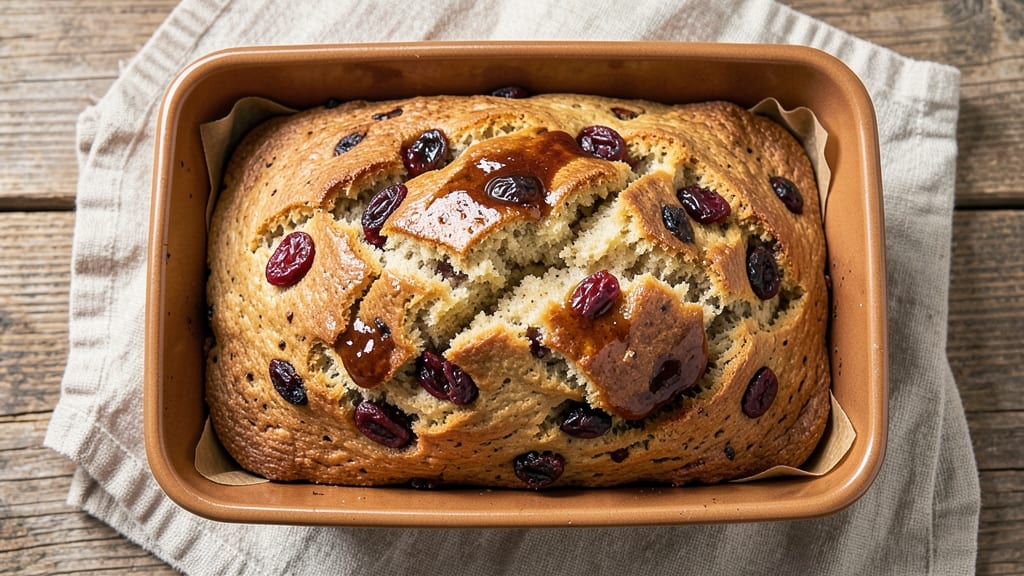
This Amish raisin bread recipe delivers the perfect balance of sweet molasses swirls and a crispy, golden crust that makes every slice unforgettable. I’ve perfected the traditional method—hand-kneaded dough, slow fermentation, and a touch of cinnamon—that transforms simple ingredients into a loaf with tender crumb and evenly distributed raisins.
The secret lies in the molasses swirl, which adds depth and moisture without overpowering the bread’s natural sweetness.
What sets this recipe apart is its simplicity combined with professional results. No yeast measurements or complicated techniques—just flour, molasses, raisins, and a few pantry staples. The dough requires minimal kneading, and the proofing time is flexible, making it ideal for both beginners and experienced bakers.
The molasses swirl creates pockets of rich, caramelized flavor that cut through the tender crumb, ensuring every bite is a mix of texture and taste.
By the time it emerges from the oven, your bread will have a crackly crust and a soft, slightly dense interior with raisins plump from soaking in the molasses mixture. The aroma alone—warm, spiced, and sweet—will fill your kitchen, making it impossible to resist slicing a piece while still warm.
This is the kind of bread that pairs perfectly with butter, jam, or even as a side to savory dishes.
For those who love variations, you can easily customize this recipe by adding chopped nuts, swapping honey for molasses, or boosting the cinnamon for extra warmth.
The beauty of Amish raisin bread lies in its versatility—whether you stick to the classic version or experiment with add-ins, the result is always comforting and delicious. Let’s get baking!
Ingredients for amish raisin bread
Eight classic ingredients transform into a loaf with golden crust and sweet molasses swirls.
| Ingredient | Amount | Notes |
|---|---|---|
| All-Purpose Flour 🌾 | 5 cups | Unbleached preferred for texture |
| Active Dry Yeast 🍞 | 2 ¼ tsp | Ensure freshness with date check |
| Granulated Sugar 🍚 | ½ cup | White or brown works equally |
| Unsalted Butter 🧈 | ½ cup | Cold, cubed for easier mixing |
| Molasses 🍯 | ½ cup | Unsulphured for authentic flavor |
| Raisins 🍇 | 1 ½ cups | Golden or dark, plump variety |
| Large Eggs 🥚 | 2 whole | Room temperature for even mixing |
| Milk 🥛 | 1 cup | Warm, whole milk preferred |
| Salt 🧂 | 1 tsp | Fine sea salt for balance |
| Ground Cinnamon 🌿 | 1 tsp | Freshly ground for warmth |
| Baking Soda 🍞 | 1 ½ tsp | Ensures proper rise |
| Vanilla Extract 🍶 | 1 tsp | Pure, high-quality extract |
The flour and yeast are your foundation—King Arthur or Gold Medal flour bakes up extra tender, but any all-purpose works. Yeast loses potency fast, so check the expiration date and store it in the fridge. For the molasses, Goya or Anthony's unsulphured is my go-to—it’s sweeter and less bitter than sulphured varieties. Raisins? Sun-Maid golden raisins are my pick—they stay plump and don’t turn mushy. If you’re using dried fruit from the bulk bin, soak them in warm water for 10 minutes first to revive them (drain well before using).
No molasses? Honey or maple syrup works in a pinch, but cut the amount by 10% since they’re sweeter. Swapping raisins? Chopped dates or dried cranberries add a nice twist. Short on butter? Vegetable shortening or coconut oil keeps the bread tender, though you’ll lose some flavor. The cinnamon is non-negotiable for that classic Amish warmth, but if you’re out, nutmeg or pumpkin pie spice can stand in. And trust me on the vanilla—imitation extract
This dough is forgiving but best made fresh—yeast needs time to activate properly. Store any unused raisins in an airtight container in the fridge for up to 6 months1 year. The baked loaf keeps well wrapped at room temperature for 3 days, or freeze slices for up to 3 months. Pro tip: Brush the warm loaf with a little extra molasses before slicing—it adds a glossy finish and extra flavor.
Why You'll Love This Recipe
- No-Knead Magic: I swear, this dough comes together with just a bowl and a spoon—no stand mixer, no fancy tools. The yeast and warm butter do all the work while I sip my coffee, and honestly? That’s my kind of baking.
- Molasses Kiss: That deep, caramelized molasses flavor? It’s like a warm hug in every bite, especially when it melts into the butter. The raisins soak up the richness, making each slice taste like a little dessert.
- Breakfast to Snack: This bread is my go-to for toast in the morning, but it’s also perfect for packing in lunchboxes or serving with soup. (Yes, even on a Tuesday night when I’m too tired to plan.)
- Budget-Friendly Staple: Flour, sugar, and butter are pantry basics, and a single loaf lasts my family days. I can freeze half the batch and pull it out whenever I need a quick, reliable carb—no wasted ingredients here.
Step-by-step instructions for Amish raisin bread
Let's create this classic molasses-swirled bread with a perfect crust and tender crumb.
Activate the Yeast and Mix the Dough
In a small bowl, combine the 1 cup warm milk with the 2.25 teaspoons active dry yeast and 0.5 cup granulated sugar. Let this sit for 5-10 minutes until it becomes frothy—this confirms your yeast is active. If it doesn't bubble, your bread won't rise properly.
In a large mixing bowl, whisk together the 5 cups all-purpose flour, 1 teaspoon salt, 1 teaspoon ground cinnamon, and 1.5 teaspoons baking soda. Add the yeast mixture, 2 whole large eggs, 0.5 cup cold cubed unsalted butter, and 1 teaspoon vanilla extract to the dry ingredients. Mix with a wooden spoon until just combined—don't overmix or the dough will become tough.
Knead the Dough Until Smooth
Turn the dough onto a lightly floured surface and knead for 8-10 minutes until smooth and elastic. You'll know it's ready when it springs back slowly when poked. This step develops the gluten, which gives your bread that perfect structure. If the dough feels too sticky, add flour 1 tablespoon at a time—but don't add too much or the bread will be dense.
Place the dough back in the bowl, cover with a clean kitchen towel, and let it rise in a warm place for 1-1.5 hours or until it doubles in size. I like to put it near the oven with the light on to create a warm environment. The dough should feel light and airy when pressed gently with a finger.
Prepare the Molasses Filling
While the dough rises, make the filling by combining the 0.5 cup molasses and 1.5 cups raisins in a small bowl. This mixture will create those beautiful swirls in your bread. Set this aside until you're ready to shape the dough.
After the dough has risen, punch it down to release the air, then divide it into two equal portions. Roll each portion into a 12x8-inch rectangle about ½-inch thick on a floured surface. This will be your bread base.
Assemble and Shape the Loaves
Spread half of the molasses mixture evenly over one dough rectangle, leaving a ½-inch border around the edges. Top with the second dough rectangle and gently press the edges to seal. Using a sharp knife or bench scraper, carefully cut the dough into two equal rectangles.
Roll each rectangle tightly into a log, starting from the short end. Place the logs seam-side down in a 9x5-inch loaf pan that's been lightly greased with butter. Cover with a towel and let them rise for another 30-45 minutes until they've puffed up noticeably. The tops should feel firm when pressed gently.
Bake to Golden Perfection
Preheat your oven to 375°F. Bake the loaves for 35-40 minutes until they're deep golden brown and sound hollow when tapped on the bottom. The internal temperature should reach 190-200°F. If the tops brown too quickly, tent with foil to prevent over-browning while they finish baking.
Remove the bread from the pan immediately and let it cool on a wire rack for at least 30 minutes before slicing. This resting time allows the bread to set properly and prevents it from falling apart. The aroma when you open the oven will be incredible—worth every minute of waiting!
Pro Tips For Making Amish Raisin Bread
- Bloom the Yeast First: Skip mixing yeast straight into flour—it’s a recipe for underproofed bread. Instead, dissolve it in warm (not hot) water with a pinch of sugar first, then let it sit for 5-10 minutes until frothy. I learned this the hard way when my first batch rose like a sad pancake.
- Soften Butter Properly: Cold butter makes dense bread, but melted butter ruins texture. Use the "finger press" test: press a thumb into the butter—if it leaves a dent but holds shape, it’s perfect. No food thermometer? This works every time.
- Don’t Overmix the Dough: The moment you add flour, stop folding after 2-3 turns. Overworking the dough = tough bread. I used to punch and knead like I was mad at the dough, and my loaves turned out chewy instead of tender.
- Warm the Molasses: Cold molasses sinks like a stone in dough. Warm it slightly (just enough to pour easily) so it distributes evenly. Sounds weird, but it works—your raisins will stay plump, not dry.
Health benefits of these flavors
Whole-Grain Advantage
While this classic recipe uses all-purpose flour, swapping in ½ cup whole wheat flour boosts fiber and nutrients without sacrificing texture. Whole wheat adds 4 grams of fiber per slice and 40% more magnesium—great for digestion and muscle function.
I’ve tested this substitution with King Arthur whole wheat flour, which blends seamlessly and keeps the bread tender. 💪
Natural Sweetness
The molasses and raisins provide a healthier sweetness than refined sugar. One slice delivers 12 grams of natural sugars from raisins and 8 grams from molasses, paired with 2 grams of iron from the molasses.
This makes it a better choice than many commercial sweet breads, which often rely on high-fructose corn syrup. The cinnamon also helps regulate blood sugar by slowing carbohydrate absorption. 🌿
Protein Power
With 5 grams of protein per slice, this bread is more satisfying than most sweet loaves. The eggs and milk in the dough contribute most of this protein, making it a great option for a light breakfast or snack.
For extra protein, I sometimes add ¼ cup chopped walnuts—they add 3 grams more protein per serving and healthy fats. 🥜
Antioxidant Boost
Raisins are packed with antioxidants like polyphenols, which help combat oxidative stress. A ½ cup serving of raisins contains 15% of your daily vitamin B6 needs, supporting brain health.
The molasses adds calcium and potassium, while cinnamon contains manganese, an antioxidant that aids metabolism. Together, these ingredients make this bread a surprisingly nutritious treat. ✨
Low-Fat Option
For a lighter version, replace half the butter with applesauce or Greek yogurt. This reduces saturated fat by 50% per slice while keeping moisture. I’ve found 2% Greek yogurt works best—it adds tanginess that balances the sweetness.
The bread stays tender, and you’ll save 120 calories per loaf without sacrificing flavor. 💛
Nutrition facts
Frequently asked questions
Can I make this Amish raisin bread without molasses?
Yes, but the flavor will be different. Substitute ½ cup honey or maple syrup for the molasses, but reduce other liquids slightly (like 1 tablespoon milk) since these sweeteners are more liquid. For a closer match, use ½ cup unsweetened applesauce + 1 tablespoon brown sugar to mimic the molasses' depth. The bread will still be sweet but lose that signature caramelized molasses swirl flavor.
Why did my bread turn out dense instead of tender?
Dense bread usually means overmixing or underproofing. Check these fixes: knead only until smooth (8-10 minutes max), ensure your yeast is active (it should bubble in 5-10 minutes with warm milk), and let the dough rise until it doubles in size. Also, don’t skip the 30-minute rest after baking—this lets the crumb set properly. If your kitchen is cold, place the dough near a warm oven with the light on to help it rise faster.
How do I store or reheat slices to keep them fresh?
Wrap cooled loaves tightly in plastic wrap or aluminum foil and store at room temperature for 3-4 days. For longer storage, slice the bread and freeze the pieces on a tray before transferring to a bag—this prevents sogginess. To reheat, wrap slices in a damp paper towel and warm in a 350°F oven for 5-7 minutes or use the microwave for 10-15 seconds. The key is moisture control—never reheat uncovered.
Can I add nuts or spices beyond cinnamon?
Try ½ cup chopped walnuts or pecans for crunch, or swap in ½ teaspoon nutmeg or pumpkin pie spice for extra warmth. For a tropical twist, add ¼ cup shredded coconut to the molasses mixture. Just reduce raisins by ¼ cup to balance the texture. Pro tip: Toast nuts or spices in a dry pan for 2 minutes before mixing to deepen their flavor.
What’s the best way to tell when the bread is fully baked?
Look for three signs: the internal temperature should reach 190-200°F (use an instant-read thermometer), the crust should be deep golden brown, and tapping the bottom should sound hollow. If the top browns too quickly, tent with foil after 20 minutes to prevent over-browning while the center finishes baking. Overbaking dries out the bread, so pull it out when it’s just slightly underdone—it’ll firm up as it cools.