
Side Dishes
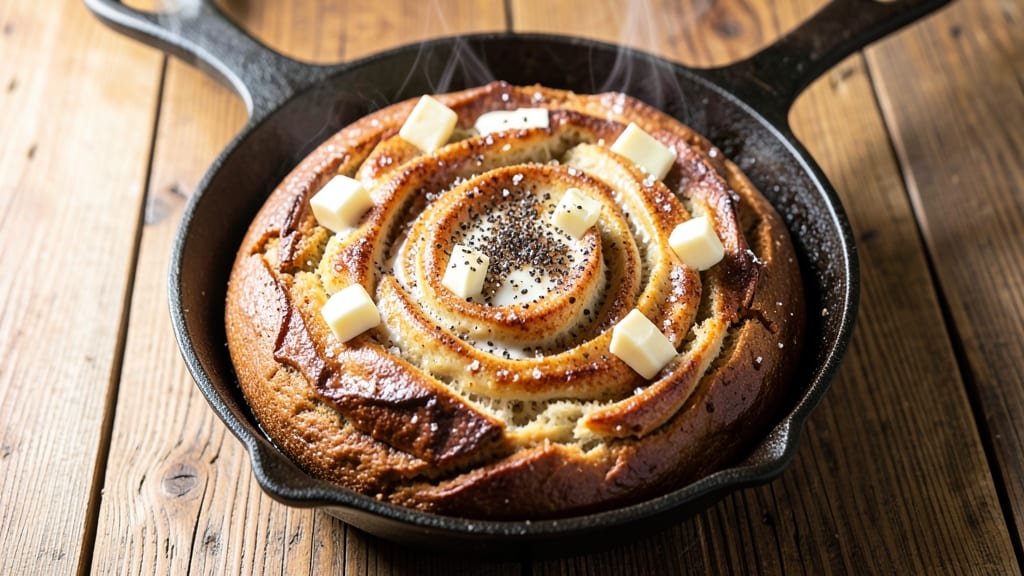
This Amish sourdough cinnamon bread recipe delivers the warm, spiced aroma of a Pennsylvania farmhouse kitchen—crusty edges, tender crumb, and swirls of cinnamon-sugar that taste like home.
The secret lies in a slow-fermented sourdough starter that develops deep flavor, paired with a dough that proofs just enough to create that signature pull-apart texture. I’ve adapted traditional Amish techniques for modern kitchens, ensuring you get restaurant-quality results without the wait.
The beauty of this recipe is its balance: a foolproof sourdough starter method (even if you’re new to fermentation) and a dough that requires minimal handling but maximum flavor. The cinnamon swirl isn’t just decorative—it’s baked into the bread itself, creating pockets of spiced sweetness that stay moist for days.
Perfect for breakfast, gifts, or holiday tables, this bread is the kind that disappears faster than you can slice it.
What sets this apart is the crusty perfection—achieved through precise shaping and baking techniques that give you that coveted golden-brown crust while keeping the interior soft and pillowy.
The cinnamon-sugar mixture isn’t an afterthought; it’s folded into the dough for even distribution, so every bite delivers that warm, comforting spice. Ready in about 3 hours (including proofing), this recipe is worth the time for a bread that feels like a hug.
Whether you’re baking for a family gathering or treating yourself to a homemade loaf, this Amish sourdough cinnamon bread delivers restaurant-quality results with a rustic touch. The starter can be made ahead, and the dough is forgiving enough for beginners but precise enough to impress.
Let’s get baking—your kitchen will smell like heaven before the oven even finishes its cycle.
Ingredients for amish sourdough cinnamon bread
Four cups of flour, a bubbly starter, and warm spice swirls—this is your Amish farmhouse bread in ingredient form.
| Ingredient | Amount | Notes |
|---|---|---|
| Active Sourdough Starter 🍞 | 1 cup | Unfed, bubbly starter (100% hydration) |
| All-Purpose Flour 🌾 | 4 cups | Bread flour preferred for structure |
| Granulated Sugar 🍚 | ½ cup | White or light brown |
| Instant Yeast 🍞 | 2 tsps | For reliable fermentation |
| Unsalted Butter 🧈 | ½ cup | Cold, cubed for mixing |
| Whole Milk 🥛 | ½ cup | Warm for activation |
| Large Egg 🥚 | 1 whole | Room temperature for binding |
| Ground Cinnamon 🌶️ | ¼ cup | High-quality, fresh grind |
| Granulated Sugar 🍚 | ¼ cup | For cinnamon-sugar mix |
| Diamond Crystal Kosher Salt 🧂 | 1 ½ tsps | Fine grain for even distribution |
| Cornmeal 🌽 | ¼ cup | For dusting loaf pan |
| Water 💧 | ½ cup | Room temperature for hydration |
The sourdough starter is non-negotiable here. King Arthur or Bob’s Red Mill organic flour will give you the best structure, but any high-protein bread flour works. For the starter, I always use a 100% hydration ratio—it’s more forgiving for beginners. If you’re new to fermentation, make your starter 24 hours ahead so it’s actively bubbling. The butter should be cold (straight from the fridge) for that tender crumb, but not rock-hard—soften it slightly by cutting into small cubes. The cinnamon? Penzeys or McCormick ground cinnamon has the richest flavor, but anything labeled 'pure' will do.
No bread flour? All-purpose plus 1 tbsp vital wheat gluten gets you close. Short on milk? Warm water plus 1 tbsp powdered milk works in a pinch. The cinnamon-sugar mix can be prepped ahead—store it in an airtight container for up to 2 weeks. For the yeast, if you’re at high altitude, bump it to 2.5 tsps. The egg binds everything together, so don’t skip it—though if you’re avoiding eggs, a flax egg (1 tbsp ground flax + 3 tbsp water) works. The salt is crucial; Diamond Crystal measures differently than table salt, so use the exact amount listed.
This dough keeps beautifully. Shape it into a loaf, cover with a damp towel, and refrigerate overnight for even better flavor—it develops deeper notes. Once baked, store at room temperature for 2-3 days wrapped in a clean kitchen towel. For longer storage, freeze slices individually (they’ll stay fresh for 3 months). The crust gets crunchier as it cools, so slice it warm for that pull-apart texture. Leftovers? Toast them—trust me, they’re even better the second time around.
Why You'll Love This Recipe
- No-Knead Magic: I swear by this recipe because it lets the sourdough starter do all the heavy lifting—no punchy kneading sessions here. Just mix, let it rise overnight, and wake up to a fragrant loaf ready for the oven.
- Buttery Cinnamon Bomb: That swirl of softened butter and sugar in the dough? It’s like a warm hug for your taste buds. The crust gets crisp, the crumb stays soft, and every bite tastes like a bakery’s secret.
- Breakfast or Snack Hero: I make this for lazy mornings with coffee, but it’s also the star of my kids’ lunchboxes—cut into thick slices, toasted, and slathered with peanut butter. Honestly, it’s my go-to for any time of day.
- Budget Baking Win: Using just a cup of butter and basic pantry staples means this recipe won’t break the bank. Plus, the dough keeps well for days, so I bake one batch and stretch it across the week without stress.
Step-by-step instructions for Amish sourdough cinnamon bread
This method delivers a perfectly balanced loaf with a crisp crust, tender crumb, and those signature cinnamon swirls.
Prepare the Sourdough Dough
In a large mixing bowl, combine the 1 cup active sourdough starter, 4 cups all-purpose flour, 0.5 cup granulated sugar, and 1.5 tsps diamond crystal kosher salt. Mix until just combined, then add the 0.5 cup cold unsalted butter cut into small cubes and the 0.5 cup warm whole milk. Mix until the butter is fully incorporated and the dough begins to come together.
Add the 1 whole large egg and continue mixing until the dough pulls away from the sides of the bowl. If the dough feels too sticky, add 1 tablespoon of all-purpose flour at a time until it reaches a soft but manageable consistency. Cover the bowl with a damp towel and let the dough rest for 30 minutes at room temperature. This resting period allows the gluten to relax, making it easier to handle and ensuring a lighter texture.
Create the Cinnamon Swirl Filling
In a small bowl, mix together the 0.25 cup ground cinnamon and 0.25 cup granulated sugar until evenly combined. This will be your cinnamon-sugar filling. Set aside until ready to use.
After the dough has rested, turn it out onto a lightly floured surface and gently knead it for 2-3 minutes until smooth. Roll the dough into a 12x8-inch rectangle, about ¼-inch thick. Spread the cinnamon-sugar mixture evenly over the surface of the dough, leaving a ½-inch border around the edges. Roll the dough tightly into a log, starting from one of the long sides, and pinch the seam to seal.
Shape and Proof the Loaf
Place the sealed cinnamon log seam-side down in a greased 9x5-inch loaf pan. Cover the pan with a damp towel and let the dough proof in a warm place for 1-1.5 hours, or until the dough has risen to about 1 inch above the rim of the pan. The dough should look slightly puffy and feel springy when gently pressed.
While the dough proofs, preheat your oven to 375°F. Lightly dust the top of the dough with 0.25 cup cornmeal just before baking. This will create a beautiful, crispy crust and prevent sticking. Bake the loaf for 45-50 minutes, until the top is deep golden brown and the internal temperature reaches 190°F when measured with an instant-read thermometer.
Cool and Serve
Remove the loaf from the oven and let it cool in the pan for 10 minutes. Then, transfer it to a wire rack to cool completely before slicing. This resting period ensures the bread holds its shape and the interior sets properly.
Slice the loaf into ½-inch thick pieces for that classic Amish cinnamon bread experience. The crust should be crisp and golden, while the interior should be soft and lightly sweet with pockets of cinnamon-sugar swirls throughout. Serve warm with a pat of butter or a drizzle of honey for the perfect balance of flavors.
Pro Tips For Making Amish Sourdough Cinnamon Bread
- Weigh Your Flour: DESCRIPTION:
- Chill the Dough: DESCRIPTION:
- Brush Butter Slowly: DESCRIPTION:
- Proof at Room Temp: DESCRIPTION:
Dietary considerations for this recipe
Gluten-Free Adaptations
For a gluten-free version, replace the all-purpose flour with a 1:1 gluten-free flour blend like King Arthur Measure for Measure or Bob’s Red Mill 1-to-1. Add 1 tbsp xanthan gum to the dough to mimic gluten’s structure.
The dough will be stickier, so use a stand mixer with a dough hook for 3 minutes to fully incorporate. Proofing time may extend to 2 hours due to slower fermentation in gluten-free flours. 🌾
Dairy-Free Substitutions
Swap the whole milk for unsweetened almond milk or oat milk—both work well without altering texture. Replace the butter with vegan butter (like Miyoko’s) or coconut oil (solid at room temp).
For richness, add 1 tbsp melted coconut oil to the dough. The cinnamon-sugar swirl remains unchanged, but the crust may be slightly less tender. 🥛
Refined Sugar Alternatives
Reduce the granulated sugar by 20% and replace it with coconut sugar or maple syrup for a lower-glycemic option. For the cinnamon-sugar mix, use monk fruit sweetener (like Lakanto)—measure 1:1 by volume.
Note that coconut sugar caramelizes faster, so watch the oven closely for golden-brown crusting at 375°F. 🍯
Egg-Free Binding
Replace the egg with a flax egg (1 tbsp ground flaxseed + 3 tbsp water, mixed and rested for 5 minutes) or chickpea aquafaba (3 tbsp). The dough may feel slightly gummy, so knead for an extra 1-2 minutes to strengthen the gluten.
Proofing time stays the same, but the loaf’s rise might be slightly less dramatic. 🥚
Lower-Sugar Option
Cut the granulated sugar in half (to ¼ cup total) and boost the cinnamon to ½ cup for deeper flavor. Use stevia or erythritol (like Swerve) in the cinnamon-sugar mix—measure 1:1 by weight.
The bread will be less sweet but still aromatic, with a spicier kick. Pair it with Greek yogurt or nut butter to balance flavors. 🍫
Allergen-Friendly Tips
For nut-free kitchens, ensure your cinnamon isn’t processed in shared facilities (check McCormick Pure Cinnamon labels). If avoiding dairy + eggs, use aquafaba for binding and olive oil instead of butter.
Store-bought gluten-free flours often contain soy or oats—opt for certified gluten-free oats if needed. Always double-check labels for cross-contamination warnings. ✨
Nutrition facts
Frequently asked questions
Do I need an active sourdough starter for this recipe?
Yes, this recipe requires a 100% hydration sourdough starter that's actively bubbly. If you're new to fermentation, make your starter 24 hours ahead to ensure it's ready. You can find simple starter recipes online or use a store-bought version if needed. The starter provides that signature tangy depth that makes this bread special.
Can I make this bread without a loaf pan?
Shape the dough into a free-form loaf or braid by dividing it into three sections. Braid them together, place on a parchment-lined baking sheet, and bake at 375°F for 35-40 minutes. For extra crispiness, brush the top with melted butter during the last 5 minutes of baking. The texture will be slightly different but still delicious.
Why does my dough smell like alcohol?
That's completely normal! The sourdough starter produces natural fermentation byproducts, including trace amounts of alcohol and acetic acid (vinegar smell). This is actually a sign your starter is working properly. For a milder taste, reduce proofing time slightly or use a smaller portion of starter. The smell dissipates as the bread bakes.
How can I tell when the bread is fully baked?
Look for a deep golden-brown crust and use an instant-read thermometer to check the internal temperature—it should reach 190°F. Tap the bottom of the loaf: if it sounds hollow, it's done. The edges should pull away slightly from the pan. For extra assurance, let it cool for 10 minutes before removing from the pan.
Can I make this ahead of time?
Yes! Shape the loaf and refrigerate it overnight for even deeper flavor. The next morning, let it proof at room temperature for 1-1.5 hours before baking. You can also bake it a day ahead and store it wrapped at room temperature for 2-3 days. For longer storage, freeze slices individually—they'll stay fresh for 3 months.