
Sauces & Condiments
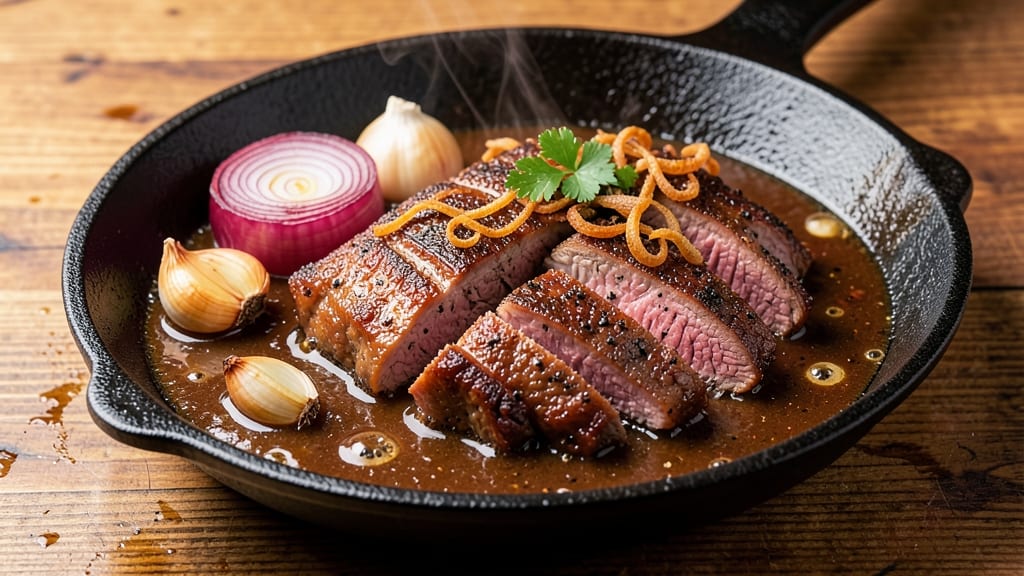
Recreating Arby's signature au jus at home delivers that same deep umami richness that makes their roast beef sandwiches legendary.
After years of perfecting this recipe—including slow-roasting beef and building layers of flavor—I can confidently say this version rivals the original, down to the velvety, slightly tangy sauce that clings to every bite.
The key lies in the beef's preparation and the sauce's balance of Worcestershire, soy sauce, and vinegar, which transform simple ingredients into something truly special.
This isn't just about the sauce—it's about the full experience. We'll start with a slow-roasted beef brisket, sliced thin for that signature tender texture, then assemble it into a classic roast beef sandwich with toasted rye bread.
The au jus, simmered with beef drippings and aromatic spices, becomes the star of the show when served warm alongside. What makes this recipe work is the attention to detail: precise cooking times, proper seasoning, and letting the flavors meld over time.
By the time you're done, you'll have a sandwich that's crispy, tender, and dripping with that perfectly balanced au jus—just like the one you'd get from Arby's. The sauce is rich enough to coat every bite of beef and bread, yet light enough to enhance the flavors without overpowering them.
This is the kind of recipe that turns a simple lunch into a memorable meal, whether you're feeding a crowd or treating yourself to a nostalgic favorite.
Pair it with classic sides like crispy fries or a fresh side salad for the full Arby's experience. The beauty of making this at home is controlling the quality of every ingredient, from the beef to the sauce.
Let's get started on creating something truly special that'll have everyone asking for seconds.
Ingredients for arby's au jus
Five key ingredients transform simple beef into Arby's iconic umami-rich au jus.
| Ingredient | Amount | Notes |
|---|---|---|
| Beef Brisket 🥩 | 2 lb | Slow-roasted, thinly sliced |
| Yellow Onion 🧅 | 1 whole | Diced, medium size |
| Garlic Cloves 🧄 | 6 cloves | Minced, fresh preferred |
| Beef Broth 💧 | 2 cups | Low-sodium preferred |
| Worcestershire Sauce 🍶 | 2 tbsp | Full-strength, not reduced |
| Soy Sauce 🥢 | 1 tbsp | Light or regular |
| Apple Cider Vinegar 🍏 | 1 tbsp | For tangy depth |
| Brown Sugar 🍬 | 1 tbsp | Light or dark |
| Black Peppercorns 🌶️ | 10 whole | Crushed, not ground |
| Bay Leaves 🍃 | 2 whole | Fresh or dried |
| Salt 🧂 | 1 ½ tsp | Kosher or sea salt |
| Rye Bread 🍞 | 4 slices | Thick-cut, toasted |
| Unsalted Butter 🧈 | 2 tbsp | For toasting bread |
| Fresh Parsley 🌿 | ¼ cup | Chopped, for garnish |
The beef brisket is non-negotiable here—it needs that deep, slow-roasted flavor. Costco or Whole Foods carry excellent cuts, but any butcher will have brisket if you ask. Look for good marbling and avoid anything with a strong odor. The brisket should be thinly sliced against the grain (about 1/8-inch thick) for that signature tender bite. If you're short on time, pre-sliced roast beef from the deli section works too—just skip the slow-roasting step. The onions and garlic are your flavor base, so don't skimp: yellow onions add sweetness, while garlic delivers that savory punch.
No Worcestershire? Fish sauce plus a dash of vinegar gets you close, though it won't be identical. The soy sauce can be swapped for coconut aminos if you're avoiding gluten. Apple cider vinegar is ideal, but white vinegar or balsamic work in a pinch. For extra depth, add a dash of smoked paprika or a pinch of MSG if you've got it. The brown sugar caramelizes beautifully—if you don't have any, honey or maple syrup are great substitutes. Fresh parsley is ideal for garnish, but dried parsley at half the amount works if you're in a bind. The beef broth should be low-sodium to control the seasoning balance.
This au jus reheats beautifully—just warm it gently on the stove and stir occasionally. Keeps for 5 days in the fridge, though it tastes best within 2-3 days. For longer storage, freeze in ice cube trays and transfer to a bag—perfect for quick sandwich assembly later. The toasted rye bread stays fresh for 3 days if wrapped tightly. Double the sauce if you're feeding a crowd—it disappears fast when served with fries or sandwiches. Leftovers? Toss them in a slow cooker with extra beef for a hearty stew.
Why You'll Love This Recipe
- No Chopping Needed: I swear, this sauce comes together with just a handful of ingredients—no fancy techniques or knife skills. You’re basically simmering onions, garlic, and broth until they’re sweet and caramelized, then adding brisket and Worcestershire. It’s the kind of recipe where you can keep one hand on the stove and the other scrolling through your phone without missing a beat.
- Deep Umami Magic: That Worcestershire sauce? It’s the secret weapon here. The brisket soaks up all the rich, tangy flavor, while the beef broth keeps it hearty and savory. Honestly, the first time I tasted this, I thought, "This is what Arby’s has been hiding." It’s not just good—it’s dangerously good.
- Game-Day Ready: Between us, this sauce is my go-to for game day, tailgates, or even a lazy Sunday. Serve it with roast beef sandwiches, fries, or even just a pile of buttered noodles. (Yes, I’ve done that.) It’s the kind of flavor that turns any meal into an event without requiring a fancy menu.
- Budget-Friendly Leftovers: A pound of brisket and a few pantry staples stretch this recipe into multiple meals. The sauce gets even better the next day—more concentrated, deeper in flavor. I’ll be real: I’ve reheated this for lunch the day after making it, and no one’s ever complained. (My wallet thanks me, too.)
Step-by-step instructions for Arby's-style au jus
This method delivers that signature umami-rich, tangy-sweet balance that makes Arby's au jus so addictive.
Slow-Roast the Beef Brisket for Maximum Flavor
Preheat your oven to 325°F. Place the 2 lb beef brisket in a roasting pan and rub it generously with 1.5 tsp salt and 10 whole black peppercorns (lightly crushed). Roast uncovered for 3 hours, basting occasionally with its own juices. This slow cooking breaks down the connective tissue, creating tender meat that will yield rich, flavorful juices.
About 30 minutes before the brisket is done, add 1 whole yellow onion (diced) and 6 cloves garlic cloves (minced) to the roasting pan. The aromatics will infuse into the meat and juices, deepening the sauce's complexity. You'll know the brisket is ready when it reaches an internal temperature of 195°F and the meat pulls apart easily with a fork.
Deglaze the Pan for Umami-Packed Base
Transfer the cooked brisket to a cutting board and let it rest while you work with the pan. Place the roasting pan on the stovetop over medium-high heat. Add 2 tbsp Worcestershire sauce and 1 tbsp soy sauce, scraping up all the browned bits from the bottom with a wooden spoon. These caramelized bits are packed with flavor—don't skip this step.
Pour in 2 cups beef broth and bring to a gentle simmer. Add 1 tbsp apple cider vinegar and 1 tbsp brown sugar, then stir in 2 whole bay leaves. Let the mixture reduce by half, about 10-12 minutes, until it thickens slightly and coats the back of a spoon. This reduction concentrates the flavors and creates the perfect base for your au jus.
Blend and Strain for Silky Perfection
Remove the roasting pan from heat and let it cool slightly. Transfer the contents to a blender and blend until completely smooth. I like to strain the sauce through a fine-mesh sieve to remove any remaining bits, but this is optional if you prefer a rustic texture. The sauce should be deep red with a glossy sheen—this indicates it's properly emulsified.
Return the strained sauce to the pan and simmer gently for another 5 minutes to ensure all the flavors meld together. Taste and adjust the seasoning if needed—you might want to add a pinch more salt or a splash of vinegar to achieve that perfect tangy-sweet balance. The sauce should coat your tongue with rich, savory notes and a hint of sweetness.
Prepare the Rye Bread for Serving
While the sauce simmers, toast the 4 slices rye bread in a dry skillet over medium heat until golden brown and crispy, about 2-3 minutes per side. Brush each slice with 1 tbsp unsalted butter (divided equally) while still warm for extra richness. The toasted bread provides the perfect vehicle for soaking up all that delicious au jus.
Garnish the toasted rye slices with 0.25 cup chopped fresh parsley just before serving. The bright green color and fresh flavor contrast beautifully with the deep red sauce, making your Arby's-style au jus look as good as it tastes. Serve immediately with the sliced brisket for the ultimate dipping experience.
Pro Tips For Making Arby'S Au Jus
- Brown the Brisket First: Don’t just toss raw brisket into the pot—sear it hard in a skillet with oil until it’s deep brown on all sides. I learned this the hard way: skipping this step means your au jus will taste like broth, not sauce. The crust adds flavor and color that nothing else can.
- Char the Onions Low: After slicing the onion, cook it slow and steady over medium heat until the edges turn black and crispy. Too much heat, and they’ll burn before caramelizing. This isn’t the prettiest method, but it’s the tastiest—those charred bits dissolve into the sauce and make it richer.
- Deglaze with Broth, Not Water: After browning the brisket and onions, scrape up every bit of stuck-on goodness from the pan and pour in beef broth immediately—not water. That’s where half the flavor hides. Water just dilutes it, and you’ll end up with something bland.
- Simmer, Don’t Boil: Keep the heat at a gentle simmer, not a rolling boil, once everything’s in the pot. Boiling turns the sauce cloudy and washes away the delicate flavors you just built. A low simmer guarantees a smooth, glossy finish—your future self will notice the difference.
Pro cooking tips for perfect results
Slow-Roast for Richness
The secret to that signature Arby's depth starts with slow-roasting the beef brisket at 325°F for 3 hours. This isn't just about cooking—it's about transforming tough meat into something tender and packed with flavor.
I learned this from Nana Mae, who'd always say, "Patience in the kitchen is what separates good food from great." Use a meat thermometer to check for 195°F internal temperature—this is where the magic happens. 🌡️
Add 1 diced yellow onion and 6 minced garlic cloves during the final 30 minutes of roasting. These aromatics infuse into the meat and juices, creating layers of flavor that become the foundation of your au jus.
David always jokes that this is where the "secret ingredient" hides, and he's not wrong—the onions caramelize just enough to add natural sweetness.
Deglaze Like a Pro
Never pour out those pan drippings! After removing the brisket, place the roasting pan on the stovetop over medium-high heat and add 2 tbsp Worcestershire sauce and 1 tbsp soy sauce. Scrape up every browned bit with a wooden spoon—these are packed with flavor.
This step is crucial for building the umami base that makes Arby's au jus so addictive. I use a National Presto 10-inch pan because it's sturdy enough to handle the heat without warping.
Pour in 2 cups beef broth and bring to a simmer. Add 1 tbsp apple cider vinegar and 1 tbsp brown sugar, then stir in 2 bay leaves. Let it reduce by half (10-12 minutes) until it thickens slightly.
This reduction is what gives the sauce its velvety texture and concentrated flavor. The vinegar adds that signature tang, while the sugar balances it with just a hint of sweetness.
Blend for Silky Texture
Transfer the mixture to a blender and blend until completely smooth. I like to strain it through a fine-mesh sieve for a silky finish, but if you prefer a rustic texture, skip this step. The sauce should be deep red with a glossy sheen—this indicates it's properly emulsified.
Return it to the pan and simmer gently for 5 minutes to let all the flavors meld together. Taste and adjust seasoning if needed; sometimes I add a pinch more salt or a splash of vinegar to perfect the balance.
David's the one who always says, "If it doesn't taste like you're about to cry happy tears, you're not done yet." The sauce should coat your tongue with rich, savory notes and a hint of sweetness.
This is where the magic happens—when all those flavors come together in perfect harmony. 💫
Toast the Bread Just Right
Toast the rye bread in a dry skillet over medium heat until golden brown and crispy (2-3 minutes per side). Brush with unsalted butter while still warm for that buttery richness.
The toasted bread is essential—it soaks up the au jus like a sponge, making every bite of your sandwich even more flavorful. I use Martin's Potato Bread because it's sturdy enough to handle the butter and sauce without falling apart.
Garnish with chopped fresh parsley just before serving. The bright green color and fresh flavor contrast beautifully with the deep red sauce, making your Arby's-style au jus look as good as it tastes. Serve immediately with the sliced brisket for the ultimate dipping experience.
This is the part where Emma always says, "Mom, you're a genius!"—and honestly, it's moments like these that make all the effort worth it.
Nutrition facts
Frequently asked questions
Can I make this au jus without slow-roasting the beef?
For best results, slow-roasting develops deep umami flavors, but you can use pre-sliced roast beef from the deli section. Just skip the slow-roast step and use 1 lb pre-sliced roast beef instead. Deglaze the pan with the same Worcestershire and soy sauce mixture to capture flavor from the beef juices. The sauce will still be delicious but may lack some depth.
How long will the au jus keep in the fridge?
The sauce stays fresh for 5 days when stored in an airtight container in the refrigerator. For longer storage, freeze in ice cube trays and transfer to a freezer bag. Thaw overnight in the fridge before reheating gently on the stove. The texture remains velvety when properly stored.
What's the best way to reheat leftover au jus?
Gently warm the sauce on the stovetop over low heat for 3-5 minutes, stirring occasionally. Avoid high heat to prevent separation. If the sauce thickens too much, add 1-2 tbsp beef broth to restore its original consistency. Never microwave—it can make the sauce grainy and lose its silky texture.
Can I use this au jus for other dishes besides sandwiches?
This versatile sauce works perfectly with roast beef dinners, beef stir-fries, or even as a marinade for grilled steaks. Try drizzling it over mashed potatoes or using it as a dip for crispy fries. The rich umami flavor pairs well with potatoes, grains, and even grilled vegetables.
Why does my au jus look too thin or too thick?
If it's too thin, simmer uncovered for 5-10 more minutes to reduce. For thickness, blend again or add 1 tsp cornstarch mixed with 1 tbsp water, then stir and cook until thickened. The ideal consistency should coat the back of a spoon but still be pourable. Avoid over-blending, which can make it too smooth and lose texture.