
Snacks
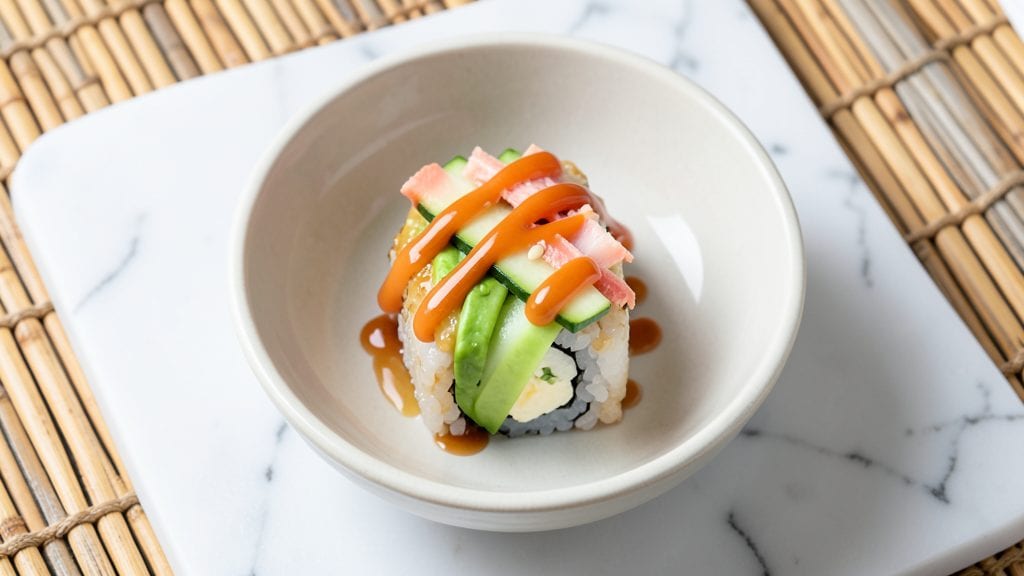
This authentic California roll recipe captures the essence of West Coast sushi—where fresh avocado, crisp cucumber, and delicate crab meet perfectly seasoned rice in a harmonious bite. The inside-out technique, a hallmark of California rolls, transforms traditional sushi into a crowd-pleasing favorite that balances texture and flavor.
I've perfected this method after years of experimenting, ensuring every roll delivers that signature crunch and buttery avocado richness.
The foundation of any great California roll lies in the rice—short-grain sushi rice seasoned with a precise blend of rice vinegar, sugar, and salt, then cooled to the perfect sticky yet firm consistency.
While traditional sushi rolls use raw fish, this version replaces it with imitation crab sticks, making it accessible without sacrificing authenticity. The secret to a successful roll? Gentle but firm pressure while wrapping the nori sheet, ensuring even slices that showcase the vibrant layers inside.
What sets this recipe apart is the attention to detail in every step—from preparing the rice to assembling the roll with precision. The cucumber adds refreshing crunch, while the avocado brings creamy richness, all wrapped in a delicate sheet of nori.
The result is a visually striking roll that's as pleasing to the eye as it is to the palate, with optional garnishes like sesame seeds or tobiko adding an extra touch of elegance.
Whether you're serving this as an appetizer at a dinner party or preparing a batch for a sushi night in, this recipe delivers restaurant-quality results at home. The key is patience—taking the time to season the rice properly, layer the ingredients carefully, and roll with confidence.
Once you master this technique, you'll never buy California rolls again.
Ingredients for authentic california roll
Fresh avocado, crisp cucumber, and delicate crab meet perfectly seasoned rice for this authentic California roll.
| Ingredient | Amount | Notes |
|---|---|---|
| Short-Grain Sushi Rice 🍚 | 2 cups | Uncooked, Japanese short-grain preferred |
| Rice Vinegar 🍶 | ½ cup | Seasoned, for rice seasoning blend |
| Granulated Sugar 🍚 | 2 tbsp | For rice seasoning blend |
| Diamond Crystal Kosher Salt 🧂 | ½ tsp | Fine grain for rice seasoning |
| Fresh Avocado 🥑 | 1 whole | Ripe, pitted, sliced into thin strips |
| English Cucumber 🥒 | 1 whole | Seedless, peeled, julienned |
| Imitation Crab Sticks 🦞 | 8 oz | Surimi, cut into thin strips |
| Nori Sheets 🍣 | 4 whole | High-quality, 7-inch sheets |
| Sesame Seeds 🌾 | 1 tbsp | White or black, toasted |
| Tobiko Roe 🐟 | 2 tbsp | Optional garnish, for visual appeal |
| Sesame Oil 🫒 | 1 tsp | For rice seasoning blend |
| Vegetable Oil 🫒 | 1 tsp | For nori sheet coating |
| Lime Juice 🍋 | 1 tbsp | Freshly squeezed, for garnish |
The foundation begins with short-grain sushi rice—Koshihikari or Calrose are ideal, available at specialty grocery stores like Whole Foods or Asian markets. Avoid long-grain varieties, as they lack the necessary stickiness. For rice vinegar, Mizkan is a reliable brand, but any seasoned rice vinegar will suffice. The Diamond Crystal kosher salt is preferred for its fine grain, which dissolves evenly into the rice seasoning blend. When selecting avocados, choose ones with deep green skin and slight give when gently pressed—Whole Foods or local farmers' markets often carry the freshest varieties.
No imitation crab sticks? Fresh crab meat or lobster can substitute, though texture will differ. For cucumbers, English cucumbers provide the best crunch, but seedless Persian cucumbers work in a pinch. If nori sheets prove difficult to find, sushi supply stores like SushiSwap or Amazon offer high-quality options. The sesame seeds should be toasted lightly in a dry pan for enhanced flavor—white sesame seeds are traditional, but black sesame adds a striking visual contrast. For the tobiko roe, frozen works fine if thawed properly, but fresh yields the best color and texture.
Store uncooked rice in an airtight container in a cool, dry place for up to 6 months. Once seasoned, rice should be used within 2 days when refrigerated. Nori sheets remain fresh for 3 months in their original packaging if kept sealed. Avocados should be stored whole and cut only when ready to use, as they brown quickly—lime juice helps preserve their vibrant green color. Roll ingredients should be prepped just before assembly to maintain crispness. Leftover rolls keep well in the fridge for 1 day, though texture may soften.
Why You'll Love This Recipe
- No Rice Burn Here: I’ve made this roll dozens of times—no overcooked rice, no sticky mess. The secret’s in the vinegar-sugar-salt mix (just 5 minutes of steaming), and that avocado stays creamy, not mushy, because you slice it last. Honestly, even my first attempt looked like a pro’s.
- Creamy Crunch Magic: That buttery avocado wrapped in crisp rice? It’s the kind of bite you’ll crave again. The salted vinegar rice cuts through the richness, and the texture—smooth inside, firm outside—is exactly what makes sushi feel special without the fuss.
- Lunchbox Superstar: Between us, this is my go-to for work lunches or kids’ school snacks. Roll it up the night before, slice it fresh in the morning, and it holds together like a dream. (Yes, even on a Tuesday night when I’m exhausted.)
- Budget-Friendly Luxury: Fresh avocado is the splurge, but a single one stretches across two rolls. The rice? A bag lasts forever. I’ll be real: it’s cheaper than takeout, and I’ve never once regretted making it myself. Leftovers? They disappear faster than I can say “more wasabi.”
Step-by-step instructions for authentic California roll recipe
Master the inside-out technique that defines California rolls with crisp cucumber and creamy avocado.
Prepare the Seasoned Sushi Rice
Rinse the 2 cups short-grain sushi rice under cold water until the water runs clear, then drain completely. In a small bowl, combine the 0.5 cup rice vinegar, 2 tablespoons granulated sugar, 0.5 teaspoon diamond crystal kosher salt, and 1 teaspoon sesame oil. Whisk until fully dissolved to create the seasoning blend.
Transfer the drained rice to a pot and add 2.5 cups water (for proper rice-to-water ratio). Bring to a boil over high heat, then reduce to low, cover, and simmer for 15 minutes. Turn off the heat and let it steam for another 10 minutes. Gently fold in the seasoning blend using a cutting motion with a rice paddle until evenly distributed and slightly glossy. The rice should be warm but not hot to the touch when ready for rolling.
Prep Fillings and Cutting Board Setup
Slice the 1 whole fresh avocado lengthwise, remove the pit, and carefully peel to reveal the flesh. Cut into thin strips (about 1/8-inch thick) and arrange on a plate with the 1 whole english cucumber. Peel the cucumber and julienne it into matchstick-thin strips. Cut the 8 ounces imitation crab sticks into 1/4-inch wide strips—these should be uniform in size for even rolling.
Arrange all fillings in separate piles on your cutting board: avocado strips, cucumber strips, and crab sticks. Keep the 4 whole nori sheets nearby, along with the 1 tablespoon sesame seeds and 2 tablespoons tobiko roe reserved for garnish. A bamboo rolling mat is essential for this step—place it on your board with the seam side facing up for smooth rolling.
Assemble the California Rolls Inside-Out
Place a nori sheet on the bamboo mat with the shiny side facing down. Spread a thin, even layer of the seasoned sushi rice over the nori, leaving a 1-inch border at the top. Using your fingers, gently press the rice to adhere to the nori while keeping it loose enough to roll. This border will eventually be folded under to seal the roll.
Arrange a line of cucumber strips horizontally across the rice, about 1 inch from the bottom edge. Add a line of avocado strips just above the cucumber, followed by a line of crab sticks above the avocado. The order matters—cucumber closest to the nori prevents the rice from sticking directly to it. Fold the bottom border of the nori up and over the fillings, then tightly roll the mat away from you using firm but gentle pressure. Repeat with remaining nori sheets and fillings.
Slice and Garnish for Presentation
Carefully remove each completed roll from the bamboo mat and place on a cutting board. Using a sharp, wet knife (dip between slices), cut each roll into 6 equal pieces. The wet knife prevents the rolls from tearing and ensures clean cuts. Arrange the sliced rolls on a serving platter, seam-side down for stability.
Drizzle each roll with the 1 tablespoon lime juice for brightness, then sprinkle evenly with the 1 tablespoon sesame seeds and 2 tablespoons tobiko roe. For an authentic touch, lightly brush the nori edges with a tiny amount of the 1 teaspoon vegetable oil to enhance their crispness. Serve immediately with soy sauce and wasabi on the side for dipping.
Pro Tips For Making Authentic California Roll
- Rinse Rice Twice: I learned this the hard way—skipping an extra rinse leaves your rice gummy and sticky. After cooking, spread the rice in a shallow tray and fan it for 2 minutes. The slight dryness makes rolling so much easier.
- Salt the Vinegar Mix: That rice vinegar-sugar mix needs a pinch of Diamond Crystal salt (about ¼ teaspoon per ¼ cup liquid). It balances the sweetness and cuts through the avocado’s richness—trust me, your roll will taste more cohesive.
- Avoid Overstuffed Rolls: California rolls are light, not dense. Pack the avocado and crab (if using) in a single line—no piling. Overfilling makes the roll collapse when sliced, and nobody wants a messy bite.
- Use a Mandoline for Avocado: Sounds weird, but it works: slice the avocado into ⅛-inch strips with a mandoline. Uniform thickness means even distribution in every bite, and the clean cuts look restaurant-worthy. (Yes, even if you’re impatient like me.)
Wine and beer pairings for this dish
Crisp White Wine
California rolls pair beautifully with dry Riesling or Sauvignon Blanc—their bright acidity cuts through the creamy avocado and balances the mild sweetness of the rice. I recommend a Washington State Riesling like Chateau Ste. Michelle for its crisp apple and citrus notes that complement the cucumber's refreshing crunch.
Serve slightly chilled (45-50°F) to enhance the wine's freshness and let its mineral finish cleanse your palate between bites. 🍷
Light Japanese Sake
For an authentic touch, serve dry junmai sake like Dassai or Kubota—these premium options highlight the delicate flavors without overpowering. The subtle umami notes in sake enhance the nori and crab, while its crisp finish mirrors the roll's texture.
Keep it chilled (40-45°F) and pour in small servings to preserve its delicate aroma. A single glass per roll is perfect for balancing the meal.
Hoppy IPA Balance
If you prefer beer, a West Coast IPA like Stone Delicious IPA or Sierra Nevada Pale Ale provides a refreshing contrast. The citrusy hops in these beers mirror the lime garnish and avocado's buttery richness, while the malt backbone stands up to the rice.
Serve at 45°F to soften the bitterness and let the hoppy aroma complement the roll's fresh ingredients. 🍺
Sparkling Cider Pairing
A dry sparkling apple cider like Martinelli's or Woodchuck Hard Cider adds a festive touch while keeping the meal light. The effervescence cleanses your palate between bites, and the apple notes harmonize with the cucumber.
Serve at 40-45°F for a crisp, refreshing sip that enhances the roll's fresh ingredients without competing for attention.
Umami-Spiked Sake Cocktail
For a creative twist, mix 1.5 oz dry sake, 0.5 oz soy sauce, and a splash of yuzu juice for a cocktail that mirrors the roll's flavors. The umami depth from the soy sauce enhances the crab and nori, while the yuzu adds a bright citrus note.
Serve over ice in a chilled coupe glass to elevate your California roll experience with a sophisticated sip. 💫
Nutrition facts
Frequently asked questions
Why is cucumber placed closest to the nori in a California roll?
The cucumber acts as a natural barrier to prevent the sticky rice from sticking directly to the nori sheet. This inside-out technique ensures clean slices and maintains the roll's structure. Without it, the rice would adhere to the nori, making rolling and cutting much more difficult.
Can I use fresh crab instead of imitation crab sticks?
Fresh lump crab meat or snow crab legs work beautifully for an elevated version. Simply chop the meat into small, even pieces and follow the same assembly steps. Fresh crab adds a luxurious texture, but imitation crab makes this recipe more accessible for home cooks.
How do I keep the avocado from browning in the roll?
Prevent browning by tossing the sliced avocado with a tiny bit of lime juice before assembling the roll. Also, work quickly when layering ingredients and keep the completed rolls covered until serving. For extra freshness, sprinkle additional lime juice over the finished rolls just before eating.
What's the best way to store leftover California rolls?
Store in an airtight container with parchment paper between layers to prevent sticking. They'll keep in the fridge for up to 24 hours, though texture may soften slightly. For best results, enjoy fresh or reheat gently in a steamer for 30 seconds to restore crispness.
Can I make California rolls without a bamboo mat?
Yes! Use a clean kitchen towel or plastic wrap as a substitute. Roll tightly while applying even pressure—just be prepared for slightly less control over the shape. The key is firm but gentle rolling to maintain the roll's structure without crushing the fillings.