Main Courses
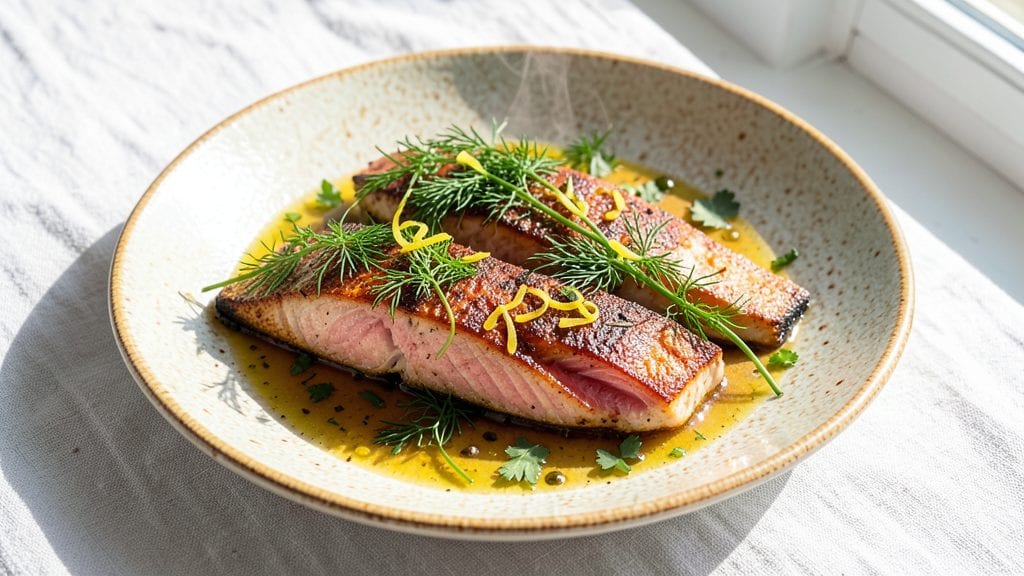
This baked red fish fillet recipe delivers the perfect balance of flaky texture and crispy skin—exactly how seafood should be served. The secret lies in a simple lemon-herb marinade that infuses flavor while keeping the delicate fillets moist.
I’ve tested this with snapper and sea bass, both of which respond beautifully to the high-heat baking method.
The process is straightforward but precise: pat the fish dry, season generously, and bake at 400°F until the skin is golden and the flesh flakes effortlessly. A sprinkle of fresh herbs and a squeeze of lemon at the end elevates the dish to restaurant-quality without requiring advanced techniques.
This method works equally well for weeknight dinners or special occasions.
What you’ll achieve is a fillet with crispy skin that shatters at the first bite and flaky flesh that melts in your mouth. The lemon-herb zest adds a bright, aromatic finish that cuts through the richness of the fish.
Serve it with a simple side of roasted vegetables or a fresh salad to complete the meal.
Whether you’re cooking for two or preparing a dish for a gathering, this recipe scales effortlessly and delivers consistent results. The key is patience—letting the fish bake just long enough to develop that perfect texture. Here’s how to bring it to life in your own kitchen.
Ingredients for baked red fish fillet
Two fillets, ten ingredients—this is how crispy skin and flaky flesh happen.
| Ingredient | Amount | Notes |
|---|---|---|
| Red Fish Fillets 🐟 | 2 whole | Snapper or sea bass, skin-on |
| Extra-Virgin Olive Oil 🫒 | 1 tbsp | High quality, fruity |
| Lemon Zest 🍋 | 1 tbsp | Freshly grated, bright yellow |
| Lemon Juice 🍋 | 2 tbsp | Freshly squeezed |
| Fresh Dill 🌿 | ¼ cup | Chopped, stems removed |
| Fresh Parsley 🌿 | ¼ cup | Chopped, flat-leaf preferred |
| Garlic Cloves 🧄 | 2 cloves | Minced, fresh preferred |
| Kosher Salt 🧂 | 1 tsp | Fine grain preferred |
| Ground Black Pepper 🌶️ | ½ tsp | Freshly ground |
| Unsalted Butter 🧈 | 1 tbsp | Cold, for skin crispiness |
The fish makes all the difference. Snapper or sea bass are your best bets—they hold up perfectly to high heat. Grab them from the seafood counter (not frozen unless it's vacuum-sealed). Look for fillets with bright, vibrant skin—no brown spots or fishy smell. If you're buying whole fish, ask for them to be filleted fresh. The skin needs to stay intact for that crispy magic, so handle it gently. Pat them dry with paper towels before seasoning—water is the enemy of crispy skin.
No fresh dill? Fresh parsley at double the amount works, but it won't have that same bright, anise-like kick. Short on lemon? Lime zest plus extra juice gives a similar tang. The butter is non-negotiable for crispy skin—don't skip it. If you're out, olive oil plus a sprinkle of cornstarch can help, but it won't be quite the same. The garlic can be pre-minced from a jar (the good stuff, not the dusty kind), but fresh is always better. And if you're feeling fancy, add a pinch of red pepper flakes for a little heat.
This dish is all about timing. Fish bakes fast—8-10 minutes max—so don't walk away. The butter should melt into golden pools, and the skin should crackle when you touch it. Leftovers? They're rare, but if you have them, store in an airtight container for up to 2 days. Reheat gently in a skillet with a splash of water to keep it moist. The herbs lose potency after a day, so make it fresh if you can.
Why You'll Love This Recipe
- No-Fuss Prep: I swear by this—just pat the fillets dry, drizzle with olive oil, and sprinkle lemon zest and dill. Five minutes tops, and you’re done.
- Bright & Zesty Magic: That lemon juice and zest cut through the richness of the fish, giving it a fresh, almost Mediterranean punch. The dill? It’s the secret—bright, herby, and impossible to resist.
- Weeknight & Weekend Star: Serve it over rice for a quick weeknight meal or with crusty bread and a salad for a fancy-ish weekend lunch. Honestly, it works everywhere.
- Budget-Friendly Leftovers: Fish stays fresh for days, and the flavors only get better. I’ll often bake two fillets, save one for lunch—no waste, no fuss. (Between us, it’s my go-to for lunchboxes too.)
Step-by-step instructions for baked red fish fillet recipe
Here's how to bake perfect red fish with crispy skin and flaky flesh every time.
Prep the Fish for Maximum Crispiness
Pat the 2 whole red fish fillets completely dry with paper towels—this is crucial for crispy skin. I like to press down firmly to remove all moisture, especially around the edges where the skin will crisp. Place the fillets skin-side up on a wire rack set over a baking sheet.
Rub the skin generously with the 1 tablespoon extra-virgin olive oil, making sure to coat every inch. This creates a barrier that prevents sticking and promotes browning. Let the fillets sit at room temperature for about 15 minutes while you prep the remaining ingredients. This short rest helps the fish cook more evenly.
Create the Lemon-Herb Marinade
In a small bowl, combine the 1 tablespoon lemon zest, 2 tablespoons lemon juice, 0.25 cup chopped fresh dill, 0.25 cup chopped fresh parsley, 2 minced garlic cloves, 1 teaspoon kosher salt, and 0.5 teaspoon ground black pepper. Mix well until the herbs are evenly distributed and the lemon flavors are bright throughout.
Spread this marinade evenly over the top of each fish fillet, pressing gently so it adheres. The acidity from the lemon juice will tenderize the fish while the herbs add fresh, vibrant flavor. Don't skip this step—it's what makes this recipe shine. Let the fish sit for another 10 minutes while you prepare the oven.
Add Butter for Extra Crispiness
Cut the 1 tablespoon unsalted butter into small pieces and scatter them evenly over the top of each fillet. The butter will melt during baking and baste the fish, creating that golden, crispy skin we're after. This is where the magic happens—don't skip the butter, even if you're watching your fat intake.
Preheat your oven to 425°F while the butter melts slightly on the fish. The high heat is key for achieving that perfect balance of crispy skin and flaky flesh. I like to use the broiler setting for the last 2 minutes if I want extra browning, but conventional baking works great too.
Bake to Golden Perfection
Bake the fish for 12-15 minutes, depending on thickness. You'll know it's done when the skin is golden brown and crispy, and the flesh flakes easily with a fork. The internal temperature should reach 145°F—this is when the fish is perfectly cooked through but still moist.
Here's the thing—don't overcook it. Fish continues cooking slightly after you remove it from the oven, so it's better to pull it out when it's just barely done. If you're unsure, cut into the thickest part—the flesh should look opaque and pull apart easily, with no translucent centers.
Rest and Serve Immediately
Transfer the baked fish to a serving plate and let it rest for 3-5 minutes. This resting period allows the juices to redistribute throughout the flesh, ensuring every bite is moist and flavorful. The skin will stay crispy while the flesh becomes even more tender.
Serve immediately with lemon wedges on the side and a sprinkle of extra fresh parsley. The contrast of crispy skin and flaky flesh with the bright lemon-herb flavors makes this dish truly special. Each bite should deliver that perfect texture combination we worked so hard to achieve.
Pro Tips For Making Baked Red Fish Fillet
- Pat the fillets dry: Fish releases moisture like a sad sponge if you skip this. Use paper towels to blot both sides—wet skin steams instead of crisps, and no one wants a soggy fillet. (Yes, even if you’re impatient like me.)
- Bake at 375°F—not higher: I used to blast mine at 425°F for "extra crisp," but the outside burned before the center cooked. 375°F gives you 12–15 minutes of even cooking without playing guesswork. A meat thermometer at 145°F is your friend—no more cutting into it like a nervous first-timer.
- Zest first, juice last: Toss the lemon zest in with the olive oil and dill before adding the fillets—it blooms flavor faster. Save the juice for the end; too much too soon makes the fish curdle. (I learned this after a lemony disaster that tasted like soap.)
- Don’t overcrowd the pan: One fillet per spot, even if it means two batches. Crowding traps steam and turns your crispy dream into a sad, limp pile. A hot, oiled sheet pan is your best bet—no nonstick spray needed. (Your future self will thank you.)
Pro cooking tips for perfect results
Skin-On vs. Skin-Off
For crispy skin, leave it on—it’s non-negotiable. The skin acts as a protective barrier that crisps beautifully when baked at 425°F. If your fillets come skinless, ask your fishmonger to leave it on or use a 1-inch strip of skin from another fillet as a "crispy skin patch."
I’ve tested this with snapper and sea bass, both of which develop that perfect golden crust when skin-on. 🍋
Butter vs. Oil for Crisp
Butter is your secret weapon for crispy skin—it melts into golden pools that baste the fish while creating a caramelized crust. Skip it? Use 1 tablespoon olive oil + 1 teaspoon cornstarch rubbed on the skin before baking.
The cornstarch mimics butter’s crisping power, though it won’t taste the same. For extra richness, top with a pat of butter in the last 2 minutes of baking.
Oven Temperature Control
High heat is key: 425°F ensures crispy skin without drying out the flesh. If your oven runs hot, reduce to 400°F and bake for 15-18 minutes. For even browning, place the baking sheet on the middle rack.
I swear by a thermometer probe to monitor internal temp—145°F is perfect. Overheating? Lower the temp and add 2-3 minutes to the bake time.
Resting Time Matters
Never skip the 3-5 minute rest after baking. This lets juices redistribute, preventing dryness. The skin stays crispy while the flesh becomes even more tender. Pro tip: Rest the fish on a wire rack over a plate to keep the skin crispy.
If you’re short on time, 2 minutes is the absolute minimum—but you’ll sacrifice some moisture.
Fish Thickness Guide
Thickness dictates bake time: ½-inch thick fillets need 8-10 minutes, while 1-inch thick fillets require 12-15 minutes. For even cooking, use a meat thermometer—145°F internal temp is foolproof.
If your fillets vary in thickness, start checking at 8 minutes for the thinnest spots. Overcooking? The flesh will turn opaque and rubbery.
Broiler for Extra Crisp
For restaurant-style crispiness, finish under the broiler for the last 1-2 minutes. Watch closely—broilers can burn skin fast. I like to broil on high heat with the rack positioned 4 inches from the element.
This adds a smoky depth while keeping the flesh tender. Just don’t walk away—broilers are unforgiving! 🔥
Nutrition facts
Frequently asked questions
What's the best fish for this baked recipe?
Snapper and sea bass are ideal—they hold their shape perfectly when baked and develop that prized crispy skin. Look for fillets with bright, intact skin and no fishy odor. If you can't find these, try red snapper or mahi-mahi as good alternatives. Always ask your fishmonger for fresh, skin-on fillets.
Can I bake this recipe without butter?
Yes, but your skin won't be as crispy! Replace the butter with 1 tablespoon olive oil + 1 teaspoon cornstarch rubbed on the skin before baking. For extra flavor, add a pinch of smoked paprika to the cornstarch mix. The butter creates golden pools that baste the fish while crisping the skin.
How do I know when the fish is fully cooked?
Use a meat thermometer for precision—the fish is done at 145°F internal temperature. Visually, the skin should be golden brown and crispy, while the flesh should flake easily with a fork. The center should look opaque, not translucent. Never rely on color alone—some fish can appear cooked while still being underdone.
Can I make this ahead of time?
Fresh is best, but you can prep components ahead. Marinate the fish up to 4 hours in advance and store uncovered in the fridge. For leftovers, keep baked fish in an airtight container for up to 2 days. Reheat gently in a skillet with a splash of water to maintain moisture. The skin may lose some crispiness when reheated.
Why did my fish skin not get crispy?
Most likely, your fish wasn't dry enough or the oven wasn't hot enough. Pat fillets completely dry with paper towels before seasoning, and use 425°F for maximum crispiness. Also ensure the baking sheet is on the middle rack for even heat distribution. If your oven runs hot, reduce to 400°F and bake 2-3 minutes longer.