
Main Courses
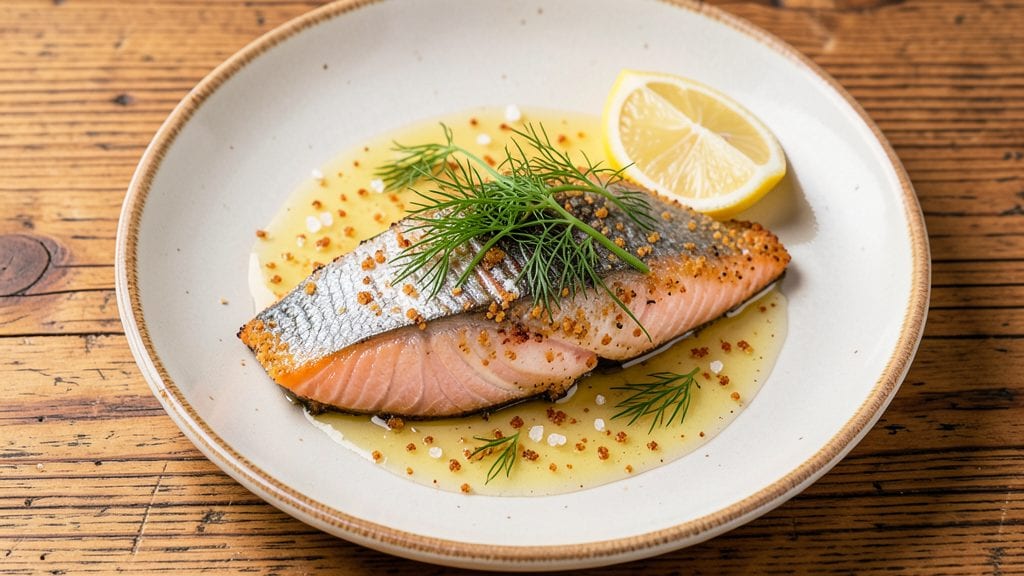
This baked silver salmon recipe delivers the perfect balance of crispy cornmeal crust and flaky pink centers, transforming a simple weeknight meal into a restaurant-worthy dish. The secret lies in the cornmeal coating, which creates a satisfying crunch while keeping the delicate salmon tender inside.
I developed this method after years of experimenting with different textures—this version never fails to impress, even with picky eaters.
The beauty of this recipe is its simplicity: just a handful of ingredients and 20 minutes of active prep time, followed by 12-15 minutes in the oven.
The cornmeal crust adds a subtle nutty depth that pairs beautifully with the salmon's natural richness, while a touch of lemon and dill brightens every bite. What sets this apart is how foolproof it is—no flaking skin, no overcooked centers, just perfectly executed salmon every time.
By the time you pull it from the oven, you'll have golden-brown edges that shatter with each bite, revealing moist, flaky salmon beneath. The aroma alone will have everyone gathering at the table, and the presentation is elegant enough for dinner guests but simple enough for a Tuesday night.
This is the kind of dish that makes you look like a pro without requiring advanced techniques.
Serve it with roasted asparagus, a lemon-dill sauce, or a bed of quinoa to round out the meal. The crispy crust holds up beautifully, making it perfect for plating with confidence. Here's how to achieve it every time—no guesswork, just guaranteed results.
Ingredients for baked silver salmon
Eleven ingredients deliver restaurant-quality salmon with a crispy cornmeal crust and flaky pink centers.
| Ingredient | Amount | Notes |
|---|---|---|
| Silver Salmon Fillets 🐟 | 4 pieces | Skin-on, 6-8 oz each, center-cut preferred |
| Fine Cornmeal 🌾 | ½ cup | Stone-ground for optimal texture |
| Unsalted Butter 🧈 | 2 tbsp | Cold, cubed, for crispy crust |
| Fresh Lemon Juice 🍋 | 2 tbsp | From organic lemons, freshly squeezed |
| Fresh Dill Weeds 🌿 | ¼ cup | Finely chopped, stems removed |
| Diamond Crystal Kosher Salt 🧂 | 1 tsp | Fine grain, for balanced seasoning |
| Freshly Ground Black Pepper 🌶️ | ½ tsp | Coarsely ground for texture contrast |
| Extra-Virgin Olive Oil 🫒 | 1 tbsp | High-quality, fruity variety |
| Garlic Cloves 🧄 | 2 cloves | Minced, for aromatic depth |
| Cornstarch 🌽 | 1 tbsp | For extra crispiness in coating |
| Water 💧 | 2 tbsp | Room temperature, for cornmeal slurry |
The salmon selection is critical—center-cut fillets with skin-on provide the best texture. Look for wild-caught silver salmon at specialty seafood markets like Whole Foods or Trader Joe's, where the fish is typically flash-frozen to preserve freshness. The skin should be intact and vibrant, not dull or discolored. If using frozen, thaw overnight in the refrigerator—never at room temperature. For the cornmeal, stone-ground varieties create a superior texture compared to pre-cooked brands. The Diamond Crystal kosher salt is preferred for its fine grain, which dissolves evenly without graininess. Always measure spices by weight when possible for consistency, though volume measurements work for this application.
No fresh dill? Dried dill at one-third the amount works in a pinch, though fresh is ideal for that bright, herby note. Substitute lemon zest for half the juice if needed, though the acidity will differ slightly. For the butter, European-style unsalted butter like Plugrá adds richness, but any good-quality brand works. The cornstarch can be omitted if unavailable, though it enhances the crust's crispiness. If you prefer a different crust texture, panko breadcrumbs at half the cornmeal quantity create a lighter coating. Always pat the salmon dry before coating—excess moisture prevents proper browning. The minced garlic can be pre-minced from a jar, but freshly minced adds more depth.
Store fresh salmon in the coldest part of your refrigerator, wrapped in parchment paper, for up to 2 days. The cornmeal mixture can be prepped 1 day ahead and stored in an airtight container. For optimal crispiness, bake the salmon immediately after coating—preheating the oven to 425°F ensures even cooking. Leftovers keep for 2 days in the fridge, though the crust loses crispness. For reheating, broil for 2-3 minutes to restore texture. The lemon juice and dill can be pre-mixed and stored separately for 3 days in the refrigerator.
Why You'll Love This Recipe
- No-Fuss Crispy Skin: The cornmeal crust does all the work—just pat it on, bake it, and walk away. No flaking, no fussing, just that addictive crunch that makes you forget how little effort went into it.
- Bright & Tangy Magic: That lemon juice and fresh dill? They turn flaky salmon into something vibrant and fresh-tasting. It’s like summer in a pan—bright, zesty, and impossible to resist.
- Weeknight & Meal Prep Hero: Make a batch on Sunday, and you’ve got lunch or dinner covered all week. The leftovers reheat beautifully, and the flavor actually improves the next day—honestly, it’s my lazy-day secret weapon.
- Budget-Friendly Luxury: You’re getting restaurant-quality salmon without the price tag. A single fillet feels special, but the butter and lemon keep it from tasting like a splurge. My wallet and taste buds both win.
Step-by-step instructions for crispy cornmeal-crusted silver salmon
Master this technique and you'll achieve a perfect balance of golden crust and tender pink centers every time.
Prepare the Cornmeal Coating and Seasoning
In a medium bowl, combine the 0.5 cup fine cornmeal, 1 tbsp cornstarch, 1 tsp diamond crystal kosher salt, and 0.5 tsp freshly ground black pepper. This blend creates the ideal texture for crispiness while adding depth of flavor. I've found that stone-ground cornmeal gives the best crunch, so don't substitute with regular cornmeal.
In a separate small bowl, whisk together 2 tbsp fresh lemon juice and 1 tbsp extra-virgin olive oil. This citrusy marinade will tenderize the salmon slightly and create a flavor bridge between the crust and fish. Add the 2 cloves minced garlic and 0.25 cup finely chopped fresh dill weeds to this mixture, stirring until fully incorporated. The dill should be finely chopped to distribute evenly throughout the coating.
Create the Cornmeal Slurry and Coat the Salmon
In a shallow dish, mix the 2 tbsp room temperature water with the cornmeal blend until it forms a thick, paste-like consistency. This slurry will help the coating adhere perfectly to the salmon fillets. The mixture should be thick enough to coat the back of a spoon but still spreadable.
Pat each of the 4 silver salmon fillets dry with paper towels, removing any excess moisture from the skin. This step is crucial for achieving crispiness—the drier the surface, the better the crust will form. Place each fillet skin-side down on a cutting board and spread an even layer of the lemon-dill marinade over the flesh side.
Press each fillet into the cornmeal slurry, coating both sides thoroughly. I like to press down gently to ensure even coverage. Let the coated fillets rest on a wire rack for 5 minutes while you preheat your oven to 425°F. This resting period helps the coating adhere more firmly to the salmon.
Preheat and Prepare the Baking Setup
While the salmon rests, position a rack in the middle position of your oven and preheat to 425°F. Place a large baking sheet on the stovetop over medium-high heat and add the 2 tbsp cubed unsalted butter. Allow the butter to melt completely, about 2 minutes, creating a flavorful base for the salmon.
Once the oven reaches temperature and the butter has melted, carefully transfer the baking sheet to the oven. The residual heat will create a perfect environment for crisping the cornmeal crust. This technique ensures the salmon develops a golden, crispy exterior while maintaining its moist, flaky interior.
Bake to Crispy Perfection
Using a fish spatula, carefully transfer the cornmeal-coated salmon fillets to the hot baking sheet with melted butter. Arrange them skin-side down, being gentle to avoid breaking the crust. Bake for 10-12 minutes until the edges are deep golden brown and the crust is visibly crispy.
Here's where attention to detail matters: you'll know it's done when the crust has a satisfying crunch and the internal temperature reaches 145°F at the thickest part of the fillet. The salmon should have a beautiful pink center that flakes easily with a fork. If you're unsure, cut into one fillet—the center should be opaque and just beginning to turn pink.
Rest and Serve with Fresh Herbs
Remove the salmon from the oven and transfer to a serving platter. Let it rest for 3-5 minutes before serving. This resting period allows the juices to redistribute throughout the fish, ensuring each bite is moist and flavorful. Don't skip this step—rushing will result in dry salmon.
Garnish each fillet with additional finely chopped fresh dill weeds and serve immediately. The contrast between the crispy cornmeal crust and the flaky pink centers creates a textural experience that's truly satisfying. Pair with lemon wedges for squeezing over the top and enjoy while the crust is at its crispest.
Pro Tips For Making Baked Silver Salmon
- Preheat Like a Pro: Crank your oven to 400°F (200°C) and let it scream for 10 minutes before adding the salmon—this ensures the cornmeal crust gets crispy, not soggy. I used to skip this, and my first batch always came out bland and mealy.
- Pat Dry, Then Salt: Wrap the salmon fillets in paper towels and press hard for 2 full minutes to remove all moisture, then season generously with salt. Wet skin = steam = rubbery fish. (Yes, even if you’re impatient like me.)
- Butter the Pan First: Spread a thin, even layer of melted unsalted butter on the baking tray before adding the salmon—it prevents sticking and adds richness without making the crust greasy. I learned this the hard way after wrestling with a stuck fillet.
- Lemon Last, Not First: Add fresh lemon juice and dill after baking, not before—this keeps the herbs vibrant and the acid bright. Squeeze it over the hot salmon right out of the oven for maximum aroma. (Your future self will thank you.)
Best sauces and condiments for baked silver salmon
Lemon-Dill Sauce
This bright, tangy sauce is my go-to pairing—it cuts through the richness of the cornmeal crust while enhancing the salmon's natural flavor.
Whisk together ½ cup Greek yogurt (I prefer Fage 5% for creaminess), 2 tbsp fresh lemon juice, 1 tbsp chopped fresh dill, 1 tsp minced garlic, ½ tsp Dijon mustard, and ¼ tsp salt. Thin with 1-2 tbsp water if needed for drizzling.
Serve immediately for maximum freshness. 🍋
Garlic-Herb Butter
For a decadent touch, melt 2 tbsp unsalted butter with 1 tsp minced garlic, 1 tsp chopped parsley, and a pinch of salt in a small saucepan over low heat.
Once melted, drizzle over the baked salmon just before serving. The butter pools beautifully in the crust's crevices, adding richness without overpowering. Use Plugrá butter for extra flavor depth. 🧈
Spicy Sriracha Aioli
When you want heat, blend ¼ cup mayonnaise (I use Duke's for quality), 1 tbsp sriracha, 1 tsp lemon juice, and ½ tsp honey until smooth. Dollop alongside the salmon or spread on toasted baguette slices for dipping.
The spicy kick contrasts perfectly with the cornmeal's nuttiness. Adjust sriracha to taste—start with ½ tbsp if sensitive to heat. 🌶️
Miso-Glazed Reduction
For umami lovers, simmer 1 tbsp white miso paste, 1 tbsp honey, and 1 tbsp rice vinegar in a small saucepan over medium heat for 3-4 minutes until thickened. Brush lightly over the salmon before baking or serve as a dipping sauce.
The miso adds a subtle savory depth that pairs beautifully with the crust's crispiness. Use Miso Master white miso for best results. 🍜
Creamy Dill Sauce
Blend ½ cup sour cream, 2 tbsp chopped fresh dill, 1 tbsp lemon zest, 1 tsp capers, and ½ tsp salt until smooth. This sauce is richer than the yogurt version but still bright.
Serve chilled alongside the salmon for a luxurious touch. The capers add a briny contrast that elevates the dish. 🌿
Whipped Feta Dip
Crumble ½ cup feta cheese into a bowl and whip with 2 tbsp Greek yogurt, 1 tbsp olive oil, and 1 tsp lemon juice until smooth. Garnish with cracked black pepper and a sprinkle of dill.
This tangy dip balances the richness of the salmon beautifully and adds a Mediterranean flair. Use Olympos feta for the best texture. 🧀
Nutrition facts
Frequently asked questions
Can I use frozen salmon for this recipe?
Yes, but thaw it properly first! Place the frozen fillets in the refrigerator overnight for even thawing. Never use room-temperature water or microwave, as this can create uneven cooking. Pat completely dry before coating—excess moisture prevents crispiness. The cornmeal crust works beautifully with properly thawed frozen salmon.
How do I keep the salmon from sticking to the baking sheet?
Use parchment paper or a silicone baking mat for effortless release. If you prefer direct baking, melt 2 tbsp butter on the sheet first—this creates a flavorful barrier. Avoid nonstick sprays, as they can interfere with the cornmeal's crispiness. The hot butter method also adds incredible flavor to the crust.
What's the best way to reheat leftover baked salmon?
Broil for 2-3 minutes on high heat to restore crispiness. Place fillets on a baking sheet and cover loosely with foil if needed. Microwaving destroys the crust—always use dry heat methods. For extra flavor, brush with melted garlic butter before reheating. The crust will be perfect again!
Can I make this recipe ahead of time?
Prepare the cornmeal coating up to 1 day ahead and store in an airtight container. Coat the salmon just before baking for best results. The crust loses crispness when made too early, but the flavor profile remains excellent. For a make-ahead meal, bake fresh and refrigerate—reheat using the broil method above.
What's the secret to getting the perfect crispy crust?
Four key factors: dry salmon (pat thoroughly), stone-ground cornmeal, high heat (425°F), and butter on the baking sheet. The slurry technique ensures even coating. Don't skip the 5-minute rest before baking—this helps the crust adhere perfectly.