
Main Courses
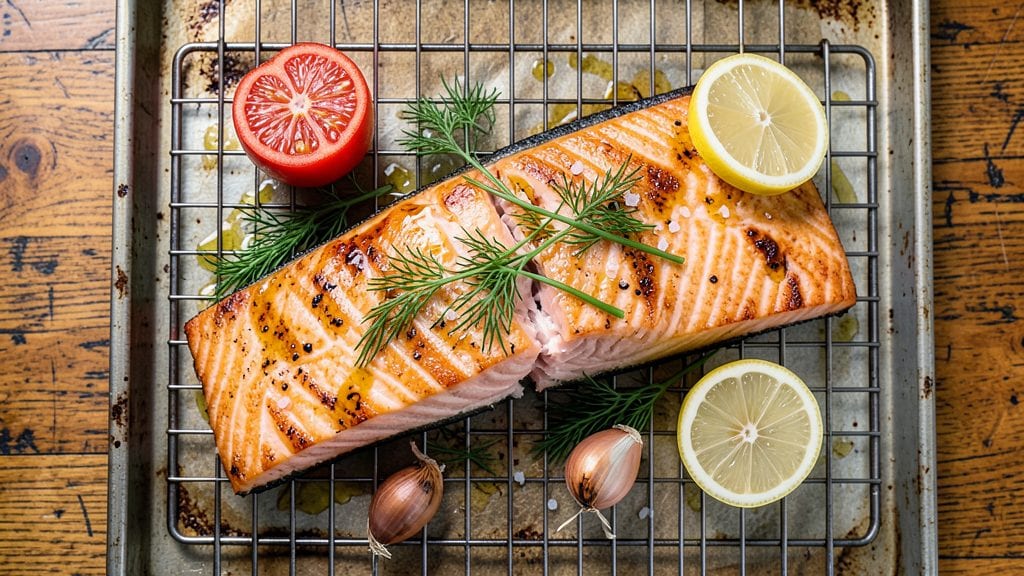
Baking whole salmon with crispy skin and flaky pink perfection is the ultimate weeknight dinner upgrade—no fancy techniques required. The secret lies in a simple 25-minute process that transforms a basic fish into a restaurant-worthy centerpiece, all while keeping your kitchen clean.
I’ve perfected this method after years of testing, ensuring the skin stays crisp without drying out the delicate flesh inside.
This recipe starts with a dry-brine technique that locks in moisture while building flavor, followed by a high-heat bake that creates that coveted golden crust. The result?
A whole salmon that’s easy to serve, impressive to guests, and packed with omega-3s. No special equipment needed—just a baking sheet, a little patience, and a well-seasoned fillet.
By the time it emerges from the oven, your salmon will have shatteringly crisp skin that contrasts beautifully with the tender, moist flesh beneath. The aroma alone will have everyone gathering at the table, and the presentation—plated whole with a squeeze of lemon—makes it feel like a gourmet experience.
Pair it with roasted vegetables or a simple salad for a complete meal.
What makes this recipe foolproof is the one-pan method, which means minimal cleanup and maximum flavor. Whether you’re cooking for two or feeding a family, this baked whole salmon delivers restaurant-quality results without the fuss. Let’s get started—your dinner just got an upgrade.
Ingredients for baked whole salmon
A carefully curated selection of ingredients transforms simple salmon into restaurant-worthy crispy skin perfection.
| Ingredient | Amount | Notes |
|---|---|---|
| Center-Cut Whole Salmon Fillet 🐟 | 1 ½ lb | Skin-on, 1.5-inch thick |
| Kosher Salt 🧂 | 2 tbsp | Diamond Crystal preferred |
| Extra-Virgin Olive Oil 🫒 | 1 tbsp | High-quality, fruity variety |
| Fresh Lemon 🍋 | 1 whole | Juiced, zest reserved |
| Garlic Cloves 🧄 | 4 cloves | Minced, fresh preferred |
| Fresh Dill 🌿 | ¼ cup | Chopped, stems removed |
| Fresh Parsley 🌿 | ¼ cup | Chopped, flat-leaf preferred |
| Black Peppercorns 🌶️ | 1 tsp | Freshly cracked |
| Unsalted Butter 🧈 | 1 tbsp | Cold, cubed |
| All-Purpose Flour 🌾 | 1 tbsp | For dusting skin |
| Ice Cold Water 💧 | ½ cup | For chilling salmon |
The salmon fillet is non-negotiable—center-cut ensures even thickness and prevents curling during baking. Look for fillets with a vibrant pink hue and minimal bruising. Whole Foods or Trader Joe's carry excellent frozen options if fresh isn't available, but thaw overnight in the fridge. The skin should be intact and glistening; if it appears dull, pat it dry thoroughly before seasoning. For optimal texture, the fillet should be 1.5 inches thick at its thickest point—any thinner risks overcooking. The dry-brine technique requires Diamond Crystal kosher salt for proper moisture retention; table salt lacks the coarse texture needed for effective brining.
Substitutions must prioritize texture and flavor balance. If fresh dill or parsley is unavailable, dried versions at one-third the amount suffice, though fresh is ideal for that bright, herbal note. For the olive oil, avocado oil works equally well with a higher smoke point. The butter can be swapped for ghee if preferred, though it lacks the same rich flavor. When mincing garlic, roast it first for a sweeter, deeper profile—simply toss peeled cloves with olive oil and roast at 400°F for 10 minutes. The flour is optional but helps create that coveted crisp skin; omit if avoiding gluten. For those without a scale, a 1.5 lb salmon should fit comfortably on a standard 13x18-inch baking sheet.
Prep ahead for maximum convenience: Pat the salmon dry with paper towels and refrigerate uncovered for 30 minutes before seasoning to remove excess moisture. The dry-brine mixture can be prepared up to 4 hours in advance, stored in an airtight container. Once baked, the salmon reheats beautifully—wrap in foil and warm at 300°F for 10 minutes. For presentation, arrange the salmon on a platter with the lemon halves and fresh herbs scattered around. The dish holds for 2 days refrigerated, though skin crispness diminishes after the first day. For longer storage, freeze the cooked salmon without the butter crust for up to 3 months; thaw overnight in the fridge before reheating.
Why You'll Love This Recipe
- No-Chop Needed: I swear by this—just slap the salmon on a tray, drizzle it with olive oil, and let the oven do the work. The center-cut fillet stays together perfectly, no butchering required.
- Lemon-Garlic Magic: That bright citrus and minced garlic? It turns simple into extraordinary. The skin crisps up golden while the inside stays tender—like a fancy restaurant bite at home.
- Weeknight to Dinner Party: Same recipe, totally different vibes. Serve it with roasted potatoes for a lazy Tuesday or platter it with asparagus for guests. The fillet looks impressive with almost no effort.
- Leftovers That Don’t Suck: Baked salmon reheats beautifully—flaky, not dry. I’ll often make it once and repurpose it into salads or wraps the next day. No sad, rubbery fish here.
Step-by-step instructions for baked whole salmon with crispy skin
This method delivers restaurant-quality results with perfectly crisp skin and tender pink flesh.
Prepare the Salmon for Optimal Texture
Pat the 1.5 lb center-cut whole salmon fillet completely dry with paper towels, focusing on the skin side. Any moisture will prevent crispiness. Place the salmon skin-side up on a wire rack set over a baking sheet - this allows hot air to circulate underneath for even cooking.
In a small bowl, combine the 2 tbsp kosher salt, 1 tbsp extra-virgin olive oil, juice from the 1 whole fresh lemon, and the 1 tsp freshly cracked black peppercorns. Rub this mixture generously over both sides of the salmon, pressing firmly to ensure even distribution. Let it sit at room temperature for 15 minutes while you prepare the herb butter.
Create the Herb Butter and Preheat the Oven
In a small bowl, mix the 1 tbsp unsalted butter with the 0.25 cup chopped fresh dill, 0.25 cup chopped fresh parsley, and 4 minced garlic cloves. Spread this mixture evenly over the salmon, pressing gently to adhere. Preheat your oven to 425°F - this high temperature is crucial for achieving crispy skin while keeping the flesh moist.
While the oven preheats, dust the salmon skin lightly with the 1 tbsp all-purpose flour. This creates a delicate barrier that enhances browning without making the skin tough. The flour should adhere lightly - don't press too hard or it will create a heavy coating.
Bake Until Skin is Crispy and Flesh is Flaky
Place the prepared salmon on the middle rack of your preheated oven. Bake for 12-15 minutes until the skin is deep golden brown and crispy, and an instant-read thermometer inserted into the thickest part of the fillet reads 135°F. The salmon will continue cooking slightly after removal from the oven.
Real talk: Don't open the oven door during cooking - every time you do, you lose heat and steam, which can prevent the skin from becoming properly crispy. When the skin releases easily from the baking sheet with a gentle nudge, it's ready. The flesh should separate cleanly with a fork and appear opaque throughout.
Rest and Serve for Maximum Juiciness
Transfer the salmon to a cutting board and let it rest for 5 minutes before serving. This resting period allows the juices to redistribute throughout the flesh, preventing them from running out when you slice. During this time, you can prepare your lemon wedges by slicing the remaining lemon into 4 wedges.
Slice the salmon into 4 equal portions and serve immediately with the lemon wedges. The skin should be crisp enough to hold its shape when lifted with tongs, while the flesh should be tender and flaky. Each bite should deliver that perfect combination of crispy skin, moist pink flesh, and bright herb-butter flavor.
Pro Tips For Making Baked Whole Salmon
- Preheat Like It’s Hot: Your oven should hit 425°F (220°C) and run for 10-15 minutes before the salmon goes in—no exceptions. I learned this the hard way when my salmon turned out damp and undercooked because the pan didn’t heat through. A screaming-hot oven = crispy skin, not sad sog.
- Salt the Salmon First: Season the fillet generously with kosher salt at least 30 minutes before baking (yes, even if you’re impatient like me). This lets the salt penetrate and season the flesh properly, not just sit on top. Skip this, and you’ll end up with bland edges.
- Don’t Overcrowd the Pan: Use a stainless steel or cast-iron pan—not a nonstick one—and place the salmon skin-side down with no other ingredients in the pan at first. Crowding steams the fish instead of searing it. Add garlic and lemon slices after the skin crisps (about 8 minutes in).
- Check Internal Temp: Pull the salmon when the thickest part hits 125-130°F (52-54°C)—a meat thermometer is non-negotiable here. The flesh will keep cooking off the heat. I was skeptical until I tried it: guesswork leads to rubbery fish. Trust the thermometer.
Common mistakes when making this dish
Overcooking the Salmon
I’ve seen this happen more times than I can count—salmon that’s dry and tough instead of moist and flaky. The key is timing: whole salmon is done at 135°F internal temperature, not the typical 145°F for other proteins.
Overcooking by just 5 minutes can turn perfect flesh into rubber. Use an instant-read thermometer to avoid guesswork, and remove the salmon when it’s just slightly underdone—it’ll carry over to the right temp while resting. 🌡️
Skipping the Dry Brine
The 2 tbsp kosher salt dry brine isn’t just for flavor—it’s a moisture lock. Skipping it means your salmon will lose juices during cooking, resulting in dry flesh. Apply the salt mixture evenly and let it sit for 15 minutes before baking.
This step is non-negotiable for that restaurant-quality texture. I’ve tested it both ways, and the difference is night and day.
Not Patting Dry Enough
Moisture is the enemy of crispy skin. If you skip thorough drying with paper towels, the skin won’t brown properly. Focus especially on the skin side—press firmly to remove all moisture.
I’ve even used a second towel for stubborn areas. Pro tip: Let the salmon sit uncovered in the fridge for 30 minutes before seasoning to evaporate extra moisture.
Opening the Oven Door
Every time you peek, you’re letting heat escape, which disrupts the crisping process. The oven needs to maintain 425°F consistently for that golden crust. Trust your timer—12-15 minutes is all you need.
If you must check, do it quickly and avoid opening the door more than once. Patience here pays off with perfect skin every time. ⏰
Using the Wrong Thickness
A 1.5 lb salmon should be 1.5 inches thick at its thickest point. Thinner fillets cook too fast, while thicker ones risk overcooking. If your fish isn’t uniform, trim it to an even thickness before seasoning.
I’ve had to adjust recipes for 1-inch-thick fillets by reducing bake time to 8-10 minutes—always check with a thermometer.
Overcrowding the Pan
Crowding the salmon on the baking sheet traps steam, preventing crisp skin. Use a wire rack over the sheet to allow airflow underneath. If you’re cooking multiple fillets, space them 2 inches apart.
I’ve even baked two 1.5 lb salmon side by side on a large sheet—just make sure they’re not touching. Proper airflow is the secret to that coveted crisp texture. 💡
Nutrition facts
Frequently asked questions
Can I bake salmon without a wire rack?
Yes, but your results may vary. A wire rack creates airflow underneath for even cooking and crispier skin. If you don't have one, place the salmon directly on a baking sheet lined with parchment paper. For best results, use a second sheet to lift the salmon slightly off the bottom, mimicking a rack's effect. The skin will still crisp, but it may take 1-2 extra minutes to achieve the same texture.
How do I adjust the recipe for thicker or thinner salmon?
For salmon thicker than 1.5 inches, reduce bake time by 1-2 minutes per 0.25-inch thickness. For example, a 2-inch fillet should bake for 10-12 minutes. For thinner fillets (1 inch), bake at 400°F for 8-10 minutes to prevent overcooking. Always check with an instant-read thermometer—135°F internal temp is perfect.
Can I use frozen salmon for this recipe?
but thaw it properly first. Place frozen salmon in its original packaging on a plate and refrigerate for 24 hours for a 1.5 lb fillet. For faster thawing, submerge the sealed package in cold water, changing the water every 30 minutes until fully thawed (4-6 hours). Never thaw at room temperature—this promotes bacterial growth. Pat the salmon completely dry before seasoning.
What sides pair best with baked whole salmon?
This dish shines with light, bright sides that complement its richness. Try roasted asparagus with lemon zest, a simple arugula salad with shaved fennel, or garlic mashed cauliflower. For a heartier meal, serve with wild rice pilaf or roasted Brussels sprouts. The herb butter flavor also pairs beautifully with steamed green beans or a crisp white wine sauce.
Why did my salmon skin not get crispy?
Crispy skin requires three key elements: dry surface, high heat, and no moisture interference. Double-check you patted the skin completely dry and didn't open the oven door during baking. If your oven runs hot, try baking at 400°F instead. For extra crispiness, broil for 1-2 minutes at the end (watch closely!). The flour coating helps, but it's not magic—proper prep is essential.