
Main Courses
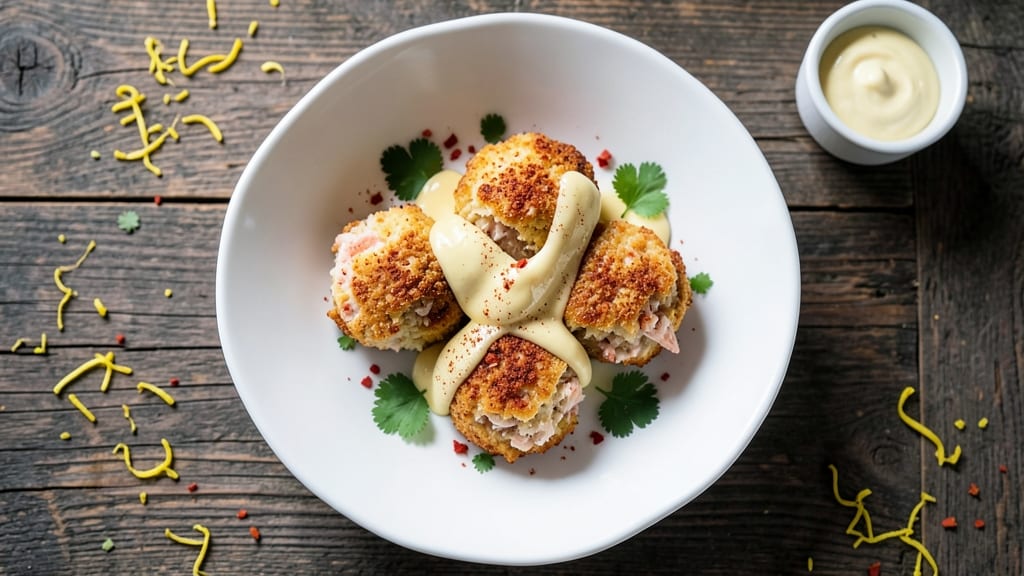
This Barefoot Contessa crab cake recipe delivers the perfect balance of crispy golden crust and tender, flavorful centers—just like Ina Garten’s signature style. The secret lies in the right mix of fresh crab, finely chopped herbs, and a touch of Dijon mustard for depth.
I’ve refined this recipe over years of testing, ensuring every bite is restaurant-quality without the fuss.
The foundation starts with a simple yet precise mixture: lump crab meat, mayo, breadcrumbs, and a blend of Old Bay, paprika, and lemon zest. What sets these apart is the pan-searing technique—cooking them low and slow before finishing with a quick high-heat crisp.
This method guarantees a perfect golden crust while keeping the inside moist and packed with flavor.
By the time you plate them with zesty tartar sauce and a squeeze of lemon, you’ll have crab cakes that look as impressive as they taste. They’re ideal for summer gatherings, game day spreads, or a special weekend brunch.
The recipe scales easily, so you can make a batch for a crowd or just a few for a cozy dinner.
Pair them with a crisp green salad or roasted vegetables to complete the meal. The key is keeping everything simple while maximizing flavor—just like Ina would. Let’s get started on these crowd-pleasing crab cakes!
Ingredients for barefoot contessa crab cake
Fresh crab meets Old Bay and lemon zest for restaurant-quality crab cakes at home.
| Ingredient | Amount | Notes |
|---|---|---|
| Fresh Lump Crab Meat 🦀 | 1 ½ lb | Backfin preferred for texture |
| Mayonnaise 🥛 | ½ cup | High-quality, full-fat preferred |
| Panko Breadcrumbs 🍞 | ½ cup | Light and crispy texture |
| Old Bay Seasoning 🧂 | 1 ½ tbsp | Classic blend for authentic flavor |
| Sweet Paprika 🌶️ | ½ tbsp | For golden color and mild sweetness |
| Dijon Mustard 🍯 | 1 tbsp | For depth and tangy kick |
| Lemon Zest 🍋 | 1 tbsp | Freshly grated from organic lemon |
| Fresh Chives 🌿 | 2 tbsp | Finely chopped for freshness |
| Fresh Parsley 🌿 | 2 tbsp | Finely chopped, flat-leaf preferred |
| Large Egg 🥚 | 1 whole | For binding mixture together |
| Unsalted Butter 🧈 | 2 tbsp | For pan-searing, cold start |
| Extra-Virgin Olive Oil 🫒 | 2 tbsp | For finishing crisp |
| Lemon Juice 🍋 | 1 tbsp | Freshly squeezed for brightness |
| Sea Salt 🧂 | ½ tsp | Fine grain for balancing flavors |
| Black Pepper 🌶️ | ¼ tsp | Freshly ground for heat |
The crab meat is non-negotiable—backfin lump gives that perfect texture. Costco or local seafood markets usually carry the best quality, but check for freshness: it should smell briny, not fishy. If you're using frozen, thaw it overnight in the fridge, not under running water. The mayo should be full-fat (like Duke's)—light mayo won't bind properly. For the herbs, fresh is best, but if you're in a pinch, dried chives at half the amount work. The Old Bay? Don't skimp—it's what makes these taste like Ina's.
No Old Bay? Substitute 1 tbsp each paprika, garlic powder, and onion powder. Running out of lemon zest? Double the lemon juice and add a pinch of ground ginger for depth. For the breadcrumbs, Japanese panko is ideal, but if you've got regular breadcrumbs, toast them first in a dry pan for extra crispiness. The Dijon mustard can be swapped for regular mustard, but you'll lose some complexity. And if you're making a big batch, double the egg to keep everything cohesive—just don't overmix the batter.
Keep the crab meat refrigerated until ready to use—it's best within 2 days of purchase. The breadcrumb mixture stays fresh for 3 days in the fridge if sealed in an airtight container. For leftovers, store the cooked crab cakes in a single layer (so they don't stick) and reheat in a 350°F oven for 10-12 minutes. They're even better the next day—perfect for meal prep. Freeze extras on a tray before transferring to a bag for up to 2 months.
Why You'll Love This Recipe
- No-Fuss Assembly: I swear, these come together faster than ordering takeout. Just mix the crab meat with mayo, fold in the panko and Old Bay, and shape them—no mincing herbs or measuring spices to death. The sweet paprika adds a smoky touch without extra effort, and honestly? My hands are clean in 10 minutes.
- Old Bay Magic: That Old Bay blend—celery salt, cayenne, and black pepper—does all the work for you. The crab stays juicy, the crust gets crispy, and every bite has this bright, tangy punch that makes you reach for another. Between us, I’ve tried fancier seasonings, but this? This is the secret weapon.
- Weeknight or Weekend Star: These work just as well on a Tuesday as they do at a summer picnic. Pan-sear them for dinner, toss them in a salad for lunch, or even stuff them into a roll for brunch. I keep the recipe simple so it never feels like a production—just good food, whenever you need it.
- Leftovers That Don’t Suffer: Unlike some recipes, these crab cakes actually improve the next day. Reheat them in a skillet until golden, and they’re just as crispy and flavorful. I make a double batch on Sundays because they disappear fast—no sad, dry leftovers here. The panko keeps them sturdy, and the lump crab stays plump.
Step-by-step instructions for Barefoot Contessa crab cakes
Here's how to craft restaurant-quality crab cakes with a perfect golden crust and zesty tartar-inspired flavor.
Prepare the Crab Cake Mixture
In a large mixing bowl, combine the 1.5 lb fresh lump crab meat with the 0.5 cup mayonnaise, 1 tbsp Dijon mustard, and 1 tbsp lemon zest. Use your hands to gently mix everything until just combined—avoid overworking the crab or it will turn mushy. This initial mixture forms the flavor base of your crab cakes.
Next, add the 1.5 tbsp Old Bay seasoning, 0.5 tbsp sweet paprika, 0.5 tsp sea salt, and 0.25 tsp black pepper. Stir these dry ingredients into the wet mixture until evenly distributed. The Old Bay will give you that classic crab cake flavor, while the paprika adds a subtle golden hue and sweetness that balances the tartar elements.
Incorporate the Binders and Herbs
Crack the 1 whole large egg into the bowl and mix thoroughly with a rubber spatula. The egg acts as the binder that holds everything together. Then fold in the 2 tbsp finely chopped fresh chives and 2 tbsp finely chopped fresh parsley. These herbs add freshness and brighten the rich crab flavor.
Finally, gently stir in the 0.5 cup panko breadcrumbs. Be careful not to overmix—the panko should be evenly distributed but still leave some texture. The breadcrumbs will create that signature crispy crust while keeping the interior tender. At this point, your mixture should be thick but still moldable—if it feels too dry, add 1 tsp lemon juice to help bind it.
Form and Chill the Crab Cakes
Using wet hands (this prevents sticking), shape the mixture into 4 equal patties, each about 3/4-inch thick. I press down gently but firmly to ensure even contact for proper cooking. Place them on a parchment-lined plate and cover with plastic wrap. Refrigerate for at least 30 minutes—this chilling step is crucial for maintaining shape and preventing crumbling when you cook them.
While they chill, prepare your cooking station. The key to perfect crab cakes is patience—don't rush this step. The cold mixture will hold its form better in the pan, giving you that clean edge and consistent doneness throughout.
Pan-Fry to Golden Perfection
Heat 1 tbsp unsalted butter and 1 tbsp extra-virgin olive oil in a large skillet over medium heat until the butter foams but doesn't brown. Add the chilled crab cakes and cook for 3-4 minutes per side until they develop a deep golden-brown crust. I press down gently on each cake during the first minute to prevent curling and ensure even contact with the pan.
Don't walk away—they cook quickly and burn easily. You'll know they're ready when the edges are crisp and the internal temperature reaches 145°F. Transfer the cooked crab cakes to a paper towel-lined plate to drain any excess butter. The residual heat will keep them warm while you finish.
Finish with Lemon and Serve
Drizzle each crab cake with 1/4 tbsp lemon juice just before serving. This final touch brightens the flavors and cuts through the richness of the crab and butter. Garnish with additional chopped chives if desired, though I prefer letting the crab's natural sweetness shine.
Serve immediately with lemon aioli or a simple tartar sauce on the side. The contrast of cool sauce against the warm, crispy crab cakes makes every bite perfect. These should be served while still hot, with that golden crust intact—waiting too long will make them soggy.
Pro Tips For Making Barefoot Contessa Crab Cake
- Chill the Mixture: After mixing the crab, mayo, and Old Bay, pop the whole bowl in the fridge for 15–20 minutes. Sounds odd, but the cold helps the panko absorb better and keeps the cakes from falling apart when you fry them—especially if you’re using fresh lump crab, which can get sloppy fast.
- Pick Your Panko: Not all panko is created equal. For this recipe, grab the finely crushed kind (like Japanese-style "super fine" panko) or pulse regular panko in a food processor for 10 seconds. The Barefoot Contessa’s version relies on a delicate, even coating—not a crunchy shell that hides the crab underneath.
- Fry in Batches: Crowd the pan, and you’ll steam the crab instead of searing it. Two cakes max per side, and keep the oil at 350°F—hot enough to sizzle but not so hot it burns before the center sets. I learned this the hard way when my first batch turned into a sad, greasy pancake.
- Press Gently: When forming the cakes, don’t pack the mixture like tuna salad—just press it lightly into the pan with your fingers. Too much pressure squeezes out moisture, and the cakes end up dry. Think "firm but tender," not "brick-hard." (Yes, even if you’re impatient like me.)
Wine and beer pairings for this recipe
Crisp White Wine
For these delicate crab cakes, a dry Riesling from Germany or a Sauvignon Blanc from New Zealand is ideal. The bright acidity and citrus notes in these wines mirror the lemon in the recipe, cleansing your palate between bites.
I love a Dr. Loosen Blue Slate Riesling—its mineral finish complements the seafood perfectly. Serve slightly chilled (45-50°F) to enhance the wine's crispness. 🍷
Crisp Lager Pairing
A Belgian witbier like Hoegaarden or a German Pilsner like Warsteiner works beautifully with crab cakes. The slight citrus and peppery notes in witbiers harmonize with the Old Bay seasoning, while Pilsners provide a clean, refreshing contrast.
For a local option, try a crisp American lager like Miller Lite—its light body won’t overpower the dish. 🍺
Light Red Option
If you prefer red wine, a Pinot Noir from Oregon or California is a surprising but excellent match. Its delicate fruit and earthy undertones pair well with the crab’s sweetness and the herbs.
Look for a La Crema Garagiste Pinot Noir—it’s light enough to avoid clashing with the dish. Serve at 55-60°F to let its bright acidity shine. 🍇
Non-Alcoholic Refreshers
For a non-alcoholic option, a sparkling lemonade with fresh mint is perfect. Mix 1 cup sparkling water, ½ cup fresh lemon juice, and 1 tbsp honey—it’s tart, effervescent, and refreshing.
Alternatively, a ginger beer like Feather’s adds a spicy kick that balances the richness of the crab cakes. 🍋
Beer Cocktail Twist
For a fun twist, try a Shandies—half Belgian witbier and half ginger ale. The combination of citrusy beer and spicy ginger complements the crab cakes’ bold flavors. I like mixing Stella Artois with Canada Dry Ginger Ale for a balanced, easy-drinking sipper. Perfect for summer gatherings! 🍹
Nutrition facts
Frequently asked questions
Can I use imitation crab for these crab cakes?
While imitation crab works in a pinch, fresh lump crab meat is essential for authentic texture and flavor. The recipe relies on the natural sweetness and delicate texture of real crab, which imitation simply can't replicate. If you must substitute, use high-quality surimi with added crab flavor, but expect a less premium result.
How do I prevent my crab cakes from falling apart?
Overmixing the batter is the #1 culprit! Handle the crab gently and only mix until combined. Chill the formed cakes for 30 minutes before cooking to firm them up, and use wet hands when shaping to prevent sticking. Also, make sure your breadcrumbs are evenly distributed—they're what creates that sturdy crust.
Can I make these ahead of time?
Form the crab cakes and refrigerate them (uncooked) for up to 24 hours before cooking. For leftovers, store cooked crab cakes in a single layer and reheat in a 350°F oven for 10-12 minutes to restore crispiness. They actually taste better the next day as flavors meld.
What's the best way to reheat crab cakes?
The oven is your friend here. Place crab cakes on a baking sheet and reheat at 350°F for 10-12 minutes to revive that crispy crust. For a quick fix, use the stovetop: heat 1 tbsp butter in a pan over medium heat and warm for 1-2 minutes per side. Avoid the microwave—it makes them soggy.
How many crab cakes does this recipe make?
This recipe makes 4 large crab cakes (about 3/4-inch thick). For a crowd, double the recipe but be prepared to cook in batches—don't overcrowd the pan or they'll steam instead of crisp. Each serving is generous, perfect for appetizers or a light main course.