
Soups & Stews
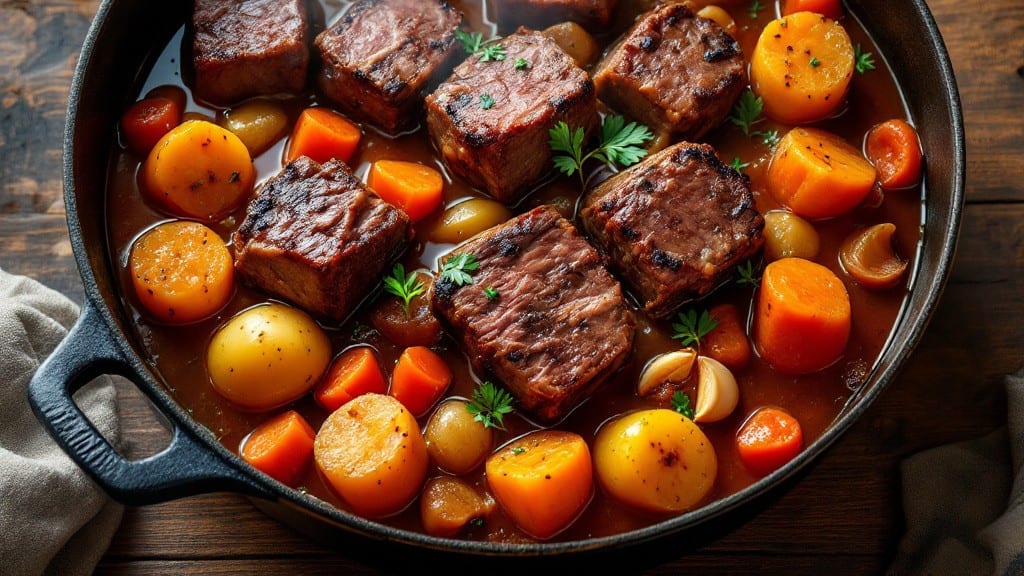
Betty Crocker's Old-Fashioned Beef Stew recipe brings the comforting flavors of a classic American home-cooked meal to your weeknight table—rich, hearty, and packed with deep savory notes.
This isn’t just any stew; it’s a foolproof method that transforms tough cuts of beef into melt-in-your-mouth tenderness through slow simmering and careful layering of flavors. I’ve tested this recipe countless times, and it never fails to deliver that restaurant-quality depth you crave after a long day.
The secret lies in the technique: browning the beef in batches to develop a flavorful crust, then deglazing the pot to capture every last bit of caramelized goodness.
A blend of root vegetables—carrots, potatoes, and onions—absorbs the rich broth, while herbs like thyme and bay leaves infuse the stew with aromatic complexity. With just 30 minutes of prep and 3 hours of simmering, you’ll have a pot of stew that tastes like it’s been cooking all day.
What makes this recipe truly special is how it balances simplicity with depth—no fancy ingredients, just quality cuts of beef and pantry staples that come together in a way that’s both satisfying and restaurant-quality.
The result is a hearty bowl of stew with tender beef, perfectly softened vegetables, and a broth so flavorful it’ll have everyone asking for seconds. It’s the kind of meal that turns a regular weeknight into a cozy, comforting experience.
Perfect for feeding a family or meal prepping for the week, this stew scales easily and tastes even better the next day. Whether you’re a seasoned cook or just starting out, this recipe delivers results you’ll want to make again and again.
Let’s get started on creating your own pot of old-fashioned goodness.
Ingredients for betty crocker old fashioned beef stew
Sixteen ingredients, six servings—this stew delivers restaurant-quality comfort with pantry staples.
| Ingredient | Amount | Notes |
|---|---|---|
| Chuck Roast Beef 🥩 | 3 lb | Cut into 1.5-inch cubes |
| Yellow Onions 🧅 | 2 whole | Medium, peeled and halved |
| Carrots 🥕 | 4 whole | Medium, peeled and halved lengthwise |
| Russet Potatoes 🥔 | 4 whole | Medium, peeled and quartered |
| Garlic Cloves 🧄 | 6 cloves | Peeled and lightly crushed |
| Tomato Paste 🍅 | 2 tbsp | Squeeze tube preferred |
| Beef Broth 💧 | 6 cups | Low-sodium preferred |
| Red Wine 🍷 | 1 cup | Dry, like Cabernet Sauvignon |
| All-Purpose Flour 🌾 | 1 tbsp | For thickening |
| Fresh Thyme Leaves 🌿 | 1 tbsp | Or 1 tsp dried thyme |
| Bay Leaves 🌿 | 2 whole | Remove before serving |
| Salt 🧂 | 1 ½ tsp | Kosher or sea salt |
| Ground Black Pepper 🌶️ | 1 tsp | Freshly ground preferred |
| Olive Oil 🫒 | 2 tbsp | For browning beef |
The beef is everything. Chuck roast from the butcher section (not pre-cubed) gives you the best texture—tender and juicy. If you're buying a whole roast, Costco or Walmart usually have good deals, or grab it from Whole Foods if you want organic. Look for marbling, not lean meat. I always ask for it to be trimmed of excess fat—just enough to keep it flavorful without greasiness. For the wine, any dry red works, but Cabernet Sauvignon or Merlot are classic choices. If you don't drink, beef broth with a splash of balsamic works too. The carrots and potatoes? Russets for potatoes and orange carrots if you want extra color, but regular yellow works just fine. Baby carrots will soften faster, so cut them smaller if you use those.
No fresh thyme? Dried works at one-third the amount, but fresh has that bright aroma. The tomato paste can be from a squeeze tube (no waste!) or a can—just measure it out. If you're short on time, pre-cut frozen carrots and potatoes save chopping. For the flour, all-purpose is fine, but if you've got arrowroot powder, it thickens better. The bay leaves? Remove them before serving—they're not for eating. And if you're worried about the wine flavor, don't be—it mellows out during the long simmer. The beef broth? Low-sodium is key here—you'll be adding salt later, and you don't want it to taste like a can of soup.
This stew tastes even better the next day, so double the batch if you can. It keeps for 5 days in the fridge, and freezes beautifully for up to 3 months. I like to portion it into mason jars—just pop one in the microwave when you're ready to eat. The broth thickens as it cools, so add a splash of water or broth when reheating. And if you've got leftovers, it's perfect for sandwiches the next day. Trust me, the flavor only gets deeper after the first night.
Why You'll Love This Recipe
- One-Pot Wonder: I swear by this recipe because it’s literally one pot—no chopping boards, no extra dishes. Toss in the chuck roast, onions, carrots, and potatoes, add water, and let the slow cooker do the work. (Yes, even on a Tuesday night.)
- Deep Flavor Magic: That chuck roast? It gets insanely tender, falling apart with just a fork. The garlic cloves and onions caramelize into this rich, savory base that makes every bite taste like a hug from Grandma—no fancy techniques required.
- Leftovers That Shine: Between us, this stew tastes better the next day. I make a double batch on Sundays because reheating it for lunches is the easiest way to feed the family without stressing. (Pro tip: Freezes like a dream, too.)
- Budget-Friendly Hero: Chuck roast is affordable, and this recipe stretches it across multiple meals without skimping on taste. Honestly, it’s my go-to for stretching grocery money while still feeling like I’m serving something special—not sad leftovers.
Step-by-step instructions for Betty Crocker's old-fashioned beef stew
This hearty stew comes together in one pot with minimal effort—perfect for busy weeknights.
Brown the Beef and Prepare Vegetables
Heat a large Dutch oven or heavy pot over medium-high heat and add the 2 tablespoons olive oil. Once shimmering, add the 3 lb chuck roast beef cut into 1.5-inch cubes in batches, working in groups of about 1.5 pounds at a time to avoid crowding. Brown the beef on all sides for 3-4 minutes per batch—this step builds deep flavor through the Maillard reaction. Let the browned beef rest in the pot while you prep the vegetables.
Peel and halve the 2 whole yellow onions and the 4 whole carrots lengthwise. Peel and quarter the 4 whole russet potatoes. Lightly crush the 6 cloves garlic with the flat side of your knife. Keep the vegetables whole for even cooking but don't worry about perfect uniformity—they'll soften beautifully in the stew.
Sauté Aromatics and Build the Base
Return the pot to medium heat and add half of the onions and half of the carrots. Cook for 5 minutes until the onions soften and release their sweet aroma. Add the 2 tablespoons tomato paste and stir to coat the beef and vegetables, letting it cook for 1 minute to deepen its flavor. Pour in the 1 cup red wine and scrape up any browned bits from the bottom of the pot—this deglazing step captures all that rich beef flavor.
Add the 6 cups beef broth, 1 tablespoon all-purpose flour, 1.5 teaspoons salt, 1 teaspoon ground black pepper, 1 tablespoon fresh thyme leaves, and 2 whole bay leaves. Stir well to combine, then bring the mixture to a gentle boil. Once boiling, reduce heat to low and let it simmer uncovered for 20 minutes to allow the flavors to meld.
Add Vegetables and Simmer Until Tender
Add the remaining onions, carrots, potatoes, and garlic to the pot. Stir gently to submerge everything in the liquid. The stew should bubble gently—if it's too vigorous, reduce the heat slightly. Cover the pot and let it simmer for 45-50 minutes on low heat, stirring occasionally to prevent sticking. You're looking for the potatoes to become fork-tender and the carrots to soften completely.
Here's the thing—don't rush this step. The longer the stew simmers, the more the flavors develop. If the liquid reduces too much before the vegetables are tender, add a splash of water or broth to maintain the right consistency. The stew should coat the back of a spoon but still be saucy enough to ladle over the vegetables.
Finish and Rest for Maximum Flavor
Once the vegetables are tender and the beef is fork-tender (it should pull apart easily), remove the 2 whole bay leaves from the stew. Taste and adjust the seasoning if needed—you might need a bit more salt or pepper to balance the flavors. Let the stew sit off the heat for 10 minutes before serving. This resting period allows the flavors to meld even further and ensures the potatoes absorb all that delicious liquid.
Serve the stew hot, straight from the pot, with crusty bread or over buttered egg noodles. The beef should be tender and flavorful, the vegetables perfectly cooked, and the sauce rich and savory. This old-fashioned beef stew is the ultimate comfort food—simple, hearty, and full of deep, satisfying flavors that come together with minimal effort.
Pro Tips For Making Betty Crocker Old Fashioned Beef Stew
- SEAR THE ROAST FIRST: That Betty Crocker recipe might say to brown the meat after chopping, but trust me—sear the whole chuck roast first in a hot Dutch oven. The crust locks in flavor and makes the stew taste deeper. I used to skip this, and the broth always tasted thin by comparison.
- CHOP POTATOES LARGE: The recipe probably calls for diced potatoes, but I’ve learned the hard way: leave them 1.5–2 inches thick. Smaller pieces turn to mush, and you’ll end up with a gluey stew. Big chunks hold their shape and soak up the broth better.
- DON’T RUSH THE SIMMER: Low and slow is the only way—cover the pot and keep it at a gentle bubble, not a rolling boil. I used to crank the heat, and the potatoes would overcook while the meat stayed tough. Aim for 2–2.5 hours minimum; patience here makes all the difference.
- SAUTE ONIONS LONGER: The recipe says to cook onions until tender, but I swear by caramelizing them for 10–12 minutes until golden. The extra time adds sweetness that cuts through the richness of the beef. Yes, it takes longer, but it’s worth it.
Serving suggestions for this betty crocker old fashioned beef stew
Crusty Bread Pairing
There’s nothing better than serving this rich stew with a warm, crusty loaf to soak up every last drop of that savory broth. I love using a sourdough baguette or a French-style bouillon from the bakery section.
For extra flair, brush the bread with garlic-infused olive oil and sprinkle with flaky sea salt right before serving. The contrast of the crispy crust against the tender stew is pure comfort. 🥖
Buttered Egg Noodles
If you’re serving this stew as a main course, a bed of buttered egg noodles takes it to the next level.
Cook 8 ounces of fresh or dried egg noodles according to package instructions, then toss them in 2 tablespoons melted butter and a pinch of freshly cracked black pepper. The noodles soak up the stew’s rich sauce while adding a satisfying bite.
I often double the noodles for leftovers—they’re perfect for quick lunches.
Fresh Herbs Finish
Brighten the dish with a final touch of fresh parsley or thyme just before serving. Chop 2 tablespoons of fresh parsley and sprinkle it over each bowl, or add a few thyme sprigs for an elegant garnish.
The fresh herbs cut through the richness and add a pop of color that makes the stew look (and taste) even more inviting. A drizzle of extra-virgin olive oil adds a luxurious finish. 🌿
Side Salad Contrast
A simple arugula salad with a light vinaigrette balances the heartiness of the stew beautifully. Toss 4 cups baby arugula with 2 tablespoons olive oil, 1 tablespoon lemon juice, and a pinch of flaky salt.
The peppery bite cleanses your palate between bites of rich stew. For a sweeter contrast, try shaved fennel or thinly sliced apples—both add a refreshing crunch. 🥗
Cheesy Topping Option
For a crowd-pleasing twist, serve the stew with shredded sharp cheddar or Gruyère on the side. Let guests sprinkle it over their bowls just before eating—it melts into the stew, adding a creamy, tangy depth.
I like Cabot cheddar for its bold flavor, or French raclette for a more sophisticated touch. The cheese turns this into a full-on comfort food experience. 🧀
Warm Dinner Rolls
If you’re feeding a family or hosting dinner guests, serve the stew with warm dinner rolls or cornbread. I love using homemade biscuits or store-bought Hawaiian rolls from the bakery.
Brush them with melted butter and a sprinkle of coarse sugar for a sweet-savory contrast. The rolls disappear fast, so have extras on hand! 🍞
Nutrition facts
Frequently asked questions
Can I use a different cut of beef instead of chuck roast?
While chuck roast is ideal for its flavor and tenderness, you can substitute with stew meat (pre-cut cubes) or even brisket for a slightly richer taste. Avoid lean cuts like sirloin—they won’t become tender enough during the short simmer. If using brisket, cut it into 1.5-inch cubes and brown it thoroughly for best results.
Why does the recipe call for red wine if I don’t drink alcohol?
The wine adds depth and acidity that balances the richness, but you can easily substitute! Use 1 cup beef broth + 1 tablespoon balsamic vinegar for a non-alcoholic version. The balsamic mimics the wine’s complexity, while the extra broth maintains the right consistency. No one will miss the alcohol—promise!
How do I fix tough beef after cooking?
If your beef turns out chewy, it likely didn’t simmer long enough. For next time, extend the cooking time to 45-60 minutes total (including the initial 20-minute flavor meld). Pro tip: Add 1/2 cup hot water during the last 15 minutes to create steam, which helps tenderize the meat faster.
Can I make this stew in a slow cooker?
Yes! Brown the beef first in a skillet, then transfer everything to a 6-quart slow cooker. Cook on low for 8-10 hours or high for 5-6 hours. The slow cooker’s gentle heat ensures tender beef and perfectly cooked veggies. Just skip the initial 20-minute simmer—start with the vegetables right away.
What’s the best way to reheat leftovers?
Reheat gently on the stove over low heat with a splash of water or broth to prevent drying. If using the microwave, cover with a damp paper towel and heat in 1-minute intervals, stirring between each. For extra richness, add a pat of butter or a drizzle of olive oil before reheating. Leftovers taste even better the next day!