
Side Dishes
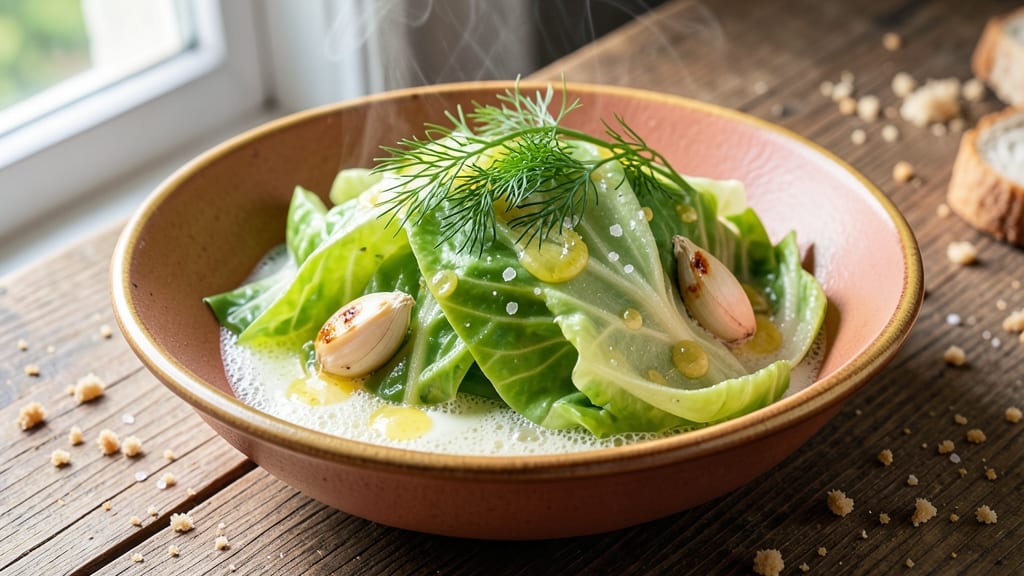
This boiled cabbage recipe transforms a simple vegetable into a savory, aromatic side dish that pairs perfectly with roasted meats or hearty soups. After years of testing variations—including my grandmother’s Sunday roast chicken table—I’ve perfected a method that delivers tender cabbage with crisp edges and bold garlic-dill flavor.
The secret lies in proper preparation and timing, ensuring every bite is flavorful without losing texture.
What makes this recipe stand out is its versatility and simplicity. You’ll need just five key ingredients—cabbage, garlic, dill, butter, and salt—along with 20 minutes of active prep and 15 minutes of boiling time.
The garlic and dill infuse the cabbage with bright, herby notes, while the butter adds richness that elevates it from basic to restaurant-worthy. This method works equally well as a standalone side or a base for salads and sandwiches.
The result is cabbage that’s tender yet crisp, with a fragrant aroma that fills your kitchen. The garlic and dill create a harmonious balance—earthy, fresh, and just slightly tangy—that complements everything from roasted chicken to grilled fish.
Once you try this version, store-bought cabbage sides won’t compare. Ready to elevate your weeknight dinners?
This recipe also scales effortlessly—double the batch for family gatherings or meal prep ahead for three days in the fridge. For extra depth, consider adding a splash of lemon juice or a pinch of smoked paprika. Let’s get cooking!
Ingredients for boiling cabbage
Five essential ingredients transform humble cabbage into a restaurant-worthy side dish with bold garlic-dill flavor.
| Ingredient | Amount | Notes |
|---|---|---|
| Green Cabbage 🥬 | 1 ½ lb | Green cabbage, outer leaves removed |
| Garlic Cloves 🧄 | 4 cloves | Fresh, peeled, minced |
| Fresh Dill 🌿 | ¼ cup | Chopped, stems removed |
| Unsalted Butter 🧈 | 4 tbsp | Cold, cubed for even melting |
| Diamond Crystal Kosher Salt 🧂 | 1 ½ tsp | Fine grain preferred |
| Lemon Juice 🍋 | 1 tbsp | Freshly squeezed, optional |
| Smoked Paprika 🌶️ | ½ tsp | For depth, optional |
| Water 💧 | 4 cups | Filtered or spring water |
The quality of your cabbage matters most. Opt for a firm, heavy head with vibrant green leaves—avoid any with yellowing or wilted sections. Local farmers markets often carry superior quality, but high-end grocery stores like Whole Foods or Trader Joe's also stock excellent options. For garlic, freshly peeled cloves yield superior flavor compared to pre-minced varieties. The dill should be bright green with no brown stems—freshly harvested dill from the produce section delivers the best aroma. Store your cabbage unwrapped in the crisper drawer for up to two weeks before use.
No fresh dill? Dried dill at one-third the amount works in a pinch, though the flavor profile differs slightly. Substitute fresh parsley or chives for a milder herb note if needed. For extra depth, consider adding 1 teaspoon of apple cider vinegar to the boiling water instead of lemon juice. The smoked paprika can be omitted entirely if you prefer a more subtle flavor profile. If you're using pre-shredded cabbage, rinse it thoroughly to remove any excess sodium from processing. For a richer finish, European-style butter like Plugrá adds more flavor than standard American brands.
This cabbage keeps exceptionally well when stored properly. After boiling, transfer it to an airtight container and refrigerate for up to three days. The flavors actually deepen overnight, making it perfect for meal prep. For longer storage, freeze portions in single-serving containers for up to three months. When reheating, add a splash of water or butter to restore moisture. The dish reheats beautifully in the microwave or on the stovetop with a splash of water. For best results, serve at room temperature to appreciate the full aromatic complexity.
Why You'll Love This Recipe
- Here’s what sold me: the way the butter caramelizes into the boiling water, then clings to the cabbage like a hug. Add those raw garlic cloves and fresh dill at the end—chef’s kiss—because nothing beats that bright, herby finish cutting through the richness. It’s like a hug for your taste buds after a long week.
- No-Chop Nightmare: I swear, this recipe is the only time I’ve ever boiled cabbage without crying over the prep. Halve the head, core it, and toss it whole into the pot—no fancy slicing, no shredding. That butter and garlic melt into the water, turning it into a flavor bath while you sip your wine and pretend you’re a fancy chef.
- Butter-Garlic Magic: Here’s what sold me: the way the butter caramelizes into the boiling water, then clings to the cabbage like a hug. Add those raw garlic cloves and fresh dill at the end—chef’s kiss—because nothing beats that bright, herby finish cutting through the richness. It’s like a hug for your taste buds after a long week.
- Leftovers? More Like Leftovers Win: Between us, this dish begs to be made in bulk. The cabbage keeps its texture for days, and the flavor only deepens as it sits. I freeze half the batch in portions—perfect for lazy nights when I just want to dump it into a pan, add some eggs or potatoes, and call it dinner. No sad, wilted greens here.
Step-by-step instructions for savory garlic and dill boiled cabbage
This method transforms simple boiled cabbage into a vibrant, aromatic side dish with crisp-tender texture and layered flavors.
Prepare the Cabbage for Even Cooking
Begin by thoroughly rinsing the 1.5 lb green cabbage under cold water to remove any dirt trapped between the leaves. Remove the outer wilted leaves and cut the cabbage in half lengthwise, then quarter it. Using a sharp chef's knife, carefully slice each quarter into ½-inch thick wedges, keeping the core intact to maintain structure. The wedges should be uniform in size to ensure even cooking throughout.
Transfer the sliced cabbage to a large mixing bowl and toss gently with the 1.5 tsp diamond crystal kosher salt and 0.5 tsp smoked paprika. This seasoning step allows the salt to penetrate the cabbage slightly and infuses the leaves with subtle smokiness. Let it sit for 10 minutes while you prepare the remaining ingredients—this brief resting period helps the cabbage retain its natural moisture during cooking.
Simmer the Cabbage Until Tender-Crisp
In a large, deep pot with a tight-fitting lid, combine the 4 cups water and bring to a rolling boil over high heat. Once boiling, carefully add the seasoned cabbage wedges, ensuring they're submerged. Reduce the heat to medium-low and maintain a gentle simmer—this prevents the cabbage from becoming mushy while allowing it to cook through evenly.
Cover the pot and cook for 12-15 minutes, checking periodically. The cabbage is ready when a knife slides in easily with slight resistance, indicating it's tender but still holds its shape. Avoid overcrowding the pot; if needed, work in batches to maintain even cooking. The water should reduce slightly but not completely evaporate during this time.
Infuse with Garlic and Butter
While the cabbage simmers, melt the 4 tbsp unsalted butter in a separate skillet over medium heat. Add the 4 cloves minced garlic cloves and sauté for 30 seconds until fragrant but not browned—this prevents bitterness. Immediately remove the skillet from heat and stir in the 0.25 cup chopped fresh dill. The dill should wilt slightly, releasing its bright, citrusy aroma.
Once the cabbage reaches tender-crisp doneness, use a slotted spoon to transfer it to a serving dish. Pour the garlic-dill butter mixture over the cabbage, tossing gently to coat each wedge evenly. The butter will create a glossy finish while the garlic and dill infuse the cabbage with their signature flavors. For added brightness, drizzle with the 1 tbsp lemon juice and toss once more.
Rest and Serve with Flavorful Crispness
Let the cabbage rest for 5 minutes before serving. This brief resting period allows the flavors to meld and the cabbage to maintain its ideal texture—crisp edges with tender centers. The cabbage should be vibrant green with a slight sheen from the butter, and each bite should deliver a harmonious blend of garlic, dill, and subtle smokiness from the paprika.
Serve immediately as a side dish alongside grilled meats, roasted vegetables, or hearty soups. The cabbage's bright acidity and aromatic seasoning make it a versatile accompaniment that elevates any main course. For best results, serve while still warm to preserve the crisp-tender texture and vibrant flavors.
Pro Tips For Making Boiling Cabbage
- Cut Cabbage Small: I learned this the hard way—big chunks stay tough and watery. Quarter the cabbage, then slice each wedge into ½-inch ribbons. Smaller pieces cook faster and soak up the butter and garlic like a sponge.
- Salt the Water Generously: Diamond Crystal kosher salt dissolves fast, so throw in 2–3 teaspoons before the cabbage hits the pot. This keeps the leaves crisp instead of turning limp, and it’s the thing that matters most for texture.
- Melt Butter Slowly: After draining the cabbage, toss it in the pot with cold butter and garlic. Turn the heat to medium-low and let the butter melt gradually—sizzling too hard burns it before it coats everything evenly.
- Finish with Fresh Dill: Skip the dried stuff. Stir in 2 tablespoons chopped fresh dill after the cabbage is off the heat. It brightens the flavor without wilting into oblivion like it does in hot liquid. (Yes, even if you’re impatient like me.)
Essential equipment for this dish
Pot Selection Matters
Start with a large, deep pot that can hold the cabbage wedges with at least 2 inches of water above them. I recommend a stainless steel or enameled cast iron pot like the All-Clad Stainless Steel Stockpot—these distribute heat evenly and prevent hot spots that can scorch the cabbage.
Avoid nonstick pots for boiling; they can't handle the high heat needed for proper simmering. A pot with a tight-fitting lid is essential to trap steam and cook the cabbage efficiently. 💫
Essential Tools
You'll need a sharp chef's knife (I use a Wüsthof Classic 8-inch) for clean cuts, and a mandoline if you prefer uniform slices. A slotted spoon is perfect for transferring the cabbage to your serving dish without losing cooking liquid.
For the garlic-dill butter, a small skillet (like a Calphalon Classic 10-inch) works best—it heats quickly and prevents the butter from burning. 🔥
Optional Gadgets
For better flavor control, a garlic press makes mincing cloves effortless. I also love using a microplane to zest lemon directly into the cabbage for extra brightness.
If you're meal prepping, consider a glass storage container with a tight seal—like Pyrex Simply Store—to keep the cabbage fresh for up to three days. These tools aren't mandatory, but they make the process smoother and more enjoyable. ⚡
Budget-Friendly Swaps
No fancy equipment? No problem! A heavy-bottomed pot from your existing kitchen works fine—just avoid thin aluminum or cheap nonstick. For garlic, a garlic smasher or even a rolling pin works in a pinch. Use a wooden spoon instead of a slotted spoon if needed, though you'll lose some liquid.
The key is maintaining even heat and gentle simmering—your basic tools can handle that with the right technique. 💡
Pro Tips for Better Results
Invest in a digital kitchen thermometer (like the Thermoworks Thermapen) to monitor water temperature—ideal simmering range is 185-195°F. This prevents overcooking and ensures consistent texture. For extra crispness, add the cabbage to ice water for 2 minutes after boiling, then drain thoroughly.
This stops the cooking process instantly and keeps edges crisp. 🌡️
Nutrition facts
Frequently asked questions
Can I use red cabbage instead of green cabbage?
Red cabbage works beautifully in this recipe and adds a stunning purple hue to your dish. The flavor profile is slightly sweeter and more robust than green cabbage, so you may want to reduce the smoked paprika to 0.25 tsp to balance the intensity. The cooking time remains the same, but red cabbage may hold its color better if you add 1 tbsp vinegar to the boiling water.
Why does my boiled cabbage turn out mushy?
Overcooking is the most common cause of mushy cabbage. To avoid this, maintain a gentle simmer (not a rolling boil) and cook for exactly 12-15 minutes. Also, ensure your cabbage wedges are uniform in size—thicker pieces need more time, while thinner ones cook faster. If needed, work in batches to prevent overcrowding, which can lower the water temperature and extend cooking time.
How can I make this recipe vegetarian-friendly?
This recipe is already vegetarian, but if you want to add extra protein, consider serving it with a side of white beans or chickpeas. For a heartier dish, top the cabbage with toasted breadcrumbs mixed with herbs. The garlic-dill butter and lemon juice already provide plenty of flavor without any animal products, making it a perfect plant-based side.
Can I prepare this ahead of time for meal prep?
Yes! This cabbage actually tastes better the next day as the flavors meld together. Store it in an airtight container in the fridge for up to three days. When reheating, add a splash of water or butter to restore moisture. For a quick fix, microwave it covered for 1-2 minutes or warm it gently on the stovetop with a pat of butter.
What are some creative ways to serve this cabbage?
Beyond a traditional side dish, try using this cabbage as a filling for stuffed peppers or sandwiches. It also pairs beautifully with grilled chicken, fish fillets, or even as a topping for open-faced toast. For a modern twist, blend it with a little cream cheese and serve as a dip with crackers or veggie sticks.