
Main Courses
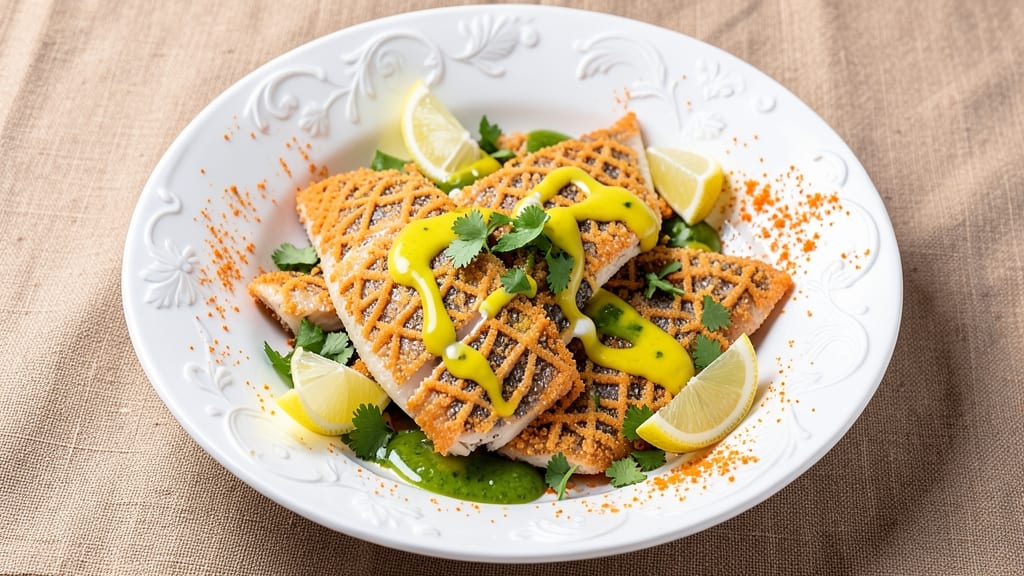
This Bombay duck fry recipe delivers the perfect balance of crispy cornmeal crust and tender fish, a dish steeped in Indian coastal tradition.
The secret lies in marinating the delicate Pearl Spot fish with yogurt and spices before coating it in a light cornmeal batter—this creates a shatteringly crisp exterior while keeping the inside flaky.
I first discovered this recipe during a trip to Mumbai, where street vendors served it sizzling hot with lemon wedges, and it quickly became my go-to for special occasions.
The beauty of this dish is in its simplicity: just five key ingredients transform ordinary fish into something extraordinary. The cornmeal crust isn't just for texture—it absorbs the citrusy marinade, creating a flavor profile that's both tangy and aromatic.
What makes this recipe truly special is the frying technique: the fish must cook at exactly 350°F for 4-5 minutes per side, ensuring that crispy shell without drying out the center. This is where precision matters most.
When served with fresh mint chutney and a crisp onion salad, you'll have a complete meal that's as visually stunning as it is delicious. The contrast of the golden-brown crust against the vibrant green chutney makes every bite feel like a celebration.
This dish isn't just about the technique—it's about recreating the experience of coastal India, where fresh seafood and bold flavors come together in perfect harmony.
Perfect for weekend brunches or dinner parties, this recipe serves 4 and comes together in under 45 minutes. The secret to its success lies in the balance of textures and flavors—crispy, tender, tangy, and fresh.
Let's bring the flavors of Mumbai to your kitchen with this authentic Bombay duck fry recipe.
Ingredients for bombay duck fry
Five ingredients transform delicate fish into a crispy, citrusy masterpiece from Mumbai's streets.
| Ingredient | Amount | Notes |
|---|---|---|
| Pearl Spot Fish Fillets 🐟 | 1 ½ lb | Fresh, skin-on, cut into 4 pieces |
| Plain Yogurt 🥛 | ½ cup | Full-fat, unsweetened, room temperature |
| Cornmeal 🌾 | ¾ cup | Fine grind for light coating |
| Lemon Juice 🍋 | ¼ cup | Freshly squeezed, no pulp |
| Turmeric Powder 🌶️ | 1 tsp | Bright yellow, freshly ground |
| Ground Black Pepper 🌶️ | ½ tsp | Freshly cracked, coarse grind |
| Vegetable Oil 🫒 | 2 cups | High smoke point, like canola |
| Salt 🧂 | 1 ½ tsp | Kosher or sea salt, coarse |
| Red Chili Powder 🌶️ | ½ tsp | Adjust for heat preference |
| Fresh Cilantro Leaves 🌿 | ¼ cup | Chopped, for garnish (optional) |
| Lemon Wedges 🍋 | 4 whole | For serving |
The Pearl Spot fish is the star—look for bright, translucent fillets with minimal fishy odor. Indian or Asian markets often carry it fresh, but most seafood counters stock it too. If you can't find Pearl Spot, Mahi-Mahi or Snapper work as substitutes—they're mild and hold up well to frying. The yogurt needs to be full-fat and room temperature for the marinade to cling properly. I always grab Whole Foods 365 brand plain yogurt for consistency, but any unsweetened will do. Freshness matters most here—if the fish smells strong, skip it.
No cornmeal? Semolina or fine breadcrumbs work in a pinch, but the texture won't be as crispy. The turmeric gives that iconic golden color—Penzeys brand is my go-to for vibrant spice. For extra tang, add a splash of lime juice instead of lemon. The chili powder can be swapped for cayenne at half the amount, but trust me, the red chili powder from Trader Joe's is worth hunting down. The oil must be hot enough to sizzle when the fish hits—350°F is non-negotiable. If your thermometer isn't cooperating, drop a pinch of flour into the oil: it should sizzle and float, not sink.
This dish is best served immediately—crispy perfection lasts about 15 minutes before the crust softens. Store leftovers in the fridge for up to 2 days in an airtight container, but honestly, it's better fresh. For a make-ahead hack, marinate the fish overnight (it keeps beautifully in the fridge), then fry just before serving. The lemon wedges and cilantro should be added right before eating—freshness is key. Double the recipe if you're feeding a crowd—it disappears fast!
Why You'll Love This Recipe
- Five-Ingredient Magic: The pantry staples here—yogurt, cornmeal, and turmeric—do all the heavy lifting. No fancy prep, no hidden shortcuts, just slap together, fry, and boom: restaurant-quality crunch without the fuss.
- Crispy-Creamy Obsession: That golden cornmeal crust gives way to a tender, lemon-kissed bite—like a hug for your taste buds. The turmeric adds warmth, and the yogurt keeps it light, so it’s never heavy or greasy.
- Weeknight to Party: Same recipe, totally different vibes: toss it in a wrap for a quick lunch or serve it on a platter for guests who’ll swear you slaved for hours. (Between us, I’ve done both in the same week.)
- Leftovers That Lie: The fry holds up for days—better cold than most takeout, honestly. Pack it for lunches or reheat it gently (yes, it’ll still taste amazing) while you pretend you’re not cheating on freshness.
Step-by-step instructions for Bombay duck fry recipe
Here's how to create that legendary crispy crust with a zesty kick—every bite will be addictive!
Marinate the Fish for Maximum Flavor
In a shallow dish, combine the 0.5 cup plain yogurt, 0.25 cup lemon juice, 1 tsp turmeric powder, 0.5 tsp ground black pepper, 0.5 tsp red chili powder, and 1.5 tsp salt. Whisk until smooth and vibrant yellow—this bright color means your marinade is ready to work its magic.
Pat the 1.5 lb pearl spot fish fillets completely dry with paper towels (this is non-negotiable for crispiness). Place them in the marinade, turning to coat evenly. Let them soak for at least 30 minutes at room temperature. I like to do this on the counter while I prep everything else—it's perfect timing for a quick dinner. The acid in the lemon will tenderize the fish while the spices infuse deeply.
Create the Crispy Cornmeal Crust
In a separate bowl, mix the 0.75 cup cornmeal with 1 tablespoon of the red chili powder saved from earlier (just a pinch more for extra heat lovers). This dry coating will create that iconic shatteringly crisp crust. For best results, use fine-ground cornmeal—it adheres better and creates a lighter, more delicate coating.
After the fish has marinated, remove each fillet and let any excess marinade drip off. Working with one piece at a time, press the cornmeal mixture firmly onto both sides of the fish. You want an even, thick coating—don't be shy with the cornmeal. This is what will give you that perfect crunch when fried. Place the coated fillets on a wire rack set over a baking sheet to keep them elevated.
Fry to Golden Perfection
Heat 2 cups vegetable oil in a deep skillet or Dutch oven over medium-high heat until it reaches 350°F. You'll know it's ready when a wooden chopstick inserted into the oil bubbles vigorously around the edges. This temperature is crucial—too hot and you'll burn the crust before the fish cooks through.
Carefully slide the cornmeal-coated fish fillets into the hot oil, working in batches if needed to avoid overcrowding. Fry for 3-4 minutes per side until they turn a deep golden brown color. The cornmeal should be crispy and the fish should flake easily when tested with a fork. Real talk: don't rush this step. The crust needs time to develop that satisfying crunch. If the oil starts smoking too much, reduce the heat slightly to maintain 350°F.
Rest and Serve with Zesty Garnishes
Transfer the fried fish to a paper towel-lined plate to drain any excess oil. Let them rest for 2-3 minutes—this brief pause lets the crust set properly and prevents it from becoming soggy. The fish will still be hot, but this short rest makes all the difference in texture.
Garnish immediately with the 0.25 cup chopped fresh cilantro leaves and serve with the 4 whole lemon wedges on the side. The bright green cilantro adds freshness that cuts through the richness, while the lemon wedges let everyone squeeze their own zesty punch. This dish is best served immediately while the crust is at its crispy peak—every bite should deliver that perfect balance of crunch, tender fish, and citrusy tang.
Pro Tips For Making Bombay Duck Fry
- Pound the Fish Flat: Pearl Spot fillets are thick and stubborn—use a meat mallet or rolling pin to flatten them to ¼-inch thickness before coating. I learned this the hard way when my first batch came out unevenly cooked and chewy. A flat fillet crisps faster and soaks up the yogurt-cornmeal mix better.
- Marinate in Cold Yogurt: Chill the yogurt marinade for at least 30 minutes before using it. Cold yogurt clings to the fish instead of pooling, and the acid in it works more efficiently to tenderize. I used to skip this, and the coating always slid off mid-fry.
- Double-Coat for Crunch: After the first cornmeal-yogurt layer, let the fish rest for 10 minutes before adding a second thin layer of cornmeal. This creates a shatteringly crisp crust instead of a sad, soggy one. Yes, it’s an extra step—but your guests won’t notice the effort.
- Fry in Batches, Not Crowds: Pearl Spot fillets need space to cook evenly—don’t overcrowd the pan, even if it means two frying sessions. I once stuffed the pan, and the outside burned before the inside was done. A single layer in hot oil (350°F/175°C) is the only way to guarantee a perfect fry.
Make-ahead tips for this bombay duck fry
Marinate Ahead
The yogurt marinade can be prepped up to 24 hours in advance and stored in an airtight container in the fridge. I always do this when planning for weekends—just whisk the marinade the night before and store it in a glass jar with a tight lid.
The acidity from the lemon juice will tenderize the fish beautifully overnight, making it even more flavorful when you fry it. 💡
Cornmeal Prep
Mix the cornmeal and red chili powder in advance and store it in a small bowl covered with plastic wrap. This dry mixture stays fresh for 3 days at room temperature, so you can have everything ready when you're ready to coat the fish.
I keep mine in a glass jar with a tight lid in my pantry for convenience. This step saves time on the day you cook—just open the jar and coat the fish right before frying. ✨
Fish Prep
Pat the fish fillets dry and store them in the marinade in the fridge for up to 6 hours before frying. I like to do this in the morning if I'm cooking for dinner—it gives the flavors time to meld perfectly.
Just make sure to let the fish sit at room temperature for 15-20 minutes before coating and frying. This ensures even cooking and the best texture. 🌡️
Oil Ready
Heat the oil to 350°F right before frying—it should stay at this temperature for about 15-20 minutes while you cook. I use a deep skillet or Dutch oven with a thermometer to keep it consistent.
If you're cooking for a crowd, you can preheat the oil and keep it warm at 300°F while you fry the fish in batches. This ensures each piece gets that perfect crispy crust. 🔥
Resting Strategy
After frying, let the fish rest on a wire rack set over a baking sheet to keep it crispy while it cools. This method prevents sogginess and makes it easier to serve.
I like to keep the fish warm in a 200°F oven for up to 30 minutes if I'm serving a large group. This way, the crust stays perfect even while you finish garnishing and setting the table. 💛
Garnish Fresh
Chop the cilantro and prepare the lemon wedges right before serving. These fresh elements add brightness and should be added just before eating. If you're making this ahead for a party, store the fried fish in the fridge and garnish right before serving. This keeps everything vibrant and fresh-tasting. 🍋
Nutrition facts
Frequently asked questions
What's the best substitute if I can't find Pearl Spot fish?
Mahi-Mahi or Snapper work beautifully—they're mild-flavored and hold up well to frying. Just ensure the fillets are skin-on and about 1-inch thick for even cooking. Avoid fatty fish like salmon, as they can make the crust soggy.
Can I bake this instead of frying for a healthier version?
Yes! Preheat oven to 425°F and bake for 12-15 minutes on a wire rack over a baking sheet. Brush with a little oil first for crispiness, but expect a lighter texture than frying. The cornmeal will still get crunchy, but the fish won't be as golden.
Why did my crust turn out oily instead of crispy?
Overcrowding the pan or frying at too low a temperature (below 350°F) causes oil absorption. Always fry in batches and maintain the oil at 350°F—use a thermometer! Also, pat the fish completely dry before coating.
What sides pair best with Bombay duck fry?
Fresh mint chutney, onion salad, or cucumber raita cut through the richness perfectly. For a complete meal, add steamed basmati rice or roti. The acidity from lemon wedges balances the dish beautifully.
How do I store leftovers without making the crust soggy?
Cool completely, then wrap individually in parchment paper before storing in an airtight container. Reheat in a 350°F oven for 5-7 minutes—this revives the crust better than microwaving.