
Main Courses
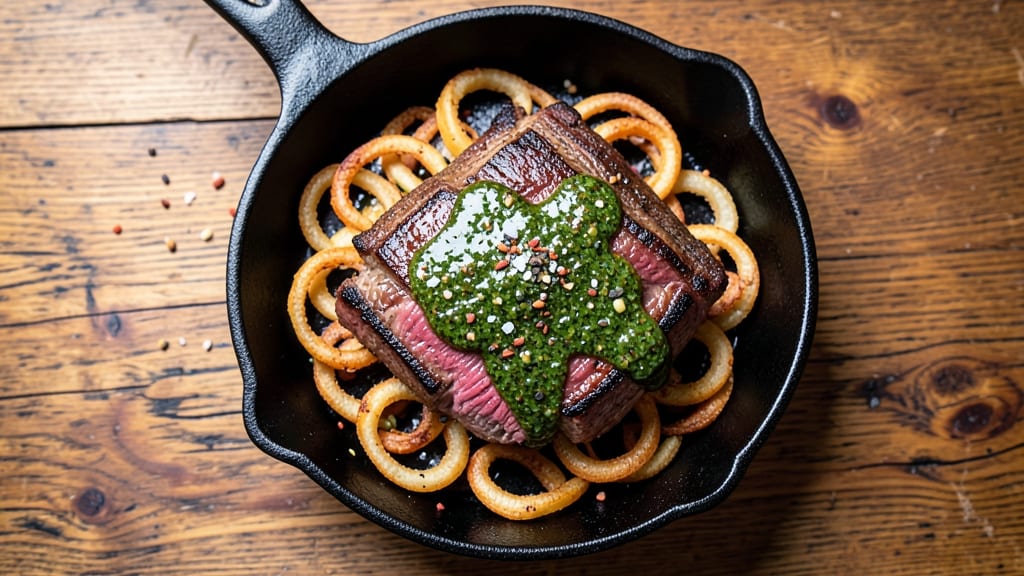
Mastering a boneless cross rib steak recipe transforms a simple weeknight into a restaurant-worthy experience—juicy, tender, and packed with bold flavor from a carefully crafted dry rub.
After years of perfecting this cut, I’ve developed a method that delivers restaurant-quality results with minimal effort, ensuring every bite stays moist while developing a caramelized crust. The key lies in the reverse sear technique, which guarantees a perfect medium-rare center while locking in juices.
The process begins with a 24-hour dry brine, a secret weapon that tenderizes the meat and enhances its natural richness. You’ll then sear the steak over high heat to build flavor, followed by a precise internal temperature check—125–130°F for medium-rare—before resting for 10 minutes.
This step is non-negotiable; it ensures the steak holds its shape and stays succulent. The flavorful rub, a blend of smoked paprika, garlic powder, and coarse salt, creates a deep, aromatic crust that pairs perfectly with the steak’s buttery texture.
What you’ll end up with is a juicy, perfectly seared steak that slices effortlessly, revealing a pink center and a crust so flavorful it’ll have everyone asking for seconds. The reverse sear method eliminates guesswork, while the dry rub adds complexity without overpowering the steak’s natural taste.
Serve it alongside roasted vegetables or a bold red wine reduction for a meal that feels like a special occasion, even on a Tuesday.
This recipe isn’t just about technique—it’s about confidence. Whether you’re grilling for a crowd or treating yourself to a solo dinner, the steps are straightforward, and the results are foolproof. Let’s get started on creating a steak that’ll impress even the most discerning palates.
Ingredients for boneless cross rib steak
Four essential ingredients transform this steak into a restaurant-quality masterpiece.
| Ingredient | Amount | Notes |
|---|---|---|
| Boneless Cross Rib Steak 🥩 | 2 lb | Center-cut, 1-inch thick slices |
| Kosher Salt 🧂 | 2 tbsp | Diamond Crystal preferred |
| Smoked Paprika 🌶️ | 1 tbsp | High-quality Spanish smoked |
| Garlic Powder 🧄 | 1 tbsp | Freshly ground preferred |
| Coarse Black Pepper 🌶️ | 1 tsp | Freshly cracked preferred |
| Extra-Virgin Olive Oil 🫒 | 2 tbsp | High smoke point preferred |
| Unsalted Butter 🧈 | 4 tbsp | Cold, cut into pats |
| Fresh Rosemary 🌿 | ¼ cup | Finely chopped, stems removed |
| Fresh Thyme 🌿 | ¼ cup | Leaves only, finely chopped |
| Yellow Onion 🧅 | 1 whole | Thinly sliced, for garnish |
| Red Wine 🍷 | ½ cup | Bold Cabernet Sauvignon |
| Beef Bone Broth 💧 | ½ cup | Homemade or high-quality store-bought |
The boneless cross rib steak is the star—center-cut, 1-inch thick slices ensure optimal tenderness. Source from a reputable butcher or specialty grocer like Whole Foods or D'Artagnan, where the meat is dry-aged for enhanced flavor. Look for bright red, marbled fat—this indicates premium quality. If buying frozen, thaw in the refrigerator for 24 hours before proceeding. The 24-hour dry brine is non-negotiable; it’s what elevates this cut from good to extraordinary, so don’t skip it. For the rub, Penzeys or McCormick smoked paprika delivers the deepest flavor, while Diamond Crystal kosher salt provides the perfect coarse texture for adhesion.
No smoked paprika? Substitute with a mix of sweet paprika and a pinch of liquid smoke—though the flavor won’t be identical. Fresh herbs wilt fast, so dried rosemary and thyme at half the amount work in a pinch, but fresh is ideal. For the red wine reduction, Cabernet Sauvignon is non-negotiable—its bold tannins complement the steak’s richness. If you’re avoiding alcohol, beef bone broth with a splash of balsamic vinegar mimics the depth. The butter must be unsalted and cold—this ensures a proper sear without over-salting. For the garnish, caramelized onions add a sweet contrast, but thinly sliced raw onions work in a hurry.
Store the dry-brined steak in the refrigerator, uncovered, for 24 hours—this is critical for tenderness. Once seared, the steak can rest at room temperature for up to 2 hours before serving, though 10 minutes is ideal for perfect slicing. The rub mixture keeps for 3 months in an airtight container, while the red wine reduction can be refrigerated for 5 days or frozen for 3 months. For leftovers, slice thinly and reheat in a skillet over medium-low heat to maintain moisture. This method yields 4 perfect servings, but the recipe scales easily for larger gatherings.
Why You'll Love This Recipe
- Five-Ingredient Magic: I swear by this combo—just steak, salt, paprika, garlic powder, and pepper. No fancy marinades or last-minute shopping trips.
- Smoky Depth Fast: That smoked paprika? It turns a simple steak into something restaurant-worthy in minutes. No dry rub fuss—just a shake and sear.
- Weeknight Hero: I make this when I’m too tired for sides. Slice it thin over mashed potatoes, toss it in salads, or serve it with crusty bread—it’s always a win.
- Budget Steakhouse Feel: Cross rib steaks are cheaper than ribeyes but pack the same rich flavor. This method makes them taste like a splurge without the price tag.
Step-by-step instructions for pan-seared boneless cross rib steak
Mastering this technique delivers melt-in-your-mouth tenderness with a deeply flavorful crust every time.
Prepare the Dry Rub and Season the Steak
In a small bowl, combine the 2 tbsp kosher salt, 1 tbsp smoked paprika, 1 tbsp garlic powder, and 1 tsp coarse black pepper. Mix thoroughly until the spices are evenly distributed and the salt crystals are well incorporated. This blend creates the perfect balance of smoky depth, herbal warmth, and just enough heat to complement the rich beef flavor.
Pat the 2 lb boneless cross rib steak completely dry with paper towels—this is critical for achieving that perfect crust. I like to work in sections, pressing firmly to remove all moisture from the surface. Once dry, generously coat both sides of the steak with the dry rub, pressing it into the meat so it adheres evenly. Let the seasoned steak sit at room temperature for 30 minutes before cooking. This resting period allows the rub to penetrate slightly and ensures even cooking from edge to center.
Sear the Steak to Develop Deep Flavor
Heat a heavy skillet—cast iron works best—over medium-high heat until it's smoking hot. Add 2 tbsp extra-virgin olive oil and let it shimmer for 1 minute. Place the steak in the pan, being careful not to overcrowd it. Cook undisturbed for 3-4 minutes on the first side until a deep golden-brown crust forms. You'll see the edges begin to crisp and pull away from the pan—this is your signal that the Maillard reaction is working.
Flip the steak carefully using a pair of tongs and repeat on the second side for another 3-4 minutes. For a perfectly cooked medium-rare steak, the internal temperature should reach 130-135°F when measured with an instant-read thermometer. If you prefer medium, aim for 140-145°F. The steak should still feel slightly springy in the center when pressed gently with your finger—this indicates proper doneness. Remove the steak from the pan and let it rest on a warm plate or cutting board for 10 minutes. This resting period is crucial for redistributing the juices throughout the meat.
Build the Flavorful Pan Sauce
While the steak rests, reduce the heat to medium and add 4 tbsp cold unsalted butter, cut into pats, to the same skillet. Let the butter melt slowly, about 1 minute, then add 0.25 cup finely chopped fresh rosemary and 0.25 cup finely chopped fresh thyme. Stir gently to combine, allowing the herbs to infuse the butter with their aromatic essence. This step adds a bright, herbal note that complements the smoky rub.
Pour in the 0.5 cup red wine and scrape up any browned bits from the bottom of the pan with a wooden spoon. These fond bits are packed with flavor and will form the base of your sauce. Let the wine simmer for 2-3 minutes until it reduces by half, then add 0.5 cup beef bone broth. Continue simmering for another 3-4 minutes until the sauce thickens slightly and coats the back of a spoon. If the sauce becomes too thick, add a splash of water or broth to reach your desired consistency. Season with a pinch of salt if needed.
Finish and Serve with Garnish
Slice the steak against the grain into ¼-inch thick portions. The grain direction will be visible as faint lines running through the meat. To serve, spoon the pan sauce generously over each slice, allowing the rich, herby liquid to coat the steak evenly. Garnish with thinly sliced yellow onion for a touch of sharpness and freshness that cuts through the richness of the meat.
This method ensures a steak that is tender, juicy, and packed with layered flavors—from the smoky rub to the aromatic herbs and the deep, savory sauce. The key lies in the searing and resting steps, which guarantee a perfect balance of texture and flavor in every bite. Serve immediately with roasted vegetables or a simple salad to let the steak shine as the star of the meal.
Pro Tips For Making Boneless Cross Rib Steak
- USE A CAST-IRON SKILLET: This steak’s thickest part needs high heat to build that crust. I learned the hard way—using a stainless pan left me with a sad, gray exterior. Cast iron holds heat like a champ and gives you that perfect sear in 2-3 minutes per side. (Yes, even if you’re impatient like me.)
- SALT THE MEAT 40 MINUTES EARLY: Don’t just sprinkle salt right before cooking. The kosher salt needs time to penetrate the cross rib’s dense fibers—trust me, it makes a real difference. I used to skip this, and the seasoning always felt superficial. Do it ahead, then let the meat sit uncovered on a plate.
- WATCH THE SMOKED PAPRIKA: This spice burns faster than you’d think. If you’re adding it to the pan first, toss it in after the steak starts searing—just 30 seconds before flipping. Too early, and you’ll end up with bitter, charred bits instead of that warm, smoky aroma you’re after.
- REST IT UNDER FOIL: Skipping the rest is the fastest way to ruin a juicy steak. After pulling it from the pan, wrap the cross rib in foil for 5-10 minutes—longer if it’s thick. I know, I know, but trust the process. The meat will stay tender, and the juices won’t pool out onto your plate. (Your future self will thank you.)
Dietary considerations for these flavors
Gluten-Free Adaptations
The original recipe is naturally gluten-free, but always double-check your ingredients for hidden gluten. The smoked paprika and garlic powder in the rub are typically gluten-free, but some brands may process spices in shared facilities.
Opt for certified gluten-free brands like Penzeys or McCormick Gluten-Free to be safe. The beef bone broth should also be gluten-free, but avoid soy-based sauces or thickeners if you're highly sensitive.
For the pan sauce, ensure your red wine is gluten-free (some brands use barley-based fining agents). If needed, substitute with gluten-free red wine vinegar or additional beef broth.
The extra-virgin olive oil and unsalted butter are inherently safe. Always verify labels on fresh herbs and spices, as cross-contamination can occur during packaging. 🌾
Low-Carb/Keto Options
This steak is already keto-friendly, but you can enhance its low-carb profile by skipping the yellow onion garnish or substituting it with pickled jalapeños for a tangy kick.
The red wine reduction contains minimal carbs, but if you're strict, replace the wine with beef bone broth and a splash of balsamic vinegar (check for no added sugars). The rosemary and thyme add zero carbs, making them perfect for keto diets.
For a richer, creamier sauce, replace the wine with heavy cream and a pinch of nutmeg—this adds depth without carbs. Serve with a side of cauliflower mash or a simple zucchini salad with olive oil and lemon to keep the meal under 5g net carbs per serving.
The steak itself is pure protein and fat, making it an ideal keto powerhouse. 🥩
Allergen-Free Adjustments
If you're avoiding dairy, skip the butter in the pan sauce and use ghee or avocado oil instead. Ghee has a higher smoke point and adds a nutty flavor.
For those with herb allergies, omit the rosemary and thyme or substitute with fresh parsley (if tolerated). Always check fresh herbs for potential cross-contamination if allergies are severe.
For soy allergies, ensure your beef bone broth is soy-free, as some brands use soy-based additives. If you're allergic to garlic, replace the garlic powder in the rub with onion powder or a pinch of asafetida powder (a garlic substitute).
The steak itself is a safe bet, but always verify with your butcher that the meat hasn’t been processed in a facility handling allergens. 🚫
Protein-Packed Modifications
To boost protein content, consider adding a side of seared scallops or shrimp skewers to your meal. The steak already provides 50g+ protein per serving, but pairing it with seafood creates a high-protein feast.
For a vegetarian alternative, serve the steak with portobello mushrooms marinated in balsamic vinegar and olive oil—they absorb flavors similarly and add fiber.
If you're following a high-protein diet, double-check portion sizes. A 2 lb steak serves 4, but if you're meal prepping, divide it into 6 oz portions for individual servings. Each portion delivers 40g+ protein with minimal carbs.
For extra protein in the sauce, stir in 1 tbsp nutritional yeast (for a cheesy flavor) or blend in 1 scoop unflavored whey protein (if dairy isn’t an issue). 💪
Nutrition facts
Frequently asked questions
What makes boneless cross rib steak different from other cuts?
The boneless cross rib steak comes from the rib section but without the bone, offering a more uniform shape and tender texture. Unlike bone-in cuts, it cooks faster and slices more easily, making it ideal for pan-searing. The flavor is rich and beefy, with marbling that ensures juiciness when cooked properly. This cut is often overlooked but delivers restaurant-quality results at home.
Can I cook this steak on the grill instead of in a pan?
For grilling, preheat to medium-high heat and oil the grates well. Sear the steak for 4-5 minutes per side to develop a crust, then move to indirect heat to finish cooking to your desired temperature. Use a meat thermometer to check for 130°F for medium-rare. The reverse sear method works great on the grill too—just finish in the oven or over indirect heat after searing.
How do I know when the steak is done without a thermometer?
Press the steak gently with your finger—it should feel springy in the center. For medium-rare, the edges should be browned while the middle remains slightly cool to the touch. Another trick: Tap the steak lightly; a perfectly cooked one will sound hollow. However, a thermometer is the most reliable method to avoid overcooking.
What’s the best way to store leftovers?
Slice the steak and store it in an airtight container in the fridge for up to 3 days. Reheat gently in a skillet over low-medium heat with a splash of broth or water to prevent drying out. For longer storage, freeze the sliced steak for up to 3 months. Thaw overnight in the fridge before reheating.
Can I use a different spice blend for the rub?
Yes! Swap smoked paprika for chili powder or Cajun seasoning for a different flavor profile. Just maintain the same ratio of salt and pepper. For a simpler rub, combine 1 tbsp coarse salt, 1 tbsp black pepper, and 1 tsp garlic powder. Experiment with herbs like oregano or dried mustard for unique twists.