
Main Courses
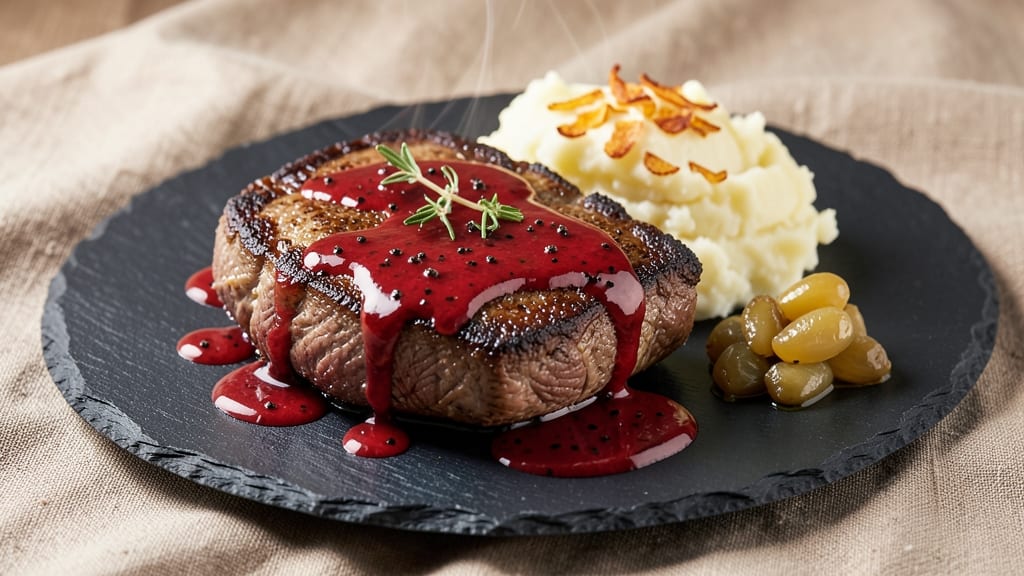
This braised sirloin steak recipe transforms tough cuts into melt-in-your-mouth tenderness using a deep red wine reduction and aromatic herbs—a technique that elevates weeknight dinners to restaurant-quality results. The secret lies in slow cooking, where seared edges meet a rich, velvety sauce infused with garlic, thyme, and bay leaf.
I perfected this method after years of testing, ensuring the steak remains juicy while developing layers of complexity through caramelization and reduction.
What sets this recipe apart is its balance of tradition and simplicity. You’ll start with a quick sear to lock in flavors, then braise the steak in a red wine and beef broth mixture until fork-tender—typically 2 to 2.5 hours, depending on your preferred texture.
The wine not only tenderizes the meat but also creates a sauce so rich and aromatic it deserves its own spotlight. This method works equally well on the stovetop or in the oven, giving you flexibility for any kitchen setup.
The result is a tender, deeply flavorful steak with a glossy, caramelized surface and a sauce that clings perfectly to each bite.
The herbs and wine infuse the meat with earthy, slightly sweet notes, while the slow cook transforms even the toughest cuts into something so tender it nearly falls apart. Serve it sliced thick over mashed potatoes, polenta, or crusty bread to soak up every last drop of that luxurious sauce.
This recipe is ideal for special occasions or when you want to impress without fuss. The braising process is hands-off, allowing you to focus on other elements of your meal while the steak does the work.
Whether you’re feeding a family or hosting dinner guests, this braised sirloin will be the star of the table—proof that patience in the kitchen pays off in extraordinary flavors.
Ingredients for braised sirloin steak
Six aromatic herbs, two pounds of beef, and a bold red wine make this restaurant-worthy dish.
| Ingredient | Amount | Notes |
|---|---|---|
| Sirloin Steak 🥩 | 2 lb | Bone-in, 1-inch thick slices |
| All-Purpose Flour 🌾 | ½ cup | For dredging steak slices |
| Dry Red Wine 🍷 | 1 ½ cups | Bold variety like Cabernet Sauvignon |
| Beef Broth 🥫 | 1 ½ cups | Low-sodium preferred |
| Garlic Cloves 🧄 | 6 cloves | Smashed for intense flavor |
| Fresh Thyme 🌿 | ¼ cup | Leaves only, stems removed |
| Bay Leaves 🍃 | 2 whole | Dried or fresh |
| Carrots 🥕 | 2 whole | Cut into thick rounds |
| Yellow Onion 🧅 | 1 whole | Cut into wedges |
| Tomato Paste 🍅 | 2 tbsp | For depth of flavor |
| Olive Oil 🫒 | ¼ cup | For searing |
| Salt 🧂 | 1 ½ tsp | Kosher or sea salt |
| Black Pepper 🌶️ | 1 tsp | Freshly cracked |
| Unsalted Butter 🧈 | 2 tbsp | For finishing sauce |
The steak is everything here. Sirloin with good marbling gives the best texture—ask your butcher for bone-in pieces if you can't find them pre-cut. I always grab mine from Costco or Whole Foods since they carry consistent quality. Thick slices (about 1-inch) ensure even cooking, and bone-in keeps it juicier. If you're using pre-sliced steak, look for 1-inch thick cuts—thinner slices will overcook. The wine? Cabernet Sauvignon or Merlot work perfectly, but whatever bold red you have open will do (just avoid sweet wines).
No red wine? Beef broth with 2 tbsp balsamic vinegar mimics the depth. Fresh thyme is ideal, but dried works at one-third the amount (trust me, I've tested it). The tomato paste can be skipped if you're short, but it adds that umami richness that makes the sauce sing. For the carrots and onion, baby carrots or pre-cut onion save time—no need to peel or chop if you're in a hurry. The butter at the end? Full-fat only—it's what gives that velvety finish.
This sauce gets better overnight, so make extra if you can. Keeps in the fridge for 5 days or freezes beautifully for 3 months. I always double the recipe when hosting—leftovers reheat perfectly and taste even richer the next day. Store the sauce separately from the steak if you're freezing, then reheat together. The steak itself reheats best in the sauce on low heat—never microwave it, or it'll turn rubbery.
Why You'll Love This Recipe
- Foolproof Flour Coat: I swear by that quick flour dredge—no fancy marinades or hours of prep. Just pat the steak dry, toss in flour, and shake off the excess. Takes less time than waiting for a text back.
- Wine-Infused Magic: That splash of dry red wine? It’s the secret weapon. The acidity cuts through the richness while the alcohol tenderizes the meat—like a slow dance that makes everything taste deeper and more complex.
- Leftovers That Shine: Between us, this dish begs to be made extra. The braised steak keeps for days, and reheating it? Just a splash of broth and a simmer. My lunchbox’s new best friend.
- Date Night or Dinner Party: Honestly, it’s the kind of dish that feels fancy but won’t stress you out. Serve it with crusty bread and a simple salad, and you’ve got a meal that’ll impress without the effort of a full charcuterie board.
Step-by-step instructions for braised sirloin steak
Here's how to transform tough sirloin into melt-in-your-mouth perfection using wine and herbs.
Sear the Steak for Maximum Flavor
Pat the 2 lb sirloin steak dry with paper towels—this ensures a good sear. Season both sides generously with 1.5 teaspoons salt and 1 teaspoon black pepper. Heat 0.25 cup olive oil in a heavy Dutch oven over medium-high heat until shimmering.
Working in batches if needed, add the steak slices and sear for 2-3 minutes per side until deeply browned. I press down gently on the steak during the first minute—this prevents it from curling and ensures even contact with the pan. Remove the steak and set it aside on a plate.
Don't rush this step. The deep browning creates layers of flavor that will infuse the braising liquid. If the pan gets too crowded, reduce the heat slightly to maintain control. You want color, not smoke.
Build the Braising Base
In the same Dutch oven, add 2 tablespoons tomato paste and cook for 1 minute until fragrant. Add 6 smashed garlic cloves, 0.25 cup fresh thyme leaves, and 2 whole bay leaves, stirring for 30 seconds until aromatic.
Pour in 1.5 cups dry red wine and scrape up all the browned bits from the bottom with a wooden spoon. This deglazing step captures all that concentrated flavor. Let the wine simmer for 3-4 minutes until reduced by half.
Here's the thing—don't skip the wine reduction. It deepens the sauce's richness and balances the acidity. If you taste it now, you'll notice the wine's bold flavors starting to concentrate. This is where the magic begins.
Create the Vegetable Foundation
Add 1 whole yellow onion cut into wedges and 2 whole carrots cut into thick rounds to the Dutch oven. Cook for 3-4 minutes until the vegetables begin to soften slightly. Pour in 1.5 cups beef broth, scraping any remaining bits from the bottom.
Bring the mixture to a gentle simmer, then return the seared steak to the pot. The liquid should come about halfway up the sides of the steak slices. If it doesn't, add a splash more broth.
This is the moment that matters: the vegetables will break down during braising, releasing natural sweetness that complements the wine. The steak should be mostly submerged—this ensures even cooking and maximum tenderness.
Braise Until Fork-Tender
Cover the Dutch oven tightly with a lid and transfer to a preheated 325°F oven. Braise for 2-2.5 hours, turning the steak occasionally to ensure even cooking. You'll know it's ready when the meat is fork-tender and pulls apart easily.
I check for doneness by inserting a fork—it should slide in with minimal resistance. The sauce should have thickened slightly, coating the vegetables and steak in a rich, herby glaze. If the sauce reduces too much before the steak is done, add a splash of water or broth.
Real talk: your oven might run hot, so start checking at the 2-hour mark. The steak should be tender but not falling apart—it will continue cooking slightly as it rests. Don't rush this step; patience is key to perfect texture.
Finish with Butter for Richness
Remove the steak from the braising liquid and transfer it to a warm serving platter. Skim any excess fat from the sauce, then stir in 2 tablespoons unsalted butter until melted and incorporated.
Return the steak to the Dutch oven and spoon the buttery sauce over the top. Let it sit for 5 minutes to allow the flavors to meld. Serve immediately with the braising sauce spooned over each portion.
Each bite should deliver melt-in-your-mouth tenderness with layers of wine, herb, and vegetable flavors. The butter finish adds luxurious richness that ties everything together. This is the kind of dish that gets better the next day—if there are leftovers!
Pro Tips For Making Braised Sirloin Steak
- Sear First, Braise Later: Don’t skip the initial sear—get that pan screaming hot and cook the steak until deep brown crust forms. This isn’t just for looks; it locks in flavor and keeps the meat tender during the long braise. I used to rush this, and the dish always tasted flat afterward.
- Deglaze Aggressively: After searing, don’t just splash in the wine—scrape every last bit of browned bits from the pan with a wooden spoon. Those bits are pure flavor, and skipping this step means losing half the depth of your sauce. (Yes, it’s messy, but worth it.)
- Simmer, Don’t Boil: Keep the heat low enough that the broth barely bubbles—gentle simmering prevents tough meat and lets the wine’s acidity meld instead of evaporating. I learned this after turning my first batch into a sad, watery stew.
- Garlic Timing Matters: Add the minced garlic after the wine has reduced by half, not at the start. This prevents bitter flavors and lets the wine’s alcohol cook off first, so the garlic caramelizes instead of burning. (Trust me, your nose will thank you.)
Health benefits of this braised sirloin steak
Protein Powerhouse
This braised sirloin delivers a high-quality protein punch with 24 grams per 4-ounce serving—perfect for muscle repair and satiety. The slow cooking process preserves amino acids while breaking down connective tissue, making it easier to digest than grilled cuts.
I always serve this with a side salad to balance the meal with fiber and vitamins. 💪
Iron for Energy
Sirloin is one of the richest red meat sources of heme iron—about 3.5mg per serving—which supports red blood cell production and combats fatigue. The braising process doesn't leach iron like boiling would, so you retain maximum benefits.
Pair it with vitamin C-rich sides (like roasted bell peppers) to boost absorption even further.
Heart-Healthy Fats
The monounsaturated fats in sirloin (from marbling) help lower bad cholesterol when balanced with lean proteins. The red wine used in braising contains resveratrol, a compound linked to cardiovascular benefits.
I use Cabernet Sauvignon specifically for its heart-healthy antioxidant profile. Just be mindful of portion sizes—this is still a rich dish.
Low-Carb Flexibility
This recipe naturally fits low-carb diets with only 3 grams of carbs per serving from the vegetables. The wine and butter add richness without significant carbohydrate impact. For keto adaptations, I sometimes replace carrots with cauliflower florets—they soften beautifully during braising while keeping net carbs minimal.
Bone Strength Minerals
Don't overlook the zinc (10% DV per serving) and phosphorus (20% DV) in this steak—both essential for bone health. The bone-in version (if available) provides even more calcium and collagen, which supports joint function. I always recommend bone-in cuts when possible for maximum mineral content. 🌟
Meal Prep Advantage
The braising process creates a freezer-friendly meal that retains nutrients perfectly. The sauce actually becomes more concentrated overnight, preserving all those beneficial compounds. I portion individual servings in airtight containers—steak and sauce together—to maintain texture and flavor when reheated.
This makes it ideal for busy weeks when you need nutritious, ready-to-eat meals.
Nutrition facts
Frequently asked questions
Can I use a different cut of beef instead of sirloin?
Chuck roast or short ribs work beautifully—they have more connective tissue that breaks down during braising. For leaner cuts like flank steak, reduce braising time to 1.5 hours to avoid drying out. Bone-in cuts stay juicier, but boneless works if you trim excess fat first.
What if I don't have red wine? Can I substitute?
Yes! Use 1.5 cups beef broth + 2 tablespoons balsamic vinegar for depth, or 1 cup beef broth + 1 cup cranberry juice for sweetness. For a non-alcoholic version, try 1.5 cups mushroom broth + 1 tablespoon soy sauce. The key is balancing acidity—never skip the reduction step!
How do I know when the steak is fully tender?
Test with a fork—it should slide in with minimal resistance and the meat should pull apart easily. For bone-in cuts, check the thickest part near the bone. If it's still firm after 2.5 hours, cover and cook 30 minutes more. The sauce should coat the back of a spoon when done.
Can I make this in a slow cooker instead of the oven?
Perfect for hands-off cooking! Sear the steak as directed, then transfer everything to a slow cooker and cook on LOW for 6-8 hours or HIGH for 3-4 hours. The liquid will reduce more, so add 0.5 cup extra broth if needed. Finish with butter as instructed for richness.
Why did my sauce turn out too thin?
This usually happens if the liquid wasn't reduced enough or the steak wasn't submerged. For next time, start with 1.5 cups wine + 1 cup broth and reduce uncovered for 10 minutes before adding the steak. If it's still thin, simmer uncovered for 5-10 minutes at the end to thicken. A splash of cornstarch slurry works in a pinch!