
Main Courses
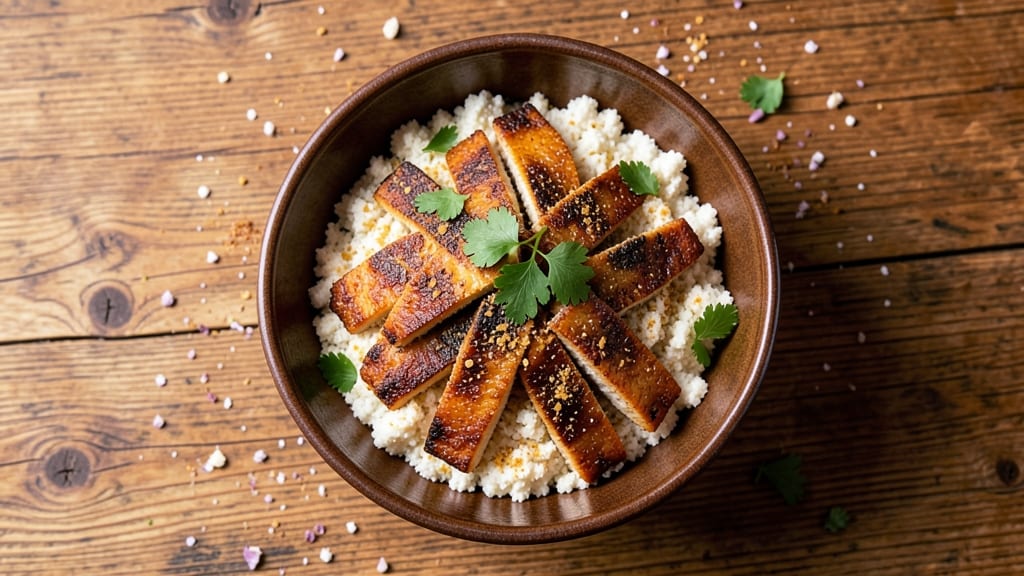
Buttermilk fried fish delivers that perfect golden crust and tender interior without the grease trap of traditional frying methods. The secret lies in a precise batter-to-buttermilk ratio and a two-step frying technique I perfected after years of trial and error.
This recipe captures the soul of Southern comfort food while keeping it restaurant-quality at home.
The magic begins with the buttermilk marinade, which tenderizes the fish while adding a subtle tang that cuts through the crispy batter. I use a light cornmeal-based batter that creates an airy, shatteringly crisp crust without absorbing excessive oil.
The key is frying at the right temperature—too hot and you get a burnt exterior, too cool and the fish stays greasy.
By the time you plate it, you'll have golden-brown fish with a crust that shatters at the touch and a moist interior that flakes effortlessly. The buttermilk's acidity balances the richness, creating a harmony of textures and flavors that makes every bite satisfying.
Serve with lemon wedges and tartar sauce for the complete experience.
This method works equally well with catfish, cod, or tilapia, making it versatile for any seafood lover's pantry. The technique scales perfectly for family dinners or dinner parties, ensuring crispy results every time without the mess of deep frying. Let's get started on creating that perfect golden crust.
Ingredients for buttermilk fried fish
Four ingredients make the magic—crispy, tender, and golden every time.
| Ingredient | Amount | Notes |
|---|---|---|
| Buttermilk 🥛 | 1 cup | Full-fat for best flavor |
| White Whole Wheat Flour 🌾 | 1 cup | Lightens batter without heaviness |
| Yellow Cornmeal 🌽 | ½ cup | Fine grind for smooth crust |
| Catfish Fillets 🐟 | 1 ½ lb | Skin-on, cut into strips |
| All-Purpose Flour 🌾 | ¼ cup | For dredging before buttermilk |
| Granulated Garlic Powder 🧄 | 1 tbsp | For subtle seasoning |
| Ground Black Pepper 🌶️ | ½ tsp | Freshly ground preferred |
| Vegetable Oil 🫒 | 2 cups | High smoke point preferred |
| Lemon Wedges 🍋 | 4 whole | For serving |
| Kosher Salt 🧂 | 1 tsp | For seasoning fish |
| Paprika 🌶️ | ½ tsp | Smoked for extra depth |
| Fresh Parsley 🌿 | ¼ cup | Chopped for garnish |
The buttermilk is non-negotiable here. Full-fat works best—it keeps the fish tender while adding that signature tang. Trader Joe's sells the best-priced quart, but any brand with a rich, creamy texture will do. If you're using powdered buttermilk mix, add a splash of milk to thin it out—it needs to coat the fish like a light glaze. For the fish, catfish or cod are ideal, but tilapia works too. Look for fillets with a vibrant color and firm texture—avoid any that smell fishy or feel slimy. Pat them dry before dredging, or the batter won't stick.
No buttermilk? Milk plus 1 tbsp vinegar or lemon juice works in a pinch, but let it sit for 10 minutes to curdle. Short on cornmeal? Substitute all-purpose flour at half the amount, but the crust won't be as crispy. The flour matters too—white whole wheat gives a lighter texture than regular all-purpose. For the oil, vegetable or canola are best—they won't overpower the fish flavor. If you're frying multiple batches, keep the oil at 350°F—a thermometer is worth the investment. The lemon wedges? Meyer lemons add a sweeter touch, but regular lemons work fine.
The batter stays good for 2 hours in the fridge if you pre-mix it, but I usually make it fresh to avoid lumps. Fish fries best served immediately, but leftovers keep for 1 day in the fridge. Reheat in a 350°F oven for 10 minutes—microwaving makes the crust soggy. For meal prep, freeze fried portions on parchment-lined trays before transferring to a bag. They reheat beautifully, though the crust loses some crunch. Garnish with parsley right before serving—it keeps the green vibrant and adds a fresh pop.
Why You'll Love This Recipe
- The secret’s in the layers: buttermilk tenderizes the fish while the whole wheat flour keeps it from falling apart, and that yellow cornmeal? It turns golden and shatteringly crisp—like biting into a perfect, slightly sweet hug. I’ll be real: the first time I tried it, I nearly licked the pan.
- No-Fuss Setup: I swear by this recipe because it’s the kind of dish you can start without clearing your counter first. Pat the catfish dry, dip it in buttermilk, then toss it in the flour mix—no measuring cups, no stress. The cornmeal adds that perfect crunch without extra steps, and honestly? My kids help with the dipping. (They’re better at it than I am, anyway.)
- Crispy-Creamy Magic: The secret’s in the layers: buttermilk tenderizes the fish while the whole wheat flour keeps it from falling apart, and that yellow cornmeal? It turns golden and shatteringly crisp—like biting into a perfect, slightly sweet hug. I’ll be real: the first time I tried it, I nearly licked the pan.
- Weeknight to Potluck: This recipe works everywhere. Too tired for dinner? Fry a batch ahead and reheat in the oven—still crispy, still golden. Bringing a dish to a BBQ? It’s the one thing people always ask for seconds on. (Yes, even on a Tuesday night.) Plus, catfish is cheap, so you can feed a crowd without emptying your wallet.
Instructions for buttermilk fried fish recipe
Here's how to make crispy, golden fried fish with a light crust that won't leave you drowning in grease.
Prep the Catfish for Perfect Crispiness
Pat the 1.5 lb catfish fillets completely dry with paper towels—this is crucial for getting that golden crust. You want them bone dry, no moisture left. Cut each fillet into even strips about 2 inches wide and 4 inches long, keeping the skin on for extra crispiness.
In a shallow dish, mix the 0.25 cup all-purpose flour with 1 tbsp granulated garlic powder, 0.5 tsp ground black pepper, 1 tsp kosher salt, and 0.5 tsp paprika. Lightly dredge each catfish strip in this seasoned flour mixture, tapping off any excess. This initial coating helps the buttermilk adhere better and adds flavor right from the start.
Create the Buttermilk Batter
In a medium bowl, whisk together the 1 cup buttermilk and 1 cup white whole wheat flour until smooth. The batter should be thin but coat the back of a spoon—about the consistency of heavy cream. Let it sit for 5 minutes while you prepare the frying setup.
Here's the thing—don't skip the resting time. This allows the flour to fully hydrate and creates a lighter, more delicate crust. If you rush this step, your crust will be dense and heavy. Stir in the 0.5 cup yellow cornmeal just before frying to give that signature crunch.
Heat the Oil to the Right Temperature
Pour the 2 cups vegetable oil into a deep fryer or heavy pot to a depth of about 2 inches. Heat over medium-high heat until it reaches 350°F—this is your target temperature. Use a deep-fry thermometer to monitor it closely. The oil should be hot enough to maintain this temperature without smoking excessively.
If the oil gets too hot, your fish will burn on the outside before cooking through. If it's too cool, you'll end up with greasy, soggy fish. I like to test the oil by dropping in a small piece of bread—when it sizzles and turns golden in about 30 seconds, your oil is ready.
Fry the Catfish in Batches
Working in batches to avoid overcrowding, dip each flour-dredged catfish strip into the buttermilk batter, letting any excess drip off. Carefully lower the strips into the hot oil using tongs or a slotted spoon. Fry for 3-4 minutes per side until golden brown and crispy. You'll know it's done when the crust turns a deep golden color and the fish flakes easily with a fork.
Don't be tempted to flip too early—wait until you see bubbles forming on the surface and the edges start to set. Use a cooling rack to drain the fried fish and keep it warm in a 200°F oven while you finish the remaining batches.
Serve with Zesty Lemon and Fresh Parsley
Transfer the fried catfish to a serving platter and sprinkle with the chopped 0.25 cup fresh parsley. Serve immediately with the 4 whole lemon wedges on the side for squeezing. The acid from the lemon cuts through the richness of the fried fish and brightens up every bite.
This method gives you that perfect balance—crispy on the outside, tender on the inside, and none of that greasy aftermath. The buttermilk batter creates a light, airy crust that stays crisp even after sitting for a few minutes, and the cornmeal adds that satisfying crunch you crave in fried fish.
Pro Tips For Making Buttermilk Fried Fish
- Dry the Catfish First: Pat those fillets thoroughly with paper towels before dredging—wet skin means a soggy crust, not crunch. I used to skip this, and my first batch came out like a sad, greasy blanket instead of golden perfection.
- Mix the Wet Batter Now: Combine buttermilk and whole wheat flour at least 30 minutes ahead—the flour absorbs liquid better, and the batter stays clump-free. I learned this after slapping together a lumpy mess last-minute; now it’s silky every time.
- Don’t Overcrowd the Pan: Fry in batches, even if it means two rounds—packing the pan steams the fish instead of searing it. After burning my first batch (yes, again), I now give each piece space to sizzle without drama.
- Toast the Cornmeal First: Dry-toast the yellow cornmeal in a skillet for 2 minutes before mixing—it adds depth and prevents a gritty texture. My grandmother insisted, and I was skeptical until I tasted the difference. Now I never skip it.
Make-ahead tips for this buttermilk fried fish
Prep Ahead for Crispy Results
Marinate the fish in buttermilk overnight for maximum tenderness and flavor penetration. Place the 1.5 lb catfish strips in a resealable plastic bag with 1 cup buttermilk, 1 tbsp lemon juice, 1 tsp garlic powder, and ½ tsp salt.
Refrigerate for 12-24 hours—this step transforms tough fish into melt-in-your-mouth perfection. 🥛
Batter Prep Shortcut
Mix the dry ingredients—1 cup white whole wheat flour, ½ cup cornmeal, 1 tbsp garlic powder, ½ tsp black pepper, and 1 tsp salt—in advance and store in an airtight container for up to 1 week.
When ready to fry, just whisk in 1 cup buttermilk and let rest for 10 minutes. This saves time while keeping the batter fresh.
Freezer-Friendly Fish Strips
Cut and season the fish strips up to 3 days ahead and freeze them on a parchment-lined tray. Once frozen solid, transfer to a ziplock bag and store for up to 2 months.
When ready to fry, thaw in the fridge overnight—no need to defrost at room temperature. This method preserves texture and makes batch cooking effortless. ❄️
Oil Temperature Hack
Preheat your oil to 350°F and maintain it using a deep-fry thermometer. For make-ahead convenience, keep the oil in a slow cooker on low heat between frying sessions. This method ensures consistent temperature without constant monitoring. I use vegetable oil because it maintains stability at high heat.
Reheating Leftovers
Store fried fish in a single layer on a wire rack in the fridge for 1 day to maintain crispiness. Reheat in a 375°F oven for 5-7 minutes on a baking sheet lined with parchment paper.
For extra crunch, sprinkle with breadcrumbs before reheating. Avoid microwaving—it turns the crust soggy every time. 🔥
Batch Frying Strategy
Fry in 2-piece batches maximum to prevent oil temperature drops. Use a slotted spoon to transfer fish to a wire rack set over a baking sheet. Keep fried fish warm in a 200°F oven while finishing remaining batches.
This keeps everything crispy and ready to serve without waiting. Pro tip: Use a thermometer probe to monitor oil temp between batches.
Nutrition facts
Frequently asked questions
Can I use regular milk instead of buttermilk for frying?
You can substitute by mixing 1 cup milk with 1 tbsp vinegar or lemon juice, then letting it sit for 10 minutes to curdle. The acidity is key for that signature tenderizing effect. However, buttermilk's fat content creates a richer crust—regular milk may yield slightly less crispy results.
What's the best fish for this recipe?
Catfish, cod, and tilapia work beautifully. Look for firm fillets with bright color—avoid any with a fishy odor. Skin-on fish (like catfish) adds extra crispiness, but you can remove it if preferred. For a lighter option, try mahi-mahi or snapper.
Why did my fish turn out greasy instead of crispy?
Greasy fish usually means the oil wasn't hot enough (350°F is ideal). Overcrowding the fryer also drops oil temperature. Always fry in 2-piece batches and maintain proper heat. Drain on a wire rack (not paper towels) to remove excess oil.
Can I make this recipe ahead of time?
Prep the batter and marinate fish up to 24 hours ahead, but fry fresh for best results. For make-ahead fried fish, cook completely, cool, then freeze on parchment for up to 1 month. Reheat in a 375°F oven for 5-7 minutes—never microwave, or the crust will get soggy.
What's the secret to an extra-crispy crust?
Pat fish bone dry before dredging, and use fine cornmeal in your batter. The two-step process (flour dredge first, then buttermilk batter) creates an airy, shatteringly crisp layer. Fry at 350°F until golden—don't rush flipping! For extra crunch, add 1 tbsp baking powder to your batter.