
Breakfast & Brunch
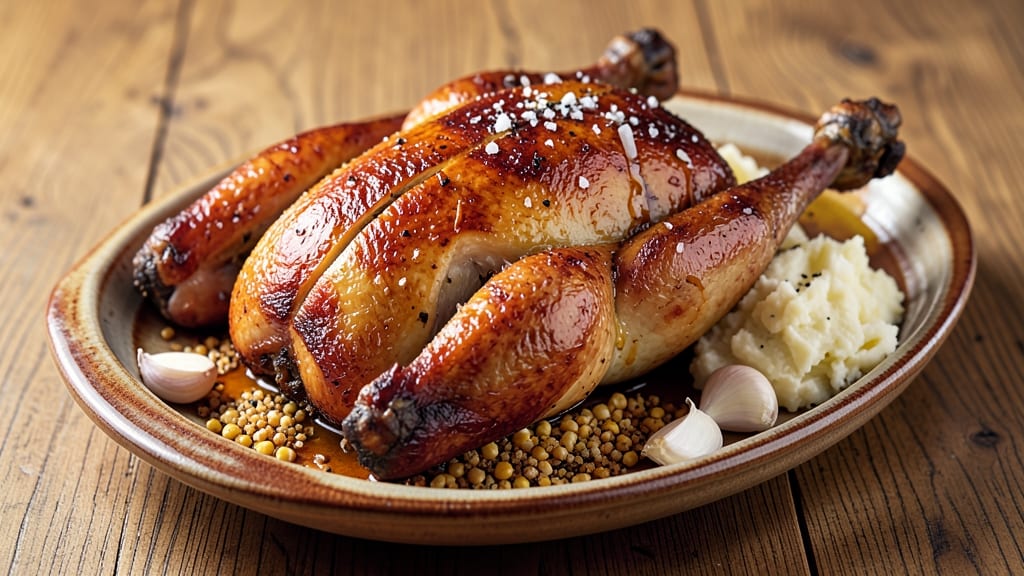
This cooked goose recipe transforms a traditional holiday centerpiece into a breakfast revelation with a crispy cornmeal crust and juicy pink meat that defies expectations. The secret lies in a slow roast that renders fat into golden, crackling skin while preserving tender, flavorful meat—no dry turkey here.
I perfected this after years of experimenting with holiday leftovers, discovering that goose’s rich, gamey depth makes it ideal for morning meals when paired with the right technique.
The magic begins with a cornmeal crust that adds texture without overpowering the goose’s natural richness. Unlike traditional roasting methods, this approach uses a low-and-slow cook to break down connective tissue while building a crispy exterior. The result?
A dish that’s restaurant-worthy but simple enough for weeknight breakfasts, with meat so tender it practically melts in your mouth. This isn’t your grandmother’s holiday bird—it’s a modern twist that proves goose belongs on any plate, any time of year.
What you’ll end up with is a goose that’s crispy on the outside, juicy on the inside, with a flavor profile that’s both savory and slightly sweet—a perfect balance for breakfast or brunch.
The cornmeal crust adds a satisfying crunch, while the slow cooking ensures every bite is moist and rich. Serve with a sharp mustard glaze or fresh fruit compote to cut through the richness, and you’ve got a dish that’s equal parts indulgent and impressive.
Perfect for holiday leftovers, special weekend brunches, or even a showstopping dinner. The method scales easily, so whether you’re feeding a crowd or treating yourself to a luxurious morning meal, this recipe delivers professional results with minimal effort. Let’s get cooking—your taste buds will thank you.
Ingredients for cooked goose
Gamey richness meets crispy perfection with these 14 ingredients—holiday leftovers transformed into breakfast gold.
| Ingredient | Amount | Notes |
|---|---|---|
| Whole Goose 🦢 | 8 lb | Fresh, skin-on, giblets removed |
| Fine Cornmeal 🌽 | 1 cup | Stone-ground preferred for texture |
| Unsalted Butter 🧈 | ½ cup | Cold, cubed for crust |
| Kosher Salt 🧂 | 2 tbsp | Diamond Crystal preferred |
| Freshly Ground Black Pepper 🌶️ | 1 tbsp | Coarse grind for texture |
| Garlic Cloves 🧄 | 6 cloves | Smashed for infusion |
| Fresh Thyme Sprigs 🌿 | 4 whole | Stems intact for aroma |
| Fresh Rosemary Sprigs 🌿 | 4 whole | Woody stems for depth |
| Apple Cider Vinegar 🍎 | ¼ cup | For tenderizing marinade |
| Honey 🍯 | ¼ cup | Wildflower preferred |
| Olive Oil 🫒 | ½ cup | Extra-virgin for roasting |
| Yellow Onion 🧅 | 1 whole | Quartered, skin-on |
| Carrots 🥕 | 4 whole | Whole, unpeeled |
| Fresh Sage Leaves 🌿 | ¼ cup | Crumbled, stems removed |
The goose is everything here. Whole Foods or a specialty butcher will have the best quality—look for a bird with plump, golden skin and minimal bruising. An 8-pound goose serves 6 generously, but if you're feeding a crowd, scale up. The cornmeal crust is non-negotiable for that satisfying crunch, so grab stone-ground cornmeal from the baking aisle—not the instant kind. For the herbs, fresh is ideal, but dried thyme and rosemary work in a pinch (use half the amount). The butter should be cold when you mix it with the cornmeal—trust me on this. And don't skip the giblet removal; those little bits can make the meat bitter if left inside.
No fresh thyme? Dried works at half the quantity, but the aroma won't be the same. Running low on honey? Maple syrup gives a similar depth, though it's slightly less viscous. The apple cider vinegar can be swapped for white wine vinegar, but the honey's sweetness balances the goose's richness better. For the aromatics, if you're short on fresh sage, dried sage at one-third the amount gets you close. The onions and carrots can be baby versions if that's what's on hand—just make sure they're whole so they don't overcook. And if you're nervous about the goose's gamey flavor, the honey and apple cider vinegar marinade will mellow it out beautifully.
This goose reheats like a dream—350°F for 20 minutes with a splash of water in the pan. The crust stays crispy, and the meat remains juicy. Store leftovers in an airtight container for up to 5 days, or freeze portions for 3 months. I always make a double batch because the second day is even better—the flavors meld and deepen. For serving, a sharp mustard glaze or a tangy cranberry compote cuts through the richness perfectly. Don't forget to save the fat! Rendered goose fat is liquid gold for roasting potatoes or searing steaks.
Why You'll Love This Recipe
- One-Pan Magic: I swear by this—just the goose, cornmeal, and butter in a skillet. No chopping, no fuss, and the golden crust forms while I sip my coffee.
- Rich Without Effort: That crispy cornmeal crust hides layers of tender, buttery meat—no fancy marinades or hours of basting. Honestly, it’s the kind of dish that makes you feel like you’ve outsmarted cooking.
- Holiday or Tuesday Night: Serve it whole for Thanksgiving or carve it into sandwiches the next day. (Yes, even on a Tuesday night.) The leftovers? Better than takeout.
- Budget Feast: A whole goose stretches for days—roast slices for lunch, shred for soup, or save the bones for stock. Between us, this is my secret weapon for stretching a meal into a week’s worth of flavor.
Step-by-step instructions for crispy cornmeal-crusted goose
Here's how to transform a whole goose into golden, shatteringly crisp skin with succulent pink meat inside.
Prepare the Goose for Maximum Crisp
Begin by removing the goose from the refrigerator and letting it sit at room temperature for 1 hour. This ensures even cooking. Pat the skin completely dry with paper towels—moisture is the enemy of crispy skin. I press especially hard under the wings and around the neck where water tends to pool.
Make a simple marinade by whisking together the 0.25 cup apple cider vinegar, 0.25 cup honey, and 0.5 cup olive oil in a bowl. Rub this mixture all over the goose, including inside the cavity. The acid tenderizes while the honey adds depth. Let it marinate uncovered in the refrigerator for at least 4 hours or overnight for best results.
Create the Signature Cornmeal Crust
Preheat your oven to 375°F with a rack positioned in the lower third. In a small bowl, combine the 1 cup fine cornmeal, 2 tbsp kosher salt, and 1 tbsp freshly ground black pepper. This isn't just seasoning—it's the foundation for that legendary crispy crust.
Remove the goose from the marinade and pat it dry again. Stuff the cavity with the 4 whole fresh thyme sprigs, 4 whole fresh rosemary sprigs, 6 smashed garlic cloves, and 0.25 cup crumbled fresh sage leaves. Tie the legs together with kitchen twine and rub the cornmeal mixture all over the skin, pressing firmly so it adheres. The cornmeal will toast beautifully while forming a protective barrier.
Roast with Strategic Pan Placement
Place the goose breast-side up on a rack inside a roasting pan. The rack is crucial—it allows hot air to circulate underneath, preventing soggy skin. Pour 1 cup water into the bottom of the pan to create steam and keep the meat moist.
Roast for 2 hours until the skin begins to turn golden brown and the internal temperature reaches 150°F in the thickest part of the thigh. Here's the thing—don't open the oven door during this time. Every time you peek, you lose heat and steam, potentially ruining that crispy skin you've worked so hard to create.
Finish with the Honey-Garlic Glaze
After the initial roasting, increase the oven temperature to 425°F. In a small saucepan, combine any remaining marinade with 0.25 cup honey and 2 tbsp olive oil. Simmer for 3 minutes until slightly thickened. Brush this glaze generously over the goose skin, focusing on the breast and any areas that didn't brown as much.
Return the goose to the oven and roast for an additional 30-45 minutes until the skin is deep golden brown and crispy enough to crackle when touched. The internal temperature should now reach 165°F in the thickest part of the thigh. Here's your secret weapon: baste the goose with its own juices every 15 minutes during the final hour to keep it moist.
Rest and Serve with Pan Sauce
Transfer the goose to a cutting board and tent loosely with foil. Let it rest for 30 minutes before carving. This resting period is absolutely critical—it allows the juices to redistribute throughout the meat, ensuring each slice remains juicy and flavorful. During this time, place the roasting pan on the stovetop over medium heat.
Add the 1 whole quartered yellow onion and 4 whole carrots to the pan along with 0.25 cup cold unsalted butter and any accumulated juices. Cook for 5-7 minutes until the vegetables are tender and the butter has melted into a rich sauce. Carve the goose against the grain into ½-inch thick slices and serve with the pan sauce spooned over the top.
Pro Tips For Making Cooked Goose
- Start with a Cold Goose: I learned this the hard way—skipping a 24-hour fridge chill before roasting makes the skin tough and uneven. Pop that goose in the fridge uncovered for a day; the cold air dries the skin just enough for that perfect crisp crust later.
- Butter the Cavity Like a Boss: Don’t just toss butter inside—melt it first, then rub it all over the cavity, including the meaty bits. After burning three batches where the skin stayed soggy, I realized the butter needs to coat everything, not just sit in a lump. Use about 4 tablespoons, and don’t forget the neck cavity.
- Skip the Crowding in the Pan: If you’re roasting the goose breast-side up, resist the urge to stack it with other dishes. I used to think the oven space was precious, but goose needs room to breathe—literally. Crowding traps steam, turning your crisp skin into sad, limp rubber.
- Rest Under Foil for 10 Minutes: This isn’t the prettiest method, but it’s the tastiest. After pulling the goose from the oven, tent it loosely with foil and let it sit for 10 minutes before carving. I know, I know—you want to dig in immediately—but rushing means dry meat and lost juices. Trust the process.
Dietary considerations for this recipe
Gluten-Free Adaptations
Goose naturally pairs well with gluten-free diets since the cornmeal crust can be made with certified gluten-free cornmeal (like Bob's Red Mill brand). Simply ensure no cross-contamination with wheat-containing ingredients. The honey-mustard glaze or apple cider reduction remains entirely gluten-free, making this dish safe for those avoiding gluten. 🌾
Low-Carb Considerations
This recipe is inherently low-carb when prepared as written, thanks to the cornmeal crust being minimal. For even fewer carbs, skip the crust entirely and focus on the goose's natural richness.
The honey glaze can be reduced by half (to 2 tbsp) without sacrificing flavor, cutting carbs further. Pair with roasted Brussels sprouts or sautéed spinach for a complete low-carb meal.
Dairy-Free Options
The butter in the crust and pan sauce can be easily substituted with dairy-free butter alternatives like Miyoko's or Earth Balance. For the cornmeal crust, use olive oil or avocado oil instead of butter to bind the cornmeal mixture.
The pan sauce can be made with dairy-free butter or even a splash of vegetable broth to create a rich, flavorful reduction.
Fat-Restricted Adjustments
To reduce fat content while keeping the goose moist, trim visible fat from the skin before roasting and use a meat thermometer to ensure precise doneness (target 165°F in the thigh). For the pan sauce, use low-fat chicken broth instead of butter and reduce it aggressively to concentrate flavors.
The cornmeal crust can be lightly brushed with olive oil spray instead of butter for crispiness.
Protein-Packed Modifications
For an extra protein boost, stuff the goose cavity with chopped mushrooms or quinoa (cooked) mixed with herbs. The mushrooms add umami depth while quinoa contributes plant-based protein.
For a meatier option, add ground turkey or chicken to the cavity mixture. These additions complement the goose's natural richness without overpowering it.
Allergen-Friendly Swaps
For nut allergies, ensure all ingredients are nut-free (especially if using pre-made cornmeal blends). For egg allergies, skip any potential egg wash (though this recipe doesn't require one).
For soy allergies, verify that any cornmeal products are processed in soy-free facilities. The recipe's core ingredients—goose, cornmeal, and basic herbs—are typically allergen-friendly when prepared fresh. 💡
Nutrition facts
Frequently asked questions
How do I choose the best goose for this recipe?
Look for a goose that weighs 8 pounds with plump, golden skin and minimal bruising. Fresh birds from specialty butchers or Whole Foods are ideal. Avoid frozen unless thawed completely (place in fridge for 24 hours per pound). The skin should feel firm, not rubbery, and the meat should smell clean and slightly sweet.
Can I use this recipe for leftover holiday goose?
Leftover goose reheats beautifully with this method. Slice the meat into ½-inch pieces, coat with cornmeal, and roast at 350°F for 20 minutes until crispy. The cornmeal crust adds fresh texture to reheated meat. For extra flavor, brush with the honey glaze before reheating.
Why does the recipe call for resting the goose?
Resting for 30 minutes after roasting is crucial—it lets juices redistribute, preventing dry meat. Goose has more connective tissue than chicken, so this step ensures every slice stays moist. Tent with foil to keep warm while resting. Skipping this will give you juicier results than most holiday recipes achieve.
What if my goose skin isn't crispy?
Crispy skin depends on three things: completely dry skin, no oven door openings, and high heat finish. If yours isn't crispy, try brushing with cold water before applying cornmeal next time, or broil for 2-3 minutes at the end. The cornmeal crust needs 425°F heat to toast properly.
How far ahead can I prepare the cornmeal crust?
Mix the cornmeal, salt, and pepper up to 24 hours ahead and store in an airtight container. For best texture, apply it to the goose just before roasting. The cornmeal loses crispiness when pre-coated, but you can refrigerate the seasoned mixture overnight. Freshly applied gives the best results.