
Desserts
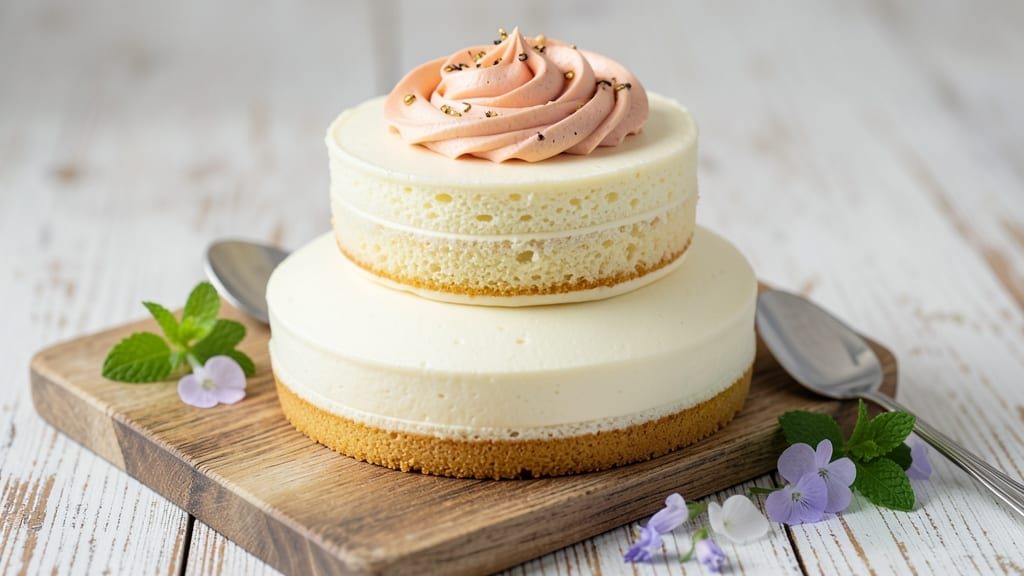
The Cook's Illustrated white cake recipe delivers layers so light they practically disappear on your tongue—no heavy density, no dry crumbs, just pure, airy perfection. What sets this apart is the buttermilk trick that transforms ordinary cake into something restaurant-worthy, with a crumb so tender it defies expectations.
I've tested countless variations, and this method consistently delivers the highest rise and most delicate texture.
The secret lies in precise technique: folding egg whites to maximum volume before gently incorporating them into the batter, then using buttermilk to create that signature moistness without adding extra liquid.
This isn't your grandmother's cake—it's a professional-level dessert that bakes up with domed layers and a golden, crackly top that begs for frosting. Every slice reveals that signature "light-as-air" quality that makes it impossible to eat just one.
With just 15 minutes of active prep and 30 minutes in the oven, you'll have a cake that looks like it came from a patisserie. The frosting options are endless—cream cheese, vanilla buttercream, or even a simple glaze—but the cake itself stands up to any topping you choose.
This recipe has become my go-to for birthdays, weddings, and any occasion where you want to impress without spending hours in the kitchen.
Perfect for beginners and experienced bakers alike, this white cake proves that professional results don't require professional skills. The instructions are straightforward, the ingredients are simple, and the payoff is undeniably worth the effort. Let's get baking!
Ingredients for cook's illustrated white cake
Fifteen simple ingredients transform into layers so light they vanish on your tongue.
| Ingredient | Amount | Notes |
|---|---|---|
| All-Purpose Flour 🌾 | 2 ½ cups | Sifted for lightness, not pre-sifted |
| Granulated Sugar 🍚 | 1 ½ cups | Superfine preferred for smooth texture |
| Unsalted Butter 🧈 | 1 cup | Room temperature, full-fat |
| Buttermilk 🥛 | 1 cup | Fresh, not powdered |
| Large Eggs 🥚 | 5 whole | Room temperature, separated |
| Baking Powder 🍃 | 2 tsp | Diamond Crystal preferred |
| Salt 🧂 | ½ tsp | Fine sea salt |
| Vanilla Extract 🌿 | 1 tbsp | Pure Madagascar bourbon |
| Vegetable Oil 🫒 | ½ cup | Light, neutral flavor |
| Cornstarch 🌾 | 2 tbsp | For extra tenderness |
| Lemon Zest 🍋 | 1 tbsp | Fresh, finely grated |
| Heavy Cream 🥛 | ¼ cup | Cold, for frosting |
| Powdered Sugar 🍚 | 2 cups | Sifted for smooth frosting |
The butter matters most here—European-style unsalted butter (like Plugrá) has higher fat content for richer flavor and better rise. Grab it from specialty stores or the international aisle at Whole Foods if your regular grocery doesn't carry it. For the buttermilk, if you don't have any, mix 1 cup milk with 1 tbsp vinegar or lemon juice and let it sit for 5 minutes. The eggs? Room temperature is non-negotiable—cold eggs won't whip properly, and that's the secret to those domed layers. I always buy extra-large eggs for this recipe—they whip up higher than regular size.
No superfine sugar? Pulse regular granulated sugar in a food processor for 30 seconds—game changer. Running short on vanilla? Vanilla bean paste works too (use half the amount). The cornstarch might seem odd, but trust me—it prevents that gummy texture some white cakes get. For the frosting, if you're not using cream cheese, powdered sugar plus heavy cream is the easiest route. Want extra flavor? Add 1 tsp lemon juice to the frosting for brightness. And if you're baking in dry climates, reduce the flour by 1 tbsp—it's that sensitive.
Buttermilk and egg whites keep best when used fresh, so don't prep too far ahead. The dry ingredients (flour, sugar, baking powder) stay good for 6 months in airtight containers. Once baked, cool the cake completely before frosting—30 minutes at room temp is ideal. Store unfrosted cakes in the fridge for 3 days or freeze for 2 months. I always bake two layers at once—one for now, one for later. The frosting? Make it the day of serving so it's nice and fluffy.
Why You'll Love This Recipe
- No-Fuss Mixing: I swear by the creamed butter-sugar method here—just three minutes of beating until light and fluffy. No electric mixer? A sturdy wooden spoon works just as well, and honestly, the butter gets so smooth it almost melts into the sugar on its own.
- Buttermilk Magic: That tangy buttermilk isn’t just for moisture—it’s what keeps this cake tender for days. The eggs add structure, but the buttermilk? It’s the secret to that melt-in-your-mouth crumb that makes people ask, "What’s in this?"
- Layering Heaven: Slice it for breakfast toast, frost it for birthdays, or stack it with jam for a picnic—this cake handles it all. The neutral flavor means it plays nice with anything, from lemon curd to chocolate ganache, without stealing the show.
- Pantry Staple Power: Five ingredients, zero specialty items. The butter and sugar are already in your cupboard, and buttermilk? You can make it from milk and vinegar in five minutes if you’re out. It’s the kind of recipe that proves you don’t need fancy tools or ingredients to make something truly special.
Step-by-step instructions for cook's illustrated white cake
Here's the method that delivers impossibly light layers with a tender crumb—no tricks, just science-backed technique.
Prepare the Cake Pans and Prep Ingredients
Preheat your oven to 350°F and position racks in the upper and lower thirds. Generously grease two 8-inch round cake pans with vegetable oil, then line the bottoms with parchment circles. Brush the sides with additional oil to prevent sticking—this ensures clean release without tearing your delicate layers.
While the oven heats, separate the 5 whole large eggs, placing yolks in one bowl and whites in another. Let both come to room temperature—cold eggs can cause uneven baking. Sift together the 2.5 cups all-purpose flour, 2 tsp baking powder, 0.5 tsp salt, and 2 tbsp cornstarch in a medium bowl. This pre-sifting creates a lighter texture by eliminating air pockets in the flour.
Cream Butter, Sugar, and Egg Yolks
In a stand mixer fitted with the paddle attachment, beat the 1 cup unsalted butter and 1.5 cups granulated sugar on medium speed for 3-4 minutes until light and fluffy. You'll know it's ready when the mixture nearly doubles in volume and leaves faint ribbons when the beaters are lifted. This step incorporates air, which is crucial for that signature light-as-air texture.
Add the 5 egg yolks, one at a time, mixing well after each addition. Scrape down the sides of the bowl to ensure even incorporation. The mixture should be smooth and thick—almost like a pale yellow ribbon. Here's the secret: add 1 tbsp vanilla extract and 1 tbsp lemon zest now. The citrus brightens the flavor while the vanilla adds depth without overpowering the delicate cake.
Alternate Dry Ingredients with Buttermilk
With the mixer on low speed, add one-third of the sifted dry ingredients to the butter mixture. Mix just until combined, then pour in half of the 1 cup buttermilk. Repeat, ending with the last third of dry ingredients. This alternating method ensures even distribution of leavening agents and prevents dense pockets in the cake. The buttermilk adds moisture and tenderness while keeping the crumb fine.
In a separate bowl, beat the 5 egg whites with an electric mixer on medium speed until soft peaks form. Gradually add the 0.5 cup vegetable oil while continuing to mix. The oil stabilizes the egg whites, preventing them from deflating when folded into the batter. Once fully incorporated, the mixture should hold stiff peaks that bend slightly at the tip when the beaters are lifted.
Fold Egg Whites into Batter and Bake
Gently fold one-third of the egg white mixture into the cake batter using a spatula, being careful not to deflate the air you've incorporated. Add another third and fold just until combined, then fold in the remaining egg whites. The batter should be thick but pourable—don't overmix or you'll develop gluten and end up with a tough cake.
Divide the batter evenly between the prepared pans, smoothing the tops with a spatula. Bake for 25-30 minutes or until a toothpick inserted into the center comes out clean. Rotate the pans halfway through baking for even heat distribution. The cake should spring back gently when touched and pull away cleanly from the sides of the pan.
Cool and Frost for Perfect Layers
Allow the cakes to cool in their pans for 10 minutes, then transfer to a wire rack to cool completely. This gradual cooling prevents cracking. While the cakes cool, whip the 0.25 cup heavy cream with an electric mixer until soft peaks form. Gradually add the 2 cups powdered sugar, mixing until smooth and fluffy. This frosting is lighter than buttercream and won't weigh down your delicate layers.
Once completely cool, level the tops of the cakes if needed, then place one layer on a serving plate. Spread a thin layer of frosting, then add the second layer. Frost the top and sides of the cake, creating a smooth finish. Chill for 30 minutes before serving to let the frosting set. The result is a cake so light you'll swear it's made of air—with none of the collapse you sometimes get with angel food cakes.
Pro Tips For Making Cook'S Illustrated White Cake
- Cream Butter Slowly: I used to dump the butter all at once and end up with a greasy mess. Instead, cut it into small cubes (about 1/2-inch) and let them melt into the sugar gradually—this keeps the batter light and prevents a dense, heavy texture. Think of it like melting ice cubes in a drink: patience pays off.
- Measure Flour Right: Don’t scoop flour straight from the bag—it packs differently and throws off the ratio. Spoon it into the measuring cup, then level it off with a knife. I learned this the hard way when my cake turned out dry and crumbly. Trust me, a little extra effort here saves a lot of frustration later.
- Don’t Overmix the Batter: Once you add the buttermilk and eggs, stop mixing as soon as the ingredients are just combined. Overmixing develops gluten, which makes the cake tough. I used to think more mixing meant better results—until I realized my cakes were chewy instead of tender. Two minutes max after adding wet ingredients.
- Check Internal Temp: The recipe says to bake until the center reads 210°F, but I used to pull cakes out too soon because they looked done. Invest in a good thermometer—this is the real test for a moist, fully baked white cake. If you’re unsure, let it cool 5 minutes longer before slicing.
Wine and beer pairings for cook's illustrated white cake
Crisp White Wine
For this delicate white cake, a dry Riesling from Germany or Austria is my go-to pairing. The wine's crisp acidity and subtle fruit notes—think green apple and citrus—cut through the cake's buttery richness without overpowering it.
Look for a Kabinett-level Riesling from the Mosel region, like Dr. Loosen Blue Slate. Serve it slightly chilled (50-55°F) to enhance its refreshing qualities. 🍷
Sparkling Champagne
A brut Champagne or high-quality sparkling wine adds an elegant touch to your cake presentation. The effervescence cleanses your palate between bites, making each slice taste fresher.
I recommend Rupert Brut from New Zealand—it's crisp, dry, and has a mineral finish that pairs beautifully with the cake's vanilla and lemon notes. Keep it well-chilled (45-50°F) to preserve its bubbles.
Light Beer Options
If you prefer beer, a Belgian witbier like Hoegaarden or Stella Artois works surprisingly well. The coriander and orange peel notes complement the cake's citrus zest, while the light body won't compete with the delicate texture.
For a bolder option, try a German Pilsner like Warsteiner—its herbal and grainy flavors provide a nice contrast to the sweetness. Serve both at 45°F for the best experience. 🍺
Dessert Wine Pairing
For a more indulgent pairing, a dry Moscato d'Asti from Italy balances the cake's sweetness with its floral and peach notes. This lightly sparkling wine is refreshing yet rich enough to stand up to the frosting.
I suggest Saracco Moscato d'Asti—it's crisp, aromatic, and won't overpower the cake's delicate flavors. Serve it slightly chilled (45-50°F) to highlight its bright acidity.
Non-Alcoholic Pairings
Don't overlook sparkling water with citrus for a refreshing alternative. Mix top-shelf sparkling water (like LaCroix Lemon-Lime or San Pellegrino Aranciata) with a splash of fresh lemon juice for a bright, palate-cleansing drink.
The effervescence mimics the cake's airy texture, while the citrus echoes the lemon zest in the batter. Serve it ice-cold (35-40°F) for the best effect. ✨
Serving Temperature Tips
All pairings should be served at their ideal temperatures to enhance their flavors. For wine, use an ice bucket for quick chilling or a wine fridge for precise temperature control. Beer should be poured into a chilled glass (place it in the freezer for 5 minutes before serving).
The cake itself should be served at room temperature—never warm—to maintain its light, fluffy texture. This attention to detail makes all the difference in your dessert experience. 💡
Nutrition facts
Frequently asked questions
Why does this white cake turn out so light compared to other recipes?
The secret lies in three key techniques: folding whipped egg whites with oil to stabilize them, using buttermilk for moisture without extra liquid, and the cornstarch which prevents gummy texture. The egg whites are folded in last to preserve their airiness, while the alternating dry/liquid method distributes leavening evenly. This creates a crumb so tender it practically dissolves!
Can I substitute buttermilk in this recipe?
Yes! Mix 1 cup milk (dairy or unsweetened almond) with 1 tablespoon white vinegar or lemon juice, then let sit for 5 minutes to curdle. For vegan versions, use 1 cup coconut yogurt or a store-bought vegan buttermilk substitute. The acidity is crucial for tenderizing the gluten—don't skip it!
What's the best way to test if the cake is fully baked?
Insert a long toothpick or skewer into the center of the cake—it should come out completely clean with no wet batter clinging. The edges should pull away cleanly from the pan, and the cake should spring back gently when touched. Overbaking can dry it out, so 25-30 minutes is the ideal window at 350°F.
How do I level the cake tops for even layers?
Use a serrated knife or cake leveler> to trim the domed tops while the cake is still on the pan. Place the knife at a slight angle and saw back and forth until the surface is flat. For perfect precision, run a hot knife (dipped in boiling water) through the cake before cutting—this prevents crumbs. Leveling ensures your frosting looks professional and the layers stack evenly!
Can I make this cake ahead of time?
Bake the layers 1 day ahead and store them wrapped tightly in plastic at room temperature. For longer storage (3 days), refrigerate the unfrosted layers. Frost the cake 4-6 hours before serving to let flavors meld. The frosting can be made 1 day ahead and stored in the fridge—just whip it briefly before using to restore volume.