
Snacks
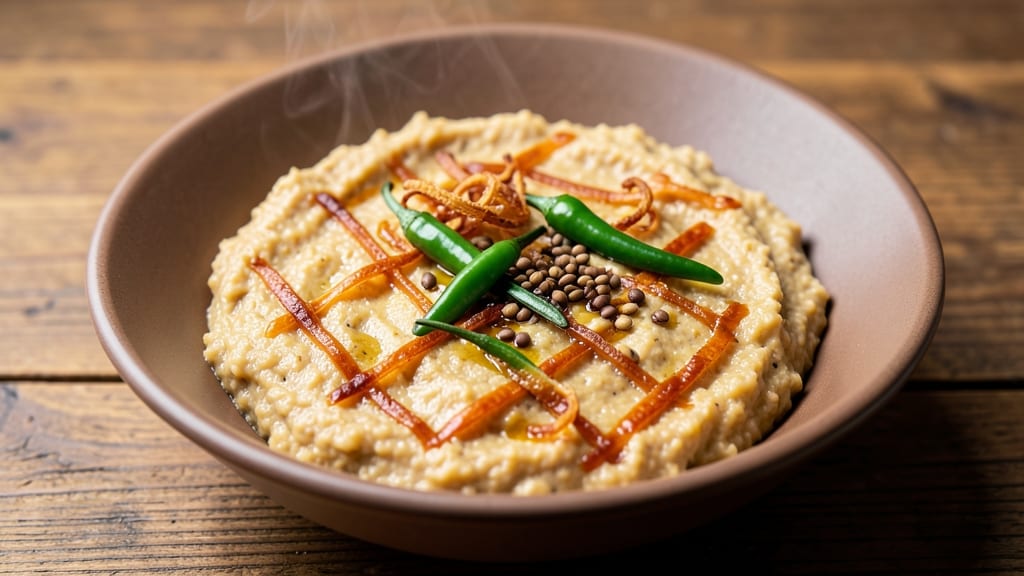
This dhokla mix recipe transforms simple chickpea flour into a light, fluffy steamed cake with a tangy kick—classic Gujarati comfort food at its best. The fermentation process (8–12 hours) develops that signature spongy texture, while turmeric and mustard seeds infuse warmth.
What makes this recipe special is how it balances tradition with ease, delivering restaurant-quality results at home.
Fermenting the batter is where the magic happens—it’s the key to that signature airy crumb and mild tang. You’ll start with chickpea flour, water, and a pinch of salt, then let it sit overnight in a warm spot.
The steaming step ensures a perfectly tender cake without drying out, and traditional toppings like coconut or green chutney elevate it further. This vegan dish is packed with protein and flavor, making it a staple snack across India.
The result is a delicate, slightly sour cake with a soft yet sturdy texture—ideal for breakfast, tea time, or as a light lunch. The steaming method keeps it moist, while the spices add depth without overpowering.
Whether you’re serving it at a gathering or enjoying it solo, this dhokla brings a taste of Gujarat to your kitchen with minimal effort.
Ready to try it? The recipe includes step-by-step guidance for fermentation, steaming, and toppings—plus tips to troubleshoot common pitfalls. Let’s get started on this flavorful journey!
Ingredients for dhokla mix
Twelve simple ingredients transform into a fluffy, tangy steamed cake with Gujarati tradition.
| Ingredient | Amount | Notes |
|---|---|---|
| Chickpea Flour (Besan) 🌾 | 1 ½ cups | Fine grind, no lumps |
| Water 💧 | 1 ½ cups | Room temperature preferred |
| Turmeric Powder 🌿 | ½ tsp | Bright yellow color |
| Mustard Seeds 🌶️ | ½ tsp | Lightly toasted |
| Cumin Seeds 🌿 | ¼ tsp | Toasted for aroma |
| Green Chilies 🌶️ | 2 whole | Finely chopped, adjust to taste |
| Salt 🧂 | ½ tsp | Fine sea salt preferred |
| Lemon Juice 🍋 | 1 tbsp | Freshly squeezed |
| Sugar 🍯 | ¼ tsp | Optional for slight sweetness |
| Coconut Flakes 🥥 | ¼ cup | Toasted for garnish |
| Fresh Cilantro 🌿 | ¼ cup | Chopped, for garnish |
| Asafoetida (Hing) 🌶️ | ⅛ tsp | Pinch, enhances flavor |
The chickpea flour is the heart of this recipe—Patel Brothers or Bob’s Red Mill brands work best for a fine grind. Look for vibrant yellow turmeric powder, not dull orange, for that signature color. Whole Foods Market or Indian grocery stores like Apna Bazaar carry authentic spices. Toast your mustard and cumin seeds in a dry pan for 30 seconds until fragrant—this unlocks their full flavor. Fresh green chilies are ideal, but if using dried, soak them first. The asafoetida (hing) is non-negotiable for that authentic umami depth—spice shops often sell it in tiny tins.
No fresh cilantro? Dried cilantro powder at half the amount works in a pinch, though texture differs. Running short on green chilies? Red chili powder at one-third the amount gives heat without moisture. The sugar is optional but balances the tang—coconut sugar adds subtle caramel notes. For the coconut flakes, toast them in a dry pan until golden (watch closely—they burn fast). If you can’t find asafoetida, garlic powder at one-quarter teaspoon mimics some of its savory punch, though it’s not identical. The lemon juice should be freshly squeezed—bottled versions lack the bright acidity needed for proper fermentation.
Store the dry ingredients (flour, spices, coconut) in airtight containers for up to 6 months. Once mixed with water, the batter ferments best at 75-80°F—place your bowl in a warm oven with the light on if your kitchen runs cool. The batter keeps in the fridge for 24 hours before steaming, but it’s best used fresh. Leftover dhokla slices reheat beautifully in a steamer for 5 minutes—the texture stays tender. For meal prep, slice and store in single portions with a sprinkle of coconut to keep them from drying out.
Why You'll Love This Recipe
- No-Fuss Mix: I swear, this recipe lives in my pantry like a backup superhero. Just whisk chickpea flour with water, steam it, and—boom—you’ve got a protein-packed snack without the fuss of fermenting. My lazy Sundays thank me every time.
- Golden Crisp Magic: That first bite? The turmeric gives it a sunny glow, while the mustard and cumin seeds add a tiny, zesty punch. It’s not just flavor—it’s texture: soft inside, slightly crispy outside, like a hug from your grandma’s kitchen.
- Party in a Box: Between us, this is my go-to for potlucks, picnics, or when my book club shows up unannounced. It’s vegan, gluten-free, and the crowd always asks for the recipe. (I hand them a card with my name on it. Worth it.)
- Budget Steal: A bag of besan lasts forever, and you’re getting a full meal for pennies. Leftovers? I slice them into triangles and freeze them—perfect for when I’m too tired to cook. Even my picky teen sneaks seconds. (Shh, don’t tell him I’m bragging.)
Step-by-step instructions for steamed spice cake with tangy twist
Here's how to transform simple ingredients into a light, fluffy dhokla with perfect texture and vibrant flavor.
Prepare the Spice-Tempering Base
In a small dry skillet over medium heat, toast the mustard seeds and cumin seeds for 30-45 seconds until they release their aroma and begin to sizzle. This step develops the foundation of flavor that will infuse throughout the dhokla.
Immediately transfer the toasted seeds to a heatproof bowl and add the finely chopped green chilies, asafoetida (hing), and turmeric powder. Let this mixture cool for 2 minutes—this prevents the spices from cooking the chickpea flour when combined later. The mixture should still be warm but no longer sizzling.
Combine Wet and Dry Ingredients
In a large mixing bowl, whisk together the 1.5 cups chickpea flour (besan), 0.5 tsp salt, and 0.25 tsp sugar until smooth. Create a well in the center and pour in the 1.5 cups room temperature water and 1 tbsp lemon juice gradually, whisking continuously to prevent lumps.
Add the cooled spice mixture to the wet ingredients and mix well. The batter should have a smooth, pourable consistency similar to pancake batter. If it appears too thick, add 1-2 tablespoons water at a time until it reaches the right texture—this ensures proper steaming and prevents dense dhokla.
Steam Until Light and Fluffy
Grease a 6-inch square or round cake pan generously with oil or butter and pour the batter into it. Place the pan in a steamer basket over medium-high heat and steam for 15-18 minutes until the top springs back when pressed gently with a finger and a toothpick inserted comes out clean.
I've found that using a tight-fitting lid on the steamer helps maintain consistent steam pressure. Don't peek during steaming—each time you lift the lid, you release steam and extend the cooking time. The dhokla should rise slightly and develop a matte finish on top when properly steamed.
Garnish and Serve Fresh
Remove the steamed dhokla from the pan and let it cool for 5 minutes before cutting into 4 equal portions. In a small pan, lightly toast the coconut flakes over low heat for 1-2 minutes until golden and fragrant.
Garnish each serving with the toasted coconut flakes and chopped fresh cilantro. Serve immediately while still warm for the best texture and flavor. The dhokla should have a delicate, spongy texture with a slight tanginess from the lemon juice and subtle heat from the green chilies. Enjoy with mint chutney or tamarind sauce for a complete experience.
Pro Tips For Making Dhokla Mix
- Sift the Flour First: I learned this the hard way—skipping this step means lumps in your batter, no matter how much you whisk. Use a fine-mesh sieve to sift the chickpea flour directly into your mixing bowl before adding water. This cuts down on straining later and guarantees a silky-smooth texture.
- Steam, Don’t Boil: The magic happens when the batter is gently steamed, not simmered. Fill your steamer halfway with water, bring it to a rolling boil, then reduce to a low simmer—you want to see just a few bubbles breaking the surface. Too much heat and your dhokla turns out dense; too little and it stays undercooked. Aim for 12-15 minutes, checking with a toothpick.
- Toast the Seeds: Mustard and cumin seeds burn faster than you think. Dry-toast them in a small pan over medium-low heat for 30 seconds until they sizzle but don’t darken—this prevents a bitter, charred flavor in your dhokla. Crush them lightly with a mortar and pestle (or a clean glass) right before mixing into the batter for maximum aroma.
- Use Warm Water: Cold water makes the batter sluggish and prone to cracking. Mix the chickpea flour with warm (not hot) water—just enough to reach a thick, pourable consistency. The warmth helps the flour activate faster, and your dhokla will steam evenly without splitting. Pro move: Let the water sit for 5 minutes after boiling to cool slightly.
Storing and reheating this recipe
Fermented Batter Storage
The dhokla batter ferments best at 75-80°F, so if your kitchen is cooler, place the bowl in a warm oven with the light on. Once mixed, store the batter in an airtight container in the fridge for up to 24 hours—this preserves freshness without compromising texture.
The longer it ferments (up to 12 hours at room temperature), the tangier and lighter your dhokla will become. I like to prepare the batter the night before for maximum flavor development. 🌱
Steamed Dhokla Reheating
Leftover dhokla reheats beautifully in a steamer for 5-7 minutes—this method keeps it moist and tender. Place slices on a heatproof tray, cover with a damp cloth, and steam until warmed through.
Avoid microwaving, as it can make the dhokla rubbery. For extra crispiness, pat slices dry with a paper towel before reheating. 💫
Freezing Fresh Dhokla
To freeze dhokla, slice it into portions and arrange on a tray lined with parchment paper. Freeze for 1 hour to solidify, then transfer to ziplock freezer bags with a layer of parchment between slices. Thaw in the fridge overnight, then reheat by steaming for 8-10 minutes.
The texture remains soft but may lose some of its original fluffiness. Label bags with the date—it keeps for up to 3 months. ❄️
Toppings Preservation
Toasted coconut flakes and fresh cilantro keep separately in airtight containers for 1 week at room temperature. Store coconut flakes in the fridge to prevent rancidity if you won’t use them within a few days.
For chutneys, transfer to small jars and refrigerate for up to 5 days. Reheat chutneys gently in a saucepan over low heat before serving to restore their vibrant flavors. 🥥
Batter Adjustments
If your batter seems too thick after fermenting, thin it with 1 tablespoon water before steaming. For a thicker texture, reduce water by 1 tablespoon in the initial mix.
Always check consistency after fermentation—this is the critical step for perfect dhokla. I’ve found that room-temperature water blends better than cold, so avoid refrigerated water. 💡
Nutrition facts
Frequently asked questions
Can I make dhokla without fermentation?
Fermentation is key for authentic dhokla—it creates that signature light, tangy texture. Without it, your cake will be denser and less flavorful. If you're short on time, use 1 tablespoon yogurt or 1 teaspoon vinegar in the batter to mimic some of the tang, but expect a different texture.
How do I fix a batter that's too runny?
If your batter is too thin after mixing, whisk in 1-2 tablespoons extra chickpea flour until it reaches a smooth, pancake-like consistency. The batter should coat the back of a spoon but still flow easily. Over-thinning is more common than over-thickening—always adjust after mixing, not before fermentation.
What's the best way to test if dhokla is fully steamed?
Use the toothpick test: Insert a clean toothpick into the center—it should come out clean with no wet batter clinging. The top should also spring back when pressed gently. If the toothpick has moist batter, steam for 2-3 more minutes with the lid on to maintain steam pressure.
Can I make dhokla in an Instant Pot?
Yes! Grease your Instant Pot insert, pour the batter, and steam on high pressure for 8 minutes after natural release. The dhokla will be slightly denser than traditional steamed versions but still delicious. For best results, use a trivet to keep the pan elevated above the water.
Why did my dhokla turn out dense?
Dense dhokla usually means over-steaming, under-fermented batter, or too-thick consistency. Check your steaming time—15-18 minutes max is ideal. Also ensure your batter fermented for 8-12 hours at 75-80°F. If it smelled sour, fermentation went too far—reduce time next attempt.