
Desserts
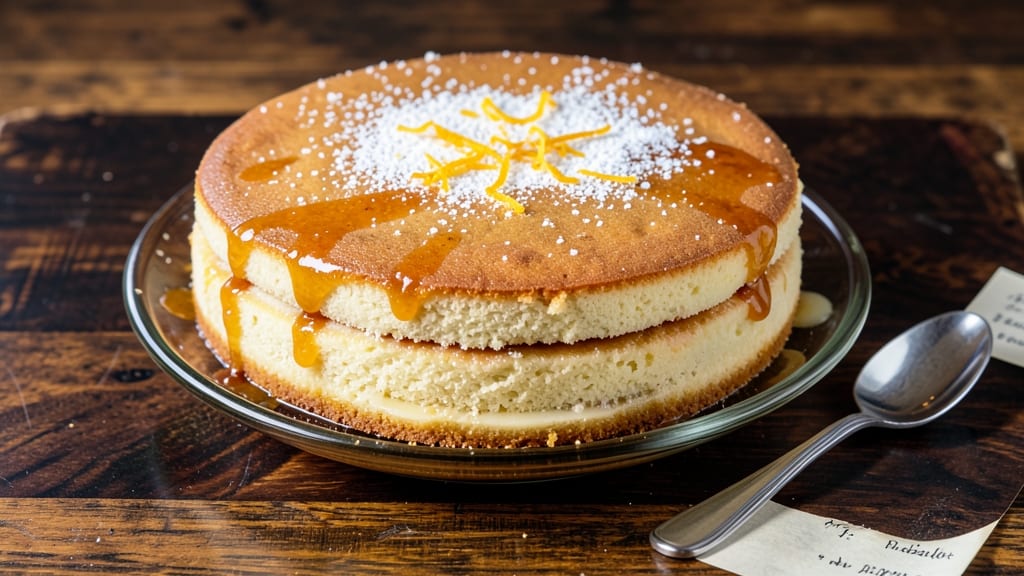
This Ghana pound cake recipe delivers the perfect balance of moisture and bold flavors, infused with coconut and bright citrus zest—just like the cakes you’d find in Accra’s bakeries. The secret lies in the precise layering of ingredients and a gentle steaming technique that keeps every slice tender for days.
I’ve baked this version countless times for gatherings, and it never disappoints.
What sets this recipe apart is the blend of traditional Ghanaian spices—nutmeg, cinnamon, and a touch of cardamom—that deepen the flavor without overpowering the natural sweetness. The coconut milk adds richness, while lemon zest provides that signature tangy lift.
Unlike many pound cakes, this one stays moist even after sitting out, thanks to the steaming method and a simple syrup glaze.
The result is a cake with a velvety crumb, golden crust, and layers of flavor that make it impossible to resist. Each slice offers a harmonious mix of coconut sweetness, citrus brightness, and warm spice notes.
Perfect for celebrations, family dinners, or simply treating yourself, this recipe brings a taste of West Africa to your kitchen.
Ready in just one hour with minimal effort, this cake is ideal for home bakers who want restaurant-quality results. The instructions are straightforward, and the ingredients are easy to find—no specialty items required. Let’s get baking!
Ingredients for ghana pound cake
Fourteen ingredients transform into a velvety Ghanaian pound cake with coconut richness and citrus brightness.
| Ingredient | Amount | Notes |
|---|---|---|
| All-Purpose Flour 🌾 | 2 cups | Sifted for even texture |
| Granulated White Sugar 🍚 | 1 ½ cups | Superfine preferred for smoothness |
| Unsalted Butter 🧈 | 1 cup | Cold, cubed for creaming |
| Coconut Milk (Full-Fat) 🥥 | 1 cup | Canned, well-shaken |
| Large Eggs 🥚 | 3 whole | Room temperature for blending |
| Lemon Zest 🍋 | 1 tbsp | Fresh, finely grated |
| Ground Nutmeg 🌿 | ½ tsp | Freshly grated preferred |
| Ground Cinnamon 🌶️ | 1 tsp | Ceylon preferred for warmth |
| Ground Cardamom 🌿 | ¼ tsp | Lightly toasted for aroma |
| Baking Powder 🧂 | 1 ½ tsp | Aluminum-free recommended |
| Salt 🧂 | ½ tsp | Fine sea salt preferred |
| Vanilla Extract 🌸 | 1 tbsp | Pure Madagascar preferred |
| Shredded Coconut (Sweetened) 🥥 | ½ cup | Toasted lightly for flavor |
| Water 💧 | ½ cup | For steaming technique |
The coconut milk is non-negotiable for authentic texture. Thai Kitchen or Goya brands deliver consistent quality, but check for full-fat content—light versions won't yield the same moist crumb. Freshly grated nutmeg and cardamom elevate this beyond standard pound cakes; Penzeys Spices offers pre-ground blends if you lack whole spices. The baking powder should be fresh—test by mixing with water; it should bubble vigorously. For the butter, Land O'Lakes unsalted works reliably, but European-style butter like Plugrá adds luxurious depth.
No full-fat coconut milk? Substitute with heavy cream plus 1 tbsp coconut oil, though texture will differ slightly. Ceylon cinnamon unavailable? Regular cassia works at half the amount. The lemon zest can be doubled if you love that bright punch—just balance with extra sugar if needed. For nutmeg substitutes, allspice at one-quarter amount mimics warmth without bitterness. The shredded coconut should be toasted in a dry pan for 3-4 minutes to enhance its flavor profile—don't skip this step. Water for steaming must be boiling when added to the cake pan.
Store wrapped tightly in parchment at room temperature for 3 days to maintain moisture, or refrigerate for 5 days. For longer storage, slice and freeze portions between parchment sheets—thaw at room temperature before serving. The cake reheats beautifully with 10 seconds in the microwave, restoring its tender crumb. Portion into individual servings before freezing to prevent sogginess. This cake's steaming technique ensures it stays moist without drying out, unlike traditional pound cakes.
Why You'll Love This Recipe
- No-Fuss Mixing: I swear by this recipe’s simplicity—just creaming butter and sugar until light, then folding in eggs and coconut milk. No sifting, no extra bowls, and honestly? The coconut milk gives it this rich, moist crumb that’s foolproof even if you’re not a baker.
- Rich Without Overpowering: That full-fat coconut milk does something magical—it keeps the cake tender but not greasy, while the butter and sugar create a caramelized edge when baked. It’s sweet enough to satisfy a dessert craving but not cloying, like a hug in cake form.
- Crowd-Pleaser Any Day: Between us, this cake disappears fast—at brunch, as a snack with tea, or even sliced thin for a quick breakfast. I’ve taken it to potlucks, left it on the counter for coworkers, and my kids still beg for it days later. (Yes, even on a Tuesday night.)
- Leftovers That Last: One pan, two days of snacks. This cake stays fresh for ages, and if you slice it while warm, it’s even better the next morning toasted with butter. Plus, the ingredients are basic enough that you’re not breaking the bank for a treat that keeps giving.
Step-by-step instructions for coconut-infused Ghana pound cake
This method delivers a perfectly moist, tender cake with rich coconut flavor and bright citrus notes.
Prepare the Coconut Milk Mixture
In a medium saucepan, combine the 1 cup coconut milk (full-fat) and 0.5 cup water. Heat over medium heat until the mixture reaches 180°F, just before it begins to simmer. This steaming technique creates moisture that keeps the cake tender throughout. Remove from heat and let it cool slightly for 5 minutes—it should still be warm but not hot to the touch.
While waiting, toast the 0.5 cup shredded coconut (sweetened) in a dry skillet over medium heat for 2-3 minutes until golden and fragrant. This enhances the coconut flavor and prevents it from sinking to the bottom of the cake. Set aside to cool completely before using.
Cream Butter and Sugar
In a stand mixer fitted with the paddle attachment, beat the 1 cup unsalted butter (cold, cubed) and 1.5 cups granulated white sugar (superfine preferred) on medium speed for 3-4 minutes. The mixture should become light and fluffy, nearly doubling in volume, with a pale yellow color. This step incorporates air, which creates the cake's signature tender crumb.
Scrape down the sides of the bowl with a silicone spatula to ensure even mixing. Add the 3 whole large eggs (room temperature) one at a time, mixing on low speed for 30 seconds after each addition. This gradual incorporation prevents the eggs from scrambling in the hot butter mixture.
Combine Dry Ingredients and Fold in Wet Components
In a separate bowl, sift together the 2 cups all-purpose flour, 1.5 teaspoons baking powder (aluminum-free recommended), 0.5 teaspoon salt, 1 teaspoon ground cinnamon, 0.5 teaspoon ground nutmeg, and 0.25 teaspoon ground cardamom (lightly toasted). Whisk gently to combine, ensuring no lumps remain in the flour mixture.
With the mixer on low speed, gradually add the dry ingredients to the butter mixture, alternating with the cooled coconut milk mixture. Begin and end with the flour to ensure even distribution. Mix just until combined—overmixing develops gluten, which can make the cake dense. Scrape the bowl again to incorporate any dry ingredients clinging to the sides.
Fold in Zest and Coconut
Add the 1 tablespoon lemon zest (fresh, finely grated) and 1 tablespoon vanilla extract (pure Madagascar preferred) to the batter. Mix on low speed for 15 seconds until evenly distributed. The zest adds a bright citrus note that cuts through the richness of the coconut and butter.
Gently fold in the toasted shredded coconut using a silicone spatula. Be careful not to overmix—just enough to distribute the coconut evenly throughout the batter. The texture should remain smooth with a few visible coconut flecks. This step ensures the coconut flavor is present in every bite without making the cake too dense.
Bake to Golden Perfection
Preheat your oven to 350°F and grease a 9-inch round cake pan or line it with parchment paper. Pour the batter into the prepared pan and smooth the top with a spatula. Bake for 40-45 minutes, or until a toothpick inserted into the center comes out clean with just a few moist crumbs clinging to it.
The cake is done when the edges pull away slightly from the pan and the top springs back when gently pressed. If the top browns too quickly, tent the cake with aluminum foil after 20 minutes to prevent overbrowning while ensuring the center cooks through. Let the cake cool in the pan for 10 minutes, then transfer to a wire rack to cool completely before slicing.
Pro Tips For Making Ghana Pound Cake
- Whisk Eggs First: Beat those eggs until they’re pale and tripled in volume before adding anything else—this lightens the batter and keeps the cake airy. I used to skip this, and my cakes turned out dense; now they’re fluffy and tender.
- Melt Butter Slowly: Warm the butter with the coconut milk over low heat until it’s just melted, not simmering—this prevents the coconut flavor from cooking out and turning bitter. I learned this after a batch tasted off, and now it’s creamy perfection.
- Don’t Overmix: Fold in the dry ingredients just until combined; overmixing develops gluten and makes the cake tough. I’ve ruined batches by beating like I’m kneading dough—stop when the flour is just gone.
- Test for Doneness Early: Check the cake at 45 minutes with a skewer—it should come out clean but slightly sticky. My first attempt was dry because I waited too long; now I pull it when it’s almost done and let it rest.
Wine and beer pairings for this ghana pound cake
Citrus-Infused Wines
This cake’s bright lemon zest pairs beautifully with dry white wines that mirror its citrus notes. A crisp Sauvignon Blanc from New Zealand, like Kim Crawford’s Sauvignon Blanc, delivers zesty grapefruit and lime flavors that complement the cake’s tang.
For a more floral option, try a Pinot Grigio from Italy—its delicate pear and almond undertones balance the coconut sweetness without overpowering it. 🍷
Spiced Red Wine
If you prefer red, opt for a light-bodied Grenache or Beaujolais with subtle spice notes. A bottle of Château de Beaucastel Châteauneuf-du-Pape offers warm cinnamon and vanilla undertones that harmonize with the cake’s nutmeg and cardamom. Serve slightly chilled to enhance its refreshing qualities.
Coconut-Forward Beers
For beer lovers, a tropical pale ale or IPA with citrus and pineapple notes works wonderfully. Try Allagash White from Maine—its passionfruit and mango flavors create a delightful contrast to the cake’s coconut richness.
Alternatively, a Belgian witbier like Hoegaarden adds a touch of spice and effervescence that cuts through the cake’s density.
Creamy Dessert Wines
Save a glass of Moscato d’Asti or Riesling for those who love a sweeter pairing. The fruity, slightly fizzy nature of Moscato enhances the cake’s tropical flavors, while a dry Riesling from Germany adds a mineral crispness that balances the coconut’s sweetness.
Serve these at room temperature for the best experience.
Non-Alcoholic Pairings
For a refreshing non-alcoholic option, mix sparkling apple cider with a splash of pineapple juice and a squeeze of lemon. The effervescence cleanses the palate, while the pineapple adds a tropical harmony.
Alternatively, serve coconut milk chilled in a pitcher for a simple yet elegant pairing that echoes the cake’s star ingredient. 🥥
Nutrition facts
Frequently asked questions
Why does this Ghanaian pound cake use coconut milk instead of regular milk?
The coconut milk creates an authentic West African flavor profile while adding rich moisture that keeps the cake tender for days. Unlike traditional pound cakes, this version relies on the steaming technique with coconut milk to achieve that signature velvety crumb. The fat content in coconut milk also prevents dryness, making each slice stay fresh longer.
Can I make this cake without a stand mixer?
Use a hand mixer or even a sturdy whisk for the butter-sugar mixture, though you'll need to work in batches. For the dry ingredients, gently fold them in with a spatula after mixing by hand. The key is to avoid overmixing—just combine until no flour streaks remain. A silicone spatula works best for folding in the coconut and zest.
What's the secret to keeping this cake moist for days?
The steaming technique (heating coconut milk to 180°F) infuses moisture throughout, while the toasted coconut adds texture without drying. Wrap cooled slices in parchment paper and store in an airtight container at room temperature for up to 3 days. For longer storage, freeze individual portions between parchment sheets to prevent sogginess.
How do I adjust this recipe for a smaller or larger pan?
For an 8-inch pan, reduce baking time by 10-15 minutes and check doneness early. For a 10-inch pan, increase time by 10-15 minutes and use 2/3 of the batter (save the rest for cupcakes). Always use the toothpick test—center should come out clean with moist crumbs. Adjust oven racks if needed to prevent uneven baking.
Can I substitute the spices if I don't have cardamom?
Yes! Replace cardamom with 1/4 tsp allspice or 1/4 tsp cloves for warmth, though the flavor won't be identical. For a milder option, use an extra 1/4 tsp cinnamon. Cardamom adds a unique floral note that pairs perfectly with the coconut and citrus, but these substitutes will still create a delicious cake. Toast your spices lightly before measuring for maximum aroma.