
Sauces & Condiments
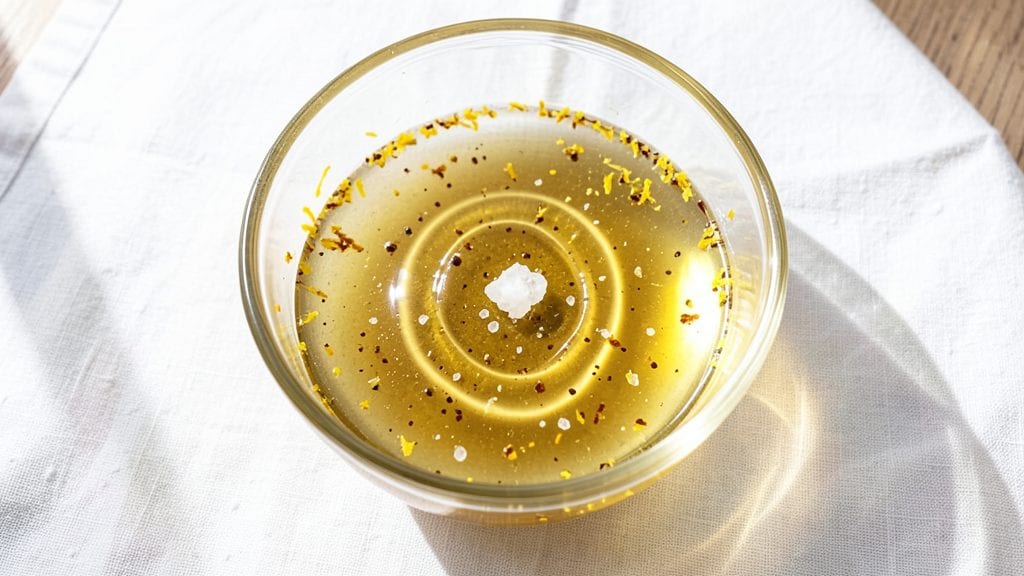
Ina Garten's lemon vinaigrette recipe transforms simple pantry ingredients into a bright, balanced dressing that elevates everything from salads to roasted vegetables. The secret lies in precise ratios—where sharp lemon juice meets high-quality olive oil—and a touch of Dijon mustard for depth.
I first made this after burning through three batches of store-bought dressings that tasted flat, and this version changed how I dress greens forever.
What makes this dressing truly special is its versatility and longevity. The recipe uses just five core ingredients, yet the flavor develops beautifully over time, becoming richer as it sits.
Ina Garten’s method ensures the acidity cuts through richness without overpowering, creating a dressing that’s equally at home on a summer salad or drizzled over warm roasted potatoes. The key is emulsifying properly—no clumps, no separation—so every drop delivers that signature tangy zing.
By the time you’re done, you’ll have a dressing that’s crisp, vibrant, and restaurant-quality—one that keeps for up to a week in the fridge and only requires a quick shake before use. The lemon’s brightness shines through while the olive oil provides a smooth, velvety finish.
This isn’t just a dressing; it’s a game-changer for any dish that needs a lift. Let’s make it together—your taste buds will thank you.
For those who love to experiment, you can easily swap in white wine vinegar or add fresh herbs like tarragon or thyme for variations. But stick with the classic for a foolproof foundation that always delivers. Here’s how to make it—step by step.
Ingredients for ina garten lemon vinaigrette
Five simple ingredients. One perfect dressing. Pantry staples with restaurant-quality results.
| Ingredient | Amount | Notes |
|---|---|---|
| Extra-Virgin Olive Oil 🫒 | ¾ cup | High quality, fruity, cold-pressed |
| Fresh Lemon Juice 🍋 | ½ cup | From 2-3 large lemons, freshly squeezed |
| Dijon Mustard 🍯 | 1 tbsp | Mild or strong, not regular yellow mustard |
| Granulated Sugar 🍚 | 1 tsp | Balances acidity, adjust to taste |
| Diamond Crystal Kosher Salt 🧂 | ¾ tsp | Fine grain preferred for dissolving |
The olive oil here is non-negotiable. Trader Joe's Three Olive Company or Whole Foods' 365 brand are my go-tos—they're affordable and pack serious flavor. If you're splurging, grab a small bottle of California Extra Virgin from the grocery store's premium section. The lemon juice? Use Meyer lemons if available—they're sweeter and less acidic, but regular lemons work perfectly fine. Freshly squeezed is key; bottled lemon juice lacks the brightness. For the Dijon, Maille is the gold standard, but any good-quality jarred Dijon will do. The sugar and salt are just there to balance—don't skip them, but don't overdo it either.
No Dijon? Whole grain mustard thinned with a splash of water works in a pinch, though it'll be slightly grainier. Running out of lemons? White wine vinegar or apple cider vinegar can replace half the lemon juice, but you'll lose that signature citrus brightness. The sugar can be swapped for honey or maple syrup if you prefer, though it'll change the texture slightly. If you're feeling fancy, add a pinch of fresh thyme or tarragon at the end—just fold it in gently so it doesn't clump. And if you're making this ahead, the flavors actually improve over time, so don't rush it.
This dressing keeps beautifully. Store it in a clean, airtight jar in the fridge for up to 1 week, though I've had mine last 10 days with no issues. Give it a quick shake before each use to re-emulsify. For longer storage, freeze it in ice cube trays—just thaw and shake when ready to use. The sugar and salt help preserve it, so don't be tempted to cut them. And if you find yourself with leftover dressing, drizzle it over roasted veggies or toss it with grains—it's just as delicious as it is on salads.
Why You'll Love This Recipe
- Four-Ingredient Magic: I swear by this combo—just oil, lemon, mustard, and sugar. No fancy tools, no stress, and it’s ready while you boil pasta or roast veggies.
- Bright but Balanced: That pinch of Dijon mustard cuts through the sharpness of the lemon, while the sugar softens the edges just enough to make it ridiculously good on everything from salads to grilled fish.
- Weeknight Workhorse: I keep a jar in my fridge for quick salads, drizzled over takeout, or tossed with roasted potatoes. Honestly, it’s my go-to for when I don’t want to overthink dinner.
- Lasts All Week: Make a big batch—it stays fresh for days, and the flavors only deepen. Between us, I’ve had this dressing last me from Monday’s lunch to Friday’s leftover chicken night.
Step-by-step instructions for Ina Garten's lemon vinaigrette
This bright, tangy dressing comes together in minutes with just five simple ingredients.
Whisk the Wet Ingredients Together
In a medium bowl, combine the 0.5 cup fresh lemon juice with the 1 tablespoon Dijon mustard. Use a fork or small whisk to mix until the mustard is fully incorporated and the mixture is smooth. The lemon juice should be completely dissolved into the mustard—no streaks should remain. This step is crucial because it creates a stable base for the emulsion that will form when you add the olive oil.
Next, add the 1 teaspoon granulated sugar and 0.75 teaspoon Diamond Crystal kosher salt. Whisk again until the sugar and salt dissolve completely. You'll notice the mixture becomes slightly thicker and more cohesive. Taste at this point—it should be pleasantly tart and well-balanced, with just a touch of sweetness to mellow the acidity. If you're using strong Dijon mustard, you might want to add a pinch more sugar to balance the flavors.
Gradually Incorporate the Olive Oil
With the whisk still in the bowl, slowly drizzle in the 0.75 cup extra-virgin olive oil while continuing to whisk vigorously. Start with just a few drops at first, then gradually increase the flow as the mixture begins to emulsify. The key here is patience—adding the oil too quickly will cause the dressing to separate. You're looking for a smooth, creamy texture that coats the back of a spoon.
Continue whisking for about 1-2 minutes after all the oil is added. The dressing should thicken into a glossy, velvety consistency. If it looks too thin, whisk in another ½ teaspoon of Dijon mustard. For a thicker dressing, you can add a splash of water or more lemon juice. The perfect vinaigrette should cling lightly to the whisk tines without being overly thick or runny.
Taste and Adjust the Balance
Taste the dressing again and make any final adjustments. If it's too acidic, add another ¼ teaspoon of sugar. If it needs more depth, stir in an extra ½ teaspoon of Dijon mustard. The salt should be present but not overpowering—you want the lemon and olive oil to shine. This is where Ina Garten's magic happens: the perfect harmony of bright citrus, rich olive oil, and just enough mustard to bind it all together.
Let the dressing sit for 5 minutes before using. This resting time allows the flavors to meld completely. Give it one final taste—it should be vibrant, balanced, and ready to elevate any salad, grilled vegetables, or protein. The dressing will keep in the refrigerator for up to 1 week, making it a perfect make-ahead pantry staple.
Pro Tips For Making Ina Garten Lemon Vinaigrette
- Whisk in stages: Start by mixing the lemon juice, Dijon, sugar, and salt—then slowly drizzle in the olive oil while whisking like you’re trying to cut through butter. This keeps the emulsion smooth instead of separating into sad, oily puddles. (Yes, even if you’re impatient like me.)
- Use room-temperature mustard: Scoop that Dijon straight from the fridge, and you’re asking for trouble—it thickens and clumps when cold. Let it sit out for 10 minutes first, or just stir it into the wet ingredients a little earlier. Trust me, your vinaigrette will thank you.
- Measure salt by taste: Diamond Crystal kosher salt is coarser than table salt, so don’t eyeball it—start with ½ teaspoon, taste, then adjust. Too little? Your dressing tastes flat. Too much? Well, you’ll know. (Pro tip: Use a clean spoon, not the one you just licked.)
- Strain the lemon juice: Skip this, and you’ll get pulp in your dressing—no matter how much you strain it later. Run the juice through a fine-mesh sieve or cheesecloth right after squeezing. Five extra seconds now saves scrubbing your whisk later. (I learned this the hard way.)
Common mistakes when making perfect results
Skipping the Mustard
Dijon mustard is what binds the emulsion, but I’ve seen people skip it entirely—big mistake. Without it, your lemon juice and oil won’t blend properly, leading to a dressing that separates into oily and vinegary layers.
If you’re out, use 1 tsp whole grain mustard thinned with 1 tsp water as a substitute. The texture won’t be as silky, but it’ll hold together. 🍯
Using Bottled Lemon Juice
Freshly squeezed lemon juice is non-negotiable for that bright, vibrant flavor. Bottled juice often contains preservatives and lacks the complexity of fresh. If you’re in a pinch, use freshly squeezed juice from a concentrate—just dilute it with water first.
The flavor won’t be identical, but it’s better than store-bought. Trust me, your salads will taste the difference. 🍋
Adding Oil Too Quickly
The biggest culprit for clumpy or separated vinaigrette is rushing the oil addition. Pouring it in all at once disrupts the emulsion, causing the dressing to break. Instead, drizzle it in slowly while whisking continuously.
If you’ve already made this mistake, just whisk in another ½ tsp Dijon mustard to re-emulsify. Patience here is key—don’t rush it! 💡
Over-Salting or Over-Sweetening
Taste as you go, but don’t overcorrect. Adding too much sugar or salt can throw off the balance, making the dressing taste flat or one-dimensional. Start with the 1 tsp sugar and ¾ tsp salt as written, then adjust in pinch-sized increments.
Remember, you can always add more lemon juice or a splash of water to thin it out later. 🧂
Not Resting the Dressing
Letting the dressing sit for 5 minutes before using allows the flavors to meld and the emulsion to stabilize. Skipping this step can result in a dressing that’s still slightly oily or uneven in texture.
If you’re in a hurry, at least let it sit for 2 minutes—it makes a noticeable difference. 🕒
Using Low-Quality Olive Oil
Cheap or rancid olive oil will make your vinaigrette taste dull and off. Always use extra-virgin olive oil with a fruity, peppery note. Brands like Trader Joe’s Three Olive Company or Whole Foods 365 are budget-friendly and reliable.
If your oil smells stale, toss it and start fresh—your dressing deserves the best. 🫒
Nutrition facts
Frequently asked questions
Can I substitute white wine vinegar for lemon juice?
You can replace up to half the lemon juice with white wine vinegar, but expect a slightly different flavor profile. White wine vinegar adds depth but lacks the bright citrus notes. For best results, use ¼ cup white wine vinegar + ¼ cup lemon juice to maintain balance. The dressing will still emulsify well, though the tang will be more complex.
How do I fix a separated vinaigrette?
Give it a good shake or whisk vigorously to re-emulsify. If that doesn't work, whisk in ½ teaspoon more Dijon mustard to stabilize the mixture. For stubborn separation, add 1 teaspoon water and whisk again. The key is patience—don't pour in all the oil at once next time!
Can I make this dressing without Dijon mustard?
Yes, but the texture will be less stable. Replace the Dijon with 1 teaspoon whole grain mustard thinned with 1 teaspoon water. For a mustard-free version, add 1 teaspoon honey or maple syrup to help bind the emulsion. Just whisk extra vigorously when adding the oil. The flavor will be milder but still delicious.
What's the best way to store leftover dressing?
Transfer to an airtight jar or container and refrigerate for up to 1 week. Give it a shake before each use to re-emulsify. For longer storage, freeze in ice cube trays—thaw in the fridge overnight. The sugar and salt help preserve it, so don't skip them! The flavors actually improve as it sits.
Can I use this dressing on hot dishes like roasted potatoes?
This vinaigrette works beautifully on warm dishes. Drizzle it over roasted vegetables or grilled meats just before serving. The acidity cuts through rich flavors perfectly. For extra shine, add 1 teaspoon fresh herbs like thyme or parsley right before using. Just avoid adding it to extremely hot foods—let them cool slightly first.