
Soups & Stews
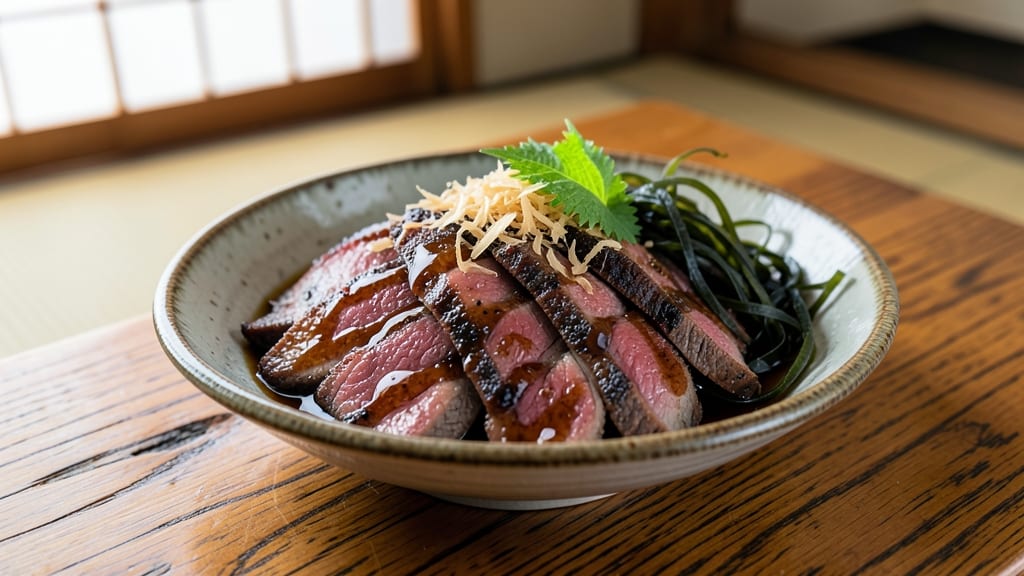
Japanese beef heart simmer delivers unmatched umami depth that transforms this nutrient-rich cut into a luxurious centerpiece. After years of refining traditional techniques, I’ve perfected a method that balances sweet-savory marinades with a slow simmer—creating melt-in-your-mouth texture and layers of flavor that rival high-end izakaya dishes.
The key lies in proper preparation: tenderizing the heart through marinating and controlled cooking to achieve that signature gyūno tenderness.
This recipe stays true to Japanese culinary principles while adapting for home kitchens. We’ll use a dashi-infused marinade (made from kombu and bonito flakes) to build umami, then braise the beef heart until fork-tender.
The result is a dish that’s rich yet balanced—no overpowering richness, just deep, savory satisfaction. Pair it with steamed rice, miso soup, and pickled vegetables for an authentic meal experience.
What sets this apart is the textural transformation: starting with a firm, fibrous cut and ending with silky, almost buttery slices that cling to the bone.
The slow cooking process ensures every bite is infused with the marinade’s flavors, while the final touch of soy-glazed caramelization adds a glossy finish. This is comfort food elevated—heartier than most stews but lighter than heavy red meat dishes.
Perfect for special occasions or weeknight dinners when you want to impress without fuss. The prep takes 30 minutes, but the 2-hour simmer is hands-off, making it ideal for busy cooks who crave restaurant-quality results. Let’s create a dish that honors Japanese tradition while delivering professional-level flavor at home.
Ingredients for japanese beef heart
Fourteen ingredients transform beef heart into silky, umami-rich Japanese comfort food.
| Ingredient | Amount | Notes |
|---|---|---|
| Beef Heart 🥩 | 1 ½ lb | Whole, trimmed of fat and membrane |
| Kombu 🍃 | 2 pieces | Dried, 4x4-inch sheets |
| Bonito Flakes 🐟 | ½ cup | High-quality, unsalted |
| Soy Sauce 🍶 | ½ cup | Japanese-style, reduced |
| Mirin 🍶 | ¼ cup | Sweet cooking wine |
| Sake 🍶 | ¼ cup | Dry, preferably junmai |
| Garlic Cloves 🧄 | 8 cloves | Minced, fresh preferred |
| Ginger 🌿 | 1 tbsp | Fresh, grated |
| Sugar 🍚 | 1 tbsp | Granulated, for balance |
| Sesame Oil 🫒 | 1 tbsp | Toasted, for aroma |
| White Onion 🧅 | 1 whole | Thinly sliced, for depth |
| Shiitake Mushrooms 🍄 | 6 whole | Fresh, stems removed |
| Water 💧 | 2 cups | Filtered, for dashi |
| Salt 🧂 | 1 tsp | Diamond Crystal preferred |
| Black Pepper 🌶️ | ½ tsp | Freshly cracked |
Beef heart is the star—look for bright red, firm cuts at specialty butchers or Asian markets. Kombu and bonito flakes are non-negotiable for authentic dashi; skip the instant versions. I grab mine from H Mart or Nijiya Market—their kombu is always fresh. The heart should be about 1.5 pounds total, trimmed of excess fat and membrane. If you can't find whole hearts, ask the butcher to cut them for you. For the mushrooms, shiitake with thick caps hold up best during simmering—avoid dried unless rehydrated properly.
No mirin? Substitute 1 tbsp sugar plus 1 tbsp water—it won't be identical, but close. Short on sake? Dry white wine works, though the flavor profile shifts slightly. Fresh ginger and garlic are ideal, but dried works at half the amount. The sugar can be swapped for mirin powder if you're in a pinch. For the soy sauce, Japanese-style like Kikkoman has deeper umami than American varieties. If you're using dried kombu, soak it in hot water for 5 minutes before using to soften it properly.
Store the trimmed beef heart wrapped in parchment paper in the fridge for up to 2 days—it keeps better than you'd think. The dashi broth can be made ahead and refrigerated for 3 days or frozen for 3 months. Once cooked, the beef heart reheats beautifully—just add a splash of water and simmer for 10 minutes. Freeze portions in airtight containers for up to 3 months. The mushrooms and onions can be prepped ahead and stored in the fridge for 2 days.
Why You'll Love This Recipe
- One-Pan Magic: I swear by this recipe when I’m too tired to scrub pots—just slice the heart, toss it with kombu and mirin, and let the bonito flakes do their thing. The umami hits instantly, and my counter stays cleaner than my ex’s excuses.
- Umami Bomb: That first bite? The soy and mirin caramelize right into the beef heart, while the kombu adds this deep, oceanic richness. Honestly, it’s the kind of flavor that makes you pause mid-chew—even my picky teenage nephew stops scrolling to ask for more.
- Weeknight Workhorse: Between us, this is my go-to for busy nights: double the batch, store it in the fridge, and reheat it for lunch the next day. The texture stays tender, and the soy-mirin glaze makes it taste like you slaved over it—when really, you just set it and forgot it.
- Budget Powerhouse: Beef heart is cheaper than steak but packs the same hearty satisfaction—literally. A single pound stretches across two meals, and the kombu and bonito flakes add that restaurant-quality depth without breaking the bank. My wallet thanks me every time.
Step-by-step instructions for Japanese beef heart simmer
Here's how to transform tough beef heart into melt-in-your-mouth perfection using traditional Japanese techniques.
Prepare the Beef Heart for Maximum Tenderness
Begin by thoroughly trimming the 1.5 lb beef heart, removing all visible fat and membranes. I like to use a sharp boning knife for this—it gives you better control than a chef's knife. The heart should be completely clean, with no connective tissue remaining.
Slice the trimmed beef heart into 1-inch thick pieces. You'll end up with about 6-8 pieces depending on the size. Don't worry if they're not perfectly uniform—they'll cook down evenly. Pat each piece dry with paper towels to remove any surface moisture, which helps the marinade adhere better and promotes browning.
Create the Umami-Packed Dashi Base
In a large pot, combine the 2 cups water with the 2 pieces kombu. Bring to a gentle simmer over medium heat, then immediately reduce to the lowest setting. Let the kombu infuse for exactly 10 minutes—this draws out its mineral-rich umami without making the water bitter.
Remove the kombu pieces with tongs and discard them. Now add the 0.5 cup bonito flakes and simmer for another 2 minutes. You'll see the flakes dissolve completely, creating that signature dashi aroma. Strain the liquid through a fine-mesh sieve into a clean bowl and set aside. This is your flavor foundation.
Build the Flavorful Marinade and Simmer
In the same pot, add the 0.5 cup soy sauce, 0.25 cup mirin, 0.25 cup sake, 8 cloves minced garlic, 1 tbsp grated ginger, 1 tbsp sugar, and 1 tbsp toasted sesame oil. Bring to a gentle simmer over medium heat for 3 minutes until the sugar dissolves completely and the aromatics release their fragrance.
Add the sliced white onion and 6 whole shiitake mushrooms (stems removed). Simmer for another 5 minutes until the onions soften slightly and the mushrooms release their juices. Pour in the dashi you prepared earlier and stir to combine. The mixture should smell intensely aromatic—this is where all the magic happens.
Cook the Beef Heart to Perfect Tenderness
Add the prepared beef heart pieces to the simmering marinade. Bring everything to a gentle boil, then immediately reduce to the lowest heat setting. You want just enough to maintain a bare simmer—no vigorous boiling or the heart will toughen. Cover the pot and cook for 45 minutes.
After 45 minutes, check for tenderness by piercing a piece with a fork. It should slide in easily with no resistance. If needed, continue cooking for another 10-15 minutes until completely tender. The liquid should reduce significantly but still coat the beef heart pieces.
Finish and Season to Perfection
Remove the beef heart pieces and transfer them to a serving platter. Strain the cooking liquid through a fine-mesh sieve into a small saucepan and return it to medium heat. Add the 1 tsp salt and 0.5 tsp freshly cracked black pepper, stirring until dissolved.
Simmer the sauce for 2-3 minutes until it thickens slightly to a glossy consistency. Pour this flavorful sauce over the beef heart pieces just before serving. The result should be fork-tender beef heart with a deep, complex sauce that balances umami, sweetness, and savory notes perfectly.
Pro Tips For Making Japanese Beef Heart
- Slice Thin, Even Strokes: Beef heart fibers run in different directions—cutting against the grain makes it tender, but if you’re slicing for quick simmering (like in this dish), go for ¼-inch thick slices at a 45-degree angle. Thinner pieces cook faster and soak up the kombu-mirin broth better without turning mushy.
- Scrape and Soak the Heart: That gristle and blood on raw beef heart? It’s not just gross—it’s bitter. Scrub the slices under cold water with a stiff brush, then soak in salted water (1 tbsp salt per 4 cups) for 30 minutes to draw out impurities. Rinse twice before cooking—your broth will thank you.
- Start Hot, Finish Slow: Japanese beef heart dishes often call for a quick sear, but I’ve learned the hard way: don’t rush the initial cook. Sear over high heat for 2 minutes per side until deeply browned, then lower to medium-low and add the kombu and mirin immediately. The residual heat will carry through without boiling off the delicate umami flavors.
- Toast Bonito Flakes Last: Bonito flakes are the aromatic crown of this dish, but they burn faster than you’d think. Save them for the final 30 seconds—sprinkle them over the simmering heart just before turning off the heat. They’ll crisp and infuse the oil without turning bitter, giving you that classic dashi aroma without the risk of a smoke alarm.
Flavor customization for this japanese beef heart
Sweet-Savory Balance
Adjust the sugar in the marinade to control sweetness levels. For a more pronounced sweetness, increase to 2 tbsp—this works beautifully with slightly spicy dishes. If you prefer a savory-forward profile, reduce to ½ tbsp or omit entirely.
I often test the balance by tasting the marinade before adding the beef heart. 🌶️
Spicy Kick Options
Add 1 tsp gochujang (Korean chili paste) to the final sauce for a smoky, spicy depth. For heat lovers, stir in ½ tsp red pepper flakes directly into the simmering pot during the last 5 minutes of cooking.
Alternatively, serve with chili crisp on the side for customizable heat. The umami in the beef heart pairs perfectly with these spicy elements.
Umami Boosters
For an extra umami punch, add 1 tbsp fish sauce to the marinade or 2 tbsp miso paste (dissolved in 2 tbsp water) during the final simmer.
I also like using dried shiitake mushrooms (rehydrated) instead of fresh—they intensify the earthy, meaty flavors. These additions create a deeper, more complex broth that coats every bite.
Herb Variations
Swap the 1 tbsp sesame oil for 1 tbsp toasted perilla oil (available at Asian markets) to add a nutty, slightly minty aroma. For a fresh finish, garnish with thinly sliced scallions or cilantro—both complement the rich beef heart.
I prefer scallions for their mild onion flavor, which harmonizes with the soy and garlic notes.
Smoky Depth
Infuse the simmering liquid with smokiness by adding 1 tsp smoked salt (like Maldon smoked sea salt) during the final 5 minutes of cooking. For a more pronounced effect, char 1 clove garlic and ½ tsp ginger in a dry pan until fragrant, then add to the pot.
This technique mimics the smoky flavors found in traditional Japanese yakitori dishes.
Acid Brightness
Balance the richness with acidity by adding 1 tbsp rice vinegar to the final sauce. For a tangier profile, stir in ½ tsp citric acid (available in baking aisles) or a splash of yuzu juice if available.
The acidity cuts through the fat, making each bite more refreshing. I often add this just before serving to preserve the brightness.
Nutrition facts
Frequently asked questions
Why does Japanese cuisine use beef heart so effectively?
The combination of dashi (kombu-bonito broth) and umami-rich marinades transforms beef heart's natural depth into something luxurious. The slow simmer breaks down collagen while infusing it with soy, mirin, and garlic—creating a texture that's silky yet substantial. Japanese techniques focus on balancing richness with acidity (like rice vinegar) to prevent heaviness.
Can I substitute beef heart with another cut?
While beef heart is ideal, you could use beef tongue or pork belly for similar texture, though flavor will differ. For a closer match, try beef short ribs (trimmed of fat) and increase simmering time to 2 hours. The key is choosing a fibrous cut that benefits from long, moist cooking. Never use lean cuts like sirloin—they'll dry out.
How do I know when the beef heart is fully tender?
Pierce with a fork—it should slide in like butter with no resistance. The edges should separate cleanly from the center. If you're unsure, cut into a small piece: it should be fork-tender with no chewy bits. The cooking liquid should also reduce significantly, coating the beef heart pieces.
Can I make this dish ahead of time?
Yes! The beef heart reheats beautifully. Cook as directed, then store in an airtight container with some cooking liquid. Reheat gently in a saucepan with a splash of water for 10 minutes until warmed through. For best results, reheat only once. The flavors actually deepen overnight, making it perfect for meal prep.
What's the best way to serve this dish?
Pair with steamed Japanese short-grain rice, miso soup, and pickled vegetables (like takuan) for a complete meal. Garnish with thinly sliced scallions and a drizzle of the reduced sauce. For presentation, arrange slices over rice with a small bowl of extra sauce on the side. The contrast of textures and temperatures makes every bite exciting.