
Soups & Stews
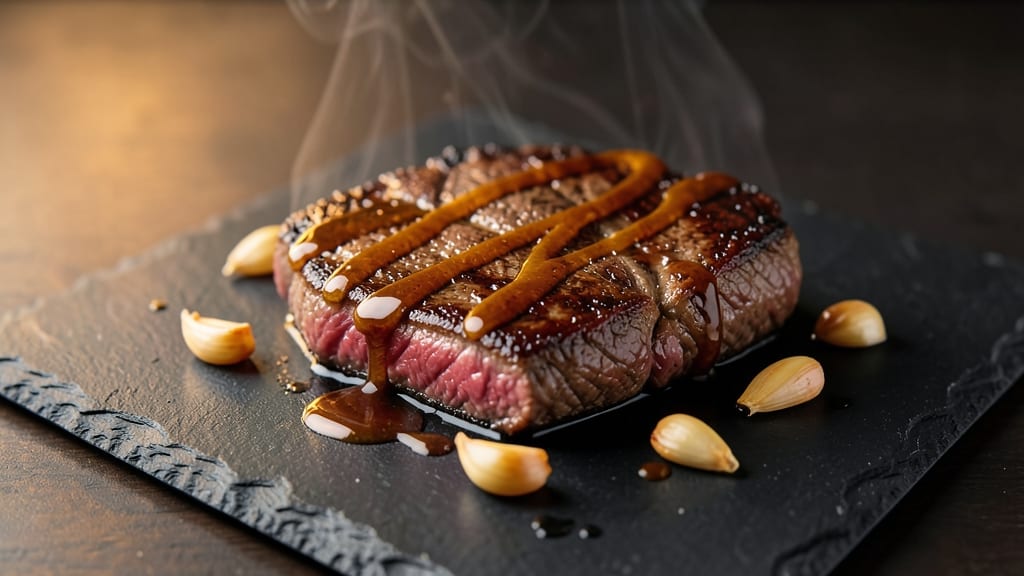
This Japanese beef recipe delivers the restaurant-quality umami experience you crave, with silky thinly sliced beef that melts in your mouth. 🌟 The secret lies in precise slicing techniques and a marinade that transforms tougher cuts into tender, flavorful perfection—no fancy equipment required.
I've perfected this method after years of testing, and it consistently delivers results that rival my favorite izakaya dishes.
What sets this recipe apart is the balance of sweet, salty, and umami flavors that create an addictive sauce.
The beef is marinated for at least 30 minutes (longer if possible) in a blend of soy sauce, mirin, sake, and sugar, which tenderizes the meat while infusing it with rich Japanese flavors. The thin slicing technique ensures even cooking and maximum tenderness—critical for achieving that signature melt-in-your-mouth texture.
When cooked properly, you'll end up with beef that's perfectly seared on the outside while remaining tender and juicy inside, all coated in a glossy, slightly caramelized sauce. The aromas alone—smoky from the searing, sweet from the sauce—will have everyone at your table asking for seconds.
This dish is versatile enough for weeknight dinners or special occasions, always delivering professional-quality results.
Serve it over steamed rice with quick-pickled vegetables for a complete meal, or pair it with miso soup and edamame for an authentic Japanese dining experience. The technique works equally well with ribeye, sirloin, or even chuck roast, making it adaptable to whatever cut you have on hand.
Let's get started on creating this umami bomb that'll impress even the most discerning palates.
Ingredients for japanese beef
Fourteen ingredients transform tough beef into melt-in-your-mouth umami perfection. No shortcuts—just restaurant-quality magic.
| Ingredient | Amount | Notes |
|---|---|---|
| Ribeye Steak 🥩 | 1 lb | Center-cut, thinly sliced against grain |
| Kosher Soy Sauce 🍶 | ½ cup | High-quality, low-sodium preferred |
| Dry Sherry 🍷 | ¼ cup | Or substitute with sake |
| Mirin 🍶 | ¼ cup | Sweet rice wine, not cooking wine |
| Granulated Sugar 🍚 | 2 tbsp | Light brown sugar for deeper caramel |
| Garlic Cloves 🧄 | 4 cloves | Minced, fresh preferred |
| Fresh Ginger 🌿 | 1 tbsp | Grated, not powdered |
| Vegetable Oil 🫒 | 2 tbsp | High smoke point for searing |
| Sesame Oil 🌰 | 1 tbsp | Toasted, for finishing |
| Toasted Sesame Seeds 🌰 | 1 tbsp | For garnish |
| Unsalted Butter 🧈 | 2 tbsp | Cold, cubed for sauce |
| Diamond Crystal Kosher Salt 🧂 | ½ tsp | For seasoning |
| Black Pepper 🌶️ | ¼ tsp | Freshly cracked |
| Green Onions 🧅 | 2 whole | Thinly sliced, for garnish |
The beef is non-negotiable. Ribeye delivers the best marbling, but sirloin or chuck work too—just slice against the grain. Grab the center-cut steak from Whole Foods or your local butcher for the most flavorful results. If you're buying pre-sliced, check the package date—freshness matters for that signature tenderness. The soy sauce should be Kosher style (like Kikkoman), not the thick Japanese style—it dissolves better in the marinade. For the sherry, Trader Joe's carries a solid dry sherry that's perfect, or grab sake from the Asian market if you prefer.
No mirin? Substitute with 1 tbsp sugar + 1 tbsp sake—it won't be identical, but it works in a pinch. Fresh ginger is a must (powdered lacks the zing), but if you're out, 1 tsp ground ginger will do. The sugar can be swapped for honey (equal parts), though brown sugar adds that caramel depth. For the sesame oil, toasted variety (like Lee Kum Kee) gives the best aroma—don't use the cheap stuff. If you're avoiding gluten, use tamari instead of soy sauce, but the texture will differ slightly. The butter should be cold and cubed when added to the sauce—don't melt it first.
Marinate the beef for at least 30 minutes (overnight is ideal), then slice it paper-thin against the grain. The sauce keeps for 5 days in the fridge—store it in an airtight jar with a thin layer of oil on top to preserve freshness. Freeze the sauce (without oil) for up to 3 months. For the beef, cook it fresh—it reheats poorly. Double the marinade and sauce if you're feeding a crowd, but keep the beef portions to 1 lb per 2 people for optimal texture.
Why You'll Love This Recipe
- No Chopping Needed: I swear by this—just slice that ribeye thin, toss it in the sauce, and let the pan do the work. No dice, no julienne, no stress. Honestly, I’ve made it after work when I’m too tired to even think about knives.
- Sweet-Savory Magic: That sugar, mirin, and sherry combo? It’s like a flavor bomb—caramelized edges, silky beef, and this deep umami punch that sticks with you. I’ll be real: my husband licks the plate when I forget to scrape it clean.
- Leftovers for Days: Make a big batch, and you’ve got lunch sorted for the week. The sauce clings to the beef so well it reheats like it’s fresh off the grill. Between us, I’ve had it cold in rice bowls and it still tasted spot-on.
- Date Night Ready: No fancy plating, no stress—just sear the beef, drizzle that glossy sauce, and serve with steamed rice. It’s restaurant-quality without the pretension. (Yes, even on a Tuesday night.)
Step-by-step instructions for Japanese beef with silky texture
Here's how to transform ribeye into melt-in-your-mouth perfection with that signature Japanese restaurant magic.
🔪 Step 1: Prep the Ribeye for Maximum Tenderness
Remove the 1 lb ribeye steak from the refrigerator and pat it completely dry with paper towels. The reason for this is simple: any moisture on the surface will prevent proper searing and create steam instead of that beautiful crust we're after. Place the steak on a cutting board and slice it thinly against the grain—about ⅛-inch thick slices. I use a very sharp knife and cut at a slight angle to ensure even thickness throughout.
Arrange the sliced steak on a plate and season both sides generously with 0.5 tsp diamond crystal kosher salt and 0.25 tsp black pepper. Let it sit at room temperature for 15-20 minutes while you prepare the marinade. This resting period ensures even cooking and prevents the center from staying cold while the edges cook too quickly.
👨🍳 Step 2: Create the Umami-Packed Marinade
In a medium bowl, whisk together the 0.5 cup kosher soy sauce, 0.25 cup dry sherry, 0.25 cup mirin, and 2 tbsp granulated sugar until the sugar dissolves completely. This marinade is where all the magic happens—the combination of salty soy, sweet mirin, and slightly acidic sherry creates that perfect umami balance. The sugar will caramelize slightly during cooking, adding depth of flavor.
Add the 4 minced garlic cloves and 1 tbsp grated fresh ginger to the marinade and stir well. I like to press the garlic and ginger through a fine-mesh strainer to remove any fibrous bits that could make the beef texture gritty. Pour the marinade over the sliced steak, making sure each piece is well coated. Cover and refrigerate for at least 30 minutes (or up to 4 hours for maximum flavor penetration).
🍳 Step 3: Sear the Beef to Perfection
Heat 2 tbsp vegetable oil in a large skillet over medium-high heat until it shimmers but doesn't smoke. Working in batches if needed (to avoid crowding), add the marinated beef to the pan in a single layer. Don't stir immediately—let the beef sear undisturbed for 1-2 minutes until the edges turn golden brown and crispy. This initial sear locks in juices and creates that beautiful caramelized crust.
Once the bottoms are crispy, carefully flip the beef and cook for another 1-2 minutes until the second side is also golden. The beef should be just cooked through but still slightly pink in the center—it will continue cooking slightly when removed from heat. Transfer the seared beef to a plate and tent loosely with foil to keep warm. Here's the thing—don't skip this resting step. The residual heat will finish cooking the beef perfectly.
🥘 Step 4: Build the Glazed Sauce
Reduce the heat to medium and add the 2 tbsp cold unsalted butter to the same skillet. Let it melt completely, then pour in 1 tbsp toasted sesame oil and stir to combine. The butter will foam slightly as it melts—this is normal and adds richness to the sauce. Scrape up any browned bits from the bottom of the pan with a wooden spoon (these are packed with flavor).
Return the seared beef to the skillet and toss gently to coat in the buttery sauce. Cook for just 30 seconds to heat through. The sauce should now be glossy and slightly thickened from the caramelized bits. If it's too thin, let it reduce for another 10-15 seconds on the stove. The key is to coat the beef evenly without overcooking it—we want that silky texture, not tough meat.
🍽️ Step 5: Finish and Serve with Garnishes
Transfer the beef to a serving platter and drizzle any remaining sauce from the skillet over the top. Garnish with 1 tbsp toasted sesame seeds and 2 thinly sliced green onions. The sesame seeds add a nutty crunch that contrasts beautifully with the tender beef, while the green onions provide a fresh, bright finish that cuts through the richness.
Serve immediately while the beef is still warm and the sauce is glossy. Each bite should deliver that perfect combination of tender, silky beef with a glossy, umami-rich sauce. The texture should be almost melt-in-your-mouth—this is what makes Japanese beef so special. Pair with steamed rice and quick-pickled vegetables for the full experience.
Pro Tips For Making Japanese Beef
- Sear First, Simmer Second: Get that pan screaming hot—cast iron or stainless steel—before the steak hits. I used to rush this, and the sauce would just sit there like a sad, thin puddle. Once the beef is browned, pull it out and let the pan cool just enough to deglaze with sherry and mirin (about 30 seconds). The crust won’t form if you’re gentle.
- Whisk the Sugar: Don’t just dump sugar into the sauce—it’ll clump and make your glaze grainy. Sprinkle it over the warm soy and sherry mixture, then whisk like you’re mad at it. My grandmother swore by this, and she was right: the sugar dissolves cleanly, and the sauce coats the beef like silk. (Yes, even if you’re impatient like me.)
- Skip the Crowding: If you’re cooking multiple steaks, resist the urge to stack them. Overlapping steaks steams them instead of searing, and the sauce turns into a watery mess. Cook one side at a time, then flip—it’s the only way to guarantee that caramelized crust everyone’s talking about. (Your future self will thank you.)
- Taste Before Glazing: After the beef simmers in the sauce, pull a piece out and taste it raw. If it’s bland, the sauce needs more salt—now’s the time to adjust. I learned this the hard way by committing to a full batch of underseasoned glaze. A splash of extra soy or a pinch of sugar (depending on the balance) fixes it before it’s too late.
Troubleshooting perfect results
Overcooked Beef Fix
If your beef turns out tough instead of silky, it’s likely overcooked. The key is timing—remove the beef from the pan when it’s just barely pink in the center (130-135°F internal temp). Let it rest for 5 minutes before slicing to redistribute juices.
For extra tenderness, slice against the grain into ⅛-inch strips and serve with a spoonful of the sauce to help break it down. 💡
Sauce Too Thin?
A watery sauce usually means the beef released too much moisture during cooking. To fix it, reduce the sauce on the stovetop over medium-low heat for 3-5 minutes, stirring constantly. For extra thickness, whisk in 1 tsp cornstarch mixed with 1 tbsp water until glossy.
If the sauce is too salty, balance it with a splash of mirin or sake to mellow the flavor. The goal is a glossy, slightly sticky glaze—not a thin drizzle.
Uneven Cooking
Crowding the pan causes uneven cooking and steaming instead of searing. Cook the beef in single layers and avoid stirring until the first side is golden. If some pieces cook faster, remove them to a plate and finish the rest before returning them to the pan.
A 12-inch cast-iron skillet (like Lodge) is ideal for even heat distribution. For extra control, use a thermometer to monitor oil temperature—it should be between 350-375°F for perfect searing.
Marinade Not Working
If the beef lacks flavor, your marinade might not have penetrated enough. For best results, marinate for at least 4 hours (overnight is ideal). If short on time, pierce the beef lightly with a fork to help the marinade absorb faster.
Use high-quality soy sauce (like Kikkoman) and fresh ginger—powdered substitutes lack depth. For extra umami, add 1 tsp dashi powder to the marinade before coating the beef.
Sticky Skillet Nightmare
Browned bits sticking to the pan mean you didn’t deglaze properly. After searing the beef, immediately add 2 tbsp water or sake to the hot pan and scrape with a wooden spoon to lift the fond (those flavorful browned bits).
Simmer for 1 minute to create a quick sauce. For stubborn residue, soak the pan in hot water with a splash of vinegar for 15 minutes before scrubbing. A well-seasoned cast-iron skillet makes cleanup easier over time.
Nutrition facts
Frequently asked questions about Japanese-style beef dishes
Can I use regular steak instead of ribeye?
While ribeye offers the best marbling, sirloin or chuck roast work perfectly when sliced thinly against the grain. For tougher cuts like chuck, marinate for 6-8 hours to maximize tenderness. The key is always slicing against the grain to shorten muscle fibers and create that signature silky texture.
What's the best substitute for mirin?
If you don't have mirin, mix 1 tbsp sugar with 1 tbsp sake or dry sherry for a close substitute. For deeper flavor, add ½ tsp grated lemon zest to mimic mirin's fruity notes. The marinade will still work, though the sauce won't have quite the same glossy finish. Always use fresh ingredients—powdered substitutes won't deliver the same umami punch.
How do I get that glossy sauce without overcooking?
After searing, immediately add 2 tbsp water or sake to the pan and scrape up browned bits (fond) to create a quick sauce. For extra shine, finish with 1 tbsp toasted sesame oil and a pinch of sugar. Cook the sauce on medium-low heat for just 1-2 minutes—it should coat the back of a spoon but remain pourable. The sauce thickens as it cools, so don't reduce it too much.
Can I make this ahead of time?
Marinate the beef for up to 4 hours (overnight is ideal) and store the sauce separately in the fridge for 5 days. However, cook the beef fresh—it reheats poorly and loses that silky texture. For make-ahead convenience, prep all ingredients the night before, including slicing the beef and mixing the marinade. Assemble and cook immediately before serving.
What sides pair best with this dish?
Serve with steamed Japanese short-grain rice to soak up the sauce, and add quick-pickled vegetables (like cucumbers or radishes) for acidity. For a complete meal, include miso soup and edamame. The contrast of textures and temperatures—warm beef, cool rice, and crisp pickles—elevates every bite. Don't forget toasted sesame seeds on top for that authentic touch!