Appetizers
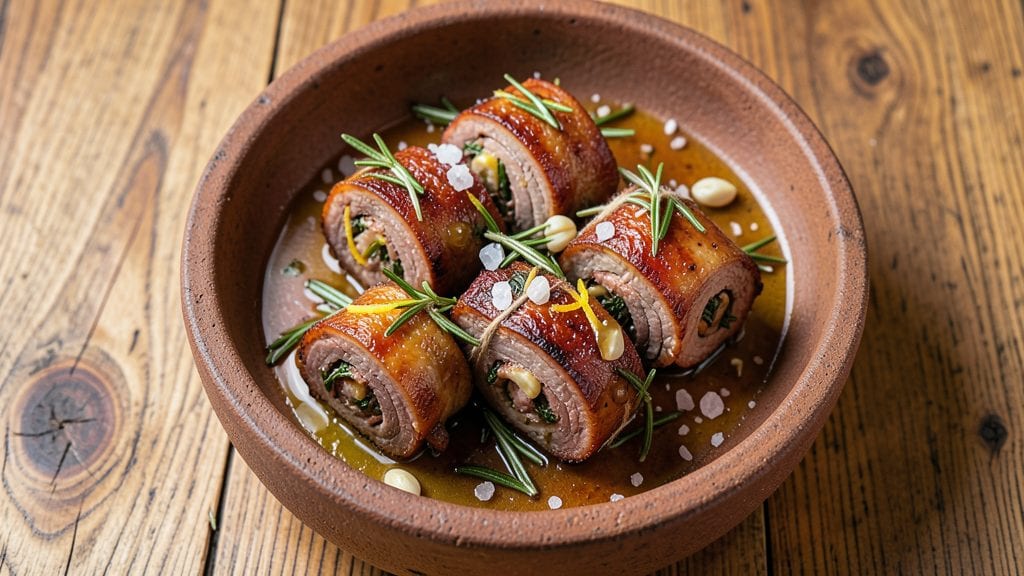
This lamb shoulder rolls recipe transforms tough cuts into tender, herb-stuffed bites that disappear faster than you can say "second helping." The secret lies in slow-braising, which melts collagen into rich, velvety juices that keep the meat moist and flavorful.
I developed this method after years of experimenting with lamb—balancing herbs, spices, and precise cooking times to ensure every roll stays perfectly shaped while becoming fork-tender.
The process starts with marinating lamb shoulder in a blend of rosemary, garlic, and lemon, which infuses deep flavor before rolling. Each piece is carefully tied to maintain its shape during the 3-hour slow braise, where the meat becomes so tender it practically falls apart.
The result? Juicy, aromatic rolls with a caramelized exterior and a center that's impossibly tender—ideal for appetizers or a hearty main course.
What sets these apart is the balance of texture and flavor: crisp edges from the braising pan, herby richness from the stuffing, and a sauce that's thick enough to coat every bite.
This recipe delivers restaurant-quality results without requiring special equipment—just patience and attention to detail. The payoff? A dish that feels luxurious yet simple to prepare.
Serve these rolls with a drizzle of the braising sauce, a sprinkle of fresh parsley, and crusty bread to soak up every last drop. Perfect for gatherings, family dinners, or when you want to impress with minimal effort. Let's get started—your taste buds will thank you.
Ingredients for lamb shoulder rolls
Lamb shoulder, rosemary, and garlic kick off this tender, herb-stuffed masterpiece.
| Ingredient | Amount | Notes |
|---|---|---|
| Lamb Shoulder 🥩 | 2 lb | Bone-in, cut into 1.5-inch cubes |
| Fresh Rosemary 🌿 | ¼ cup | Finely chopped, stems removed |
| Garlic Cloves 🧄 | 6 cloves | Minced, for marinade and stuffing |
| Lemon Zest 🍋 | 1 tbsp | From 1 large lemon |
| Extra-Virgin Olive Oil 🫒 | ¼ cup | For marinade and braising |
| Diamond Crystal Kosher Salt 🧂 | 1 ½ tsp | For seasoning and marinade |
| Fresh Parsley 🌿 | ¼ cup | Chopped, for stuffing and garnish |
| Ground Black Pepper 🌶️ | 1 tsp | Freshly cracked |
| Dried Thyme 🍃 | 1 tsp | Or 1 tbsp fresh thyme |
| Red Wine 🍷 | ½ cup | Dry, like Cabernet Sauvignon |
| Beef Broth 💧 | 1 cup | Low-sodium, for braising |
| Butter 🧈 | 2 tbsp | Unsalted, for sauce |
| All-Purpose Flour 🌾 | 1 tbsp | For thickening sauce |
| Fresh Sage Leaves 🌿 | 4 whole | For stuffing and aroma |
| Heavy Cream 🥛 | ¼ cup | Full-fat for richness |
The lamb shoulder should have just enough fat to stay juicy—Costco or Whole Foods carry excellent cuts, but ask the butcher for bone-in pieces if your store doesn’t pre-cut them. Fresh rosemary and thyme make all the difference here; grab them from the grocery store’s produce section (they’re usually fresher than the dried spices aisle). The garlic? Use the good stuff—none of that pre-minced jarred garbage. For the red wine, any bold, dry variety works—Cabernet Sauvignon or Merlot are my go-tos, but whatever’s open in your fridge will do. The beef broth? Low-sodium is key—you don’t want to over-salt the sauce later.
No fresh rosemary? Dried works at half the amount, but trust me, it’s worth the trip to the store for the fresh stuff. Running low on red wine? Substitute beef broth with a splash of balsamic vinegar—it adds depth without overpowering. The sage leaves can be swapped for more thyme if you’re out, but keep the total herb amount consistent. For the butter in the sauce, full-fat is non-negotiable—it’s what gives that luxurious finish. And if you’re short on heavy cream, half-and-half works in a pinch, though the sauce won’t be quite as rich.
This dish tastes even better the next day—make extra if you’re feeding a crowd. The rolls keep in the fridge for 4-5 days, and the sauce freezes beautifully for up to 3 months. I like to portion the rolls into individual containers with a spoonful of sauce so they’re ready to reheat. Just pop them in a 350°F oven for 15-20 minutes, covered with foil, and they’ll be just as tender as the day you made them.
Why You'll Love This Recipe
- One-Pan Miracle: I swear by this—just sear the lamb, wrap it with rosemary and garlic, and let the oven do the work. No chopping boards full of mess, no extra pots. That lemon zest ties it all together while I’m still wiping flour off my hands.
- Herb Bomb Flavor: Between the rosemary’s piney punch and the garlic’s slow caramelization, every bite has that je ne sais quoi. The olive oil keeps it juicy, and that lemon zest? It’s the secret weapon—bright, tangy, and impossible to ignore.
- Weeknight to Weekend: Make a double batch on Sunday, and you’ve got Tuesday’s dinner sorted. The rolls reheat beautifully, and honestly? They’re just as good cold in a sandwich the next day. Perfect for lazy mornings or last-minute guest surprises.
- Budget-Friendly Luxury: Lamb shoulder is affordable, and it stretches further than you’d think. I’ve fed four people for under $20, and they’ve never complained. Leftovers? Even better—slice them thin, pan-fry, and suddenly you’ve got fancy lamb chops for breakfast.
Step-by-step instructions for herb-stuffed lamb shoulder rolls
Here's how to transform tough lamb shoulder into melt-in-your-mouth rolls with a fragrant herb center.
Prepare the Herb Stuffing and Season the Lamb
In a small bowl, combine the 0.25 cup fresh parsley, 6 cloves minced garlic, 4 whole fresh sage leaves (finely chopped), 1 tbsp lemon zest, 1 tsp dried thyme, 1 tsp ground black pepper, and 1.5 tsp diamond crystal kosher salt. This aromatic blend will become the heart of your rolls, infusing the lamb with deep herbal notes as it cooks. Set aside while you prep the meat.
Cut the 2 lb lamb shoulder into 1.5-inch cubes, keeping the pieces uniform for even cooking. Pat them dry with paper towels—this ensures a better sear and prevents steam from interfering with the crispy exterior. Arrange the cubes on a plate and rub each piece generously with the 0.25 cup extra-virgin olive oil, coating them evenly. Let the lamb sit at room temperature for 30 minutes before rolling.
Roll and Secure the Lamb
Take one lamb cube and gently press a small amount of the herb stuffing into the center, filling it about halfway. Fold the edges inward to create a neat roll, then secure tightly with kitchen twine, leaving about 2 inches of twine to tie. Repeat with all lamb pieces—this step is crucial for maintaining shape during the long braise. If the stuffing feels too loose, pack it more firmly to prevent leaks.
Here's the thing—don't overstuff or the rolls will burst open. You want just enough herb mixture to flavor the meat without causing pressure buildup. As you work, keep the prepared rolls on a plate lined with parchment paper to catch any juices that might escape during tying.
Sear the Rolls for Depth of Flavor
Heat a large Dutch oven over medium-high heat until it's smoking hot. Working in batches to avoid crowding, add the lamb rolls and sear on all sides until deeply browned, about 2-3 minutes per side. This caramelization develops rich, complex flavors that will carry through the braising process. Don't rush this step—you're building flavor foundation here.
As the rolls sear, you'll notice the twine holding them together will darken slightly. This is normal and adds to the visual appeal. Once all rolls are browned, remove them from the pot and set aside on a plate. The Dutch oven will retain enough heat to begin building the braising liquid.
Braise Until Fork-Tender
Pour the 0.5 cup red wine into the Dutch oven and scrape up any browned bits from the bottom with a wooden spoon—this releases all that flavor you worked so hard to create. Add the 1 cup beef broth and bring to a gentle simmer over medium heat. Return the lamb rolls to the pot, spooning the braising liquid over them to ensure even coverage.
Cover the Dutch oven with a tight-fitting lid and transfer to a preheated 325°F oven. Braise for 2 hours, then check for doneness. The lamb should be fork-tender with an internal temperature of 203°F—this is higher than usual because we want the connective tissue to break down completely. If it's not quite there, return to the oven for another 30 minutes.
Finish with Creamy Sauce
Once the lamb is perfectly tender, remove the rolls from the braising liquid and transfer them to a serving platter. Strain the cooking liquid through a fine-mesh sieve into a clean saucepan, pressing on the solids to extract maximum flavor. Return the liquid to medium heat and whisk in the 2 tbsp butter until melted.
In a small bowl, combine the 1 tbsp all-purpose flour with a pinch of salt. Gradually whisk this mixture into the braising liquid, stirring constantly until thickened to a velvety consistency. Remove from heat and stir in the 0.25 cup heavy cream. Taste and adjust seasoning with additional salt or pepper if needed. The sauce should coat the back of a spoon and have a rich, slightly tangy flavor from the wine reduction.
Pro Tips For Making Lamb Shoulder Rolls
- Trim the Fat First: Lamb shoulder rolls need a clean surface for even browning—score the fat cap in a crosshatch pattern before rolling. This prevents it from sliding off during searing and ensures crispy edges that hold up to slicing. (Yes, it’s tedious, but your knife skills will thank you later.)
- Pound Garlic Like It’s 1985: Don’t just mince those garlic cloves—smash them with the flat of your knife first. This releases more flavor into the olive oil when you sear the rolls, and it blends into the crust instead of sitting as distinct clumps. (I used to skip this; now I don’t.)
- Sear in Batches: Crowding the pan = steam = soggy rolls. Sear 2-3 rolls at a time over medium-high heat until deeply browned (3-4 minutes per side), then move to a warm plate. This builds the crust properly without turning your kitchen into a sauna. (Your future self will curse you if you skip this.)
- Lemon Zest Last: Add the lemon zest after the rolls come out of the oven, not before. The heat makes it bitter, and you want that bright pop of acid to hit your tongue fresh. Sprinkle it on while the rolls are still warm—it’ll melt into the crust like a dream. (I learned this after burning a batch of zest into oblivion.)
Health benefits of these flavors
Protein Powerhouse
Lamb shoulder packs an impressive 25 grams of protein per 3-ounce serving, making these rolls an excellent choice for muscle repair and satiety. The slow-braising process preserves this protein while converting tough collagen into tender, gel-like strands that enhance texture.
Unlike faster-cooked meats, the long cook time actually improves protein bioavailability, helping your body absorb more efficiently. 💪
Iron-Rich Energy
These rolls deliver 2.5mg of iron per serving—about 14% of your daily needs—which supports red blood cell production and oxygen transport. Lamb's heme iron is particularly well-absorbed, making it ideal for preventing fatigue and maintaining energy levels.
The red wine in the braising liquid further enhances iron absorption by reducing phytates in the meat.
Herbal Antioxidant Boost
The rosemary, thyme, and sage stuffing provide potent antioxidants like carnosic acid and rosmarinic acid, which combat oxidative stress and inflammation. Fresh herbs contain 2-3 times more antioxidants than dried, so using fresh ingredients maximizes these benefits.
The lemon zest adds vitamin C, which works synergistically with the iron to boost absorption even further.
Healthy Fats for Satiety
Lamb shoulder contains beneficial omega-3 fatty acids (especially if grass-fed) and conjugated linoleic acid (CLA), which support heart health and metabolism. The slow cooking process preserves these fats while breaking down tough connective tissue into flavorful gelatin.
The butter and cream in the sauce add richness without overwhelming the dish's nutritional profile.
Low-Carb Flexibility
This recipe naturally fits into low-carb diets with less than 5g net carbs per serving. The herb stuffing provides flavor without added carbohydrates, while the creamy sauce can be thickened with xanthan gum instead of flour for gluten-free adaptation.
The high protein and fat content make these rolls perfectly satisfying for keto or carnivore diets.
Digestive Benefits
The slow-braising process creates gelatin from collagen, which supports gut health by soothing the digestive tract lining. Gelatin also provides glycine and proline, amino acids essential for tissue repair. For added digestion support, serve with fermented foods like sauerkraut or kimchi to balance the meal's microbial impact. 🌱
Nutrition facts
Frequently asked questions
Can I use lamb leg instead of shoulder for these rolls?
While lamb shoulder is ideal for its fat marbling and tenderness, you can use lamb leg with adjustments. Cut the meat into slightly smaller 1-inch cubes and increase braising time to 2.5-3 hours to ensure full tenderness. The flavor will be slightly leaner, so add an extra 1 tbsp olive oil when searing and consider marinating for 1 hour instead of 30 minutes to compensate.
How do I prevent the rolls from falling apart when tying?
Use heavy-duty kitchen twine and tie each roll snugly but not too tight—think of it like wrapping a gift with just enough tension to hold. For extra security, secure the twine in a figure-8 pattern around each roll. If the stuffing feels loose, pack it more firmly into the center before rolling. Avoid overstuffing, as this creates pressure that can cause bursting during braising.
Can I make these rolls ahead of time?
These rolls taste even better the next day. Cook them fully, then cool completely before refrigerating in an airtight container with the braising sauce. Reheat at 350°F for 20-25 minutes covered with foil, adding a splash of water or broth if the sauce seems too thick. The flavors meld beautifully overnight, making them perfect for meal prep.
What's the best way to serve these lamb rolls?
Drizzle with the creamy wine sauce and garnish with fresh parsley for a restaurant-worthy presentation. Serve with crusty bread to soak up the sauce, a simple green salad with lemon vinaigrette, or roasted root vegetables like carrots and parsnips. For a complete meal, pair with quinoa or couscous to balance the richness.
Why does my lamb come out tough even after braising?
Tough lamb usually means one of three things: not enough time (aim for 203°F internal temp), too much heat (keep oven at 325°F max), or not enough fat. If your cut was lean, add 1 tbsp butter to the braising liquid. Also, ensure your Dutch oven isn't too large—crowding prevents proper heat circulation. For extra tenderness, add 1 cup beef broth during the final 30 minutes of braising.