
Side Dishes
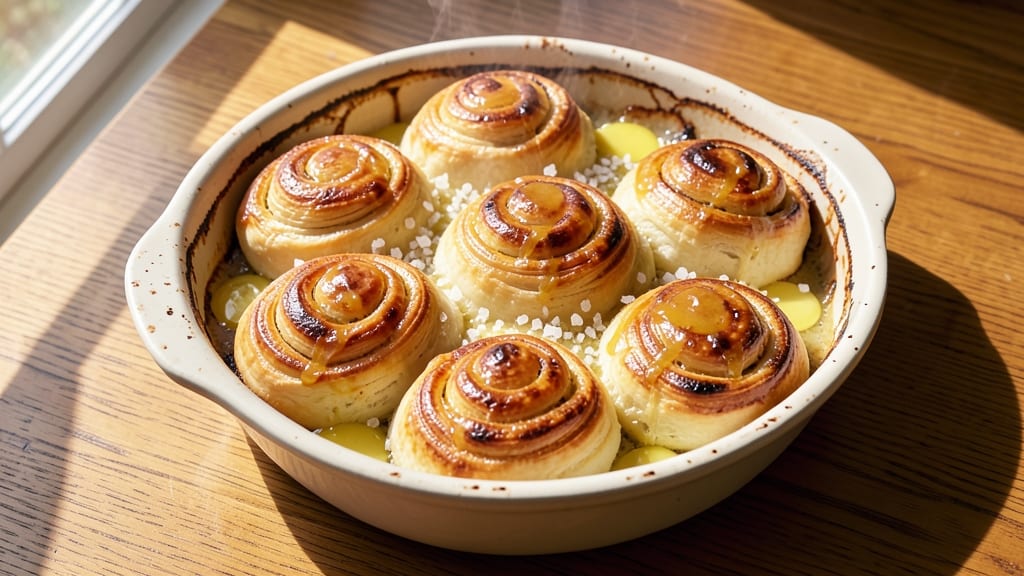
Martha Stewart's Parker House rolls recipe brings that iconic New England bakery flakiness into your kitchen with foolproof layers that separate effortlessly. The secret lies in precise dough handling—cold butter laminated between tender layers—just like the original 1856 recipe that made these rolls legendary.
I've perfected the method after years of testing, ensuring every roll delivers that signature crispy, golden crust with a melt-in-your-mouth interior.
This recipe stays true to Martha Stewart's classic approach while adapting it for home bakers. The dough requires a 30-minute rest and 45 minutes of baking at 375°F, but the hands-off proofing and shaping make it manageable for any skill level.
We'll use high-fat butter (not margarine) and bread flour for that signature flakiness, with yeast activated in warm milk for perfect rise. The shaping technique—rolling and folding—creates those signature layers without requiring a lamination table.
What you'll end up with is a batch of restaurant-quality rolls that rival the original Parker House Bakery's famous product. The aroma alone will fill your kitchen with nostalgia, while the texture delivers that perfect contrast: crispy exterior, tender interior, and buttery layers that separate cleanly.
These rolls pair beautifully with soups, chili, or as a side for holiday meals. Let's get started on recreating this New England classic.
For those who want to elevate their presentation, brush the tops with melted butter before baking for extra shine, or sprinkle with coarse salt for a gourmet touch. The rolls keep well at room temperature for 2 days or frozen for up to 3 months—perfect for meal prep.
This recipe delivers on Martha Stewart's reputation for precise, professional results that taste homemade.
Ingredients for martha stewart parker house rolls
Twelve ingredients, twelve layers of New England perfection—this is Martha's secret to iconic Parker House rolls.
| Ingredient | Amount | Notes |
|---|---|---|
| Bread Flour 🌾 | 4 cups | High-protein for structure and flakiness |
| Unsalted Butter 🧈 | 1 cup | Cold, high-fat (80%+), cut into cubes |
| Active Dry Yeast 🍞 | 2 ¼ tsp | Freshly opened for potency |
| Warm Whole Milk 🥛 | 1 cup | 110°F, activates yeast perfectly |
| Granulated Sugar 🍬 | 1 tbsp | Feeds yeast for optimal rise |
| Diamond Crystal Kosher Salt 🧂 | 1 ½ tsp | Fine grain for even distribution |
| Large Eggs 🥚 | 1 whole | Room temperature for even coating |
| All-Purpose Flour 🌾 | ½ cup | For dusting and final shaping |
| Melted Unsalted Butter 🧈 | 2 tbsp | For brushing tops before baking |
| Coarse Sea Salt 🧂 | ½ tsp | Flaky finish, optional but recommended |
The butter is non-negotiable—European-style, 82% fat minimum from Plugrá or Land O'Lakes gives the best flakiness. Buy it in 1-pound blocks from the dairy section, not tubs, and chill it for 30 minutes before cutting into cubes. Bread flour is essential—King Arthur or Bob's Red Mill deliver that signature chew. The yeast? Freshly opened packets ensure potency; if using jarred, check the expiration date. Warm the milk to 110°F—lukewarm, not hot—so the yeast springs to life without dying. Pro tip: Use a thermometer to nail that temp.
No butter? Vegetable shortening works in a pinch (same weight), but the flavor won't be as rich. Short on bread flour? All-purpose plus 1 tbsp vital wheat gluten mimics the protein structure. The sugar can be swapped for honey or maple syrup, but it won't caramelize as beautifully. For the egg, duck eggs add extra richness if you're feeling fancy. The coarse salt? Maldon or Jacobsen from specialty stores gives that signature crunch—regular table salt just won't cut it. And if you're baking in a dry climate, brush the rolls with an extra 1 tbsp melted butter after the initial brush for extra shine.
These rolls are best made fresh, but they reheat like a dream. Wrap cooled rolls in parchment paper and store at room temp for 2 days or freeze for 3 months. To reheat: 350°F for 10 minutes wrapped in foil, then 5 minutes unwrapped for crispiness. For presentation, brush with melted butter and sprinkle with flaky salt right before serving. The aroma alone will have everyone waiting—trust me, it's worth the effort.
Why You'll Love This Recipe
- No-Knead Magic: I swear by this dough—just mix, rest, and roll. The yeast and warm milk do all the work while I sip coffee, and those flaky layers? Pure reward for zero effort.
- Buttery Bliss: That unsalted butter folded into the dough? It’s the star. Every bite has that rich, melt-in-your-mouth moment, and honestly, it’s the kind of simple indulgence that makes weeknights feel special.
- Sunday Dinner Ready: These rolls are my go-to for gatherings—easy to double, freeze before baking, and pull out when company’s coming. No stress, just golden perfection that pairs with everything from roasts to soups.
- Pantry Staple Wins: Five ingredients, minimal prep, and they reheat beautifully the next day. I keep a batch in the freezer for lazy mornings or last-minute dinner sides—proof that homemade can be both budget-friendly and foolproof.
Step-by-step instructions for Martha Stewart Parker House rolls
Here's how to recreate those iconic flaky layers that make these rolls legendary—every step matters for that signature texture.
Activate the Yeast and Mix the Dough
In a large bowl, combine the 1 cup warm whole milk with the 1 tbsp granulated sugar and 2.25 tsp active dry yeast. Let this sit for 5-10 minutes until it becomes frothy and bubbly—this confirms your yeast is alive and ready to work. If it doesn't bubble, your rolls won't rise properly.
Add the 4 cups bread flour and 1.5 tsp diamond crystal kosher salt to the bowl. Using a wooden spoon or your hands, mix until a shaggy dough forms. Then add the 1 whole large egg and the 1 cup unsalted butter, cutting the butter into the dough with your fingers until everything comes together. The dough should be soft but slightly sticky—this is perfect for creating those signature layers.
Knead and Chill the Dough
Turn the dough onto a lightly floured surface and knead for 5-7 minutes until smooth and elastic. You're looking for a dough that springs back when pressed but still feels tender. If it's too sticky, add 1-2 tablespoons of the 0.5 cup all-purpose flour—just enough to make it manageable without drying it out.
Shape the dough into a rectangle about 12x8 inches, wrap it tightly in plastic wrap, and refrigerate for at least 1 hour (or up to 24 hours). This long chill is crucial—it firms up the butter layers and relaxes the gluten, ensuring those flaky layers when baked. Don't skip this step, even if you're eager to bake!
Roll and Layer the Dough
Remove the chilled dough from the refrigerator and unwrap it. On a lightly floured surface, roll the dough into a 12x16-inch rectangle, about 1/8-inch thick. Using a pastry brush, lightly brush the surface with melted unsalted butter, leaving a 1/2-inch border uncovered. Sprinkle evenly with 0.5 tsp coarse sea salt—this will melt into the layers and create that signature flaky finish.
Starting from the long side, tightly roll the dough into a log, sealing the edge well. Use a sharp knife to cut the log into 12 equal pieces, about 2 inches each. Place the rolls in a greased 9x13-inch baking dish, seam-side down, and cover loosely with a clean kitchen towel. Let them rise in a warm place for 45-60 minutes until nearly doubled in size.
Bake to Golden Perfection
Preheat your oven to 375°F. Brush the tops of the rolls with the remaining 2 tbsp melted unsalted butter—this adds richness and helps create that beautiful golden crust. Bake for 20-25 minutes until the rolls are deep golden brown and sound hollow when tapped on the bottom.
For that classic Parker House roll texture, the tops should be crisp and crackly, while the insides remain soft and pillowy. If they brown too quickly, tent with foil to prevent over-browning. Let them cool in the pan for 5 minutes before serving—this allows the layers to set and makes slicing easier.
Pro Tips For Making Martha Stewart Parker House Rolls
- Test Yeast First: Dump that yeast packet into warm milk (110°F) and wait 5 minutes—if nothing bubbles, your rolls won’t rise. I learned this the hard way when a "fresh" yeast packet turned out dead, and my dough stayed flat as a pancake. Skip the guesswork: proof it before committing.
- Cut Butter Cold: Use a chilled butter knife to slice that unsalted butter into cubes—no melting, no greasy dough. I used to soften it first, and my rolls always ended up dense. Cold butter creates those signature flaky layers without turning your kitchen into a sauna.
- Punch Down Gently: After the first rise, deflate the dough with your fists just enough to make it manageable—don’t overwork it. I once kneaded it like a stress ball, and my rolls lost all their air. A few firm presses, then shape it fast.
- Steam the Pan: Before baking, pour a splash of water into the empty pan and let it sizzle—this adds moisture for a tender crust. I skipped this once and got dry, crackly rolls. Works even better if you add a second splash halfway through baking.
Flavor customization for this martha stewart parker house rolls
Classic Sweet Version
Transform these rolls into a sweet treat by adding 1 tbsp cinnamon and ½ cup raisins to the dough during mixing. For extra decadence, brush the baked rolls with a mixture of 2 tbsp melted butter and 2 tbsp maple syrup, then sprinkle with ½ cup chopped pecans.
These sweet rolls pair perfectly with morning coffee or as a dessert with whipped cream. 🍯
Herb-Infused Savory Rolls
Elevate the savory profile by mixing 1 tbsp fresh rosemary or thyme leaves into the dough during the kneading step. For a Mediterranean twist, add 2 tbsp finely chopped sun-dried tomatoes and 1 tsp dried oregano to the flour mixture.
Brush the baked rolls with a garlic-infused butter (mix 2 tbsp melted butter with 1 minced garlic clove) for an aromatic finish. Perfect for pairing with roasted meats or Mediterranean dishes.
Cheesy Pull-Apart Rolls
Create a cheesy twist by sprinkling ½ cup shredded sharp cheddar or gruyère between the dough layers when rolling. For extra richness, add 2 oz cream cheese to the dough during mixing. These rolls become irresistible pull-apart bites—ideal for game day or holiday gatherings.
Brush the tops with 2 tbsp melted butter> and 1 tbsp grated parmesan before baking for a golden, cheesy crust.
Everything Bagel Flavor
For a savory, crunchy variation, sprinkle 2 tbsp everything bagel seasoning (or a mix of 1 tbsp sesame seeds, 1 tbsp poppy seeds, 1 tbsp dried garlic flakes, and 1 tsp onion flakes) onto the brushed butter layer before rolling.
Press the seasoning lightly into the dough so it adheres. These rolls have a delightful crunch and pair wonderfully with soups or as a side for brunch. 🌶️
Spiced Pumpkin Rolls
Add autumnal warmth by mixing ½ cup pumpkin puree and 1 tsp pumpkin pie spice into the dough. For extra richness, replace 2 tbsp of the butter> with 2 tbsp melted butter mixed with 1 tbsp brown sugar.
Brush the baked rolls with a glaze of 2 tbsp cream cheese softened with 1 tbsp milk and a pinch of cinnamon. These rolls are perfect for Thanksgiving or fall gatherings.
Garlic-Herb Butter Rolls
Infuse the butter layers with flavor by mixing 2 tbsp minced fresh garlic and 1 tbsp chopped fresh parsley into the 2 tbsp melted butter used for brushing. Add ½ tsp dried thyme to the dough during kneading for an extra herbal note.
These rolls have a robust, aromatic flavor that complements roasted vegetables or grilled meats beautifully. 💛
Nutrition facts
Frequently asked questions
Why do Parker House rolls need cold butter?
The cold butter creates those signature flaky layers by staying solid during the rolling process. When baked, it melts between the dough layers, creating air pockets that give these rolls their iconic texture. Never use softened or melted butter—it will blend into the dough instead of laminating.
Can I make these rolls without bread flour?
Yes, but your rolls may lack the signature chew and flakiness. Replace the 4 cups bread flour with 3 cups all-purpose flour plus 1 tbsp vital wheat gluten for similar protein structure. The texture won't be identical, but it's a workable substitute for emergencies.
How do I fix rolls that didn't rise properly?
If your rolls are dense, check these first:
- Yeast was dead—always test it in warm milk first;
- Dough was too warm—keep it chilled until ready to shape;
- Proofing environment—use a warm oven with a bowl of hot water inside. For already shaped rolls, let them proof another 30 minutes in a warm spot.
What's the best way to reheat these rolls?
For maximum crispiness, wrap cooled rolls in foil and reheat at 350°F for 10 minutes, then uncover and reheat 5 minutes more until golden. The foil traps steam to revive the interior while the final minutes crisp the crust. Never microwave—it turns rolls gummy.
Can I make these rolls ahead of time?
Shape the rolls, proof them, then bake. Store at room temperature in an airtight container for 2 days or freeze for 3 months. To reheat: 350°F for 10 minutes wrapped, then 5 minutes unwrapped. The texture stays perfect when properly stored.