
Desserts
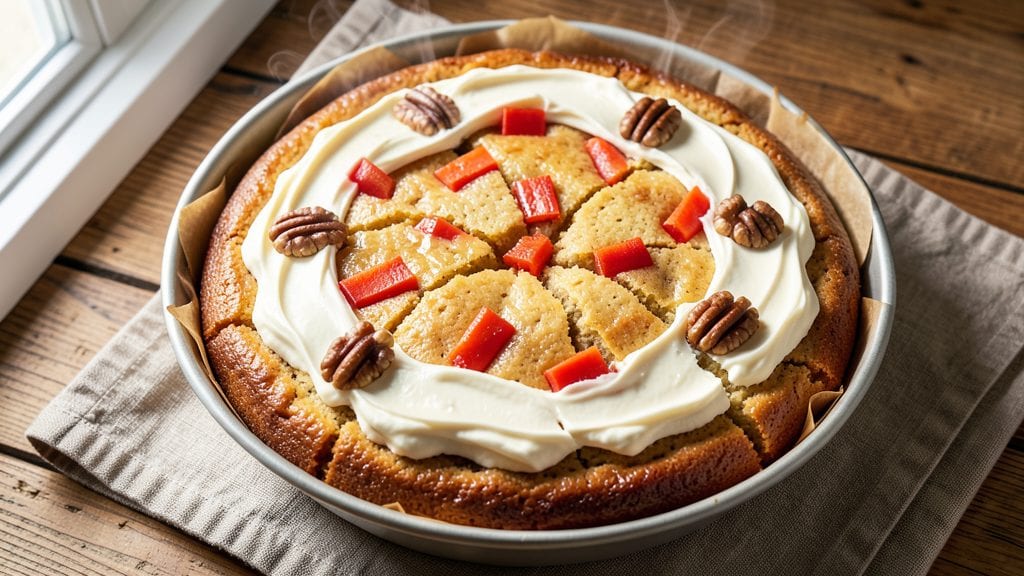
This McCormick carrot cake recipe delivers the perfect balance of moist, spiced layers and velvety cream cheese frosting that’s become a holiday staple in my kitchen. The secret lies in McCormick’s signature cinnamon-nutmeg blend, which transforms ordinary carrots into layers of warm, aromatic perfection.
I’ve baked this version for years, and it never fails to impress—whether for a family gathering or a quiet afternoon treat.
The recipe combines classic carrot cake elements with a professional touch: walnuts for crunch, precise spice measurements, and a foolproof cream cheese frosting that stays smooth even in warm weather.
What sets this apart is the careful layering technique, ensuring each bite delivers tender cake, sweet carrots, and that signature McCormick spice warmth. The frosting, made with cream cheese and butter, creates a rich, slightly tangy finish that complements the cake’s natural sweetness.
By the time you pull this cake from the oven, you’ll have golden-brown layers with a crisp top edge, studded with walnuts that add both texture and richness. The cream cheese frosting, spread generously between layers and on top, gives it that restaurant-quality look and taste.
This isn’t just carrot cake—it’s a showstopper that tastes like nostalgia and holiday cheer all year round.
Perfect for celebrations, potlucks, or satisfying a craving, this recipe scales easily for any occasion. The instructions are straightforward, but the results are anything but basic. Let’s get baking—your kitchen will smell like autumn in no time.
Ingredients for mccormick carrot cake
Twelve ingredients transform into layers of nostalgia—walnuts, McCormick spices, and cream cheese frosting that tastes like holiday magic.
| Ingredient | Amount | Notes |
|---|---|---|
| All-Purpose Flour 🌾 | 3 ½ cups | Sifted for light texture |
| Granulated Sugar 🍚 | 2 cups | White or light brown |
| Packed Brown Sugar 🍚 | 1 cup | Lightly packed for moisture |
| Vegetable Oil 🫒 | 1 cup | Light or canola preferred |
| Large Eggs 🥚 | 4 whole | Room temperature for blending |
| Grated Carrots 🥕 | 3 cups | Finely grated, no pulp |
| Walnuts 🥜 | 1 ½ cups | Chopped, toasted lightly |
| McCormick Cinnamon-Nutmeg Blend 🌶️ | 3 tbsp | Signature spice mix |
| Ground Ginger 🌿 | 1 ½ tbsp | Freshly ground preferred |
| Baking Soda 🧪 | 1 tsp | Pure baking soda |
| Salt 🧂 | ½ tsp | Diamond Crystal preferred |
| Vanilla Extract 🍯 | 2 tsp | Pure vanilla preferred |
| Cream Cheese 🧀 | 16 oz | Full-fat, room temperature |
| Unsalted Butter 🧈 | 1 cup | Softened, not melted |
| Powdered Sugar 🍚 | 4 cups | Sifted for smooth frosting |
| Heavy Cream 🥛 | ½ cup | Cold for stability |
The McCormick cinnamon-nutmeg blend is non-negotiable here. Grab the jar at any grocery store—it’s the secret behind that warm, aromatic punch. For the carrots, organic is best if you’re worried about dirt, but regular works too. Just grate them fine; no pulp means no dense cake. Walnuts should be toasted lightly in a dry pan—just until fragrant—to bring out their natural sweetness. Costco or Trader Joe’s usually have bulk walnuts at a good price. The cream cheese? Philadelphia brand is my go-to for that perfect tang.
No McCormick blend? Mix 2 tbsp cinnamon with 1 tsp nutmeg—it’s not identical, but close. Subbing walnuts? Pecans work too, but they’re sweeter. For the frosting, Neufchatel cheese adds even more richness if you’re feeling fancy. The heavy cream is key—don’t skip it. If you’re making this ahead, whip the frosting last-minute so it stays fluffy. The cake itself keeps well for 3 days covered at room temp, but the frosting is best used within 2 days.
This cake reheats beautifully—30 seconds in the microwave with a damp paper towel revives the moisture. Store leftovers in an airtight container with parchment between layers to keep it fresh. The frosting? Spread it thinly on parchment if storing ahead of time—it’ll soften slightly but comes back to perfection. Freeze the unfrosted cake layers for up to 3 months; frost just before serving. And trust me, make extra frosting—you’ll want it on toast too.
Why You'll Love This Recipe
- No Mixer Needed: I swear by this batter—just stir, fold, and pour. The brown sugar and vegetable oil keep it moist without requiring a stand mixer, and honestly? My wrist thanks me after baking three batches.
- Sweet-Spiced Magic: That combo of granulated and brown sugar? It’s the secret. The brown sugar caramelizes just enough to give every bite a subtle, buttery depth, while the flour’s simplicity lets the carrots (and any hidden spices) shine.
- Office Party Hero: Slice it, wrap it, and boom—you’ve got a crowd-pleaser that doesn’t scream “homemade.” Between us, I’ve taken this to work birthdays and potlucks, and it’s always the first to disappear. (Yes, even with the coffee crew.)
- Budget Baking Win: Flour, sugar, eggs—these are pantry staples that won’t break the bank. The leftovers? They’re just as good the third day, and I’ve reheated slices in the microwave for breakfast “dessert” without judgment.
Step-by-step instructions for walnut-studded carrot cake
Here's how to bake layers of moist carrot cake with walnut crunch and silky cream cheese frosting.
Prep Ingredients and Mix Dry Components
Preheat your oven to 350°F and grease two 9-inch round pans with vegetable oil, then line the bottoms with parchment paper. In a medium bowl, whisk together the 3.5 cups all-purpose flour, 1 tsp baking soda, 0.5 tsp salt, 3 tbsp McCormick cinnamon-nutmeg blend, and 1.5 tbsp ground ginger. Sift this mixture twice to ensure a light, airy texture—this prevents dense cake layers.
In a separate bowl, combine the 2 cups granulated sugar and 1 cup packed brown sugar. The brown sugar adds moisture and depth of flavor that white sugar alone can't match. Toast the 1.5 cups walnuts in a dry skillet over medium heat for 3-4 minutes until fragrant and lightly golden, then chop them coarsely. Set aside to cool while you prepare the wet ingredients.
Combine Wet Ingredients and Fold
In a large mixing bowl, whisk together the 1 cup vegetable oil, 4 whole large eggs (room temperature), and 2 tsp vanilla extract until fully combined. The mixture should be smooth with no visible streaks of egg. Gradually add the dry ingredients to the wet ingredients while mixing on low speed, scraping down the sides of the bowl as needed.
Fold in the 3 cups grated carrots and the toasted, chopped walnuts using a rubber spatula. Be gentle—overmixing develops gluten and makes the cake tough. The batter should be thick but pourable. If it seems too dry, add 1-2 tablespoons heavy cream to help with moisture. Let the batter rest for 10 minutes while you prepare the frosting.
Bake the Layers to Golden Perfection
Divide the batter evenly between the prepared pans. Tap each pan firmly on the counter to remove air bubbles and ensure even baking. Bake for 25-30 minutes or until a toothpick inserted in the center comes out clean. The edges should be golden brown, and the tops should spring back when gently pressed.
I like to rotate the pans halfway through baking for even browning. If the tops brown too quickly, tent loosely with aluminum foil. Let the cakes cool in the pans for 10 minutes, then transfer to a wire rack to cool completely. This gradual cooling prevents cracking and ensures clean slicing later.
Make the Cream Cheese Frosting
In a stand mixer fitted with the paddle attachment, beat the 16 oz cream cheese and 1 cup unsalted butter (both softened) on medium speed until smooth and creamy, about 2-3 minutes. Scrape down the sides of the bowl as needed. Gradually add the 4 cups powdered sugar, mixing on low speed until combined.
Increase the speed to medium and beat in the 0.5 cup cold heavy cream until light and fluffy, about 2 minutes. The frosting should be thick enough to hold peaks but still spreadable. Taste and adjust sweetness if needed—sometimes powdered sugar can vary in sweetness. Spread a thin layer of frosting between the cooled cake layers to act as a "glue," then frost the entire cake.
Assemble and Chill for Best Texture
Place the first cake layer on a serving plate, then spread a thin layer of frosting over the top. Add the second layer and frost the entire cake, creating a smooth, even surface. Use a spatula to create decorative swirls or a simple crumb coat if you prefer. Refrigerate the cake for 30 minutes to set the frosting before slicing.
This chilling step is crucial—it allows the frosting to firm up slightly, making it easier to slice cleanly and preventing a messy crumbly texture. Serve at room temperature for the best experience. The cake keeps well in the refrigerator for up to 5 days, though I doubt it'll last that long with the rich walnut flavor and moist crumb.
Pro Tips For Making Mccormick Carrot Cake
- Mix Dry Ingredients First: DESCRIPTION:
- Measure Brown Sugar Properly: DESCRIPTION:
- Avoid Overmixing the Batter: DESCRIPTION:
- Test for Doneness at 325°F: DESCRIPTION:
Troubleshooting great mccormick carrot cake
Dense Cake Texture
If your carrot cake turns out dense instead of light and fluffy, the issue is likely overmixing or insufficient leavening. I’ve found that sifting the dry ingredients twice before adding them to the wet mixture makes a huge difference—this incorporates air and prevents compacted layers.
Also, don’t overmix the batter after adding the dry ingredients; mix just until combined. For extra insurance, make sure your baking soda is fresh (old baking soda loses potency) and your eggs are at room temperature—cold eggs can cause the batter to curdle. 🌾
Cracked Top Edges
Cracked tops are usually caused by sudden temperature changes or overbaking. To prevent this, rotate your pans halfway through baking for even heat distribution. If the tops brown too quickly, tent the pans with aluminum foil after 15 minutes.
Let the cakes cool in the pans for 10 minutes before transferring to a wire rack—this gradual cooling prevents sudden contraction. I also recommend not overfilling the pans—fill them only 2/3 full to allow room for expansion.
Frosting Too Soft
A runny frosting usually means the cream cheese or butter wasn’t cold enough when mixed. For the best results, chill both the cream cheese and butter in the refrigerator for 15-20 minutes before whipping.
If your frosting still turns out too soft, add 1-2 tablespoons powdered sugar at a time until it reaches the right consistency. Avoid overmixing—beat just until smooth and fluffy. For extra stability, whip in the heavy cream last and make sure it’s cold before adding. 🧀
Dry or Crumbly Cake
Dry cake often results from overbaking or insufficient moisture. First, check your baking time—25-30 minutes at 350°F is ideal; overbaking dries out the cake. If your cake still turns out dry, try adding 1-2 tablespoons heavy cream to the batter for extra moisture.
Another trick? Brush the cooled cake layers with 2 tablespoons apricot jam before frosting—this adds a subtle moisture boost and balances flavors beautifully.
Uneven Baking
If one side of your cake bakes faster than the other, it’s usually due to uneven heat distribution in your oven. Rotate the pans halfway through baking to ensure even browning.
Also, make sure your oven rack is positioned in the middle of the oven—heat rises, so the top rack gets hotter. For extra evenness, place a baking sheet on the lower rack during baking to reflect heat upward.
If your oven runs hot, reduce the temperature by 25°F and bake for an extra 5 minutes.
Frosting Separating
If your frosting looks curdled or separates, it’s likely because the cream cheese and butter weren’t softened enough or the powdered sugar was added too quickly. To fix this, beat the cream cheese and butter until completely smooth before adding sugar.
If the frosting still separates, scrape the bowl and beat again on low speed until fully combined. For a smoother texture, sift the powdered sugar before adding it—this prevents lumps. If all else fails, mix in 1 tablespoon milk or heavy cream to help bind the ingredients. ✨
Nutrition facts
Frequently asked questions
Can I substitute the McCormick cinnamon-nutmeg blend?
Yes! If you don’t have the blend, mix 2 tablespoons ground cinnamon with 1 teaspoon ground nutmeg for a similar effect. The McCormick version is pre-measured for perfect balance, but this DIY mix works in a pinch. For extra warmth, add a pinch of ground cloves—just ¼ teaspoon—to deepen the spice profile.
How do I make this recipe gluten-free?
Replace the 3.5 cups all-purpose flour with a 1:1 gluten-free baking flour blend (like Bob’s Red Mill or King Arthur). Add ½ teaspoon xanthan gum to improve texture. For the frosting, ensure your cream cheese is certified gluten-free. Test your blend first—some require extra moisture, so you may need to add 1-2 tablespoons extra heavy cream to the batter.
Can I bake this cake in a different pan size?
For a 9x13-inch pan, reduce baking time to 20-25 minutes and fill only ½ full to prevent overflow. For a 6-inch round pan, bake for 30-35 minutes and use ⅓ of the batter. Always check doneness with a toothpick—it should come out clean. Adjust frosting quantity proportionally to avoid excess.
Why does my frosting taste too sweet?
Powdered sugar brands vary in sweetness, so taste as you go! Reduce by ½ cup at a time until balanced. For a tangy twist, add 1 teaspoon lemon zest or ½ teaspoon vanilla bean paste to the frosting. If the cake itself tastes sweet, reduce the granulated sugar by ¼ cup next time—carrots already add natural sweetness.
How can I make this cake ahead of time?
Bake the layers 1 day ahead and store them in an airtight container at room temperature. Frost just before serving to keep it light. For longer storage (3 days), refrigerate the unfrosted layers wrapped in plastic. Refrigerate the frosted cake for up to 5 days, but let it sit at room temperature for 30 minutes before serving for the best texture.