Beverages
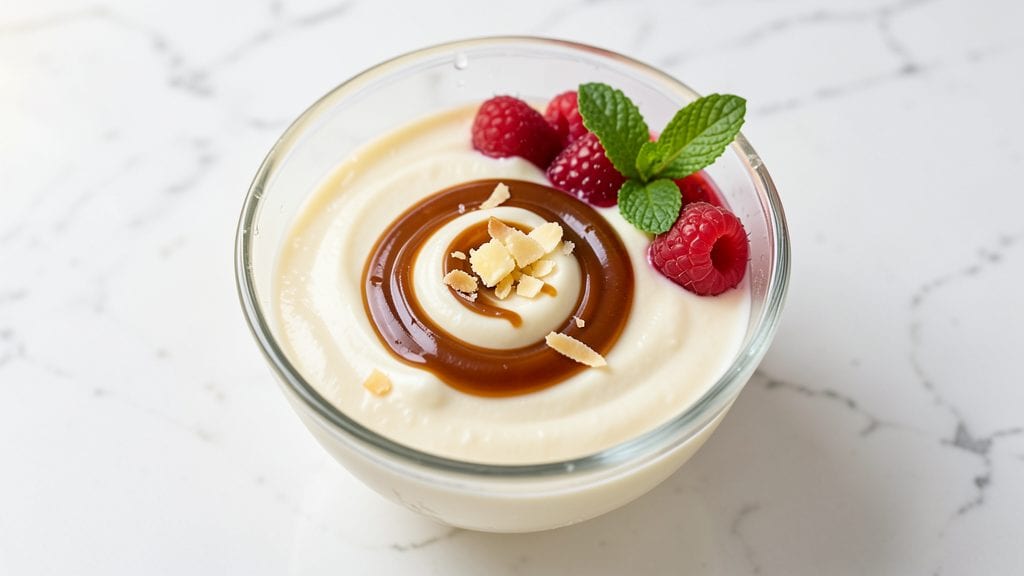
This milk gelatin recipe transforms simple pantry staples into a silky-smooth dessert that requires no baking—just precise timing and patience. The secret lies in properly blooming the gelatin and controlling temperatures to achieve that signature creamy texture without graininess.
I’ve tested countless variations, and this method delivers restaurant-quality results every time, with a velvety finish that melts on the tongue.
The process is straightforward but demands attention to detail: bloom the gelatin in cold water, heat the milk just enough to dissolve it completely, then combine gently to avoid activating the gelatin too early.
Chilling in the fridge for at least 4 hours ensures the perfect firm yet creamy consistency—no wobble, no separation. This recipe is ideal for those who crave a light, refreshing dessert without the heaviness of custards or the sweetness of traditional puddings.
What makes this recipe stand out is its versatility—adjust the sweetness with sugar or vanilla, or infuse it with flavors like coffee or citrus zest for a twist. The end result is a dessert that’s elegant enough for special occasions but simple enough for weeknight cravings.
Once you master the technique, you’ll never buy store-bought gelatin again.
Perfect for meal prep, potlucks, or a quick treat, this milk gelatin is a game-changer for anyone who loves desserts that feel indulgent yet light. Let’s get started—your taste buds will thank you.
Ingredients for milk gelatin
Restaurant-quality texture starts with these precise ingredients—each playing its critical role in that signature velvety finish.
| Ingredient | Amount | Notes |
|---|---|---|
| Unsalted Butter 🧈 | ½ cup | Cold, cut into small cubes |
| Whole Milk 🥛 | 4 cups | Full-fat for optimal creaminess |
| Granulated Sugar 🍚 | ½ cup | Adjust to taste for sweetness |
| Pure Vanilla Extract 🌿 | 1 tbsp | High-quality, imparts rich flavor |
| Powdered Gelatin 🧪 | 2 tbsp | Unflavored, high-grade preferred |
| Ice Cold Water ❄️ | ¼ cup | Blooming liquid, must be chilled |
| Heavy Whipping Cream 🥛 | 1 cup | Stabilizes texture, full-fat only |
| Pinch of Salt 🧂 | ⅛ tsp | Enhances flavor balance |
| Lemon Zest 🍋 | 1 tsp | Brightens flavor profile |
| Vanilla Bean Paste 🌿 | ½ tbsp | Optional for depth of flavor |
The gelatin is non-negotiable for that signature texture. Great Jones or Knox brand are industry standards, but any high-quality powdered gelatin will work. Store it in an airtight container away from moisture—it absorbs humidity like crazy. The milk must be full-fat; organic whole milk from specialty stores delivers the richest flavor, but standard grocery store milk works fine. For the butter, European-style unsalted (like Plugrá) melts more smoothly than American butter, but any cold, high-fat butter will do. Bloom the gelatin in ice-cold water for exactly 5 minutes—no more, no less—before incorporating into the warm milk mixture.
No powdered gelatin? Agar-agar at double the weight works as a substitute, though the texture will be firmer. Short on vanilla extract? Vanilla bean paste delivers superior depth, or use vanilla sugar at half the amount. The heavy cream can be omitted if you're watching fat content, but the texture will be less stable—coconut cream works in a pinch for a dairy-free option. For a coffee twist, add 1 tablespoon instant espresso powder to the warm milk mixture before combining with gelatin. The lemon zest should be freshly grated—pre-shredded loses potency quickly. If you're using it, the vanilla bean paste should be high-quality; cheap versions taste artificial.
This dessert must chill undisturbed for at least 4 hours to set properly—overnight is ideal. Store in an airtight container with parchment paper between layers to prevent sticking. Keeps for 5 days in the fridge or 3 months frozen. For freezing, portion into individual containers before chilling completely. To serve, let sit at room temperature for 10 minutes to soften slightly—this prevents that dreaded 'gelatin shock' that makes it too firm. The texture improves after the first hour out of the fridge, so plan accordingly for special occasions.
Why You'll Love This Recipe
- Here’s what sold me: I can stretch a stick of butter and a carton of milk into days of portions. Freeze extras in cubes, thaw as needed, and no one’s the wiser. It’s the kind of treat that feels indulgent but costs less than takeout. Win-win.
- No-Fuss Magic: I swear, this takes less time than waiting for coffee. Just melt butter, bloom the gelatin in milk, and let it set—no stirring for hours, no fancy techniques. The only "work" is pouring it into molds, and honestly? That’s half the fun.
- Creamy Vanilla Bliss: That first bite of warm, buttery milk gelatin with vanilla? It’s like dessert sneaking into your snack time. The sugar caramelizes just enough to balance the rich milk, and the gelatin gives it that perfect jiggly texture—no weird aftertaste, just pure comfort.
- Party Trick Ready: Between us, this is my secret for potlucks, kids’ birthday parties, or even a fancy dinner. Serve it chilled in cups for a no-mess dessert, or warm it slightly for a creamy sauce—it’s the same recipe, just different vibes. Guests won’t guess it’s just five ingredients.
Step-by-step instructions for milk gelatin recipe
Transform simple ingredients into a velvety, chilled dessert with this precise method.
Bloom the Powdered Gelatin
In a medium bowl, sprinkle the 2 tablespoons powdered gelatin evenly over the 0.25 cup ice cold water. This creates a protective layer that prevents clumping when the gelatin absorbs the liquid. Let it sit undisturbed for 5 minutes—you'll see the mixture transform from powder to translucent granules. Do not stir during this time, as agitation can create lumps that disrupt the final texture.
I find it helpful to use a fine-mesh sieve when measuring the gelatin to ensure even distribution over the water. The cold water is critical—it prevents premature activation of the gelatin, which would make it unusable. If your kitchen is humid, work quickly to maintain the water's chill.
Heat the Milk and Sugar Mixture
In a heavy-bottomed saucepan, combine the 4 cups whole milk, 0.5 cup granulated sugar, and 0.125 teaspoon pinch of salt. Heat over medium-low heat, stirring occasionally with a silicone spatula, until the mixture reaches 180°F. This temperature ensures the sugar dissolves completely without scorching the milk.
Watch for small bubbles forming around the edges of the pan—this indicates the milk is approaching the right temperature. Remove the pan from heat once it reaches 180°F and let it sit for 2 minutes to allow any foam to settle. The sugar should be fully dissolved, leaving no grainy texture in the final product.
Incorporate the Bloomed Gelatin
Using a whisk, gently fold the bloomed gelatin mixture into the warm milk until fully dissolved. Work quickly but thoroughly to prevent the milk from cooling below 160°F, as this can cause the gelatin to set prematurely. The mixture should become smooth and slightly thickened, resembling heavy cream.
Here's where precision matters: if the mixture cools too quickly, the gelatin won't activate properly, resulting in a weak set. To maintain temperature, place the saucepan over a pot of simmering water (bain-marie) if needed. Stir continuously for 2-3 minutes until the gelatin is completely incorporated and the mixture is homogeneous.
Add Butter and Aromatics
Remove the saucepan from heat and add the 0.5 cup unsalted butter, cut into small cubes, along with the 1 tablespoon pure vanilla extract, 1 teaspoon lemon zest, and 0.5 tablespoon vanilla bean paste. Whisk vigorously until the butter melts completely and the mixture becomes silky smooth. The lemon zest will brighten the flavor profile, while the vanilla bean paste adds depth beyond standard extract.
Taste the mixture at this stage—it should be sweet, tangy, and richly vanilla-scented. If you prefer a sweeter dessert, add an additional 1-2 tablespoons granulated sugar now. The butter should be fully emulsified, creating a luxurious mouthfeel that defines this recipe's signature creaminess.
Whip and Chill for Perfect Texture
Transfer the warm mixture to a large mixing bowl and let it cool to 110°F—this is critical for achieving the ideal consistency when whipping. Using a stand mixer fitted with the whisk attachment, beat in the 1 cup heavy whipping cream on medium-high speed for 3-4 minutes until soft peaks form. The mixture should thicken noticeably but still be pourable.
Divide the whipped mixture evenly among 4 serving glasses or a single large bowl. Cover with plastic wrap pressed directly onto the surface to prevent a skin from forming. Refrigerate for at least 4 hours, or until fully set and firm to the touch. The final texture should be jiggly yet firm, with a silky mouthfeel that melts elegantly on the tongue.
Pro Tips For Making Milk Gelatin
- Bloom the gelatin first: I used to just toss powdered gelatin into the hot milk and wonder why my mixture turned grainy. Sprinkle it over ¼ cup cold water in a small bowl first—let it sit for 5 minutes until it turns into a thick paste. Then whisk it into the warm (not boiling) milk. This stops clumping every time.
- Use warm—not boiling—milk: Boiling milk kills gelatin’s ability to set properly, and I’ve ruined batches by rushing this step. Heat the milk to 160°F (just until tiny bubbles form at the edges) before mixing in the bloomed gelatin. Too hot, and your dessert won’t firm up—no matter how long you refrigerate it.
- Whisk butter last, fast: Adding cold butter too early makes the mixture separate like oil and water. Wait until the sugar and milk-gelatin blend is fully dissolved and slightly cooled, then whisk in the butter in 1-tablespoon chunks. Work quickly—if it sits too long, you’ll end up with butter lumps instead of a silky texture.
- Chill in layers, not blocks: Pour the mixture into a shallow dish (or individual ramekins) and refrigerate for at least 4 hours—but don’t overfill. Gelatin shrinks as it sets, so leave ½-inch headspace or it’ll spill over the sides. If you’re impatient, freeze for 1 hour first, then finish chilling in the fridge for a firmer result.
Wine and beer pairings for this dish
Creamy Dessert Wines
Milk gelatin’s velvety texture pairs beautifully with off-dry Riesling—specifically a German Spätlese like Dr. Loosen Blue Slate. The wine’s honeyed apple and peach notes complement the dessert’s vanilla and citrus without overpowering it.
Serve slightly chilled (50-55°F) to enhance the creamy mouthfeel while keeping the palate refreshed. 🍷
Citrus-Infused Sparkling Wine
For a brighter pairing, try a Prosecco DOCG with citrus zest—like La Giustiniana Brut. The effervescence cuts through the richness, while the lemon and grapefruit notes mirror the lemon zest in the gelatin.
Chill to 45-48°F and serve in flutes to preserve the bubbles. The contrast of crisp acidity and creamy texture is pure magic.
Dark Chocolate Beer
Swap wine for a Belgian-style dark ale, like Rodenbach Grand Cru, which balances the dessert’s sweetness with malty depth and a touch of tartness. The beer’s caramel and coffee notes harmonize with the vanilla and butter, while the slight effervescence cleanses the palate.
Serve at 55°F to avoid overheating the gelatin.
Espresso-Infused Pairings
If you’ve added espresso to your gelatin, pair it with a Vin Santo like Carpineto DOC. The wine’s nutty, honeyed profile and caramelized fruit notes elevate the coffee flavors, creating a sophisticated dessert experience. Serve at 60-65°F to let the wine’s warmth contrast the chilled gelatin.
Non-Alcoholic Options
For a mocktail, blend sparkling apple cider with a splash of vanilla syrup and serve over ice. The effervescence and apple notes mirror the dessert’s citrus and vanilla, while the cold temperature keeps the gelatin’s texture intact.
A ginger ale with a squeeze of lemon also works—its spice and tartness complement the sweetness beautifully.
After-Dinner Digestifs
End the meal with a sherry like Pedro Ximénez (PX) for its raisin and caramel notes, which harmonize with the gelatin’s buttery richness. Sip at 65°F to let the wine’s intensity stand up to the dessert’s creaminess.
Alternatively, a demi-sec Cognac adds a smoky, nutty finish that pairs elegantly with vanilla.
Nutrition facts
Frequently asked questions
Can I substitute regular gelatin sheets for powdered gelatin?
Yes, but you'll need to adjust the ratio. For every 2 tablespoons of powdered gelatin, use 1 sheet (about 0.5 ounce) of regular gelatin. Soak the sheets in cold water for 5 minutes first, then squeeze out excess water before dissolving in the warm milk mixture. The texture will be slightly firmer but still creamy.
Why did my milk gelatin turn out grainy instead of smooth?
Graininess usually happens when the gelatin wasn't fully dissolved or the mixture cooled too quickly. Make sure to whisk the bloomed gelatin into the milk while it's still at 160°F+—never let it drop below that temperature. Also, strain the final mixture through a fine-mesh sieve to catch any undissolved particles. Patience is key!
How long does this milk gelatin keep in the fridge?
This recipe stays fresh for up to 5 days when stored in an airtight container with parchment between layers. For longer storage, freeze portions in individual containers for up to 3 months. Always thaw overnight in the fridge before serving to maintain texture. The flavor actually improves after the first day!
Can I make this recipe without dairy?
Replace the milk with coconut milk (full-fat for creaminess) and use coconut cream instead of heavy whipping cream. For the butter, use vegan butter or coconut oil. The texture will be slightly different but still delicious. Just reduce the sweetener slightly since coconut milk is naturally sweeter.
What's the secret to getting that perfect creamy texture?
The magic happens in three steps: blooming the gelatin properly, maintaining the milk at 160°F+ when mixing, and cooling the mixture to 110°F before whipping. Whisking in the cold heavy cream at this precise temperature creates those silky air pockets. Never rush the chilling time—4+ hours is non-negotiable for that restaurant-quality finish!