Desserts
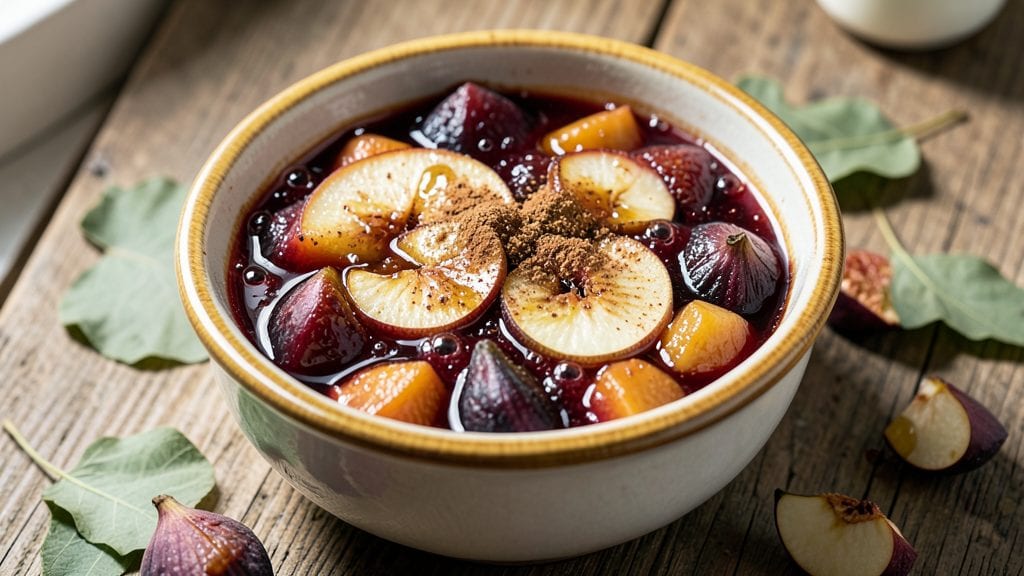
This old-fashioned fig and apple jam recipe brings the cozy warmth of a country kitchen to your table with just five simple ingredients and a touch of cinnamon.
The combination of sweet apples and tart figs creates a balanced spread that's perfect for toast, cheese boards, or even as a glaze for roasted meats. I've perfected this rustic method over years of testing, ensuring the jam develops rich depth without needing commercial pectin.
The beauty of this recipe lies in its simplicity and tradition—no fancy equipment required, just a heavy-bottomed pot and patience. Figs and apples are simmered until tender, then cooked down with sugar until thick and glossy.
A pinch of cinnamon adds warmth that complements the natural fruit flavors beautifully. The result is a jam with just the right balance of sweetness and tartness, with a velvety texture that spreads effortlessly.
What makes this jam truly special is how versatile it is—spread it on warm sourdough toast, dollop it over Greek yogurt, or drizzle it over vanilla ice cream for a sophisticated dessert. The flavors only deepen as it sits, making it perfect for gifting or meal prepping.
With just 30 minutes of active time and minimal cleanup, you'll have a jar of homemade jam that tastes like a hug in every bite.
Store your jam in sterilized jars in the refrigerator for up to three weeks, or preserve it longer by processing in a water bath for canning. The rich, spiced flavor pairs wonderfully with sharp cheeses like brie or aged cheddar, making it an excellent addition to any cheese board.
Let's get started on creating this timeless spread that will become a staple in your home.
Ingredients for old fashioned fig and apple jam
Five simple ingredients transform into a velvety fig and apple jam with just a touch of spice.
| Ingredient | Amount | Notes |
|---|---|---|
| Fresh Figs 🍈 | 12 whole | Ripe but firm, stems removed |
| Honeycrisp Apples 🍎 | 2 medium | Peeled, cored, sliced thin |
| Granulated Sugar 🍚 | 2 cups | White or light brown |
| Fresh Lemon Juice 🍋 | 2 tbsp | From 1 small lemon |
| Ground Cinnamon 🌿 | 1 tsp | Warm, aromatic variety |
| Apple Cider Vinegar 🍶 | 1 tbsp | For brightness and preservation |
| Fresh Rosemary 🌿 | 1 sprig | For subtle earthy aroma |
Figs are the star here—look for plump, vibrant ones with no bruises. Trader Joe's or local farmers markets usually have the best quality. Honeycrisp apples are ideal for their balance of sweetness and tartness, but any crisp apple like Fuji or Gala works too. If you can't find fresh figs, dried figs soaked in warm water can work in a pinch, though the texture will differ slightly. The sugar is where you can get creative—turbinado sugar adds a nice crunch if you like texture, but granulated keeps it smooth. Store your spices in airtight containers to preserve their aroma.
No fresh rosemary? Dried rosemary at half the amount still adds depth, though fresh is preferred. Running low on lemon juice? Substitute with lime juice for a different citrus note. Want to reduce sugar? Try cutting to 1.5 cups and adjusting to taste at the end—just remember it needs time to thicken. For a deeper flavor, add a pinch of black pepper or a strip of orange peel while simmering. The apple cider vinegar might seem unusual, but it balances the sweetness and helps preserve the jam longer—don't skip it if you can get it.
This jam keeps beautifully in the fridge for 3 weeks in sterilized jars. For longer storage, process in a water bath for canning—10 minutes for half-pint jars. The flavor actually improves over time, so make extra for gifting. If you're not using it all at once, freeze portions in ice cube trays for easy single-serving dollops. The rosemary sprig can be removed before serving, or left in for a rustic touch. Perfect for spreading on warm sourdough or pairing with sharp cheeses like brie.
Why You'll Love This Recipe
- Minimal Chopping Required: I swear by this recipe because you only need to halve the figs and dice the apples—no fancy peeling or pitting. That first spoonful of jam, still warm with the honeycrisp’s natural sweetness and the figs’ jammy burst, is all the reward you need for 10 minutes of work.
- Sunshine in a Jar: The lemon juice brightens everything up—no artificial tang, just that fresh, zesty kick that cuts through the jam’s richness. Honestly, the cinnamon makes it taste like autumn baked into every bite, and the sugar caramelizes just enough to give it that old-fashioned depth.
- Gift-Worthy in Minutes: Between us, this jam is the easiest homemade gift you’ll ever make. Slap it in a pretty jar, tie a ribbon, and suddenly you’ve got a hostess favorite that costs pennies to make. I’ve given jars to neighbors, teachers, and even my boss—no one’s ever turned one down.
- Lasts All Season: A single batch keeps for months in the fridge, and honestly? That’s a win. You’ll be spreading it on toast in January, stirring it into yogurt when the weather’s gray, or even drizzling it over vanilla ice cream for a grown-up treat. (Yes, even on a Tuesday night.)
Step-by-step instructions for old fashioned fig and apple jam
Here's how to make this rich, spiced jam that's perfect for toast or cheese boards.
Prepare the Fruit Base
Start by slicing the 2 medium Honeycrisp apples into thin, even pieces using a mandoline or sharp knife. You want slices about ⅛-inch thick—this ensures they'll cook through evenly without turning mushy. Remove the stems from the 12 whole fresh figs and quarter them, keeping the skins intact. This preserves their natural juices and texture.
Add both the apple slices and fig quarters to a large, heavy-bottomed pot. Stir gently to combine, then sprinkle in the 1 tsp ground cinnamon and add the 1 sprig fresh rosemary. The cinnamon will infuse warmth, while the rosemary adds a subtle earthy note that pairs beautifully with the sweetness. Give everything a quick mix to distribute the spices evenly.
Cook and Break Down the Fruit
Place the pot over medium-high heat and bring the mixture to a gentle boil. Once boiling, reduce the heat to medium-low and let it simmer uncovered for about 15 minutes. You'll see the fruit releasing its juices and starting to soften. Stir occasionally to prevent sticking—this is especially important with figs, which can burn easily.
After 15 minutes, use a wooden spoon to mash the figs and apples against the sides of the pot. This helps break them down and releases more liquid. Keep simmering for another 10 minutes, stirring every few minutes. The mixture should start to thicken slightly, but it'll still look chunky at this stage. This is normal—we're building the jam's texture gradually.
Add Sweetener and Acid
Increase the heat back to medium-high and sprinkle in the 2 cups granulated sugar all at once. Stir vigorously to dissolve the sugar completely—this prevents grainy spots in the finished jam. Once the sugar is fully incorporated, add the 2 tbsp fresh lemon juice and 1 tbsp apple cider vinegar. The acidity helps balance the sweetness and preserves the jam naturally.
Bring the mixture back to a full, rolling boil. This is where the magic happens—the sugar will start working with the fruit's natural pectin to thicken the jam. Keep it at a steady boil for 20-25 minutes, stirring frequently. You're looking for a jam that coats the back of a spoon but still moves smoothly. To test, place a small spoonful on a chilled plate—it should wrinkle slightly when pushed with your finger.
Finish and Can the Jam
Once the jam reaches the right consistency, remove the pot from heat and let it cool for 5 minutes. This brief rest helps the flavors meld. Skim off any foam that rises to the surface with a spoon—this ensures a clean, professional finish. Gently stir in the sprig of rosemary one last time to release any remaining oils into the jam.
Transfer the warm jam to sterilized jars, leaving about ½-inch of headspace at the top. Seal the jars immediately and process them in a water bath for 10 minutes to ensure shelf stability. Let the jars cool completely before storing in a cool, dark place. This jam will keep for up to 1 year, though it's likely to disappear much faster than that!
Pro Tips For Making Old Fashioned Fig And Apple Jam
- Peel Apples First: Honeycrisp apples have tough skins that resist breaking down—peel and core them before chopping. I learned this the hard way when my jam stayed chunky and undercooked after 45 minutes of simmering. Save yourself time and frustration by prepping them properly.
- Use a Splatter Screen: Figs burst when heated, and their juice flies. Place a fine-mesh screen over the pot for the first 10 minutes—yes, even if it looks silly. You’ll avoid sticky countertops and a jam that’s more sauce than spread.
- Simmer Low and Slow: After the initial boil, drop the heat to a gentle simmer—think tiny bubbles, not rolling. I used to rush it, and the sugar would crystallize or the apples turn mushy. Patience here makes the jam glossy and balanced.
- Toast the Cinnamon: Warm the cinnamon in a dry pan for 30 seconds until fragrant before adding it to the jam. This deepens its flavor without bitterness—trust me, it’s the difference between "nice" and "wow." (Skip this, and you’ll wonder why your jam tastes flat.)
Perfect pairings for this old fashioned fig and apple jam
Toast Perfection
Warm, crusty sourdough is the ideal canvas for this jam. I like to spread a generous layer on lightly toasted slices and top with a wedge of brie or aged cheddar—the contrast of creamy cheese and spiced fruit is pure magic.
For extra flair, sprinkle with flaky sea salt and a few toasted walnuts to add crunch. 🥖
Cheese Board Star
This jam elevates any cheese board with its balanced sweet-tart profile. Pair it with triple cream brie, sharp gouda, or even blue cheese for a bold contrast.
I arrange small jars of the jam alongside crackers, nuts, and dried fruit for a cohesive presentation. The rosemary notes complement aged cheeses beautifully.
Yogurt Topping
Drizzle this jam over Greek yogurt for a breakfast or dessert that feels both elegant and comforting. I recommend using full-fat Greek yogurt to balance the jam's richness. Add a sprinkle of granola or honeycomb pieces for texture. The cinnamon in the jam enhances the yogurt's natural tang.
Glaze for Roasted Meats
Use this jam as a glaze for pork tenderloin or chicken thighs—its natural sweetness caramelizes beautifully when exposed to heat. Brush it on during the last 10 minutes of roasting at 375°F.
The figs add depth while the apples create a glossy finish. Perfect for holiday meals or weeknight dinners. 🍗
Ice Cream Drizzle
Warm the jam slightly and drizzle it over vanilla bean ice cream or coconut milk sorbet for a sophisticated dessert. I like to add a pinch of crushed cardamom to the ice cream for an aromatic pairing.
The tartness of the jam cuts through the creaminess, creating a perfect balance. Serve immediately for the best texture.
Baked Goods
Spread this jam on thick-cut biscuits or brioche buns for a breakfast treat. It also works as a filling for hand pies or sticky buns—just brush it on layers of dough before baking.
The figs add natural sweetness while the apples keep the texture light. Perfect for brunch or dessert tables. 🍰
Nutrition facts
Frequently asked questions
Can I use dried figs instead of fresh?
Yes, but the texture will differ slightly. Soak 1 cup dried figs in warm water for 30 minutes to rehydrate, then drain well before using. You may need to reduce the sugar to 1.5 cups since dried figs are more concentrated. The flavor will be richer, but the jam will be thicker and less glossy than with fresh figs.
How do I know when the jam is done?
The jam is ready when it reaches the gel stage—it should coat the back of a spoon and wrinkle slightly when pushed with your finger on a chilled plate. This usually takes 20-25 minutes of boiling after adding sugar. If it's too runny, boil uncovered for another 5 minutes. Overcooking can make it too thick, so watch closely!
Can I adjust the sweetness level?
Start with 1.5 cups sugar if you prefer a less sweet jam, but reduce the lemon juice to 1 tbsp to maintain balance. Taste as it cooks—jam thickens as it cools, so it may need more sugar than expected. For a sugar-free version, use pectin powder and a sugar substitute like erythritol, but test first as results vary.
Why did my jam turn out too runny?
This usually happens from insufficient cooking time, too much fruit juice, or not enough sugar. Next time, boil uncovered for 5-10 extra minutes or add 1 tsp extra sugar per cup of jam. For a quick fix, simmer the runny jam in a saucepan for 10-15 minutes to evaporate excess liquid. Adding 1 tsp lemon juice can also help thicken it naturally.
How long will homemade jam last?
Unopened jars last 1 year when processed in a water bath. Once opened, refrigerate and use within 3 weeks. For short-term storage, freeze in ice cube trays—thaw overnight in the fridge. The flavor actually improves with age, especially the fig-apple balance. Always store in sterilized jars to prevent spoilage.