
Snacks
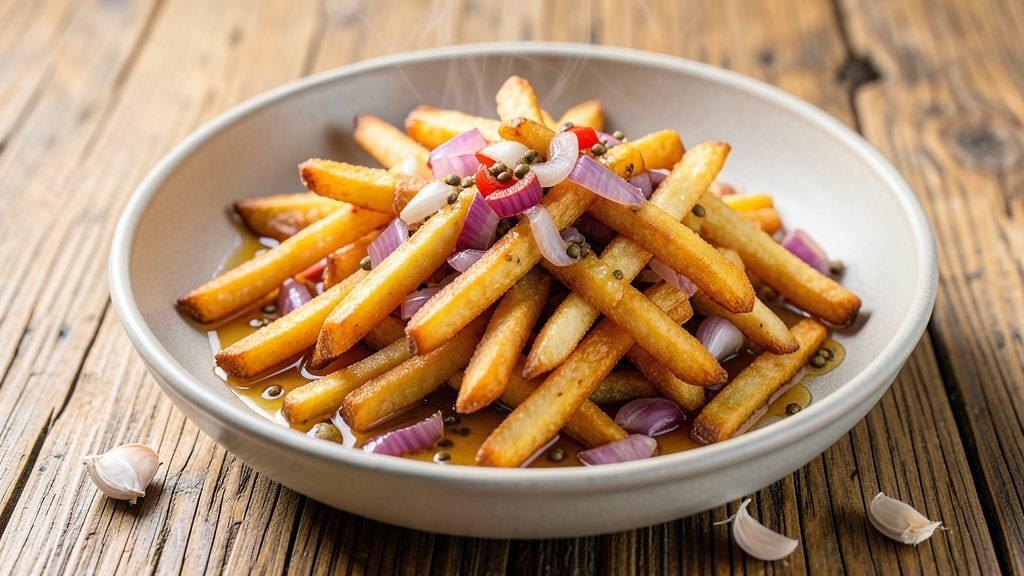
This pickled fries recipe transforms ordinary fries into a tangy, restaurant-quality snack with just a few key ingredients and 15 minutes of active time. The secret lies in a bright, vinegar-infused brine that penetrates the crispy exterior, balancing sweetness and acidity for every bite.
I developed this method after craving something beyond standard fries—something with depth and complexity that still delivers that satisfying crunch.
The process starts with perfectly crispy fries, whether baked or deep-fried, then a quick soak in a warm pickling solution of apple cider vinegar, sugar, and aromatic spices like mustard seeds and garlic. This isn’t just about flavor—it’s about texture too.
The brine enhances the fries’ crispness while adding a refreshing tang that cuts through richness. The result? A dish that’s as impressive as it is easy to execute, with minimal prep and maximum impact.
What you’ll end up with is a plate of golden, vinegar-kissed fries that pack layers of flavor in every bite—crispy on the outside, tender inside, and infused with bright, tangy notes.
The contrast of textures and flavors makes this dish irresistible, whether served as a snack, appetizer, or even a side to grilled meats. Garnish with fresh herbs or a sprinkle of flaky salt to elevate it further.
This recipe works equally well for casual gatherings or as a sophisticated appetizer. The key is balancing the brine’s acidity with just enough sweetness to complement the fries’ natural starchiness. Once you try it, you’ll never go back to plain fries again. Let’s get started!
Ingredients for pickled fries
Perfectly crispy fries meet a bright, tangy brine—just twelve ingredients transform ordinary potatoes into restaurant-worthy bites.
| Ingredient | Amount | Notes |
|---|---|---|
| Russet Potatoes 🥔 | 2 lb | Cut into 1/4-inch sticks for even cooking |
| Apple Cider Vinegar 🍎 | 1 ½ cups | Organic preferred for clarity |
| Granulated Sugar 🍚 | ½ cup | Light brown sugar for deeper flavor |
| Yellow Mustard Seeds 🌶️ | 1 tbsp | Whole seeds for texture |
| Garlic Cloves 🧄 | 4 cloves | Smashed lightly for aromatic release |
| Vegetable Oil 🫒 | 2 cups | High smoke point for frying |
| Diamond Crystal Kosher Salt 🧂 | 1 ½ tsp | For seasoning fries and brine |
| Fresh Dill Sprigs 🌿 | ¼ cup | Chopped for garnish (optional) |
| Flaky Sea Salt 🧂 | 1 tbsp | For finishing (e.g., Maldon) |
| Black Peppercorns 🌶️ | ½ tsp | Coarsely cracked for texture |
| Red Pepper Flakes 🌶️ | ½ tsp | Optional for heat (adjust to taste) |
| Cold Water 💧 | 2 cups | For ice bath to maintain crispness |
The potatoes are the foundation—Russet delivers the ideal starch-to-moisture ratio for crispy exteriors. Look for firm, blemish-free tubers at specialty markets like Whole Foods or Trader Joe's for consistent results. Pre-cut frozen fries work in a pinch (thaw and pat dry thoroughly), but fresh-cut yields superior texture. The 1/4-inch thickness ensures even cooking without burning. For the brine, apple cider vinegar provides depth, while organic sugar balances acidity—avoid raw sugar, which may not dissolve completely. Mustard seeds and garlic cloves should be toasted lightly in a dry pan before adding to the brine to enhance their aromatic compounds.
No apple cider vinegar? White vinegar or rice vinegar work equally well, though flavor will differ slightly. Substitute brown sugar with maple syrup or honey at a 1:1 ratio, but reduce by 10% to account for moisture content. Fresh dill can be swapped for dried dill at 1/3 the amount, though texture will differ. For a spicier profile, increase red pepper flakes to 1 tsp or add a pinch of cayenne. The vegetable oil should have a smoke point of 400°F or higher—avocado or refined sunflower oil are excellent choices. If you're short on time, baked fries at 425°F for 20-25 minutes work just as well, though deep-frying yields the crispiest results.
Maintain the fries’ crispness by working quickly—pat them dry with paper towels immediately after cooking and soak in the warm brine for no longer than 10 minutes. For storage, transfer the fries to an airtight container lined with paper towels to absorb excess moisture; they’ll keep in the fridge for 3-4 days, though texture degrades after 24 hours. Freeze the fries unpickled on a baking sheet before transferring to a bag for up to 3 months. Re-crisp by baking at 400°F for 5-7 minutes. The brine can be reheated gently for 1 week in the fridge, though flavor intensifies with age—perfect for successive batches.
Why You'll Love This Recipe
- No-Fuss Prep: I swear, this takes less effort than ordering takeout. You just slice those Russets thin, fry them crispy, then toss them in a jar with vinegar, sugar, and a few garlic cloves. Honestly, the hardest part is waiting for the fries to cool enough to handle.
- Tangy Crunch Magic: That first bite? The crispy potato meets the bright, garlicky vinegar—it’s like a wake-up call for your taste buds. The mustard seeds add this little peppery kick that makes it impossible to stop eating. (Yes, even on a Tuesday night.)
- Game for Any Meal: Serve them as a snack with burgers, pile them on a sandwich, or just eat them straight from the jar. I’ve even used them as a topping for grilled cheese when I’m feeling fancy. Between us, they’re my secret weapon for lazy days.
- Lasts All Week: Make a big batch and store them in the fridge—they keep for days without losing that perfect crunch. Plus, the vinegar pickling actually makes them cheaper to store than fresh fries. My daughter picks out the best ones, but I still sneak bites when she’s not looking.
Step-by-step instructions for vinegar-infused crispy fries
Mastering this technique delivers restaurant-quality fries with tangy depth and perfect texture.
Prepare the Potatoes for Even Cooking
Begin by cutting the 2 lb russet potatoes into uniform ¼-inch sticks using a mandoline or sharp knife. Soak the cut potatoes in the 2 cups cold water for 20 minutes to remove excess starch—this prevents soggy fries. Drain thoroughly and pat completely dry with paper towels, removing any surface moisture that would interfere with crisping.
Arrange the dried potato sticks on a wire rack set over a baking sheet for 30 minutes. This step ensures maximum surface area exposure to hot oil, guaranteeing even browning. The potatoes should feel dry to the touch before frying—this is non-negotiable for crispy results.
Create the Pickling Brine
In a medium bowl, combine the 1.5 cups apple cider vinegar, 0.5 cup granulated sugar, 1 tbsp yellow mustard seeds, 4 smashed garlic cloves, 1.5 tsp diamond crystal kosher salt, and 0.5 tsp black peppercorns. Stir until the sugar and salt completely dissolve, creating a syrupy brine. Taste and adjust the balance of sweetness and acidity—this will become the flavor foundation for your fries.
Add the 0.25 cup chopped fresh dill sprigs and 0.5 tsp red pepper flakes (if using) to the brine. Let the mixture steep for 10 minutes while you prepare the fries—this allows the flavors to meld and the spices to soften slightly. The aroma should be vibrant and complex, signaling the brine is ready for use.
Fry the Potatoes to Golden Perfection
Heat the 2 cups vegetable oil in a deep skillet or Dutch oven to 350°F. Use a thermometer to monitor the temperature—if it exceeds 375°F, the fries will burn before cooking through. Working in batches to avoid overcrowding, fry the potato sticks for 4-5 minutes until they float and develop a golden-brown crust. Transfer to a paper towel-lined plate to drain excess oil.
Immediately return the fries to the hot oil and increase the temperature to 400°F. Fry for an additional 2-3 minutes until deeply golden and crisp throughout. The second fry ensures maximum crunch while maintaining moisture inside. Remove from oil and transfer to a clean plate.
Infuse the Fries with Pickling Brine
While the fries are still piping hot, pour the prepared brine over them in a single serving dish. Toss gently to ensure each fry is thoroughly coated with the tangy mixture. The acid in the vinegar will react with the hot starch on the fries, creating that signature pickled texture. Let them sit for 5 minutes to absorb the flavors completely.
Finish with a generous sprinkle of 1 tbsp flaky sea salt while the fries are still warm. The salt will adhere to the crispy surface, enhancing both texture and flavor. Serve immediately with additional brine on the side for dipping—this ensures every bite delivers that perfect balance of crunch, tang, and savory depth.
Pro Tips For Making Pickled Fries
- CUT THICK, NOT THIN: Russets are starchy gold for fries, but if you slice them too thin, they’ll turn to mush in the vinegar bath. Aim for ½-inch thick strips—thick enough to hold shape but thin enough to cook through fast. I learned this the hard way when my first batch dissolved into a sad, watery pile.
- COOL POTATOES FIRST: Dump freshly peeled Russets straight into ice water for at least 30 minutes before cutting. This stops the cooking process and keeps them from turning gummy in the pickling liquid. (Yes, even if you’re impatient like me—your fries will thank you later.)
- TOAST SEEDS LOW: Mustard seeds burn faster than you think. Dry-toast them in a lightly oiled pan over medium-low heat for 2-3 minutes, stirring constantly, until they’re just fragrant—not brown. Overcooked seeds taste bitter, and nobody wants that in their pickled fries.
- USE RAW GARLIC: Skip the pre-minced jar—it’s full of anti-caking agents that dull flavor. Smash 2-3 whole cloves with the flat of your knife, then let them sit in the vinegar mix for at least 20 minutes before adding the fries. The allicin (that’s the good stuff) develops fully, giving your pickling liquid real punch.
Flavor customization for pickled fries
Sweet-Tangy Balance
The classic pickled fries rely on a 1:3 ratio of sugar to vinegar in the brine, creating that signature sweet-tart contrast. For a more pronounced tang, increase the vinegar to 2 cups while keeping sugar at 0.5 cup.
Conversely, for a sweeter profile, swap granulated sugar for maple syrup or add 1 tsp honey to the brine. I find this balance works best when the fries are still hot—heat intensifies the flavors as the vinegar reacts with the starch. 🍯
Herb & Spice Variations
Swap out dill for fresh thyme or rosemary for a Mediterranean twist—these herbs pair beautifully with garlic and mustard seeds. For a smoky depth, add ½ tsp smoked paprika to the brine and finish with a sprinkle of crumbled feta cheese before serving.
If you love heat, increase red pepper flakes to 1 tsp or add ½ tsp cayenne for a fiery kick. The key is toasting spices lightly before adding them to the brine to enhance their aroma.
Global Flavor Twists
Transform this dish into Japanese karaage-inspired fries by adding 1 tbsp soy sauce and 1 tsp grated ginger to the brine. For a Mexican street-food vibe, use lime juice instead of vinegar, add ½ tsp ground cumin, and top with crumbled cotija cheese and chopped cilantro.
The acidity remains, but the flavor profile shifts dramatically—perfect for taco nights. 🌶️
Smoky & Umami Boost
For a BBQ-inspired twist, add 1 tbsp smoked salt and 1 tsp onion powder to the brine, then finish with a drizzle of chipotle BBQ sauce before serving.
Another umami-rich option is to infuse the vinegar with 1 crushed bay leaf and 2 slices of bacon (simmered for 5 minutes before straining). This adds a deep, savory richness that pairs perfectly with the crispy fries. The bacon-infused vinegar alone elevates the dish to gourmet territory.
Citrus & Zesty Brightness
Brighten the brine with zest from 1 lemon or orange—this adds a refreshing citrus note that cuts through the richness. For a spicy citrus twist, add 1 tbsp finely grated ginger and ½ tsp Szechuan peppercorns to the brine.
The citrus zest also makes the fries more vibrant visually, turning the golden-brown crust into a sunshine-yellow masterpiece. Garnish with extra zest before serving for a pop of color and flavor. 🍋
Dairy & Creamy Pairings
Balance the tang with creamy elements like garlic aioli or blue cheese dressing for dipping. For a cheesy finish, sprinkle shaved Parmesan or crumbled goat cheese over the fries before serving. The contrast of crispy, tangy fries with rich, creamy toppings creates a restaurant-worthy bite.
If you’re feeling adventurous, try a truffle oil drizzle—just ½ tsp adds an earthy luxury that complements the vinegar perfectly. 🧀
Nutrition facts
Frequently asked questions
Can I use pre-cut frozen fries for this recipe?
Yes, but with adjustments! Thaw frozen fries completely and pat them extra dry with paper towels to remove all moisture. They’ll crisp up faster than fresh-cut potatoes, so reduce frying time by 1-2 minutes per batch. The pickling process works the same—just ensure they’re fully crispy before soaking in the brine.
How long can I keep pickled fries before serving?
For best texture, serve immediately after pickling while still crispy. If storing, transfer to an airtight container lined with paper towels (to absorb excess moisture) and keep refrigerated for up to 24 hours. After that, texture degrades, though flavor remains. For longer storage, freeze unpickled fries and recrisp before pickling.
What if my fries turn soggy during pickling?
This happens when fries aren’t fully crisped or soaked too long in the brine. Always fry until deep golden and drain on a wire rack before pickling. Soak for only 5 minutes max—the vinegar’s acidity works best with hot, crispy surfaces. If fries soften, return them to 400°F oil for 1-2 minutes to recrisp before serving.
Can I make the brine ahead of time?
Prepare the brine up to 1 week in advance and store in an airtight container in the fridge. The flavors deepen over time, making it even more aromatic. Just reheat gently before using—no need to boil. For extra depth, add 1 crushed bay leaf or 2 slices of bacon to infuse while the brine steeps.
What’s the best way to reheat pickled fries?
For crispy results, reheat in a 400°F oven for 3-5 minutes on a wire rack (not a plate). If using an air fryer, cook at 375°F for 2 minutes. Avoid microwaving—it makes fries rubbery. For extra crunch, toss with ½ tsp cornstarch before reheating to restore crispiness.