
Main Courses
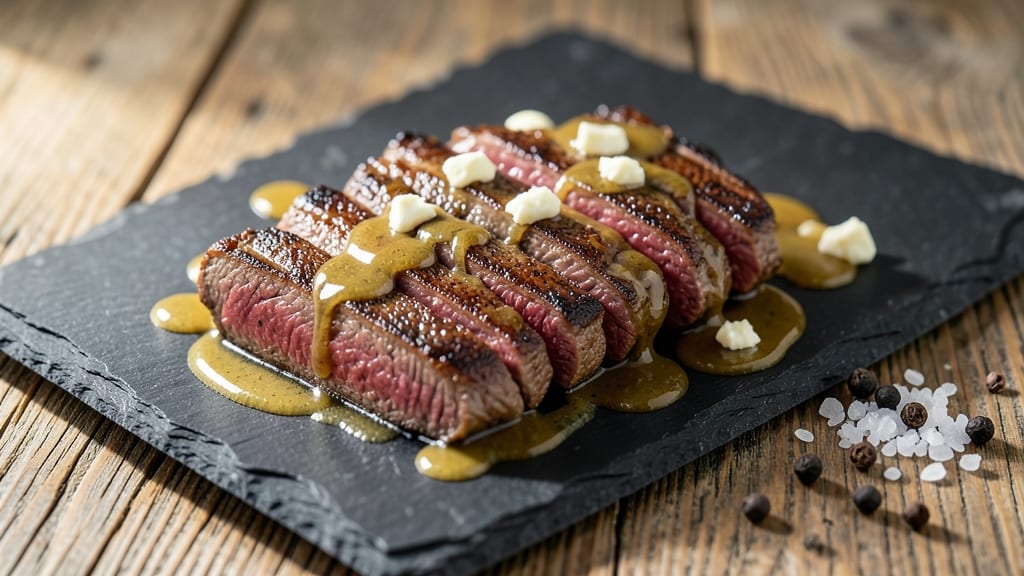
Mastering a rare steak recipe with a buttery crust and perfectly pink centers is an art form that elevates any meal from ordinary to extraordinary. The key lies in precise technique—selecting the right cut, controlling heat, and knowing exactly when to pull it from the pan.
After years of perfecting this method, I’ve developed a foolproof approach that delivers steakhouse-quality results at home.
This recipe focuses on ribeye or New York strip steaks, both ideal for achieving that signature rare doneness of 120–125°F internally. The secret? A hot cast-iron skillet, high-quality fat (like duck fat or butter), and a two-step searing process that builds a flavorful crust while keeping the interior tender.
Seasoning is kept simple—just salt and pepper—but timed perfectly to enhance rather than overwhelm the steak’s natural flavor.
What you’ll achieve is a steak with a caramelized crust that shatters at the touch of a fork, encasing juicy pink centers that melt in your mouth. The fat renders beautifully, creating a rich, buttery sauce in the pan that you’ll want to spoon over every bite.
This isn’t just a steak—it’s a centerpiece that commands attention and delivers on every promise of a perfect rare cut.
The right sides complete the experience: a crisp green salad to cut through the richness, roasted garlic mashed potatoes for comfort, or grilled asparagus for freshness. Let’s get started on creating a steak so good, it’ll change how you think about weeknight dinners.
Ingredients for rare steak
Four key ingredients transform a simple steak into steakhouse perfection—juicy, crusty, and buttery.
| Ingredient | Amount | Notes |
|---|---|---|
| Ribeye Steaks 🥩 | 2 whole | 1.5-inch thick, bone-in preferred |
| Unsalted Butter 🧈 | ½ cup | Cold, cut into 8 pieces |
| Duck Fat 🦆 | ¼ cup | Or substitute high-smoke-point oil |
| Kosher Salt 🧂 | 1 ½ tbsp | Diamond Crystal preferred |
| Freshly Ground Black Pepper 🌶️ | 1 tbsp | Cracked over steaks |
| Cast-Iron Skillet 🍳 | 1 whole | 12-inch, preheated |
| Meat Thermometer 🌡️ | 1 whole | Instant-read preferred |
| Fresh Thyme Leaves 🌿 | ¼ cup | Optional garnish |
| Garlic Cloves 🧄 | 4 cloves | For pan sauce (optional) |
| Heavy Cream 🥛 | ¼ cup | For finishing sauce |
The steak cut makes all the difference here. Ribeye or New York strip are non-negotiable for that perfect rare doneness—ribeye has more marbling for extra flavor, while strip stays slightly firmer. Buy from the butcher counter if possible—they’ll cut it to your exact thickness. Costco or Whole Foods butchers are reliable for quality cuts. Look for vibrant red color and visible fat marbling. If you're buying pre-cut, check the thickness—1.5 inches is ideal for this method. The butter and duck fat? Don't skimp—high-quality fat is what creates that signature crust and pan sauce.
No duck fat? Ghee or high-smoke-point oil works in a pinch, but duck fat adds unmatched richness. The salt is crucial—Diamond Crystal kosher dissolves better than table salt, so you won't over-salt. Freshly ground pepper is a must—pre-ground loses potency fast. For the pan sauce, if you skip the garlic and heavy cream, just use the rendered butter and fat from the pan—it's still delicious. The thyme is optional but adds a nice aromatic touch. Pro tip: Pat the steaks dry with paper towels before seasoning—they'll sear better and develop that perfect crust.
This isn't a dish you want to reheat—steak's best served immediately. But the components store well: steaks can sit in the fridge for 3-4 days (separate from other foods to prevent odor transfer), butter keeps for 6 months in the fridge, and duck fat freezes beautifully for up to a year. The pan sauce? Make extra—it freezes well for up to 3 months. I like to portion the butter into small containers so I can grab what I need quickly for future steak nights. And trust me, you'll want to make this again.
Why You'll Love This Recipe
- Two-Ingredient Magic: I swear by this trick—just salt the steak hours ahead and let it dry-brine. No fancy marinades, no measuring cups. That duck fat and butter basting? Pure flavor with zero effort.
- Butter-Basted Bliss: The moment that ribeye hits the pan with duck fat and butter pooling on top? My mouth waters just thinking about it. Crispy crust, juicy red center—this is the kind of steak that makes people pause mid-bite.
- Date Night Ready: No one needs to know it’s a 20-minute dinner. The rich, buttery crust and perfect rare doneness scream "fancy," but honestly? It’s my go-to for lazy Fridays when I don’t want to cook.
- Leftovers That Don’t Suck: Cold sliced ribeye? Actually delicious. Wrap it in toasted sourdough the next day—suddenly, you’ve got a lunch that feels like a treat, not a sad leftovers compromise. (Yes, even on a Tuesday.)
Step-by-step instructions for rare steak with buttery crust
Here's how to achieve that perfect balance of crispy crust and juicy pink centers every time.
Prepare the Steaks for Maximum Flavor
Remove the ribeye steaks from the refrigerator and let them sit at room temperature for 30-45 minutes while you prepare everything else. This ensures even cooking throughout. Pat the steaks dry completely with paper towels—moisture is the enemy of a good sear. You want them bone-dry so the crust can develop properly.
Generously season both sides with 1.5 tablespoons kosher salt and 1 tablespoon freshly ground black pepper, pressing the seasoning into the meat. Let them sit, uncovered, for another 15 minutes while you preheat your equipment. This dry-brining step is what gives you that intense crust and keeps the interior juicy. Don't skip it—this is where the magic starts.
Create the Perfect Searing Environment
Place the 12-inch cast-iron skillet over medium-high heat until it's screaming hot—you should see a thin layer of steam when you sprinkle a few drops of water in. Add 0.25 cup duck fat to the skillet and let it heat for 2 minutes until it shimmers and smells nutty. The duck fat has a higher smoke point than butter and will give you that perfect crust without burning.
While the fat heats, cut the 0.5 cup unsalted butter into 8 even pieces and keep them at room temperature. The butter will add incredible richness to the crust and create that signature buttery flavor. Don't rush this step—the fat needs to be properly heated to create that perfect sear.
Sear the Steaks to Perfection
Working with one steak at a time, carefully place it in the skillet. Press down gently on the steak with a spatula for 10 seconds—this ensures maximum contact with the hot surface. Let it sear undisturbed for 2-3 minutes until you develop a deep brown crust on one side. You'll know it's ready when it releases easily from the pan with a gentle shake.
Flip the steak and add 4 pieces of butter to the skillet. Tilt the pan slightly and spoon the melted butter over the steak for 30 seconds while it cooks for another 2-3 minutes on the second side. The butter should foam and turn golden brown—this is what creates that incredible crust. Check the internal temperature with your meat thermometer; for rare, it should read 120-125°F. If it's not quite there, let it rest for a minute while you finish the second steak.
Build the Garlic-Thyme Pan Sauce
Remove the steaks to a warm plate and let them rest for 5-10 minutes—this is crucial for redistributing the juices. Keep the skillet on medium heat and add the 4 cloves garlic cloves, sliced in half. Let them cook for 30 seconds until fragrant but not browned.
Add the 0.25 cup heavy cream and 0.25 cup fresh thyme leaves to the skillet, scraping up all those delicious browned bits from the bottom. Let the sauce simmer gently for 2 minutes until it thickens slightly. Taste and adjust seasoning with a pinch of salt if needed. The sauce should coat the back of a spoon and be rich, velvety, and fragrant.
Serve Immediately with Sauce
Slice the steaks against the grain into ½-inch thick slices and serve immediately with the garlic-thyme sauce spooned over the top. The steaks should be perfectly pink in the center with a beautiful crust on the outside. Each bite should deliver that buttery richness, the deep flavor of the duck fat crust, and the juicy tenderness of rare beef.
For an extra touch, garnish with additional fresh thyme leaves and serve with crusty bread or roasted vegetables. The key to this recipe is patience—letting the steaks rest and not rushing the searing process. When done right, you'll have steaks that are so juicy they practically melt in your mouth with that perfect crust.
Pro Tips For Making Rare Steak
- USE A THERMOMETER: I learned this the hard way—guessing rare steak doneness leads to overcooked disasters. Hit 115–120°F for perfect rare, then pull immediately (your steak will rise to 125°F while resting).
- SALT THE STEAK 40 MINUTES EARLY: This isn’t just seasoning—it’s flavor infusion. Generously coat both sides with kosher salt (don’t skimp) and let it sit uncovered in the fridge. The crust forms better and the meat stays juicier.
- COMBINE BUTTER AND DUCK FAT: Duck fat burns faster than butter, so mix 1 part duck fat with 3 parts softened unsalted butter before adding to the pan. This gives you a rich, stable fat pool without sacrificing that buttery finish.
- LET IT REST UNDER FOIL: I know, I know—you want to cut right away. But tent that steak with foil for 5–10 minutes (yes, even if you’re impatient). This keeps the juices locked in instead of pooling on your plate.
Wine and beer pairings for this recipe
Red Wine Classics
A bold Cabernet Sauvignon from Napa Valley or Bordeaux is my go-to for rare steak—its dark fruit flavors and firm tannins stand up to the richness of the crust while complementing the beef's natural tenderness.
Look for a 2018 or newer vintage with 14-15% alcohol to balance the dish's intensity. The Penfolds Bin 407 or Caymus Vineyards are excellent choices that won't overwhelm the steak's delicate pink center. 🍷
Malbec for Richness
Argentinian Malbec brings a velvety texture and notes of dark chocolate that pair beautifully with the buttery crust. I recommend a Mendoza region bottle like Catena Zapata or Trapiche, which have 14-15% alcohol and smooth tannins.
The wine's jammy fruit profile enhances the duck fat's richness without competing with the steak's natural flavor. Serve slightly chilled (60-65°F) to let its aromas shine.
Light Beer Options
For beer lovers, a crisp German Pilsner like Warsteiner or Stella Artois provides refreshing contrast to the steak's richness. The 4.5-5% ABV light body and citrus notes cut through the buttery crust beautifully.
Alternatively, a Belgian Witbier like Hoegaarden adds a peppery, coriander finish that pairs surprisingly well with the thyme in the pan sauce. 🍺
Port for Dessert
While not a pairing for the steak itself, a glass of Ruby Port after dinner is the perfect way to finish the meal. The 19-20% alcohol and fruit-forward profile complement the lingering flavors of the steak.
I recommend Graham's Six Grapes or Dow's Late Bottled Vintage—their smooth texture and berry notes make them an elegant closer. Serve at 65-70°F to appreciate the wine's complexity.
Non-Alcoholic Pairings
For a non-alcoholic option, sparkling ginger beer like Feather or BrewDog Ginger Beer provides a zesty contrast to the steak's richness. The spicy kick from ginger cleanses the palate between bites.
Alternatively, a cold brew coffee with a splash of half-and-half offers a smooth, bitter counterpoint that enhances the steak's buttery flavors. 💛
Nutrition facts
Frequently asked questions
What's the best cut of steak for a perfect rare doneness?
Ribeye or New York strip are ideal—they have the right fat-to-lean ratio for that signature crust while staying tender at 120-125°F. Look for 1.5-inch thick cuts with good marbling. Filet mignon is too lean for this technique, while sirloin can dry out if overcooked.
Why does my rare steak turn out dry or tough?
Overcooking is the #1 culprit—use a meat thermometer and pull at 120-125°F. Skipping the 5-10 minute rest after cooking lets juices escape. Also, patting steaks dry before seasoning prevents steam from blocking crust formation. For extra insurance, let steaks sit at room temp for 30-45 minutes before cooking.
Can I make this recipe without duck fat?
Use ghee, high-smoke-point oil, or even bacon fat—they all work for searing. The butter adds richness regardless. Just avoid olive oil (low smoke point) or butter alone (burns too easily). For extra flavor, try beef tallow or lard instead.
How do I fix if my steak is undercooked?
For 120-125°F steaks, return to the pan for 30 seconds per side on medium heat. Never microwave—it makes meat rubbery. If it's below 115°F, finish in a 375°F oven for 5-10 minutes with a splash of beef broth to keep it moist. Always check temp again afterward!
What sides pair best with rare steak?
For contrast: crisp green salad (cut through richness), roasted garlic mashed potatoes (comfort factor), or grilled asparagus (lightness). Avoid heavy sides like mac and cheese—they'll overwhelm the delicate flavors. A red wine reduction or balsamic glaze also enhances the meal.