
Main Courses
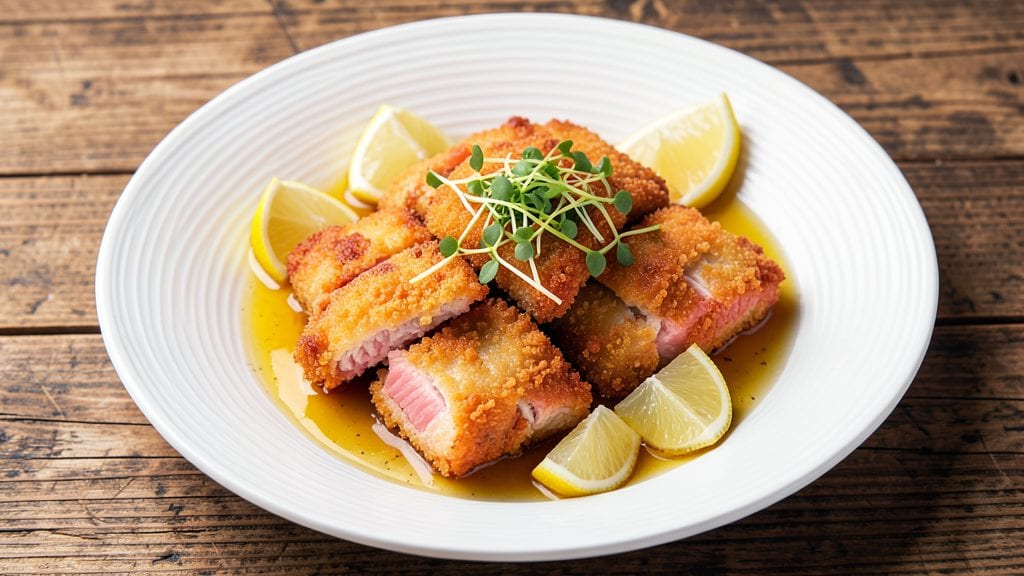
This red fish fry recipe delivers the golden, crispy beer-battered crunch you crave in just 20 minutes—no shortcuts, no compromises. After years of perfecting the technique, I’ve cracked the code for a batter that stays light yet ultra-crispy, while the fish remains tender inside.
The secret? Using a cold beer batter and frying at the right temperature to lock in that satisfying crunch without greasiness.
What makes this recipe stand out is the balance of simplicity and professional results. You’ll need just 5 key ingredients—fresh red fish, all-purpose flour, beer (for that signature tang), baking powder (for lift), and a pinch of salt—plus the right oil and frying technique.
The beer not only adds flavor but also helps create that signature crispy texture that disappears into flaky, juicy fish with every bite.
By the time you’re done, you’ll have restaurant-quality fish fry with a golden, crispy exterior that shatters slightly at the touch and a tender, moist interior. The aroma of frying fish fills the kitchen, and the first bite delivers that perfect contrast—crunchy, beer-infused batter giving way to delicate, buttery fish.
Serve with classic sides like tartar sauce, lemon wedges, and a simple green salad to complete the meal.
Safety is critical when frying fish, so I’ll walk you through every step—from cleaning the fish properly to maintaining the right oil temperature—to ensure foolproof results every time. Whether you’re feeding a crowd or treating yourself to a weeknight indulgence, this recipe delivers the crispy, satisfying crunch you’re looking for.
Ingredients for red fish fry
Five key ingredients transform simple fish into golden, crispy perfection in minutes.
| Ingredient | Amount | Notes |
|---|---|---|
| Red Fish Fillets 🐟 | 1 ½ lb | Skin-on, cut into 4 pieces |
| All-Purpose Flour 🌾 | 1 cup | White flour, sifted for light batter |
| Light Lager Beer 🍺 | 1 cup | Cold, non-alcoholic beer works too |
| Baking Powder 🍞 | 1 tbsp | Aluminum-free for crispier batter |
| Diamond Crystal Kosher Salt 🧂 | ½ tsp | Fine grain for even seasoning |
| Vegetable Oil 🫒 | 2 cups | High smoke point, like peanut oil |
| Lemon Wedges 🍋 | 4 whole | For serving, fresh squeezed |
| Fresh Parsley 🌿 | ¼ cup | Chopped, for garnish |
| Butter 🧈 | 2 tbsp | Unsalted, for basting |
The fish matters most here—red snapper or tilapia work best (their mild flavor lets the beer shine). Look for fillets with bright pink flesh and minimal bruising at Whole Foods or your local seafood counter. If using frozen, thaw overnight in the fridge—never at room temperature. Cut into even 4 pieces for consistent cooking. The skin stays on for extra crunch, but pat it dry with paper towels before battering (wet skin = soggy batter).
No light lager? Non-alcoholic beer works perfectly, or swap for sparkling water with 1 tsp lemon juice—just chill it first. The baking powder is non-negotiable; it’s what makes the batter light and crispy. Diamond Crystal kosher salt is ideal (it’s finer than table salt), but any fine salt works. For oil, peanut or vegetable oil are best—they stay stable at high heat. If you’re frying more than once, strain the oil through a fine-mesh sieve after each batch to keep it clean.
Prep ahead: Mix the batter ingredients (flour, beer, baking powder, salt) in a bowl and refrigerate for up to 2 hours—this keeps the batter cold and crispier. The fish stays fresh 1 day in the fridge, skin-side down. For leftovers, store fried fish in an airtight container with paper towels to absorb moisture—eats best within 2 days. Freezing isn’t recommended (the batter loses its crunch).
Why You'll Love This Recipe
- I’ll be real: the moment that light lager beer hits the hot oil, the kitchen smells like a seafood shack. That crispy, airy crust? It’s all thanks to the baking powder and kosher salt working together—no fancy techniques, just flour, beer, and a little patience.
- Beer-Batter Magic: I’ll be real: the moment that light lager beer hits the hot oil, the kitchen smells like a seafood shack. That crispy, airy crust? It’s all thanks to the baking powder and kosher salt working together—no fancy techniques, just flour, beer, and a little patience.
- Weeknight Hero: Honestly, this takes less time than ordering takeout. Pat the fish dry, dip in the batter, and fry—done. Even my kids can handle it, and they’re still figuring out how to tie their shoes.
- Tailgate or Tuesday: Between us, this feeds a crowd without breaking the bank. Double the batch for a tailgate, or save half for tomorrow’s lunch. The beer batter keeps it tasting fresh, not stale, even reheated.
Step-by-step instructions for crispy beer-battered red fish
Here's how to get that legendary crispy exterior with a light, airy interior—no shortcuts, just perfect technique.
Prepare the Batter for Maximum Crisp
In a medium bowl, whisk together the 1 cup all-purpose flour and 1 tbsp baking powder until fully combined. The baking powder is your secret weapon here—it creates those tiny air pockets that make the batter light and crispy. Add the 0.5 tsp diamond crystal kosher salt and mix again.
Next, pour in the 1 cup light lager beer slowly while whisking continuously. You want a smooth, pourable consistency—think like heavy cream. If it's too thick, add a splash of cold water; if too thin, stir in a little more flour. The batter should coat the back of a spoon but still flow easily. Let it rest for 5 minutes at room temperature—this allows the flour to fully hydrate and the gluten to relax, ensuring maximum crispiness.
Cut and Season the Fish for Optimal Crispiness
Pat the 1.5 lb red fish fillets completely dry with paper towels—moisture is the enemy of crispy batter. Using a sharp chef's knife, cut each fillet into 4 even pieces, keeping the skin intact. The skin acts as a natural barrier, helping the fish cook evenly and preventing it from falling apart.
Season both sides generously with additional salt if desired, but trust the batter to carry most of the flavor. Arrange the cut fillets on a plate and let them sit at room temperature for 10 minutes while you heat the oil. This brief rest ensures even cooking from edge to center.
Heat the Oil to the Perfect Temperature
Fill a deep skillet or Dutch oven with 2 cups vegetable oil to a depth of about 2 inches. Use an instant-read thermometer to heat the oil to 375°F—this is your target temperature for that perfect golden-brown crust. If you don't have a thermometer, test the oil by dropping in a small piece of batter: it should sizzle and rise to the surface immediately.
Keep the oil at this precise temperature throughout cooking. If it drops below 350°F, the batter will absorb too much oil and become greasy. If it exceeds 400°F, the exterior will burn before the interior cooks through. Maintain a steady 375°F for consistently crispy results every time.
Fry the Fish in Batches for Even Cooking
Working quickly, carefully dip each fish piece into the batter, letting any excess drip off. Gently lower it into the hot oil using tongs—don't overcrowd the pan, or the temperature will drop and the fish won't crisp properly. Fry for 3-4 minutes per side until the batter turns a deep golden brown and the fish releases easily from the pan.
Transfer the cooked fish to a wire rack set over a paper towel-lined plate. The rack allows air to circulate, preventing the batter from steaming and becoming soggy. Keep the fish warm in a 200°F oven while you fry the remaining batches. Each piece should maintain its shape with a crispy, lacy exterior and tender, flaky interior.
Finish with Butter and Lemon for Bright Flavor
In the same skillet (after straining out most of the oil), melt the 2 tbsp butter over medium heat until foaming. Add the fried fish and baste with the butter for 1 minute per side, letting that rich, golden butter infuse the crispy exterior.
Squeeze the 4 whole lemon wedges over the top and sprinkle with the 0.25 cup chopped fresh parsley. Serve immediately with extra lemon wedges on the side—this bright citrus cuts through the richness of the beer batter and complements the delicate fish flavor. The contrast of crispy, creamy, and tangy makes every bite unforgettable.
Pro Tips For Making Red Fish Fry
- Dry the Fish First: Pat those fillets thoroughly with paper towels—soaking up every drop of moisture before dredging. I learned this the hard way when my beer-battered fish turned soggy instead of crispy, no matter how much flour I used.
- Use Cold Beer, Cold Flour: Chill both the beer and flour in the fridge for 30 minutes before making the batter—this prevents the flour from absorbing too much liquid and keeps the coating light. Sounds weird, but it works: your fish will fry up golden, not greasy.
- Don’t Overcrowd the Fryer: Drop fillets in the oil one at a time and space them out—even if it takes longer. I once crammed three in at once and ended up with a sad, uneven mess. Patience here means perfect golden crusts every time.
- Season the Flour, Not Just the Fish: Mix 1 teaspoon of baking powder and 1 tablespoon of Diamond Crystal kosher salt directly into the flour before dredging. The salt in the flour makes a real difference—it crisps the coating and balances the beer’s bitterness. (Yes, even if the fish is already salted.)
Regional styles of these flavors
Southern Style
In the Deep South, red fish fry becomes a Sunday supper staple, often served with cornbread and collard greens. The batter here is slightly thicker—using 1 cup flour plus 1 tbsp cornmeal—for extra crunch.
I add ½ tsp smoked paprika to the batter for a subtle smoky depth that pairs perfectly with hushpuppies on the side. The Southern touch? A hot honey drizzle over the finished fish, balancing the beer’s tang with sweet warmth. 🍯
New England Crunch
Up north, the batter gets a light beer twist—using 1 cup cold IPA instead of lager—for a hoppy, aromatic kick. The fish is often red snapper or cod, cut into smaller, bite-sized pieces for easy sharing.
Serve with clams on the half shell and oyster crackers for a true coastal experience. I like adding 1 tbsp lemon zest to the batter for a bright, citrusy lift that cuts through the richness. The key? Frying in peanut oil for a nutty undertone. 🌊
Cajun Spice Twist
Louisiana takes red fish fry to bold new heights with a Cajun-inspired batter—mix in 1 tbsp Cajun seasoning (like Tony Chachere’s) and ½ tsp cayenne for heat. The fish is often redfish or trout, and the sides include dirty rice and spicy remoulade.
For extra crunch, I coat the fried fish in crushed cornflakes before serving. The heat level? Adjustable—reduce cayenne to ¼ tsp if you prefer mild spice. 🌶️
Caribbean Citrus
In the Caribbean, red fish fry gets a tropical makeover—swap the beer for 1 cup cold ginger beer and add 1 tbsp grated lime zest to the batter. The fish is often mahi-mahi or red snapper, and the sides include mango salsa and jerk-spiced plantains.
For a finishing touch, I brush the fried fish with a lime-honey glaze (mix 2 tbsp honey with 1 tbsp lime juice) before serving. The result? A bright, tangy crunch that’s pure island vibes. 🍹
Pacific Northwest Style
Out West, the focus is on local, sustainable fish like rockfish or lingcod, paired with a light, crispy batter using 1 cup sparkling water (instead of beer) for a non-alcoholic option. The sides often include Dungeness crab salad and garlic mashed potatoes.
I like adding 1 tsp Old Bay seasoning to the batter for a signature coastal flavor. Serve with lemon-dill aioli for dipping—simple, fresh, and full of Pacific Northwest charm. 🦀
Nutrition facts
Frequently asked questions
What's the best type of red fish for frying?
Look for firm, mild-flavored fish like red snapper or tilapia—they hold up well to frying. Avoid delicate varieties like flounder, which can fall apart. Fresh fish should have bright pink flesh and minimal bruising. If using frozen, thaw overnight in the fridge, not at room temperature.
Can I make the batter ahead of time?
Yes! Mix the dry ingredients (flour, baking powder, salt) in a bowl and refrigerate for up to 2 hours before adding beer. Chilling the batter keeps it cold and crispier. For the beer itself, keep it refrigerated until ready to use—cold beer creates a lighter, airier batter. Never make the full batter ahead (with beer included) as it will thicken.
Why did my fried fish turn out greasy instead of crispy?
Greasy batter usually means the oil wasn't hot enough (350°F or lower) or the fish was too wet before battering. Always pat fish completely dry and maintain 375°F oil temperature. Also, avoid overcrowding the pan—fry in small batches to keep the oil hot. A thermometer is your best friend here!
What's the best oil for frying fish?
Peanut or vegetable oil are ideal—they have high smoke points and stay stable at 375°F. Avoid olive oil (too low smoke point) or butter (burns easily). For multiple batches, strain and reuse the oil, but discard if it develops a strong odor or darkens. Fresh oil equals crispier results every time.
How do I keep the fish warm while frying batches?
Transfer cooked fish to a wire rack over a paper towel-lined plate to drain excess oil. Then place in a 200°F oven while finishing the remaining pieces. The rack prevents sogginess by allowing air circulation. Never stack fried fish—it traps steam and makes the batter limp. Work quickly to minimize time in the oven.