
Main Courses
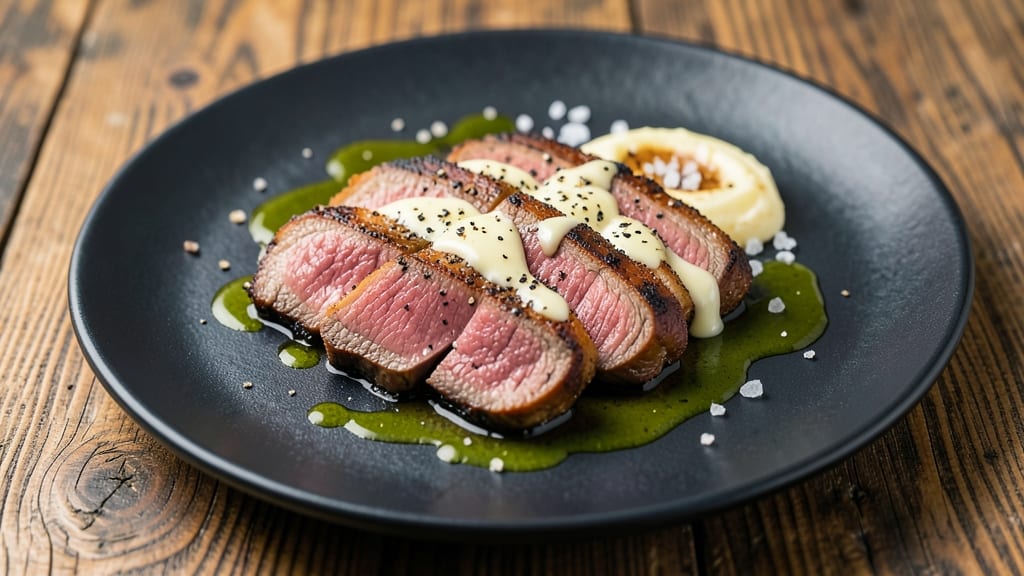
Mastering a roasted liver recipe transforms this often intimidating protein into a luxurious, buttery centerpiece with rich umami depth. The secret lies in precise temperature control and a simple seasoning approach that enhances rather than masks the liver's natural flavors.
After years of perfecting this technique—especially with beef liver—I've developed a method that delivers crisp edges while keeping the interior tender and succulent.
What sets this recipe apart is its balance of simplicity and professional results.
You'll need just five key ingredients and about 20 minutes of active preparation time, followed by 15 minutes of hands-off roasting at 400°F. The high heat creates that coveted caramelized crust, while the internal temperature gauge ensures perfect doneness without overcooking.
This is restaurant-quality liver that feels approachable for home cooks.
The result is a dish that's equally impressive as a weekend brunch centerpiece or a weeknight dinner. The exterior develops a golden-brown crust with subtle crispness, while the interior remains velvety and rich.
When served with a bright citrus sauce or caramelized onions, each bite delivers a perfect harmony of textures and flavors. The technique works equally well with beef, chicken, or calf liver.
For those new to cooking liver, the key is patience during the roasting process. Using a meat thermometer ensures you don't overcook—aim for 135°F for medium-rare, which is ideal for liver's tender texture.
The recipe includes optional plating suggestions to elevate presentation while keeping preparation straightforward. Let's create this luxurious yet accessible dish together.
Ingredients for roasted liver
Five essential ingredients transform intimidating liver into luxurious, restaurant-quality bites with perfect crisp edges.
| Ingredient | Amount | Notes |
|---|---|---|
| Beef Liver 🥩 | 1 ¼ lb | Fresh, center-cut slices preferred |
| Unsalted Butter 🧈 | 4 tbsp | Cold, high-fat content for crisp edges |
| Diamond Crystal Kosher Salt 🧂 | 1 ½ tsp | Fine grain for even distribution |
| Freshly Ground Black Pepper 🌶️ | ½ tsp | Coarse grind for texture contrast |
| Extra-Virgin Olive Oil 🫒 | 1 tbsp | Lightly coats liver for even browning |
The liver selection is critical—beef liver with visible marbling yields the richest results. Butcher shops often carry superior cuts compared to grocery stores, particularly for specialty proteins like liver. Look for pieces with even thickness (about 1/2-inch) to ensure uniform cooking. If using frozen liver, thaw it overnight in the refrigerator—never at room temperature, as this accelerates spoilage. The butter should be cold and unsalted; European-style unsalted butter like Plugrá or Land O'Lakes works best for achieving that coveted caramelized crust without salt interference.
No extra-virgin olive oil? Avocado oil is an excellent substitute, though it lacks the fruity depth. For salt alternatives, Maldon flaky sea salt creates stunning visual contrast when sprinkled post-roasting. The pepper should be freshly ground—pre-ground loses potency quickly. If you're using chicken or calf liver instead of beef, reduce the roasting time by 2-3 minutes, as these varieties cook faster. For a smoky twist, add 1/4 tsp smoked paprika to the butter mixture, though this alters the dish's traditional profile.
Store fresh liver in its original packaging on the bottom shelf of your refrigerator, where temperatures remain most consistent. Use within 2 days for optimal texture. The roasted liver can be reheated in a 350°F oven for 5-7 minutes, though it's best enjoyed fresh. For meal prep, portion the butter-coated liver into airtight containers and refrigerate uncovered for 15 minutes before sealing to prevent condensation. Leftovers keep for 2 days when properly stored, though liver's rich flavor intensifies when served immediately.
Why You'll Love This Recipe
- One-Pan Magic: I swear by this—just toss the liver, butter, and oil on a sheet pan, let the oven do the work. No chopping, no fuss, and honestly? The cleanup couldn’t be simpler.
- Rich, Buttery Crisp: That crispy exterior with the melt-in-your-mouth center? The butter and olive oil work together to make it dangerously addictive. (Yes, I’ve eaten it straight off the pan.)
- Weeknight or Weekend: Make it for a quick weeknight dinner or double the batch for a weekend spread. It’s equally at home with a simple salad or crusty bread—no pretentious plating required.
- Budget Powerhouse: Liver is one of the most affordable protein sources out there, and this recipe stretches it further. Leftovers? Even better reheated in a pan with a splash of olive oil.
Step-by-step instructions for roasted liver with buttery crisp edges
Mastering this technique transforms delicate liver into a luxurious dish with perfect texture and depth.
Prepare the Liver for Even Cooking
Begin by trimming any visible connective tissue or silverskin from the 1.25 lb beef liver using a sharp chef's knife. The goal is to create uniform slices about ½-inch thick—this ensures consistent doneness throughout. I like to work with center-cut slices as they have the most even texture and least connective tissue.
Pat each slice completely dry with paper towels. Moisture is the enemy of crisp edges, and even a slight dampness will prevent the butter from properly adhering and crisping. Arrange the slices on a wire rack set over a plate and refrigerate uncovered for 30 minutes. This drying step is crucial for developing that signature crust.
Season and Coat for Maximum Flavor
Remove the liver from the refrigerator and let it sit at room temperature for 10 minutes. This brief warm-up prevents temperature shock when it hits the hot pan. Working with one slice at a time, generously coat both sides with the 1 tbsp extra-virgin olive oil using your fingers or a pastry brush. The oil creates a protective barrier that promotes even browning.
Sprinkle each side with the 1.5 tsp diamond crystal kosher salt and 0.5 tsp freshly ground black pepper. Press the seasoning into the meat gently—this ensures even distribution and prevents it from falling off during cooking. I like to use my fingers for this step as it gives me better control than shaking seasoning from above.
Render Butter for Perfect Crisp Edges
Heat a heavy skillet over medium-high heat until it's just about to smoke. Add the 4 tbsp unsalted butter and allow it to melt completely, swirling the pan occasionally. You're looking for the butter to foam and turn a pale golden color—this indicates it's ready to coat the liver without burning. The butter should be hot but not smoking vigorously, which would scorch the delicate meat.
Working in batches if needed, add the seasoned liver slices to the skillet. Cook undisturbed for 2-3 minutes on the first side until the edges become golden brown and crisp. You'll see the butter begin to bubble vigorously around the edges—this is your signal that the crust is forming. Flip carefully using a thin spatula and cook the second side for another 2-3 minutes until golden brown.
Rest and Serve Immediately
Transfer the cooked liver to a warm plate and tent loosely with aluminum foil. Let it rest for exactly 2 minutes—this brief rest allows the juices to redistribute, preventing them from running out when you cut into the meat. The internal temperature should reach 135°F when measured with an instant-read thermometer for perfect medium-rare doneness.
Slice the liver into ½-inch thick pieces and serve immediately. The exterior should be beautifully crisp with golden brown edges, while the interior remains tender and moist with just a slight pink center. The butter coating should be rich and flavorful, complementing the liver's natural umami depth. Pair with a crisp white wine and roasted asparagus for a complete meal.
Pro Tips For Making Roasted Liver
- Trim the Fat First: Beef liver’s fat cap is where flavor hides, but too much turns your roast into greasy sludge. Scrape it off with a knife—leave just a thin layer—so the butter and oil can focus on caramelizing the meat, not frying it. (Yes, it’s tedious, but your pan will thank you.)
- Salt Before You Touch It: Liver soaks up salt like a sponge, and if you wait until after searing, you’ll end up with a bland center. Pat it dry, then generously coat both sides with kosher salt before hitting the pan—let it sit 10 minutes while you preheat. (I learned this the hard way when my liver tasted like it needed more seasoning after cooking.)
- Start Hot, Finish Foil: Sear liver over high heat for 2–3 minutes per side until it’s deeply browned—this builds crust and flavor. Then, slide it onto a baking sheet, tent loosely with foil, and roast at 375°F (190°C) until the internal temp hits 130°F (54°C). (No, it won’t look done—liver’s done when it’s just past medium-rare. A meat thermometer is your friend here.)
- Butter in Stages: Don’t dump all the butter on at once—melt 1 tablespoon in the pan first to coat the liver, then add the rest after it’s seared. Tilt the pan to baste the top with that golden butter while it roasts. (This isn’t just for show; it keeps the liver moist and adds richness without making it greasy.)
Best sauces and condiments for these flavors
Classic Hollandaise
This rich, buttery sauce is the ultimate pairing for roasted liver, balancing its richness with a silky, tangy finish. I make mine with 3 egg yolks, 1 tbsp lemon juice, and ½ cup unsalted butter melted and tempered to 160°F.
The key is patience—whisk constantly over a double boiler until the sauce thickens to a ribbon-like consistency. A splash of white wine vinegar adds brightness that cuts through the liver's intensity. 🍋
Spicy Chimichurri
For a South American-inspired twist, blend 1 cup fresh parsley, 4 garlic cloves, 2 tbsp red wine vinegar, ½ cup olive oil, 1 tsp red pepper flakes, and 1 tsp kosher salt.
The vibrant green color contrasts beautifully with the liver's golden crust, while the garlic and chili add layers of flavor. Let it marinate for 10 minutes before serving to allow flavors to meld.
Caramelized Onions
Slow-cooked caramelized onions add sweet depth that complements liver's umami perfectly. Slice 2 large yellow onions thinly and cook in 1 tbsp butter over low heat for 45-60 minutes, stirring occasionally.
Add 1 tbsp balsamic vinegar in the final 5 minutes to enhance sweetness. Serve warm alongside the liver for a luxurious texture contrast.
Red Wine Reduction
Simmer 1 cup dry red wine (like Cabernet Sauvignon) with 2 tbsp butter and 1 tsp shallots until reduced by half. Finish with 1 tsp fresh thyme and a pinch of salt.
This sauce's deep, fruity notes enhance the liver's richness without overpowering it. Strain before serving to achieve a silky texture.
Creamy Mustard Sauce
Mix ½ cup crème fraîche with 2 tbsp Dijon mustard, 1 tbsp lemon juice, and 1 tsp fresh tarragon. This tangy, creamy sauce adds a modern twist that pairs wonderfully with the buttery liver.
Adjust mustard quantity to taste—more for heat, less for subtle tang. Serve immediately for optimal texture.
Quick Lemon Aioli
For a bright, zesty contrast, blend ½ cup mayonnaise with 2 tbsp lemon juice, 1 garlic clove, and 1 tsp capers. The acidity cuts through the richness while the garlic adds depth. This sauce comes together in 5 minutes and elevates simple liver preparations to restaurant-quality.
Nutrition facts
Frequently asked questions
Why does liver turn out rubbery when roasted?
Overcooking is the #1 cause of rubbery liver. Use a meat thermometer and remove it at 135°F for medium-rare—any higher and the texture becomes tough. Also ensure your slices are ½-inch thick and cook undisturbed for 2-3 minutes per side at medium-high heat to develop crisp edges without drying out.
Can I use chicken or calf liver instead of beef?
Chicken liver cooks fastest—reduce roasting time by 2-3 minutes total—while calf liver has a slightly milder flavor. For all types, keep slices ½-inch thick and monitor closely. Chicken liver works especially well with bright citrus sauces to balance its delicate taste.
What's the best way to store leftover roasted liver?
Store in an airtight container in the fridge for up to 2 days. For reheating, warm in a 350°F oven for 5-7 minutes—microwaving makes it rubbery. The butter coating may separate; simply re-crisp in a hot pan for 30 seconds before serving to restore texture.
How do I prevent the butter from burning?
Use unsalted butter (salt lowers smoke point) and heat the pan until it's "just before smoking"—about 350°F. Swirl constantly to distribute heat evenly. If butter browns too quickly, reduce heat slightly. The butter should foam and turn pale golden before adding liver.
What's the ideal serving temperature for roasted liver?
Serve immediately at 135°F internal temperature for perfect medium-rare texture. The exterior should be crisp and golden, while the center remains slightly pink. If resting longer than 2 minutes, tent loosely with foil to prevent drying.