
Main Courses
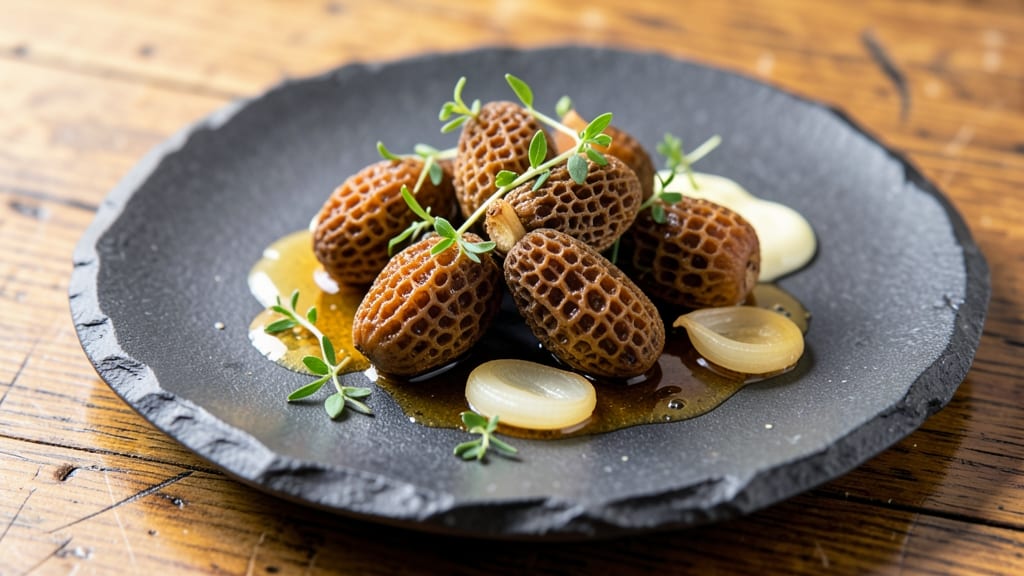
This simple morel mushroom recipe transforms wild forest flavors into a restaurant-quality dish in just 20 minutes—no fancy techniques required. Morels are earthy, nutty, and intensely flavorful, but their delicate texture demands gentle handling.
After years of perfecting this method, I’ve found the secret lies in quick cooking and bold seasoning to preserve their natural richness while enhancing their depth.
The beauty of this recipe is its simplicity: five core ingredients and a single pan. You’ll start by cleaning the morels thoroughly (a critical step for safety and texture), then sear them in butter until golden.
A splash of white wine or broth deglazes the pan, creating a fragrant sauce that clings to each mushroom. The result? A dish that tastes like a forest walk, but ready in under 20 minutes—no waiting for hours of simmering.
What you’ll end up with is a plate of tender, caramelized morels with a glossy, savory sauce that’s perfect over pasta, mashed potatoes, or crusty bread. The mushrooms stay firm yet succulent, their unique honeycomb texture intact, while the sauce adds a touch of umami depth.
This is the kind of dish that makes wild foraging worth every minute—without the guesswork.
Pair it with a crisp white wine or a simple arugula salad to balance the richness. The technique is foolproof, but the flavor is anything but ordinary. Let’s get cooking—your taste buds will thank you.
Ingredients for simple morel
Five ingredients transform delicate morels into restaurant-worthy forest flavor in minutes.
| Ingredient | Amount | Notes |
|---|---|---|
| Fresh Morel Mushrooms 🍄 | 1 lb | Cleaned, stems intact, no debris |
| Unsalted Butter 🧈 | 4 tbsp | European-style preferred, cold |
| Shallots 🧅 | 2 whole | Minced, or 2 tbsp shallot confit |
| Dry White Wine 🍷 | ½ cup | Sauvignon Blanc or Pinot Grigio |
| Chicken or Vegetable Broth 💧 | ½ cup | Low-sodium preferred, homemade ideal |
| Fresh Thyme Leaves 🌿 | ¼ cup | Or 1 tsp dried thyme |
| Diamond Crystal Kosher Salt 🧂 | ½ tsp | Adjust to taste |
| Freshly Ground Black Pepper 🌶️ | ¼ tsp | Coarsely ground |
| Extra-Virgin Olive Oil 🫒 | 1 tbsp | For finishing, fruity variety |
| Fresh Parsley Leaves 🌿 | ⅛ cup | Chopped, for garnish |
Morels demand respect—freshness is non-negotiable. Seek local foragers or specialty markets like Eataly or Whole Foods for the best quality; avoid pre-packaged morels that often lack the signature honeycomb texture. The stems should be firm, not shriveled, and the caps should be intact. Foraged morels? Clean them thoroughly using a soft brush and warm water—never soak them. The butter is critical too: European-style with high fat content ensures proper searing without burning. If you can't find shallots, green onions work in a pinch, though they lack the same sweet depth.
White wine is traditional, but broth alone works beautifully—just add a splash of lemon juice for brightness. No wine? Apple cider vinegar at half the amount mimics the acidity. Thyme is ideal, but fresh rosemary at one-third the quantity adds piney notes. The kosher salt should be Diamond Crystal or Morton for consistent flavor; table salt won't dissolve properly. For the olive oil, California extra-virgin brands like Corto or Olea provide the best fruity finish. Garnish with parsley if you have it, but chives or basil work equally well—just chop them finely to match the delicate texture of the morels.
Morels lose moisture quickly after cleaning, so cook them within 2 hours of purchase. Store unused morels in a paper towel-lined container in the fridge for up to 3 days. The cooked dish reheats beautifully—simmer gently in a splash of broth for 2-3 minutes to restore moisture. For meal prep, portion the sauce separately and reheat it alone before tossing with pasta or potatoes. The sauce keeps for 5 days in the fridge, while the morels themselves are best eaten fresh.
Why You'll Love This Recipe
- Same recipe, two vibes: toss it over pasta for a lazy Tuesday or drizzle it over grilled fish for a fancier spread. The broth base means it stretches easily, so you’re never left with scraps begging for attention.
- No Fancy Knife Work: The morels and shallots barely need chopping—just a quick rinse and a rough slice. Honestly, I’ve made this while standing at the stove with one hand, and it still turns out rich and velvety.
- Earthy Wine Kiss: That splash of dry white wine cuts through the mushrooms’ funk, leaving behind a bright, almost buttery depth. Between us, it’s the kind of flavor that makes you pause mid-bite—like a little secret in every spoonful.
- Weeknight or Dinner Party: Same recipe, two vibes: toss it over pasta for a lazy Tuesday or drizzle it over grilled fish for a fancier spread. The broth base means it stretches easily, so you’re never left with scraps begging for attention.
Step-by-step instructions for simple morel mushroom preparation
This straightforward method transforms delicate morels into a rich, aromatic dish using minimal ingredients.
Clean and Prepare the Morel Mushrooms
Begin by carefully cleaning the fresh morel mushrooms under cool running water, using a soft brush to remove any debris from the honeycombed caps. Never soak them—they absorb water like sponges. Gently pat them dry with paper towels, ensuring the stems remain intact as they contain much of the flavor.
Morels have a delicate texture, so handle them with care. Remove any damaged or discolored portions, as these can affect the final dish's quality. I like to trim the stems to about ½-inch from the cap base, leaving them whole for even cooking. Set them aside on a clean kitchen towel while you prepare the aromatics.
Sauté Shallots in Butter Until Translucent
Melt 2 tablespoons of the unsalted butter in a large skillet over medium heat until it foams but doesn't brown. Add the minced shallots and cook for 3-4 minutes, stirring occasionally, until they become soft and translucent. This step develops their natural sweetness without letting them turn bitter.
You'll know they're ready when the shallots release their aroma and their edges begin to soften. At this point, they should be pale golden and almost clear in texture. Remove the skillet from heat temporarily while you prepare the remaining ingredients.
Cook Morels Until Deeply Browned
Return the skillet to medium-high heat and add the remaining 2 tablespoons of unsalted butter. When the butter foams, add the prepared morel mushrooms in a single layer. Cook undisturbed for 3-4 minutes until they develop a deep golden-brown crust on one side. Flip carefully and cook another 3-4 minutes until both sides are browned.
Morels release their earthy oils during cooking, so resist the urge to move them around. The goal is to create a rich, caramelized crust that will form the base of your sauce. Once browned, remove the mushrooms to a clean plate and set aside, leaving the flavorful browned bits in the pan.
Deglaze with Wine and Build the Sauce
Immediately pour in the ½ cup dry white wine, scraping up all the browned bits from the bottom of the pan with a wooden spoon. This deglazing step captures all the flavor you've built. Let the wine simmer for 2-3 minutes until reduced by half, then add the ½ cup chicken or vegetable broth and the ¼ cup fresh thyme leaves.
Bring the mixture to a gentle simmer and cook for 4-5 minutes until slightly thickened. Season with the ½ teaspoon diamond crystal kosher salt and ¼ teaspoon freshly ground black pepper. The sauce should coat the back of a spoon with a velvety consistency.
Finish and Serve with Fresh Herbs
Return the morel mushrooms to the skillet and toss gently to coat them evenly in the sauce. Cook for an additional 1-2 minutes just to heat through. Remove from heat and stir in the 1 tablespoon extra-virgin olive oil, which adds a fruity brightness to balance the earthy morels.
Transfer the morels to serving plates and garnish immediately with the chopped fresh parsley leaves. The parsley not only adds visual appeal but also provides a fresh contrast to the rich, umami flavors. Serve warm with crusty bread or over pasta for a simple yet sophisticated dish.
Pro Tips For Making Simple Morel
- CLEAN THE MORELS RIGHT: Scrub them under cold running water with a soft brush—no soaking, or they’ll turn to mush. I learned this the hard way when my first batch of morels turned into a sad, slimy pile after sitting in a bowl of water for "just a few minutes." Pat them very dry afterward; wet mushrooms won’t brown properly and will steam instead of sear.
- SAUTÉ SHALLOTS LOW AND SLOW: Cook the shallots on medium-low heat until they’re golden but not browned—this takes about 8-10 minutes. I used to rush this step, and the dish always tasted bitter. If they start to sizzle too hard, pull the pan off the heat for 30 seconds and let it settle.
- DEGLAZE WITH WINE FIRST: Pour in the white wine immediately after removing the pan from the heat—this stops the cooking process and lets the wine work its magic. Let it simmer for 2-3 minutes until reduced by half before adding broth. Skipping this step means you’ll end up with a thin, watery sauce instead of a rich, velvety one.
- UPGRADE WITH A SPLASH OF BROTH: After the wine reduces, add just enough broth to coat the mushrooms—about ½ cup—before letting it simmer uncovered. This ensures the sauce thickens properly without turning gluey. I was skeptical until I tried it; the difference in texture is night and day.
Best sauces and condiments for this recipe
Classic Wine Sauce
The white wine and thyme sauce in this recipe is where the magic happens—it transforms simple morels into a restaurant-worthy dish. The ½ cup dry white wine (I prefer Sauvignon Blanc for its crisp acidity) deglazes the pan beautifully, capturing all those caramelized morel bits.
After reducing, add ½ cup low-sodium broth to create a velvety sauce that clings to each mushroom. For extra depth, I sometimes add a pinch of nutmeg or white pepper—just ⅛ tsp each—to complement the earthy flavors. 🍷
Garlic-Herb Butter
Swap the wine sauce for a rich garlic-herb butter sauce that’s perfect for those who prefer something lighter but still flavorful. Melt 2 tbsp butter in the pan after searing the morels, then add 3 minced garlic cloves and 1 tbsp chopped fresh parsley.
Cook for 1-2 minutes until fragrant, then toss the morels in the butter. Finish with a squeeze of lemon juice for brightness. This version works beautifully with grilled fish or roasted vegetables.
Creamy Thyme Sauce
For a richer, velvety option, replace the wine with ½ cup heavy cream and a splash of lemon juice after deglazing. Stir in 1 tbsp Dijon mustard and ½ tsp honey to balance the earthiness of the morels.
Simmer for 3-4 minutes until slightly thickened, then toss the morels in the sauce. This version pairs exceptionally well with mashed potatoes or buttery egg noodles. 💛
Umami Mushroom Broth
Elevate the sauce by adding 1 tbsp soy sauce or 1 tsp fish sauce to the broth during deglazing. The umami boost enhances the morels’ natural depth without overpowering them.
For a vegetarian option, use mushroom powder (just ½ tsp) instead. This technique works especially well if you’re serving the morels over rice or as a filling for crepes.
Lemon-Caper Brightness
Add a pop of acidity and saltiness by stirring in 1 tbsp capers and 1 tsp lemon zest during the final 2 minutes of sauce reduction. The briny capers cut through the richness, while the lemon zest adds a fresh, citrusy note.
This variation is perfect for spring or summer meals and pairs wonderfully with seared scallops or grilled shrimp. ✨
Herb-Infused Olive Oil
For a lighter finish, drizzle the cooked morels with a custom herb-infused olive oil instead of a full sauce. Heat 2 tbsp extra-virgin olive oil with 1 tsp chopped thyme, 1 tsp chopped rosemary, and 1 garlic clove (minced) for 1 minute.
Strain and drizzle over the morels just before serving. This method keeps the dish light yet flavorful, ideal for warm weather or when you want to highlight the morels’ natural taste.
Nutrition facts
Frequently asked questions
Can I substitute fresh morels with dried morels in this recipe?
Dried morels work beautifully but require rehydration first. Soak them in warm water for 20-30 minutes until pliable, then pat dry thoroughly. Use 1 cup dried morels for every 1 lb fresh, as they shrink significantly. The texture will be slightly chewier, but the earthy flavor intensifies. Never use canned morels—they're often preserved with additives that alter the taste.
Why do my morels turn rubbery when cooking?
Overcooking is the most common cause—morels cook in just 6-8 minutes total. They should be golden brown, not dark brown or blackened. Also, never soak them (they absorb water like sponges), and cook them over medium-high heat to develop a crisp crust. If they taste bitter, you likely cooked them too long.
What's the best way to store leftover cooked morels?
Store them in an airtight container with a splash of broth or water to retain moisture. They'll keep in the fridge for 3-4 days. For longer storage, freeze them for up to 3 months—just thaw overnight in the fridge before reheating. The sauce separates when refrigerated, so stir it gently when reheating over low heat for 2-3 minutes.
Can I make this recipe vegetarian?
Simply use vegetable broth instead of chicken broth and ensure your butter is dairy-free if needed. For extra umami, add ½ tsp mushroom powder or 1 tbsp soy sauce to the sauce. The dish maintains its rich, earthy character while being completely plant-based.
How do I know when morels are fresh?
Fresh morels should be firm with a honeycomb texture intact and no slimy spots. The stems should be white or pale cream, not yellowing or shriveled. They should smell earthy and nutty, never musty or off. If they feel spongy or have black spots, they're past their prime—morels spoil quickly after picking.