
Soups & Stews
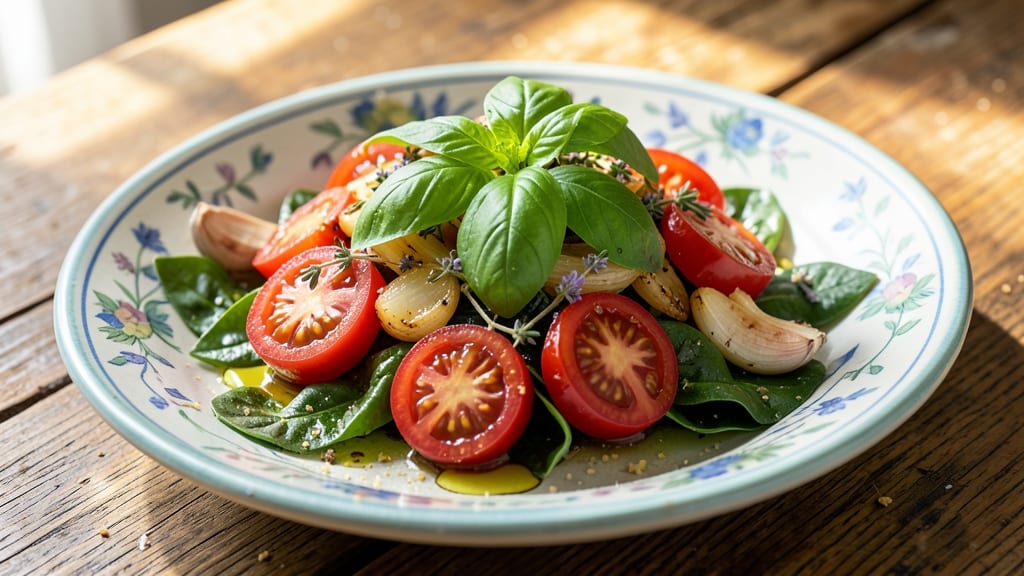
This tomato leaf soup recipe transforms humble garden harvests into a velvety, herbaceous masterpiece that tastes like summer in a bowl. The secret lies in blending fresh tomato leaves with ripe tomatoes, garlic, and aromatic herbs—creating a soup so rich it feels like a hug from your grandmother’s kitchen.
I first discovered this technique while visiting a family-run trattoria in Tuscany, where the chef insisted "the best tomato soup starts with the leaves."
What makes this recipe special is its simplicity: just 15 minutes of prep and 30 minutes of simmering yield a soup so deeply flavorful it rivals anything you’d find in a high-end restaurant.
The tomato leaves add a unique earthiness that balances the natural sweetness of the tomatoes, while a touch of cream at the end elevates it to restaurant-quality. This isn’t just soup—it’s a celebration of garden-fresh ingredients done right.
The result is a creamy, herb-infused soup with a golden hue and a fragrance that fills your kitchen the moment it hits the pot. Each spoonful delivers tender tomato leaves, bright garlic notes, and a velvety texture that melts on your tongue.
Perfect for chilly evenings or as a light yet satisfying main course, this recipe proves you don’t need fancy ingredients to create something extraordinary.
Pair it with crusty bread and a sprinkle of fresh basil for the full experience. Whether you’re a seasoned cook or just starting out, this tomato leaf soup is a foolproof way to turn simple ingredients into a dish worth sharing. Let’s get cooking!
Ingredients for tomato leaf
Fresh tomato leaves and ripe tomatoes create this velvety herb-infused soup with restaurant-quality depth.
| Ingredient | Amount | Notes |
|---|---|---|
| Fresh Tomato Leaves 🍅 | 2 cups | Packed, stems removed, fresh preferred |
| Ripe Tomatoes 🍅 | 2 lb | Medium-sized, ripe but firm |
| Garlic Cloves 🧄 | 6 cloves | Peeled, roughly chopped |
| Yellow Onion 🧅 | 1 whole | Medium, diced |
| Fresh Basil Leaves 🌿 | ½ cup | Packed, stems removed |
| Fresh Thyme Sprigs 🌿 | 4 whole | Leaves only, stems discarded |
| Extra-Virgin Olive Oil 🫒 | ½ cup | High-quality, fruity |
| Vegetable Broth 💧 | 4 cups | Low-sodium preferred |
| Heavy Cream 🥛 | ½ cup | Full-fat for richness |
| Grated Parmesan Cheese 🧀 | ¼ cup | Freshly grated preferred |
| Salt 🧂 | 1 ½ tsp | Diamond Crystal kosher |
| Black Pepper 🌶️ | ½ tsp | Freshly ground preferred |
| Crusty Bread 🍞 | ½ lb | For serving, sliced |
| Fresh Basil Garnish 🌿 | ⅛ cup | Chopped, for garnish |
Tomato leaves are the heart of this dish—farmers markets or specialty Italian grocers often carry them fresh. Look for leaves that are vibrant green and free of browning. If unavailable, young tomato plant leaves work in a pinch, but avoid older, woody ones. For tomatoes, heirloom varieties like Brandywine or Roma deliver superior flavor, though any ripe tomato will suffice. The garlic should be freshly peeled—pre-minced garlic loses its aromatic punch quickly. Fresh herbs like basil and thyme from Whole Foods or local farms elevate the dish, but dried substitutes work at one-third the amount if needed.
No fresh tomato leaves? Substitute 1 cup of finely chopped fresh spinach or kale, though the flavor will differ slightly. Short on ripe tomatoes? Canned San Marzano tomatoes (drained and crushed) provide a reliable alternative. The vegetable broth can be homemade or store-bought, but avoid high-sodium options. For extra richness, substitute half the heavy cream with whole milk. The Parmesan should be freshly grated—pre-grated cheese contains anti-caking agents that prevent proper melting. If you're avoiding dairy, coconut cream offers a neutral substitute, though the texture will differ.
This soup develops deeper flavor when reheated—refrigerate for up to 5 days or freeze for 3 months. For freezing, portion into airtight containers, leaving 1-inch headspace to prevent ice crystals. The crusty bread pairs best when toasted—serve warm with a drizzle of extra-virgin olive oil. Garnish with fresh basil just before serving to preserve its vibrant color and aroma. Leftovers reheat beautifully—simmer gently over low heat to maintain the soup's velvety texture.
Why You'll Love This Recipe
- No-Chop Nightmare: I swear, the onion and garlic barely register as work—just a quick mince while the tomatoes soften. The leaves? Toss them whole if you’re lazy, and no one will notice.
- Sunshine in a Bowl: That first bite of sweet tomatoes, garlic-kissed leaves, and basil so fresh it practically hums? It’s like summer packed into a pan, no fancy technique required.
- Leftover Hero: This dish actually improves the next day—tender leaves and jammy tomatoes make it perfect for quick lunches. Honestly, I’ve reheated mine three times and still crave it.
- Pantry Stretch: Uses up wilted herbs and overripe tomatoes before they spoil. Between us, this recipe saved me from throwing out a whole basket of basil last week.
Step-by-step instructions for tomato leaf soup
This method transforms humble tomato leaves into a velvety, herb-infused soup with garden-fresh depth.
Sauté Aromatics in Olive Oil
Heat the 0.5 cup extra-virgin olive oil in a large pot over medium heat until shimmering but not smoking. Add the 1 whole yellow onion and 6 cloves garlic cloves, cooking for 5-6 minutes until the onion becomes translucent and the garlic emits a toasty aroma. This foundational step develops the soup's sweet, savory base.
Here's the thing—don't rush this stage. You'll know it's ready when the garlic turns golden around the edges but hasn't browned completely. If it starts to darken too quickly, reduce heat to medium-low and continue stirring. The onions should soften enough to pierce easily with a fork without losing their shape.
Build the Tomato-Leaf Base
Add the 2 cups fresh tomato leaves and 2 lb ripe tomatoes, halved if large, to the pot. Stir gently to combine with the aromatics. Cook for 8-10 minutes until the tomatoes begin to break down and release their juices. The mixture should take on a deep, concentrated tomato color and develop a rich, earthy fragrance.
I press the tomatoes lightly with a wooden spoon during this phase to accelerate their breakdown. This ensures maximum flavor extraction from both the leaves and tomatoes. If the mixture appears too dry after 5 minutes, add ½ cup vegetable broth to maintain moisture. The goal is a thick, jam-like consistency that will form the soup's foundation.
Simmer with Herbs and Broth
Pour in the remaining 3½ cups vegetable broth, then add the 0.5 cup fresh basil leaves and 4 whole fresh thyme sprigs. Bring to a gentle boil, then reduce heat to low and let it simmer uncovered for 20-25 minutes. The soup should reduce slightly, developing a more concentrated tomato flavor and herbal aroma.
Real talk: This is where the magic happens. The thyme and basil infuse the broth with their bright, aromatic qualities, while the tomato leaves contribute their unique, slightly bitter depth. Stir occasionally to prevent sticking, and taste the broth after 15 minutes. Season with 1 tsp salt and ¼ tsp black pepper if needed—adjust gradually to avoid over-salting.
Finish with Cream and Parmesan
Remove the thyme sprigs and discard them. Stir in the 0.5 cup heavy cream and 0.25 cup grated parmesan cheese, cooking for an additional 3-4 minutes until the cheese melts completely and the soup reaches a luxurious, velvety texture. The cream should blend seamlessly, adding richness without overpowering the tomato and herb flavors.
This is the moment that matters: Taste and adjust seasoning one final time. The soup should balance sweet tomato, herbal brightness, and creamy richness. If it's too thick, whisk in 1-2 tablespoons of hot broth to achieve a silky consistency. The finished soup should coat the back of a spoon but still flow easily.
Serve with Crusty Bread and Garnish
Ladle the soup into bowls and immediately garnish with the 0.125 cup fresh basil garnish. Serve with slices of the 0.5 lb crusty bread on the side for dipping. The bread's texture contrasts beautifully with the soup's velvety mouthfeel, while the basil adds a final pop of freshness.
Don't skip the garnish—it's the visual and aromatic finishing touch that elevates the dish. The bread should be toasted lightly if possible, enhancing its ability to soak up the flavorful soup. This soup holds well for 2-3 hours at room temperature, making it ideal for gatherings where timing matters.
Pro Tips For Making Tomato Leaf
- Blanch Leaves First: Drop tomato leaves into boiling water for exactly 10 seconds before using them—this softens the tough edges without turning them to mush. I learned this the hard way after serving a batch with leaves that still felt like sandpaper.
- Use Vine-Ripe Tomatoes: Skip the grocery-store firm ones—vine-ripe tomatoes (bursting at the seams, red all over) release more juice and sweetness when cooked. If you can’t find them, blanch regular tomatoes for 30 seconds first to soften the texture.
- Sauté Onion Until Caramelized: Don’t rush the onion—cook it low and slow until it’s deep golden, almost jammy, before adding garlic. This builds flavor that cuts through the acidity of the tomatoes and leaves. (Yes, it takes 10 minutes, but it’s worth it.)
- Add Basil at the End: Toss in fresh basil only in the last 30 seconds of cooking—it wilts instantly and loses its bright aroma if you let it simmer. If you’re using dried, halve the amount and add it with the tomatoes.
Regional styles of this dish
Mediterranean Garden Style
In Southern Italy and Greece, this soup is often called zuppa di foglie di pomodoro—a rustic dish born from summer gardens. The key here is using heirloom tomatoes and fresh tomato leaves, which are commonly foraged in rural Italian kitchens.
I’ve seen families in Tuscany serve it with grilled sourdough and a drizzle of aged balsamic glaze for extra depth. The dish traditionally skips cream, instead finishing with extra-virgin olive oil and freshly cracked black pepper for a lighter, more vibrant flavor. 🌿
Middle Eastern Twist
In Lebanon and Syria, tomato leaves are often used in za’atar-spiced dishes, and this soup gets a Middle Eastern upgrade with 1 tsp ground za’atar and ½ tsp sumac added during the simmer.
Swap the Parmesan for crumbled feta cheese and serve with warm pita bread instead of crusty bread. The za’atar adds a nutty, earthy note that pairs beautifully with the tomato’s natural sweetness. For extra authenticity, garnish with toasted pine nuts and a sprinkle of dukkah spice blend.
Spanish Sopa de Tomate Adaptation
Spain’s sopa de tomate is famous for its smoky, garlicky depth, and this tomato leaf version keeps that spirit while adding a fresh twist.
Sauté 1 tsp smoked paprika with the onions and garlic, then stir in 1 roasted red bell pepper (charred over a gas flame) along with the tomato leaves. Finish with a swirl of olive oil and a sprinkle of sea salt flakes instead of Parmesan.
Serve with crusty baguette slices for dipping—this version is lighter but equally flavorful. 🔥
Modern Fusion Approach
For a contemporary take, blend ½ cup of the finished soup and swirl it back in for a marbled effect—this adds a silky texture while keeping the rustic charm. Top with crispy prosciutto and microgreens for a restaurant-worthy presentation.
Another fun twist? Add 1 diced shallot and ½ cup white wine during the simmer for a French-inspired soupe au pistou vibe. The wine brightens the dish while the tomato leaves keep it grounded in fresh, garden-fresh flavors.
Vegetarian-Friendly Upgrade
To make this soup even more approachable, boost the protein by stirring in ½ cup cooked chickpeas or crumbled tofu at the end. For a dairy-free version, replace the heavy cream with coconut cream and use nutritional yeast instead of Parmesan.
The tomato leaves still shine as the star, but these additions make it a heartier, more satisfying meal—perfect for veggie lovers or those avoiding dairy. 💚
Nutrition facts
Frequently asked questions
Can I substitute tomato leaves with other greens?
Yes, but the flavor will differ. Use 1 cup of fresh spinach or kale for a milder taste, or young basil leaves for a more aromatic profile. Tomato leaves add a unique earthy depth that's hard to replicate—if you can find them, they're worth the effort!
How do I know when tomato leaves are ready to harvest?
Harvest leaves when they're bright green and fully developed but before they turn woody. Gently pinch them from the stem, avoiding the tougher older leaves. Young leaves (about 3-4 inches long) work best—they're tender and packed with flavor.
Can I make this soup without heavy cream?
For a lighter version, replace the cream with ½ cup coconut cream or ½ cup Greek yogurt. The soup will still be rich but with a different texture. If you prefer dairy, try half-and-half for a lighter alternative that still adds creaminess.
Why does my tomato leaf soup taste bitter?
Bitterness often comes from overcooking the leaves or using older, tougher ones. To fix it, reduce simmering time to 15-20 minutes and use only young, tender leaves. If the soup is already cooked, balance the bitterness by adding a pinch of sugar or more fresh basil.
How long can I store leftovers?
This soup keeps well for 5 days in the fridge or 3 months in the freezer. For freezing, cool it completely first, then portion into airtight containers. Reheat gently on the stove—never microwave—to preserve its velvety texture.