
Soups & Stews
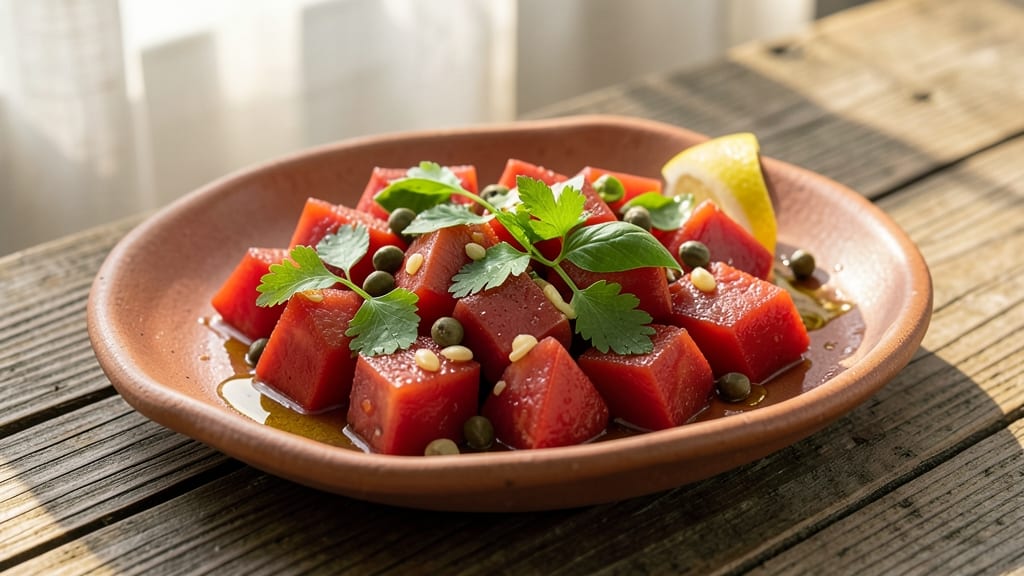
This tomato tartare recipe transforms ripe summer tomatoes into a vibrant, no-cook dish that bursts with bright flavors—perfect for warm weather gatherings or elegant appetizers.
The secret lies in selecting perfectly ripe tomatoes and balancing their natural sweetness with zesty lemon, fresh herbs, and a touch of salt, creating a dish that's as refreshing as it is sophisticated.
I developed this recipe after realizing how often good tomato dishes get overlooked in favor of cooked preparations, and it's become a staple for bringing freshness to the table.
The beauty of tomato tartare is its simplicity—just a handful of ingredients come together in minutes to create a dish that feels restaurant-worthy without requiring any cooking.
You'll need ripe tomatoes (I recommend beefsteak or heirloom varieties), fresh herbs like basil and parsley, lemon juice, capers for a briny kick, and a sprinkle of flaky salt to elevate the flavors.
The key is handling the tomatoes gently to preserve their texture while still achieving that perfect balance of sweet, tangy, and savory notes.
What you'll end up with is a bright, zesty dish that's creamy yet fresh, with chunks of ripe tomato, finely chopped herbs, and a dressing that ties everything together.
The texture is velvety from the tomatoes themselves, while the lemon and herbs add a refreshing lift that makes this dish impossible to resist. It's the kind of appetizer that starts conversations and clears plates quickly—ideal for summer brunches, picnic spreads, or as a sophisticated starter for dinner guests.
Serve it chilled on a platter with crusty bread for dipping, or pair it with grilled meats and fresh salads for a complete meal.
The recipe is flexible enough to include variations like adding avocado for creaminess or a dash of hot sauce for heat, but the core remains the same: bright, zesty freshness that celebrates the tomato in its simplest form. Let's get started!
Ingredients for tomato tartare
Ripe tomatoes, fresh herbs, and bright citrus transform into a vibrant no-cook appetizer.
| Ingredient | Amount | Notes |
|---|---|---|
| Beefsteak Tomatoes 🍅 | 1 ½ lb | Ripe, firm, seeds removed |
| Fresh Basil Leaves 🌿 | ½ cup | Packed, finely chopped |
| Fresh Parsley Leaves 🌿 | ¼ cup | Finely chopped, stems removed |
| Shallot 🧅 | 1 whole | Finely minced, about 1 tbsp |
| Lemon Juice 🍋 | ¼ cup | Freshly squeezed |
| Capers 🍅 | 2 tbsp | Chopped, drained |
| Extra-Virgin Olive Oil 🫒 | ½ cup | High quality, fruity |
| Flaky Sea Salt 🧂 | 1 ½ tsp | Like Maldon |
| Freshly Ground Black Pepper 🌶️ | ½ tsp | Freshly cracked |
| Crusty Bread 🥖 | 1 baguette | For serving, sliced |
Tomatoes are the foundation—beefsteak or heirloom varieties work best, with deep red color and firm texture. Whole Foods or local farmers markets often carry the ripest selections, but any grocery store will have decent options if you pick firm, vibrant tomatoes. The shallot adds subtle depth, so don't skip it—substitute 1 tbsp finely chopped red onion if unavailable. Fresh herbs are non-negotiable here; Trader Joe's sells pre-washed herb bundles that save time, but always give them a quick rinse before chopping. For the olive oil, look for Italian or Spanish varieties with fruity notes—they'll elevate the dish more than generic supermarket brands.
No capers? Pickle juice or soy sauce at half the amount adds a similar briny punch. Short on fresh herbs? Dried basil or parsley at one-third the quantity works, but fresh is ideal. The lemon juice should be freshly squeezed—bottled juice lacks brightness. For a richer texture, add 1 tbsp crumbled feta or goat cheese. If you want extra creaminess, fold in 2 tbsp whipped cream cheese at the end. The bread should be crusty—a baguette or ciabatta works perfectly for dipping, but any sturdy bread will do. For a spicier kick, add 1/4 tsp hot sauce or finely chopped jalapeño.
This tartare keeps beautifully in the fridge for 2-3 days, though it's best enjoyed fresh. Store in an airtight container with a thin layer of olive oil on top to preserve freshness. The bread can be toasted just before serving to keep it crisp. For a crowd, double the recipe—it's perfect for summer gatherings. Leftovers make great sandwich fillings or bruschetta toppings the next day.
Why You'll Love This Recipe
- I swear by this trick: just grab a spoon and scoop those beefsteak tomatoes right out of the skin. No dicing, no peeling—just chunky, juicy perfection in minutes. The shallots get the only real prep, and honestly? That’s worth it.
- No Knife Skills Needed: I swear by this trick: just grab a spoon and scoop those beefsteak tomatoes right out of the skin. No dicing, no peeling—just chunky, juicy perfection in minutes. The shallots get the only real prep, and honestly? That’s worth it.
- Bright Summer in a Bowl: That lemon juice and fresh parsley cut through the tomatoes’ sweetness like a cool breeze. The basil? It’s the secret weapon—toss it in at the end so it stays vibrant, and suddenly you’ve got a dish that tastes like a Mediterranean vacation.
- Picnic or Party Ready: Between us, this is my go-to for summer gatherings. Pack it in a jar for potlucks, or serve it chilled with crusty bread when friends drop by. It’s light but satisfying—no one will guess it’s this unfussy.
Step-by-step instructions for tomato tartare recipe
Here's how to create a vibrant, restaurant-quality tomato tartare with perfectly balanced flavors.
Prepare the Tomatoes
Begin by selecting the ripest beefsteak tomatoes you can find—they should be firm yet yielding when gently squeezed. Cut each tomato in half horizontally and remove the seeds using a spoon, being careful not to break the flesh. Finely dice the tomato flesh into small, even pieces, about ¼-inch in size. Place the diced tomatoes in a large mixing bowl.
This preparation is crucial because the texture should be uniform throughout. If some pieces are too large, they'll remain underripe in the center, while smaller pieces will release more juice and create the perfect balance. Work quickly to prevent oxidation—we want to preserve that bright, fresh tomato flavor.
Combine the Fresh Herbs and Aromatics
Add the 0.5 cup finely chopped fresh basil leaves and 0.25 cup finely chopped fresh parsley leaves to the bowl with the tomatoes. Sprinkle the 1 whole finely minced shallot evenly over the mixture. Use your hands to gently fold these ingredients together, being careful not to crush the herbs too much.
The herbs should be distributed evenly throughout the tomatoes. This is where the freshness comes alive—basil adds sweetness while parsley provides a bright, slightly bitter contrast. The shallot contributes depth without overpowering the delicate tomato flavor. Taste the mixture at this stage to ensure you're on the right track.
Add the Acid and Brine Components
Pour the 0.25 cup freshly squeezed lemon juice over the tomato mixture and add the 2 tbsp chopped, drained capers. Drizzle the 0.5 cup extra-virgin olive oil in a slow, steady stream while gently stirring with a wooden spoon. The acid from the lemon will help balance the natural sweetness of the tomatoes, while the capers add a briny, umami depth.
At this point, the mixture should look vibrant and glistening. The olive oil should coat the tomatoes evenly, creating a silky texture. If you're concerned about the mixture being too wet, let it sit for 5 minutes—the tomatoes will release some of their natural juices, and you can adjust the consistency later if needed.
Season and Rest for Maximum Flavor
Sprinkle the 1.5 tsp flaky sea salt and 0.5 tsp freshly ground black pepper over the mixture. Gently fold everything together until the salt and pepper are evenly distributed. Taste and adjust the seasoning—you want the salt to enhance the flavors without overpowering, and the pepper to add a subtle warmth.
Cover the bowl and let the tartare rest in the refrigerator for at least 30 minutes. This resting period allows the flavors to meld together and the tomatoes to soften slightly, creating a more cohesive texture. The longer it rests, the more complex the flavors become—up to 2 hours is ideal if you have time.
Serve with Crusty Bread
Before serving, give the tartare one final taste and adjust the seasoning if needed. The mixture should be bright, slightly tangy, and perfectly balanced between sweet, acidic, and savory notes. Slice the 1 baguette crusty bread into ½-inch thick pieces and arrange them on a platter.
Spoon the tomato tartare generously onto the bread slices, creating a beautiful presentation. The crusty bread provides the perfect contrast to the silky tartare, absorbing any excess juices while adding a satisfying crunch. Serve immediately to enjoy the tartare at its peak freshness and texture.
Pro Tips For Making Tomato Tartare
- CHILL THE TOMATOES FIRST: I learned this the hard way—room-temperature beefsteak tomatoes get mushy when you chop them. Pop them in the fridge for 20 minutes before prepping, then pat them very dry with paper towels. This keeps the texture crisp and prevents a watery tartare.
- MINCE THE SHALLOT BY HAND: Food processors turn shallots into paste—no good here. Use a sharp knife and chop them into a fine, even mince (aim for 1/8-inch pieces). This ensures they dissolve smoothly into the tartare without clumps, balancing the tomato’s acidity perfectly.
- SALT THE TOMATOES IMMEDIATELY: Toss the chopped tomatoes with a generous pinch of salt right after dicing—let them sit for 5 minutes before mixing with anything else. This draws out excess moisture and seasons them properly, so the final tartare isn’t bland or soggy.
- LEMON JUICE LAST: Add the lemon juice just before serving—not when you first mix everything. It brightens the flavors on contact, and if you add it too early, the acid can break down the texture of the tomatoes and basil. A squeeze at the end keeps everything vibrant.
Storing and reheating your tomato tartare
Fridge Storage Tips
Store your tomato tartare in an airtight container with a thin layer of extra-virgin olive oil on top—this preserves freshness and prevents browning. I use glass Pyrex containers because they keep the dish looking vibrant.
Place it in the fridge for up to 2-3 days, but for best texture, enjoy it within 24 hours. The oil layer also helps maintain the silky consistency you worked so hard to achieve. ❄️
Reheating for Best Texture
Unlike cooked dishes, tomato tartare shouldn't be reheated—it's designed to be served cold. If you need to serve leftovers, let them sit at room temperature for 10-15 minutes before plating to restore the best texture.
For a quick refresh, gently fold in 1 tablespoon fresh lemon juice and 1 teaspoon olive oil to revive the flavors. Never microwave it, as this will break down the delicate tomato texture.
Reviving Stale Tartare
If your tartare loses some vibrancy overnight, add 1 tablespoon finely chopped fresh basil and 1 teaspoon flaky sea salt to brighten it up. I also recommend stirring in 1 teaspoon capers to restore that briny punch.
For extra freshness, top with crisp microgreens or toasted pine nuts just before serving. This works wonders for leftovers that have sat in the fridge for a day or two. 💫
Freezing Considerations
Tomato tartare freezes poorly due to its high water content and delicate texture, but if you must, portion it into ice cube trays and freeze. Once solid, transfer to a freezer bag with parchment paper between layers.
Thaw overnight in the fridge, then stir in fresh lemon juice and olive oil to revive the flavors. The texture will be softer, so it's best used as a filling for sandwiches or wraps rather than a standalone appetizer.
Bread Prep Ahead
Toast your crusty bread just before serving to maintain maximum crispness. I recommend using a baguette or ciabatta—slice it into ½-inch thick pieces and toast in a 375°F oven for 5-7 minutes until golden.
Store untoasted bread in a paper bag at room temperature for up to 3 days, or freeze for longer storage. Toasting revives stale bread perfectly, making it ideal for last-minute prep. 🥖
Serving Temperature
Serve tomato tartare well-chilled—around 40-45°F—to highlight its refreshing qualities. If it warms up, place the container in the fridge for 15-20 minutes before serving. For outdoor gatherings, use a cooling tray with ice packs underneath.
The contrast between the cool tartare and warm bread creates an unforgettable first bite that guests will love. 🌡️
Nutrition facts
Frequently asked questions
What's the best tomato variety for tartare?
Use beefsteak or heirloom tomatoes for their meaty texture and sweet flavor. Avoid cherry tomatoes—they're too small and watery. Look for tomatoes that yield slightly when pressed but aren't mushy. If you can't find beefsteak varieties, Roma tomatoes work as a second choice.
Can I make tomato tartare ahead of time?
Yes, but with caution. Prepare it up to 24 hours ahead and store in an airtight container with a thin layer of olive oil on top. For best results, add fresh herbs and lemon juice just before serving to preserve maximum brightness and texture.
Why does my tartare taste bland?
Blandness usually means insufficient acid or salt. Add 1 extra tablespoon lemon juice and ½ teaspoon flaky salt to intensify flavors. If using store-bought capers, rinse them first—they can taste overly salty. Always taste as you go and adjust gradually.
What can I substitute if I don't have capers?
Try 2 teaspoons soy sauce or 1 teaspoon anchovy paste for umami depth, or 1 teaspoon pickle juice for tang. For a vegetarian option, use ½ teaspoon miso paste (white or red). Each adds a different flavor profile, so adjust other seasonings accordingly.
How do I fix watery tomato tartare?
Watery texture happens when tomatoes release too much juice. Drain excess liquid through a fine-mesh sieve, then fold in 1 extra tablespoon olive oil to bind the mixture. For prevention, use slightly underripe tomatoes—they release less juice. If needed, add 1 teaspoon cornstarch mixed with water as a last resort.