
Beverages
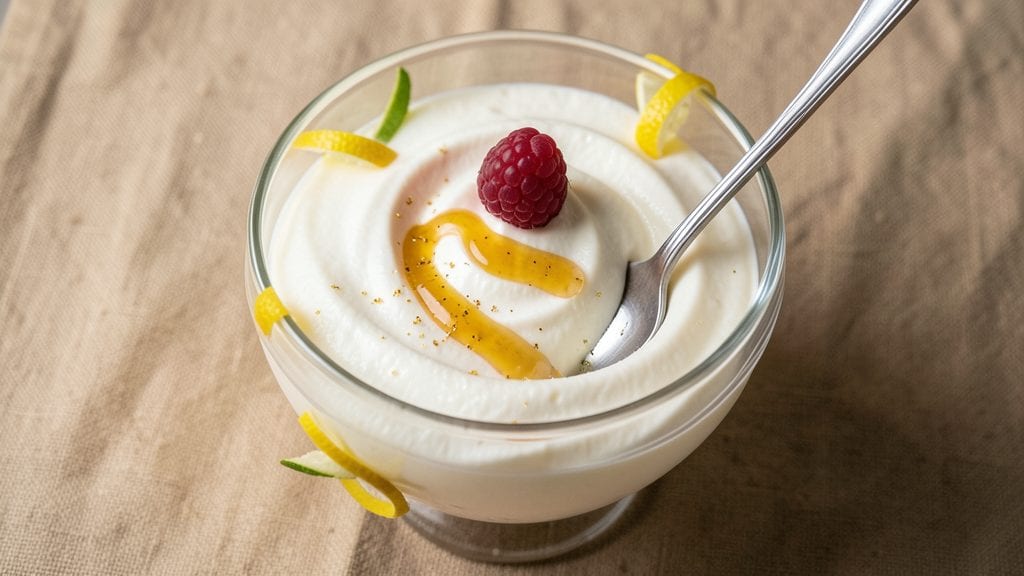
This white mousse recipe delivers ethereal clouds of citrus-infused dessert that disappear from bowls with just a spoonful. The secret lies in perfectly tempered egg whites and a touch of lemon zest that brightens every creamy bite—no heavy cream or chocolate here, just lightness that feels almost sinful.
I developed this version after years of perfecting the balance between structure and airiness, ensuring it stays stable yet effortlessly fluffy.
What makes this recipe stand out is its foolproof technique for achieving that signature light-as-air texture without overmixing or collapsing. The process relies on three key elements: room-temperature eggs, precise whipping, and a 10-minute chilling phase that locks in the structure.
Unlike traditional mousses, this version uses heavy cream sparingly—just enough to bind without weighing down the delicate foam.
By the time you plate it, you’ll have silky-smooth mousse with a velvety finish and a citrus zing that cuts through the richness. The texture is so light it practically melts on the tongue, yet holds its shape beautifully when garnished with fresh berries or a dusting of powdered sugar.
This is dessert that feels luxurious yet simple to prepare—perfect for impressing guests without spending hours in the kitchen.
Serve it chilled as a standalone dessert or pair it with shortbread cookies for an elegant appetizer. The recipe scales effortlessly, making it ideal for parties or special occasions. Here’s how to create it—step by step—for restaurant-quality results at home.
Ingredients for white mousse
Egg whites, citrus zest, and a whisper of cream create this ethereal dessert masterpiece.
| Ingredient | Amount | Notes |
|---|---|---|
| Large Egg Whites 🥚 | 8 whole | Room temperature, separated carefully |
| Heavy Whipping Cream 🥛 | 1 cup | Cold, 36% fat minimum |
| Granulated Sugar 🍚 | 1 cup | Fine, for stable meringue |
| Lemon Zest 🍋 | 1 tbsp | Fresh, finely grated |
| Lemon Juice 🍋 | 2 tbsp | Freshly squeezed, strained |
| Unsalted Butter 🧈 | ¼ cup | Cold, cubed for folding |
| Vanilla Extract 🌸 | 1 tsp | Pure Madagascar preferred |
| Powdered Sugar 🍚 | 2 tbsp | For dusting garnish |
| Diamond Crystal Kosher Salt 🧂 | ¼ tsp | Fine grain, for delicate balance |
| Fresh Berries 🍓 | 1 cup | Raspberries or strawberries |
| Shortbread Cookies 🍪 | 12 whole | Crumbled, for pairing |
The egg whites are non-negotiable—room temperature is critical for maximum volume. Pasture-raised eggs from Whole Foods or your local farm yield superior results, but any high-quality eggs work. Separate them carefully, ensuring no yolk traces remain. For lemon zest, use organic Meyer lemons if available—their sweet-tart balance elevates the citrus notes. The heavy cream must be cold and full-fat (36% minimum); Organic Valley or store-brand heavy cream both perform well. Pre-whisk your bowl and beaters to eliminate moisture residue, which prevents proper aeration.
Substitutions require precision: aquafaba can replace egg whites at double the volume, but texture differs slightly. For dairy-free versions, coconut cream works but lacks stability—fold in 1 tsp agar agar to compensate. If you lack vanilla extract, 1 tsp vanilla bean paste provides deeper flavor. The powdered sugar for garnish can be swapped for turbinado sugar for a textural contrast, though it dissolves more quickly. Berries should be firm and dry—pat them thoroughly to prevent moisture from breaking the mousse structure. For a gluten-free option, ensure your shortbread cookies are certified.
Store prepared mousse in an airtight container with parchment between layers to prevent sogginess. It maintains peak texture for 3 days refrigerated, though flavor peaks within 24 hours. For longer storage, freeze for up to 1 month—thaw overnight in the fridge before serving. The chilling phase is critical: never skip the 10-minute rest before serving, as this allows the proteins to fully set. Garnish with berries and powdered sugar just before serving to preserve presentation. This dessert scales beautifully for events—simply multiply ingredients by 2 and use a stand mixer with the whisk attachment for larger batches.
Why You'll Love This Recipe
- No Whisk Required: I’ll admit, beating egg whites used to stress me out—but this recipe lets you fold them in with a rubber spatula. The cream and sugar do most of the work while you zest that lemon in under a minute. Honestly, it’s the kind of dessert that makes me feel like a baker without the fuss.
- Bright Citrus Pop: That lemon zest and juice? It’s the star. The sugar cuts the acidity just right, and the egg whites give it this light, airy lift that makes every bite feel like a little sunbeam. I’ll be real: I’ve made this for brunch, and people always ask for the recipe before dessert even comes out.
- Weeknight Dessert Hack: Make a big batch on Sunday, and you’ve got effortless treats for the whole week. It keeps in the fridge for days—perfect for when you’re too tired to bake but still want something special. My kids grab it straight from the fridge after school, no questions asked.
- Budget-Friendly Luxury: Heavy cream and sugar might sound fancy, but this recipe uses them smartly—just enough to feel indulgent without breaking the bank. Egg whites are cheap, and a single lemon lasts for multiple batches. It’s the kind of dessert that makes you feel like you’re serving something gourmet without the grocery bill.
Step-by-step instructions for white mousse recipe
Mastering this technique transforms simple ingredients into ethereal, citrus-infused clouds.
Prepare the Meringue Foundation
Separate the 8 whole large egg whites carefully, ensuring no yolk traces remain in the bowl. Use a fine-mesh sieve if needed for purity. Add the 0.25 teaspoon diamond crystal kosher salt and 1 cup granulated sugar to the egg whites. I prefer using a stand mixer with the whisk attachment for this step—it creates more stable structure than hand whipping.
Begin whipping on low speed until soft peaks form, then gradually increase to high speed. You'll notice the mixture transform from frothy to glossy and thick. Continue whipping until the meringue reaches stiff peak stage—when you lift the whisk, the peak should stand straight up without collapsing. This typically takes about 5-7 minutes. The sugar should dissolve completely, leaving no gritty texture. If you see sugar grains, whip for another 30 seconds to ensure full incorporation.
Incorporate Citrus and Cream
In a separate bowl, combine the 1 cup cold heavy whipping cream, 1 teaspoon vanilla extract, 2 tablespoons lemon juice, and 1 tablespoon lemon zest. Whip this mixture until it forms soft peaks—about 2-3 minutes with an electric mixer. The cream should hold its shape when the whisk is lifted but still be slightly fluid.
Gently fold one-third of the meringue into the citrus cream mixture using a spatula, cutting through the center to maintain air incorporation. Then, carefully fold in the remaining meringue in two additions, being meticulous to preserve the airy texture. The goal is to create a smooth, homogenous batter that still maintains some lightness. If you see the mixture deflate completely, you've overmixed—start again with fresh meringue.
Fold in Butter for Stability
Cut the 0.25 cup cold unsalted butter into small cubes and fold them into the meringue mixture using a rubber spatula. Work quickly but deliberately, incorporating the butter in three additions. The butter should melt gently from the residual warmth of the mixture, creating a silky texture. If the mousse begins to curdle, don't panic—simply continue folding until smooth.
This step is crucial for creating the signature velvety texture of the mousse. The butter adds richness while preventing the meringue from becoming too light and fragile. Once fully incorporated, the mixture should be smooth, glossy, and hold its shape when spooned. Taste a small amount—it should be sweet with a bright citrus tang and no raw egg flavor.
Chill and Set
Divide the mousse evenly among 6 serving glasses or ramekins. Place them in the refrigerator and chill for at least 4 hours, preferably overnight. This extended chilling time allows the mousse to set properly, developing its signature light-as-air consistency. The texture should transform from slightly wobbly to firm yet still tender, with a delicate snap when cut.
During chilling, cover the glasses loosely with plastic wrap to prevent surface drying. I like to place them on a tray to catch any potential drips. The mousse should rise slightly as it sets, creating a domed effect that's both visually appealing and texturally satisfying. When ready to serve, the mousse should hold its shape when gently tapped but still melt smoothly on the tongue.
Assemble and Garnish
Just before serving, crumble the 12 whole shortbread cookies into fine crumbs and press them lightly onto the bottom of each serving glass. This creates a flavorful base that contrasts beautifully with the citrus mousse. Spoon the chilled mousse over the cookie crumbs, filling each glass about ¾ full. The contrast between the buttery cookies and bright mousse creates an irresistible textural and flavor experience.
Top each serving with 2 tablespoons powdered sugar dusted lightly over the mousse using a fine-mesh sieve. Add a small cluster of fresh berries on top for both color and acidity. The berries should be whole or cut into large pieces to maintain visual appeal. Serve immediately while the mousse is still slightly chilled—this ensures the perfect balance between firm structure and silky mouthfeel.
Pro Tips For Making White Mousse
- Whip Egg Whites Cold: DESCRIPTION: Pop your mixing bowl and beaters in the freezer for 10 minutes first—cold tools stabilize the whites faster. I learned this the hard way when my meringue collapsed mid-whip because the bowl was warm. Trust me, a little chill makes all the difference with egg whites.
- Sweeten Gradually: DESCRIPTION: Fold in sugar slowly while whipping—start with half, then add the rest in tiny increments. Dumping all the sugar at once kills the volume. My grandmother swore by this, and she was right: patience here means fluffy, not flat.
- Acid First, Cream Later: DESCRIPTION: Whip the heavy cream after folding in lemon juice and zest—this keeps the texture silky, not grainy. I used to mix everything at once, and the result was always too heavy. Separate steps = smoother mousse.
- Rest Before Serving: DESCRIPTION: Let the mousse sit uncovered in the fridge for 30 minutes before serving—this lets flavors meld and prevents a sticky top. I know, I know, you’re eager to dig in, but trust the process. Your future self will thank you.
Wine and beer pairings for this recipe
Crisp White Wine Pairings
For this bright, citrus-infused mousse, reach for a dry Riesling from Germany's Mosel region—its crisp acidity and subtle honeyed notes mirror the lemon zest while cleansing your palate between bites.
I love Dr. Loosen Blue Slate Riesling, which balances the dessert's sweetness with its vibrant minerality. The wine's 12-13% alcohol level prevents it from overwhelming the delicate texture. 🍷
A Champagne or Crémant (French sparkling wine) is another perfect match, as its effervescence cuts through the mousse's richness while enhancing the citrus undertones. Look for Rupert Brut from New Zealand—its green apple and citrus flavors create a beautiful harmony with the dessert's lemon profile.
The bubbles also help reset your palate between spoonfuls, making it ideal for tasting.
Light Beer Complements
A Belgian witbier like Stella Artois Wit brings a refreshing contrast with its coriander and orange peel notes, which complement the lemon zest beautifully. The beer's 5% alcohol and effervescence prevent it from clashing with the mousse's delicate texture. Serve slightly chilled to enhance its citrusy undertones. 🍺
For a more robust option, try a dry cider such as Strongbow Original. The cider's apple acidity and subtle sweetness bridge the gap between the dessert's citrus and buttery shortbread base. The 4.5% alcohol content keeps the pairing light and refreshing, avoiding any heaviness that could overpower the mousse.
Unexpected Coffee Pairing
If you prefer a post-dinner option, a lightly roasted espresso with a 1:10 coffee-to-sugar ratio enhances the mousse's citrus notes without competing. The espresso's acidity complements the lemon zest, while the sweetness balances the dessert's brightness. I recommend a single-origin Ethiopian Yirgacheffe for its floral and citrusy undertones. ☕
Seasonal Adaptations
In summer, pair this mousse with a Sauvignon Blanc from New Zealand, such as Cloudy Bay. The wine's intense citrus and herbal notes amplify the lemon's brightness, creating a refreshing contrast. The 12.5% alcohol level ensures it won't feel too heavy alongside the light dessert. 🌞
For winter gatherings, a late-harvest Riesling with its 14% alcohol and honeyed sweetness provides a luxurious contrast to the mousse's tartness. The wine's residual sugar rounds out the citrus, making it a decadent yet balanced pairing. Château Ste. Michelle Late Harvest Riesling is a crowd-pleaser for this occasion. ❄️
Nutrition facts
Frequently asked questions
Can I make this white mousse without eggs?
Yes, but with adjustments! Replace the egg whites with 1 cup aquafaba (chickpea brine) whipped to stiff peaks, and add 1 tsp agar agar to the cream mixture for stability. The texture will be slightly denser but still light. For best results, use a stand mixer and fold gently to preserve air.
Why did my mousse turn grainy or separate?
This usually happens from overmixing the meringue or not folding ingredients gently. Ensure your egg whites are at room temperature and sugar dissolves completely. When folding, use a spatula to cut through the center—never scrape the bottom. If it separates, whisk the mousse gently to redistribute. For graininess, strain through a fine-mesh sieve before chilling.
How long can I store this mousse before serving?
Store in an airtight container with parchment between layers for up to 3 days refrigerated. For longer storage, freeze for 1 month—thaw overnight in the fridge. The texture remains stable but flavor peaks within 24 hours. Always chill fully before serving to maintain that signature light-as-air consistency.
Can I make this mousse ahead of time for a party?
Prepare it 1 day ahead and store in the fridge. The flavor develops beautifully overnight. Just before serving, garnish with fresh berries and powdered sugar to keep it looking fresh. For large gatherings, double the recipe and use a stand mixer—fold gently to maintain airiness.
What’s the best way to serve this mousse?
Serve chilled in elegant glasses with shortbread crumbs at the base and a dusting of powdered sugar. Add fresh berries for color and acidity. For a sophisticated touch, layer with a raspberry coulis or drizzle with reduced citrus syrup. It works as a standalone dessert or elegant appetizer with sparkling wine.