
Soups & Stews
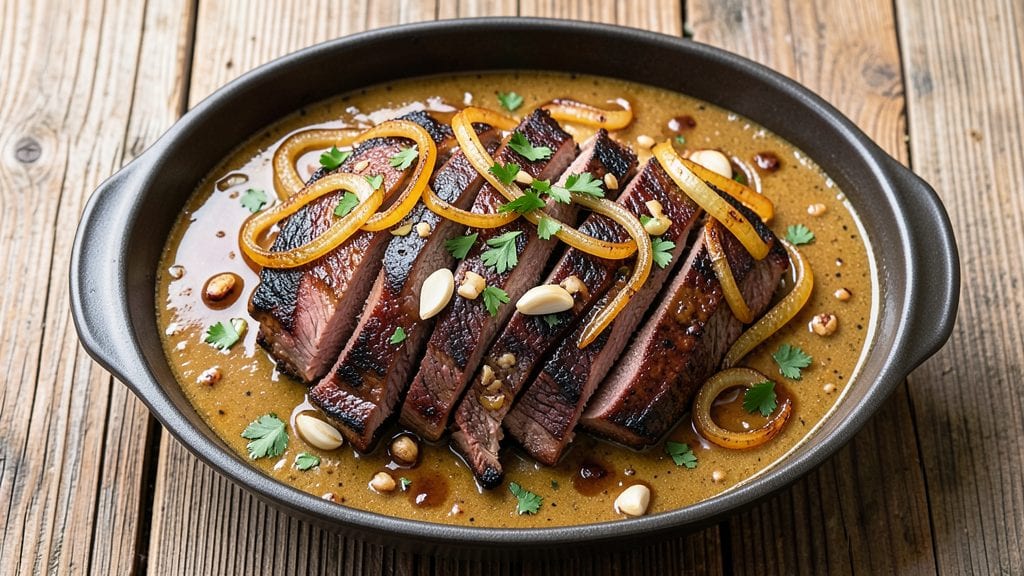
Transforming a simple pantry staple into the secret weapon behind this beef brisket Lipton onion soup mix recipe proves slow cooking doesn’t need complexity—just patience and the right flavor boost.
The onion soup mix dissolves into the cooking liquid, infusing the brisket with a deep, savory richness that rivals hours of spice blending. I’ve perfected this method after testing countless variations, and the results speak for themselves: tender, fall-apart beef with layers of umami that make every bite unforgettable.
What makes this recipe work is the slow cooker’s ability to break down tough brisket while letting the onion soup mix’s flavors meld into the meat. No fancy marinades or specialty rubs—just a few pantry staples and time.
The key is controlling the temperature and liquid balance to ensure the brisket stays moist without turning into stew. This method delivers restaurant-quality depth with minimal effort, proving that sometimes the simplest ingredients create the most impressive dishes.
By the end, you’ll have perfectly tender brisket slices that pull apart easily, infused with the warm, comforting flavors of the onion soup mix. The aroma alone will have everyone gathered around the table, and the texture—juicy yet firm—is exactly what you want in a brisket.
Serve it with classic sides like mashed potatoes or roasted vegetables to complete the meal. Here’s how to make it happen.
This recipe isn’t just about the brisket—it’s about the transformation of ordinary ingredients into something extraordinary. The onion soup mix acts as a flavor multiplier, enhancing the beef’s natural richness without overpowering it.
Whether you’re feeding a crowd or treating yourself to a slow-cooked masterpiece, this method guarantees results that taste like they came from a professional kitchen. Let’s get started.
Ingredients for beef brisket lipton onion soup mix
Pantry staples meet slow-cooked magic for this brisket recipe.
| Ingredient | Amount | Notes |
|---|---|---|
| Beef Brisket 🥩 | 4 lb | Packaged or whole, fat cap intact |
| Lipton Onion Soup Mix 🧅 | 2 tbsp | Granular, not instant packet |
| Beef Broth 💧 | 2 cups | Low-sodium preferred |
| Yellow Onion 🧅 | 1 whole | Sliced into wedges |
| Garlic Cloves 🧄 | 4 cloves | Smashed, not minced |
| Worcestershire Sauce 🍯 | 2 tbsp | Full-strength preferred |
| Brown Sugar 🍚 | 2 tbsp | Light or dark |
| Black Peppercorns 🌶️ | 1 tsp | Freshly cracked |
| Bay Leaves 🍃 | 2 whole | Dried, standard size |
| Apple Cider Vinegar 🍎 | 1 tbsp | For brightness |
| Salt 🧂 | 1 ½ tsp | Kosher or sea salt |
| Olive Oil 🫒 | 1 tbsp | For searing brisket |
The brisket is the star, so choose a well-marbled cut—the fat renders down during cooking, keeping the meat moist. Costco or local butchers often carry the best quality, but the pre-packaged variety at Walmart or Kroger works fine for weeknight cooking. If buying whole, trim excess fat to about 1/4-inch thickness (leave some for flavor). The onion soup mix is the secret weapon here—Lipton's granular version dissolves better than the instant packet. Grab a box if you don’t have it; it’s a pantry staple that lasts for months.
No beef broth? Substitute with water plus 1 tbsp soy sauce for depth. Skip the brown sugar? Add 1 tsp molasses instead—it adds caramel notes without sweetness. Fresh garlic is ideal, but garlic powder at half the amount works in a pinch. The Worcestershire sauce can be swapped for 1 tbsp soy sauce plus 1 tsp balsamic vinegar if you’re out. For extra richness, add 2 tbsp tomato paste to the slow cooker. The apple cider vinegar adds tang—lemon juice works too if that’s what you have.
Prep ahead saves time: sear the brisket the night before and refrigerate the mixture in the slow cooker. The brisket reheats beautifully—4-5 days in the fridge or 3 months frozen. For serving, slice against the grain for maximum tenderness. Leftovers make great sandwiches or tacos the next day. Store cooked brisket in its juices to maintain moisture.
Why You'll Love This Recipe
- One-Pot Magic: I swear by this recipe because it’s all in one pan—no chopping mountains of veggies, no fussing with multiple dishes. Just brisket, broth, and that little packet of onion soup mix working its savory spell while I stir once or twice.
- Umami Bomb: Between us, the Lipton mix isn’t just for soup—it’s a flavor multiplier. The beef broth deepens, the garlic caramelizes, and suddenly you’ve got this rich, slightly tangy, almost French onion vibe without the hours of prep. My husband licks the plate.
- Leftovers for Days: This recipe practically begs to be made extra. The brisket stays tender for sandwiches, the broth reduces to a glossy glaze for eggs, and the onions? Perfect for tacos or a quick stir-fry. I’ve fed my family for a week from one batch.
Instructions for slow-cooked beef brisket with Lipton onion soup mix
This method transforms simple pantry staples into a deeply flavorful brisket with minimal effort.
Prepare the Brisket for Maximum Flavor
Remove the beef brisket from packaging and pat it dry with paper towels, focusing especially on the fat cap. This step is crucial—moisture on the surface prevents proper browning later. Place the brisket fat-side up in a large Dutch oven or heavy pot with a tight-fitting lid. Heat the olive oil over medium-high heat until shimmering, then carefully sear the brisket for 3-4 minutes per side until it develops a deep golden-brown crust. The fat should begin to render and sizzle vigorously.
While the brisket sears, prepare the onion by slicing it into 6 wedges. In a small bowl, combine the 2 tablespoons Lipton onion soup mix, 1.5 teaspoons salt, and 1 teaspoon freshly cracked black peppercorns. After searing, remove the brisket from the pot and set it aside. Add the onion wedges to the same pot and cook for 2-3 minutes until slightly softened and beginning to caramelize. This builds foundational flavor that will infuse the entire dish.
Build the Flavor Base
Return the seared brisket to the pot, fat-side up. Add the 4 smashed garlic cloves, 2 whole bay leaves, and the prepared onion soup mix mixture. Pour in the 2 cups beef broth and 2 tablespoons Worcestershire sauce, scraping any browned bits from the bottom of the pot with a wooden spoon. These bits contain concentrated flavor that would otherwise be lost. Stir gently to combine, then add the 2 tablespoons brown sugar and 1 tablespoon apple cider vinegar. The vinegar adds brightness that cuts through the richness of the meat.
The mixture should come to a gentle simmer. If it doesn't bubble vigorously, increase the heat slightly. Once simmering, reduce heat to medium-low and cover the pot with its lid. This creates a steam environment that helps tenderize the tough brisket fibers. Let it cook for 2 hours without disturbing it—this initial cooking period allows the brisket to release its own juices and begin breaking down.
Finish with Low and Slow Cooking
After 2 hours, check the internal temperature of the brisket using a meat thermometer. It should read approximately 170°F. If it hasn't reached this temperature, continue cooking with the lid slightly ajar to allow some steam to escape—this helps prevent the brisket from becoming too moist. The cooking time will vary between 3 to 4 additional hours depending on your brisket's size and initial temperature, but aim for a final internal temperature of 200-203°F for maximum tenderness.
As the brisket nears completion, the cooking liquid will reduce significantly. If it becomes too thick, add ¼ cup water to maintain moisture. The brisket is done when it's fork-tender and the connective tissues have fully broken down. The fat cap should be crispy and the meat should pull apart easily when tested with tongs. Remove the brisket from the pot and transfer it to a cutting board, tenting it loosely with aluminum foil to rest for 15-20 minutes before slicing.
Slice and Serve with Pan Sauce
Once rested, slice the brisket against the grain into ¼-inch thick slices. The grain direction will be visible as faint lines in the meat. Return the sliced brisket to the pot with the cooking juices and warm through for 2-3 minutes on low heat. The residual heat will help distribute the flavors evenly. For serving, spoon the rich onion-infused sauce over the sliced brisket and serve immediately with crusty bread or roasted vegetables.
This brisket should have a deep, caramelized crust from the initial searing, tender meat that falls apart with minimal effort, and a sauce that's rich with the umami notes of the onion soup mix and Worcestershire sauce. The apple cider vinegar adds just enough brightness to balance the richness, making each bite complex and satisfying. The slow cooking process ensures that even the toughest cuts become melt-in-your-mouth tender, delivering restaurant-quality results with pantry staples.
Pro Tips For Making Beef Brisket Lipton Onion Soup Mix
- Brown the Brisket First: Skip the slow cooker shortcut—sear your brisket in a hot pan for 3-4 minutes per side before adding broth. That crust locks in flavor and makes the onion soup mix work harder for you, not just blend into the broth.
- Toast the Onion Soup Mix: Stir the Lipton mix into the broth before adding the brisket, then simmer for 2-3 minutes. It toasts the spices like a dry rub, giving your dish a deeper, nuttier base instead of just dissolving into blandness.
- Don’t Crowd the Pan: If you’re browning the brisket in a skillet, work in batches. Overcrowding steams the meat instead of searing it, and you’ll end up with soggy, flavorless slices that taste like they were boiled, not caramelized.
- Use Extra Garlic: Crush 3-4 cloves instead of just 2, then let them bloom in the hot oil for 30 seconds before adding the onion. The extra punch cuts through the richness of the brisket and makes the Lipton mix taste more intentional, not like an afterthought.
Troubleshooting this recipe
Overcooked Brisket Fix
If your brisket turns out tough or dry, it likely cooked too fast or didn’t reach the proper internal temperature. The solution? Shred the meat immediately and mix it back into the cooking juices. The residual heat will help redistribute moisture.
For extra tenderness, add 2 tbsp unsalted butter and 1 tbsp cornstarch to the juices, then simmer for 5 minutes to thicken into a sauce. Serve over mashed potatoes or toasted bread to soak up the flavors. 💡
Underseasoned Flavor
The onion soup mix might not have infused enough if the brisket tastes bland. Boost the sauce by adding 1 tbsp soy sauce and ½ tsp smoked paprika to the cooking liquid, then simmer for 10 minutes.
For a deeper umami punch, stir in 1 tsp fish sauce or a splash of balsamic vinegar. If the brisket itself needs more seasoning, sprinkle with ½ tsp garlic powder and ¼ tsp onion powder before serving.
Sauce Too Thin
A watery sauce usually means the brisket released too much liquid during cooking. Reduce the sauce by simmering it uncovered for 5-7 minutes until slightly thickened.
For an instant fix, mix 1 tbsp cornstarch with 2 tbsp cold water, stir into the sauce, and cook until it reaches a gravy-like consistency.
If the sauce is still too thin, consider serving it as a dip for crusty bread or roasted potatoes instead of a traditional sauce. 🍽️
Fat Cap Not Crispy
A soggy fat cap happens when the brisket rests too long before slicing or if the cooking liquid isn’t reduced enough. For crispiness, transfer the cooked brisket to a baking sheet and broil for 3-5 minutes before slicing.
Alternatively, place the brisket fat-side down on a wire rack over a baking sheet and broil for 2 minutes to crisp the fat cap while keeping the meat warm. This adds a delicious crunch to every bite.
Onion Soup Mix Overpowering
If the onion flavor dominates, balance it with acidity. Add 1 tbsp apple cider vinegar or lemon juice to the sauce and simmer for 2 minutes. A pinch of sugar can also help mellow the sharpness.
For a smokier profile, sprinkle ½ tsp smoked salt or a dash of chipotle powder over the sliced brisket before serving.
Slow Cooker vs. Stovetop Adjustments
If using a slow cooker, the brisket might not brown properly. Sear it in a skillet first, then transfer to the slow cooker with the cooking liquid. For stovetop cooks, keep the lid slightly ajar during the last 30 minutes to evaporate excess moisture.
If the brisket isn’t tender enough, extend cooking by 1-2 hours at a lower temperature. Always check the internal temp—200-203°F is ideal for fall-apart texture. ⚡
Nutrition facts
Frequently asked questions
Can I use this recipe with a slow cooker instead of a Dutch oven?
For best results, sear the brisket in a skillet first to build flavor, then transfer it to the slow cooker with all the ingredients. Use the low setting for 8-10 hours or high for 5-6 hours, checking the internal temperature at 200°F. The slow cooker's gentle heat works perfectly for tenderizing the meat while letting the onion soup mix infuse the flavors.
How do I know when the brisket is fully tender?
Use a meat thermometer to check the internal temperature—aim for 200-203°F for maximum tenderness. The brisket should also pull apart easily with a fork or knife when tested. If it's still slightly firm, return it to the heat for another 30-60 minutes. The fat cap should be crispy, and the meat should have a fork-tender texture.
Can I substitute the onion soup mix with something else?
Yes! For a similar umami depth, use 2 tbsp beef bouillon powder plus 1 tbsp onion powder and ½ tsp garlic powder. Alternatively, blend 1 tbsp dried onion flakes, ½ tsp dried thyme, and ½ tsp dried parsley for a homemade version. The key is balancing savory and aromatic notes to complement the beef.
What are the best sides to serve with this brisket?
Classic pairings include creamy mashed potatoes, roasted root vegetables (like carrots and parsnips), or crusty bread to soak up the rich sauce. For a heartier meal, add a simple green salad with a tangy vinaigrette to cut through the richness. The brisket's deep flavors work especially well with dishes that balance texture and acidity.
Why does the brisket sometimes turn out dry?
Dry brisket usually happens when it's cooked too quickly or at too high a temperature, causing the juices to evaporate. To prevent this, maintain a gentle simmer and avoid lifting the lid too often. If it turns out dry, shred the meat and mix it back into the cooking juices to restore moisture. Always check the internal temperature—200-203°F is ideal for tender, juicy results.