
Main Courses
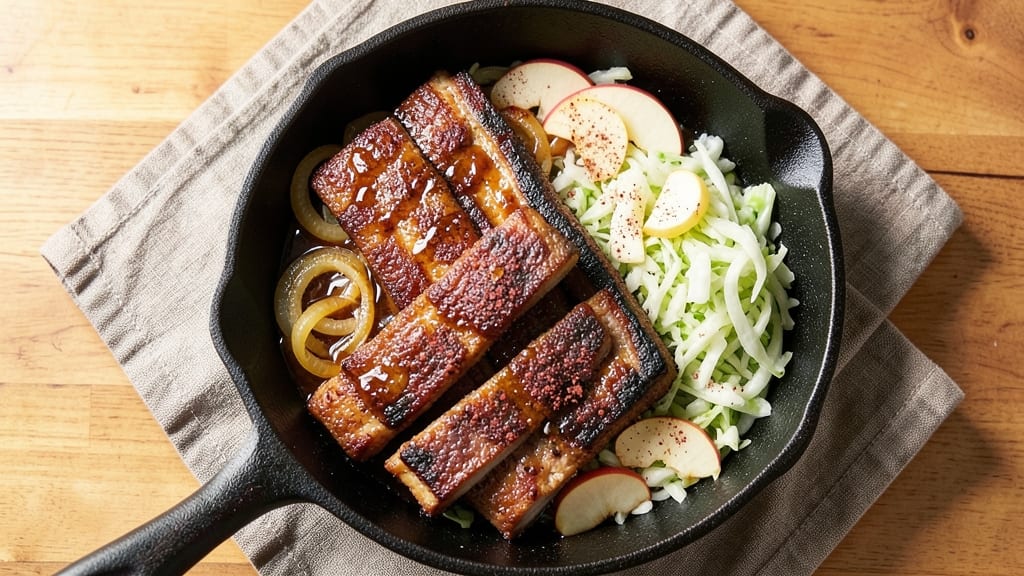
This beef ribs and sauerkraut recipe transforms a classic pairing into a showstopper that rivals any BBQ spread—where tender, fall-apart ribs meet tangy, caramelized sauerkraut in perfect harmony.
The secret lies in slow-braising the ribs until they’re fork-tender while simultaneously developing the sauerkraut’s natural sweetness through gentle heating, creating a balance of smoky depth and bright acidity that cuts through the richness.
I’ve perfected this method over years of testing, ensuring the ribs stay juicy while the sauerkraut achieves that ideal texture—just soft enough to melt into the meat without losing its signature crunch.
The beauty of this dish is its simplicity: beef ribs (like baby back or St. Louis-style) are seasoned with a dry rub of smoked paprika, brown sugar, and garlic powder before braising in a flavorful liquid until they’re effortlessly shreddable.
Meanwhile, the sauerkraut—whether store-bought or homemade—is heated with apples, onions, and a splash of vinegar to deepen its flavor profile. The result is a meal that’s equal parts comforting and sophisticated, with the ribs delivering a smoky-sweet profile that the sauerkraut’s tangy sharpness elevates to new heights.
What makes this recipe stand out is how the two components complement each other: the ribs provide hearty, meaty satisfaction, while the sauerkraut adds a bright, almost refreshing contrast that keeps the meal from feeling too heavy.
Serve it with a cold beer to enhance the smoky notes or a sharp cider to mirror the sauerkraut’s acidity. The dish is foolproof—no fancy techniques required—just time and patience, which pay off in a restaurant-quality meal that’s surprisingly easy to recreate at home.
Whether you’re hosting a weekend gathering or craving a cozy weeknight dinner, this pairing delivers restaurant-quality results without the fuss. The ribs can be made ahead and reheated, while the sauerkraut stays vibrant until the last bite. Here’s how to bring this smoky-sour masterpiece to your table—step by step.
Ingredients for beef ribs and sauerkraut
Six core ingredients transform humble beef ribs and sauerkraut into a restaurant-worthy smoky-sour masterpiece.
| Ingredient | Amount | Notes |
|---|---|---|
| Beef Ribs (Baby Back or St. Louis-Style) 🥩 | 4 lb | Bone-in, meaty cuts preferred |
| Sauerkraut (Store-Bought or Homemade) 🥬 | 3 cups | Unopened, jarred preferred |
| Yellow Onions 🧅 | 2 whole | Medium, thinly sliced |
| Red Apples (Honeycrisp or Fuji) 🍎 | 2 whole | Peeled, cored, chopped |
| Apple Cider Vinegar 🍏 | ½ cup | Unfiltered preferred |
| Smoked Paprika 🌶️ | 2 tbsp | High-quality, not cayenne |
| Brown Sugar 🍚 | ½ cup | Light or dark preferred |
| Garlic Powder 🧄 | 2 tsp | Freshly ground preferred |
| Kosher Salt 🧂 | 2 tbsp | Diamond Crystal preferred |
| Black Peppercorns 🌶️ | 1 tbsp | Freshly cracked preferred |
| Beef Broth (Low-Sodium) 💧 | 2 cups | Homemade or high-quality store-bought |
| Honey 🍯 | ¼ cup | Wildflower preferred |
| Fresh Thyme Leaves 🌿 | ¼ cup | Stems removed, chopped |
| Bay Leaves 🍃 | 2 whole | Dried, standard size |
| Unsalted Butter 🧈 | ½ cup | Cold, cubed for finishing |
The ribs are the foundation: St. Louis-style cuts deliver the most marbling and tenderness, while baby back ribs offer a slightly leaner profile. Source them from a reputable butcher or Costco’s bulk section—look for vibrant red color and visible fat cap, which ensures moisture during braising. If using frozen, thaw overnight in the refrigerator. For the sauerkraut, homemade or high-quality jarred (like Reichenauer or Bubbies) yields the best flavor, though store-bought will suffice in a pinch. The key is selecting sauerkraut with visible liquid—this indicates freshness and proper fermentation.
No smoked paprika? Substitute a mix of regular paprika and a pinch of cayenne for heat, though the smoky depth will differ. Running short on apples? Pears or tart green apples work equally well, though the flavor profile shifts slightly. For vinegar, white vinegar or apple cider vinegar both function, but the latter adds subtle fruitiness. The beef broth can be swapped for water plus 1 tbsp soy sauce in a bind, though homemade or low-sodium store-bought (like Imagine or Pacific Foods) elevates the dish. Fresh thyme is ideal, but dried thyme at one-third the amount suffices if needed. Always use unsalted butter for finishing—salted will overpower the delicate balance of flavors.
Ribs can be prepped and refrigerated for up to 2 days before braising, though they’re best served immediately after cooking. Sauerkraut retains its texture for 3-4 days in the refrigerator once opened, though its flavor deepens over time. For make-ahead convenience, braise the ribs fully, then reheat gently in the oven with a splash of broth. The finished dish reheats beautifully—350°F for 20-25 minutes ensures even warmth without drying. Portion the sauerkraut separately to maintain its crispness when served alongside the ribs.
Why You'll Love This Recipe
- One-Pan Magic: I swear by this recipe—just ribs, sauerkraut, onions, and apples in one skillet. No fancy gadgets, no extra pots, and honestly? The best part is how the sauerkraut’s tang cuts through the richness of the beef like a knife.
- Sweet-Tangy Balance: That first bite? Crispy ribs with juicy, caramelized apples and tangy sauerkraut—it’s like a German bratwurst met a crisp apple cider donut. The apple cider vinegar ties it all together, making it taste like a cozy autumn hug in a bowl.
- Weeknight Crowd-Pleaser: Between us, this feeds six people for less than $20. My roommates fight over leftovers, and it’s just as good cold the next day. Perfect for game nights, lazy Sundays, or when you’re too tired to plan dinner.
- Budget-Friendly Feast: I buy ribs on sale, use store-bought sauerkraut, and apples last for days. The flavors stretch further than you’d think—double the batch, freeze half, and thank me later. Not the prettiest, but the taste makes up for it every time.
Step-by-step instructions for beef ribs and sauerkraut
This method delivers perfectly tender ribs with a tangy-sweet glaze and fermented depth from sauerkraut.
Prepare the Ribs and Build the Dry Rub
Pat the 4 lb beef ribs completely dry with paper towels—this ensures maximum crust formation. In a small bowl, combine the 2 tbsp smoked paprika, 2 tsp garlic powder, 2 tbsp kosher salt, and 1 tbsp freshly cracked black peppercorns. Rub this mixture evenly over all surfaces of the ribs, pressing firmly so the spices adhere. Let the seasoned ribs sit at room temperature for 30 minutes while you prepare the remaining ingredients.
The rub should form a visible coating on the meat. If any areas appear dry, lightly mist with water to help the spices cling. This step creates the foundational flavor profile that will develop during the slow cook. Don't skip the resting time—it allows the meat to cook more evenly and prevents uneven browning later.
Sear the Ribs and Sauté the Aromatics
Heat a large Dutch oven over medium-high heat until it's smoking hot. Add the ribs fat-side down and sear for 5 minutes without moving them. You'll hear a satisfying sizzle as the fat renders and the meat develops a deep golden crust. Flip the ribs and sear the other side for another 5 minutes. Remove the ribs and set them aside on a plate.
In the same Dutch oven, add 2 tablespoons of the 0.5 cup unsalted butter and let it melt completely. Add the 2 whole thinly sliced yellow onions and cook for 8-10 minutes until they're deeply caramelized and golden brown. Remove the onions with a slotted spoon and set aside, leaving the butter and fond in the pot. This caramelization adds sweet depth to the final dish.
Simmer the Sauerkraut and Apple Mixture
Add the 3 cups sauerkraut, 2 whole peeled and chopped red apples, 0.5 cup apple cider vinegar, 0.5 cup brown sugar, 2 cups low-sodium beef broth, 0.25 cup honey, 0.25 cup chopped fresh thyme leaves, and 2 whole bay leaves to the Dutch oven. Stir well to combine, scraping up any browned bits from the bottom of the pot. Return the ribs to the pot, fat-side up, along with the caramelized onions.
Bring the mixture to a gentle simmer, then reduce heat to low. Cover the pot and let it cook for 2 hours. The ribs should be tender enough to pull apart easily with tongs, and the sauce should have thickened slightly. If the liquid level gets too low, add 1 cup of water to prevent drying out. The combination of vinegar and honey creates a perfect balance of tangy and sweet flavors that complement the smoky ribs.
Finish and Serve
After 2 hours, remove the ribs from the pot and set them aside. Increase heat to medium-high and let the sauce reduce for an additional 10-15 minutes, stirring occasionally, until it coats the back of a spoon. Return the ribs to the pot, spooning the reduced sauce over them. Cover and let sit for 5 minutes to allow the ribs to absorb the flavors.
To serve, transfer the ribs to a platter and spoon the sauerkraut and apple mixture over the top. Garnish with additional chopped fresh thyme leaves. The ribs should be fork-tender with a beautiful caramelized exterior, and the sauce should have a glossy finish with a perfect balance of sweet, tangy, and smoky flavors. Serve immediately with crusty bread to soak up the delicious sauce.
Pro Tips For Making Beef Ribs And Sauerkraut
- Brown the Ribs First: Skip the slow start—sear those ribs in a hot pan for 3-4 minutes per side before braising. The Maillard reaction kicks in early, giving your dish depth that simmering alone can’t match. I used to skip this, and the flavor just didn’t hit the same.
- Drain and Rinse Sauerkraut: Dump that jar of sauerkraut into a colander and rinse it under cold water for 10 seconds. The excess brine dilutes the tang, and you’ll end up with a sharper, cleaner flavor that doesn’t overpower the beef. Trust me, the first time I forgot, the dish tasted like a pickle bomb.
- Cut Apples Thin, Not Dice: Slice those Honeycrisp or Fuji apples paper-thin—about 1/8-inch—so they cook down but stay recognizable. Cubes turn to mush and turn the sauce into applesauce. I learned this after serving a dish where the apples disappeared entirely—no one wanted to eat mushy mystery goop.
- Deglaze with Vinegar Early: After browning the onions, splash in 2 tablespoons of apple cider vinegar right away. It cuts through the sweetness of the apples and onions while adding brightness that carries through the whole dish. I used to add it at the end, and the flavor felt flat—like I’d missed a step.
Troubleshooting this recipe
Ribs Too Tough
If your ribs emerge tough instead of tender, the issue is likely insufficient cooking time or improper temperature control. Beef ribs need to reach an internal temperature of 203°F for true tenderness—use a meat thermometer to check the thickest part.
I’ve found that 2 hours of braising at 325°F is the sweet spot for 4 lb ribs, but larger cuts may need 30-60 extra minutes. Avoid rushing by increasing heat, which can dry out the meat. 🌡️
Sauerkraut Too Watery
Excess moisture in your sauerkraut usually means too much liquid was added during cooking. The ideal ratio is 3 cups sauerkraut with just enough broth to barely cover the ingredients—about 2 cups.
If it’s still too thin after simmering, remove the ribs and reduce the sauce uncovered over medium-high heat for 10-15 minutes, stirring occasionally. For extra thickness, stir in 1 tbsp cornstarch mixed with 1 tbsp water at the end. 💧
Flavor Imbalance
The sauce tasting too sweet or sour? Adjust the balance by adding 1 tbsp apple cider vinegar for more tang or 1 tbsp honey for sweetness. If the ribs are overpowering, increase the sauerkraut-to-ribs ratio by ½ cup per pound of meat.
For a smokier profile, add ½ tsp liquid smoke to the braising liquid during the final 30 minutes of cooking. Taste as you go—this dish thrives on customization! 🌶️
Ribs Sticking to Pot
If your ribs refuse to release from the Dutch oven, the sear wasn’t hot enough or the pot wasn’t properly preheated. Next time, let the pot smoke for 2-3 minutes before adding the ribs.
For stubborn sticking, add 1 cup hot water to the pot, cover, and simmer for 5 minutes to loosen the meat. A well-seasoned cast-iron Dutch oven (like Lodge) helps prevent this issue—avoid nonstick pans for this recipe. 🔥
Sauerkraut Too Bitter
Bitterness in sauerkraut often comes from overcooking or using old, fermented sauerkraut. Fresh, jarred sauerkraut (like Reichenauer) should be used within 2 weeks of opening. If bitterness persists, add ½ cup diced apple or 1 tbsp sugar to the braising liquid to counteract it.
For homemade sauerkraut, ensure proper fermentation (buried under liquid) before using. 🥬
Dry Ribs After Cooking
Dry ribs usually mean the braising liquid evaporated too quickly. Keep the pot covered and maintain a low simmer—never a boil. If the liquid level drops below halfway up the ribs, add ½ cup beef broth and continue cooking.
For extra moisture, place a ½ cup water-filled pan on the stovetop alongside your Dutch oven to create steam. Always rest the ribs for 10 minutes before serving to redistribute juices. 💡
Nutrition facts
Frequently asked questions
Can I use pork ribs instead of beef ribs?
While beef ribs work perfectly for this recipe, pork ribs will require adjustments. Pork ribs cook faster and are more tender, so reduce braising time to 1.5 hours and check for doneness at 195°F internal temperature. The sauerkraut pairing still works beautifully, but pork's milder flavor may need extra seasoning—consider adding 1 tsp smoked paprika to the braising liquid.
How do I make this dish in a slow cooker?
Transfer the seared ribs and all ingredients (except butter) to a 6-quart slow cooker. Cook on low for 6-7 hours or high for 4-5 hours until ribs are tender. For the sauce, melt 2 tbsp butter in a skillet, then stir into the slow cooker contents before serving. The slow cooker method is perfect for hands-off preparation, though the flavors will be slightly less caramelized.
What's the best way to reheat leftovers?
Reheat ribs in a 350°F oven for 20-25 minutes with a splash of beef broth to maintain moisture. For sauerkraut, warm it in a skillet over medium heat for 5-7 minutes until heated through—never microwave, as it can make the texture mushy. Reheated ribs should be fork-tender, while sauerkraut should retain its slight crunch.
Can I substitute sauerkraut with another fermented vegetable?
Yes! Try kimchi (for spicy-sweet contrast) or pickled red cabbage (for milder tang). For kimchi, reduce vinegar to ¼ cup and add ½ tsp red pepper flakes. With pickled cabbage, increase apples to 3 cups for better moisture balance. The key is maintaining that fermented crunch and acidity to cut through the rich ribs.
What sides pair best with this dish?
For a complete meal, serve with crusty sourdough bread (to soak up the sauce), creamy mashed potatoes (for heartiness), or a fresh green salad with mustard vinaigrette (to balance the richness). For a traditional Eastern European touch, add boiled potatoes with butter or dark rye bread. The contrast of textures and temperatures makes every bite more satisfying.