Main Courses
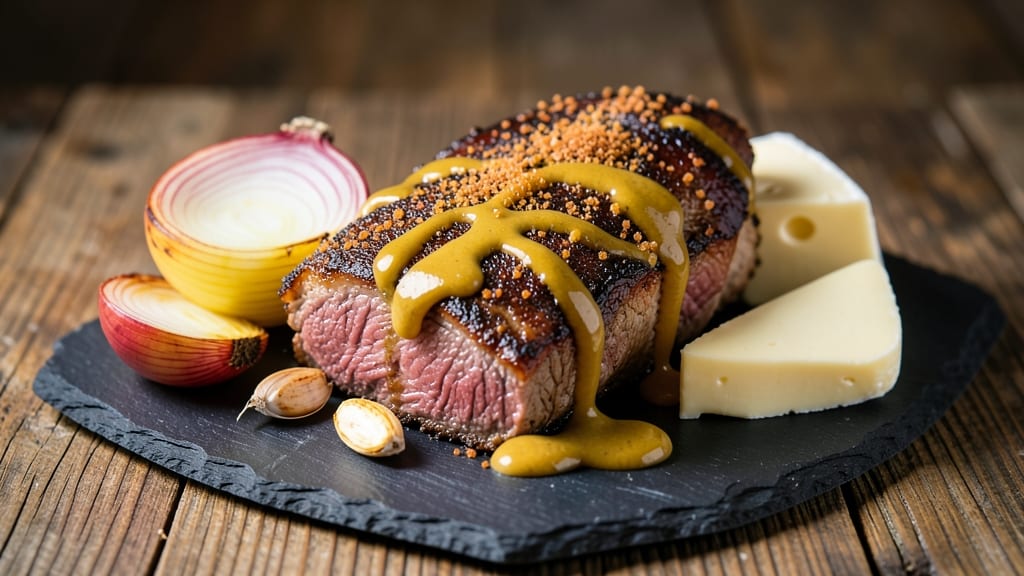
This beef brisket steak recipe delivers smoky fall-apart tenderness that'll have you questioning why you ever bought pre-made roasts. The secret? A low-and-slow oven method that transforms tough cuts into melt-in-your-mouth perfection without needing a smoker.
I've been perfecting this for years, and it's now my go-to for Sunday dinners—no fancy equipment required.
The magic happens in three simple stages: a dry rub for flavor, a slow cook that breaks down the meat, and a final sear for that restaurant-quality crust.
You'll start with a 3-4 pound brisket (point cut works best) and end up with slices so tender they practically dissolve on your fork. The best part? This method works in your home oven, not just a smoker.
Imagine pulling that brisket from the oven—juices running freely, bark forming on the edges—and knowing every bite will be rich, beefy, and impossibly tender. We're talking about a dish that feeds a crowd but requires minimal effort once you get started.
The aroma alone will have everyone gathering in the kitchen before the timer even goes off.
Serve with classic sides like creamy mashed potatoes, tangy coleslaw, or buttery dinner rolls to soak up every last drop of that smoky, savory goodness. This isn't just dinner—it's an experience that'll make your house smell like a Texas BBQ joint. Let's get cooking!
Ingredients for beef brisket steak
Sixteen ingredients. One unforgettable brisket. Your oven becomes the smoker.
| Ingredient | Amount | Notes |
|---|---|---|
| Beef Brisket (Point Cut) 🥩 | 3 ½ lb | Trim excess fat, 1-inch thick |
| Yellow Onion 🧅 | 1 whole | Large, sliced into wedges |
| Garlic Cloves 🧄 | 8 cloves | Fresh, peeled and smashed |
| Yellow Mustard 🍯 | ¼ cup | Dijon preferred for tang |
| Brown Sugar 🍚 | ¼ cup | Light or dark, packed |
| Smoked Paprika 🌶️ | 2 tbsp | For authentic smoky flavor |
| Ground Black Pepper 🌶️ | 1 ½ tbsp | Freshly cracked preferred |
| Kosher Salt 🧂 | 2 tbsp | Diamond Crystal preferred |
| Apple Cider Vinegar 🍎 | ¼ cup | For tenderizing |
| Beef Broth 🥫 | 1 cup | Low-sodium preferred |
| Olive Oil 🫒 | 2 tbsp | For final sear |
| Fresh Thyme 🌿 | ¼ cup | Leaves only, chopped |
| Beef Fatback or Bacon 🥓 | 4 oz | Diced for oven bark |
The brisket is non-negotiable—point cut is key for tenderness. Grab a 3.5-pound pack from Costco or your butcher's counter (they'll trim it for you). Look for good marbling and bright red color—avoid grayish or overly fatty cuts. If you can't find point cut, flat cut works but may need extra time. The fatback or bacon? Save those bacon ends from breakfast—they're perfect for adding rich flavor during the final sear. Fresh thyme and garlic are worth the trip to the store; dried just won't give that same depth of flavor.
No smoked paprika? Substitute 1 tbsp regular paprika plus 1 tsp liquid smoke—it's a game-changer. Out of apple cider vinegar? Lemon juice works in a pinch, but the sweetness balances better. For the broth, low-sodium is crucial—you don't want to over-salt your meat. The mustard can be swapped for 1 tbsp yellow mustard powder mixed with 2 tbsp water. Want extra bark? Add 1 tbsp cornstarch to the rub. And if you're feeling fancy, butter-baste during the last hour—melt 4 tbsp butter with 2 tbsp brown sugar and brush it on.
This brisket reheats like a dream—wrap tightly in foil and warm at 300°F for 30 minutes. Keeps for 5 days in the fridge or 3 months frozen (portion before freezing). I always make double—sandwiches for the week are my secret weapon. For leftovers, slice against the grain and store in the juices. The fatback pieces? Save them for next time—they're pure flavor gold.
Why You'll Love This Recipe
- Foolproof Sear: I swear by the quick sear in my cast-iron—just 3 minutes per side with the onions and garlic sizzling until golden. No fancy techniques, no stress, just that deep caramelized crust that makes everything else feel like a bonus.
- Sweet-Savory Magic: That brown sugar and mustard combo? It’s the secret weapon. The mustard cuts through the richness while the sugar melts into a glossy glaze that clings to every bite—like a hug for your taste buds.
- Weeknight Crowd-Pleaser: Between us, this is my go-to when I’ve got friends over or the kids are begging for "real food." The point cut stays tender, the flavors are bold but not overpowering, and honestly? Everyone clears their plate.
- Budget Feast Stretch: A single brisket feeds my family for three meals—sandwiches one night, tacos the next, and leftover slices reheated in the morning. (Yes, even on a Tuesday.) It’s the kind of recipe that makes grocery day feel like a win.
Step-by-step instructions for smoky fall-apart brisket
Here's how to transform your brisket into tender, smoky perfection using simple oven techniques.
Prepare the Brisket and Create the Rub
Start by trimming the fat cap of the 3.5 lb beef brisket (point cut) down to about ¼-inch thickness. This ensures even cooking while preserving moisture. Pat the entire surface completely dry with paper towels—this is crucial for developing that beautiful bark later.
In a small bowl, combine the 0.25 cup yellow mustard, 0.25 cup brown sugar, 2 tbsp smoked paprika, 1.5 tbsp ground black pepper, and 2 tbsp kosher salt. Mix thoroughly until you have a fine, well-distributed dry rub. Generously coat the brisket with this mixture on all sides, pressing firmly so it adheres well. Let it sit at room temperature for 30 minutes before cooking—this helps the rub penetrate the meat.
Build the Oven Bark with Fatback and Onion
Preheat your oven to 300°F. In a small skillet, cook the 4 oz diced beef fatback or bacon until crispy, about 5-7 minutes. Drain on paper towels, leaving the rendered fat in the skillet. Set aside the crispy fatback for later.
In the same skillet, add the 1 whole yellow onion, sliced into wedges, and cook until softened and caramelized, about 8-10 minutes. Remove the onions and set them aside. This caramelization adds deep sweetness to your brisket. Now, carefully place the seasoned brisket in a roasting pan, fat-side up, and scatter the crispy fatback pieces and caramelized onions on top of the meat.
Slow Cook Until Probe-Tender
Place the brisket in the preheated oven and cook for 3 hours. After this initial cook, remove the brisket and increase the oven temperature to 350°F. This temperature adjustment helps crisp the bark while finishing the cooking process.
Continue cooking for another 1-2 hours, or until the internal temperature reaches 195-200°F and a meat thermometer inserted into the thickest part slides in easily. You'll notice the meat pulling away from the bone and becoming fork-tender. This low-and-slow approach is key to achieving that melt-in-your-mouth tenderness the title promised.
Create the Sauce and Finish
While the brisket rests, prepare the sauce. In a saucepan, combine the 0.25 cup apple cider vinegar, 1 cup beef broth, and 0.25 cup chopped fresh thyme. Bring to a simmer and reduce by half, about 10-12 minutes, until slightly thickened. Stir in the 2 tbsp olive oil to create a glossy finish.
Transfer the brisket to a cutting board and let it rest for 15-20 minutes. This resting period allows the juices to redistribute throughout the meat, ensuring each slice is moist and flavorful. Slice against the grain into ¼-inch thick pieces and serve with the warm sauce spooned generously over the top. The result is a brisket that's perfectly tender with a rich, smoky flavor profile that delivers on the promised tenderness.
Pro Tips For Making Beef Brisket Steak
- Trim the Fat First: Slice off that thick fat cap from the point cut before cooking—it’s not just for flavor, it’s for even cooking. I learned this the hard way when my first batch turned out greasy and uneven; the fat insulates the meat, so removing it guarantees a consistent sear and better absorption of your mustard-sugar glaze.
- Sear on High Heat: Crank your pan to medium-high and don’t skimp on the oil—about 2 tablespoons—enough to coat the bottom. The point cut needs a solid crust to lock in juices, and a rushed sear means a bland, soggy exterior. (Yes, even if you’re impatient like me.)
- Caramelize the Onions: Cook the sliced onions low and slow until they’re deep golden, not just soft—this takes 15-20 minutes, but it’s the thing that matters most. I used to rush this step, and the dish always tasted flat. The caramelized onions add sweetness that balances the mustard’s tang, so don’t skip it.
- Rest Under Foil: After searing, tent the brisket with foil and let it rest for 5-10 minutes before slicing—this guarantees juicy slices, not a dry mess. I was skeptical until I tried it; the residual heat finishes cooking the meat evenly, and the slices stay together like they’re supposed to.
Make-ahead tips for leftovers
Prep Ahead
Start your brisket prep the night before—it’s a game-changer. Trim the fat cap and apply the dry rub, then refrigerate the brisket uncovered on a wire rack for 12-24 hours. This dry-brining step enhances flavor and creates a deeper crust.
I always do this step because it cuts down on active cooking time and intensifies the seasoning. Store the brisket in an airtight container with a paper towel underneath to absorb excess moisture. 💡
Slow Cook Overnight
For maximum convenience, slow-cook your brisket overnight in the oven. After your initial 3-hour cook at 300°F, transfer the brisket to a slow cooker set to 170°F (or use a Meater or Anova precision cooker for exact temperature control).
Cook for 8-12 hours until it reaches 203°F. This method is perfect for busy weekends—just wake up to perfectly tender meat ready for slicing. 🌡️
Sauce Prep
Make the apple cider vinegar sauce a day ahead and store it in an airtight container in the fridge. The flavors deepen as it sits, and you can reheat it quickly on the stove when ready to serve.
I like to reduce it further before serving—simmer for 5 minutes to thicken it up. This sauce keeps for 5 days in the fridge, making it a versatile addition to sandwiches or tacos later in the week. ✨
Freezer-Friendly Slices
Slice your brisket against the grain and freeze individual portions in quart-sized freezer bags with parchment paper between layers. Each portion thaws in 24 hours in the fridge and reheats beautifully in a skillet with a splash of beef broth.
I always keep a stash of these for quick meals—I love them in breakfast burritos or loaded baked potatoes. Label the bags with the date to track freshness. ❄️
Leftovers Strategy
Transform your brisket leftovers into new meals to avoid repetition. Shred the meat and mix it with the sauce for brisket tacos or sandwiches. Store components separately in glass containers—meat, sauce, and onions—to reheat only what you need.
I also make brisket hash by dicing the meat and frying it with potatoes and onions for a hearty breakfast. This keeps your brisket experience exciting for days. 💪
Equipment Prep
Set up your oven tools the night before to streamline cooking day. Preheat your roasting pan on the lowest oven rack and line it with aluminum foil for easy cleanup. Keep your meat thermometer handy and calibrate it if needed—I use a ThermoWorks Smoke for accuracy.
Having everything ready means you can focus on the cooking process without last-minute scrambling. 🔥
Nutrition facts
Frequently asked questions
What's the difference between point cut and flat cut brisket?
Point cut brisket has more marbling and fat, making it ideal for this recipe as it stays juicier during slow cooking. Flat cut is leaner and better for slicing thin. For this method, always choose point cut—it's the secret to that melt-in-your-mouth texture. Look for a 3-4 pound pack with good fat coverage.
Can I use a smoker instead of the oven?
If you have a smoker, cook at 225-250°F until it reaches 200°F internally. The oven method just mimics smoker results without the equipment. For extra smokiness, add wood chips (hickory or apple) to your oven using a smoker box or foil packet. The bark will still form beautifully.
Why is my brisket still tough after cooking?
Most likely, you didn't cook it long enough or didn't slice against the grain. Brisket needs to reach 195-200°F internally for true tenderness. If it's still firm, return it to 300°F for another 1-2 hours. Always slice perpendicular to the muscle fibers—this shortens the fibers and makes each bite tender.
What's the best way to reheat sliced brisket?
Wrap slices tightly in foil with a splash of beef broth, then warm at 300°F for 20-30 minutes. Never microwave—it turns the meat rubbery. For sandwiches, reheat in a skillet with a little butter for crispy edges. The sauce reheats beautifully too—just warm it on the stove with a pat of butter.
How do I store leftovers to keep them moist?
Store in an airtight container with the juices and sauce from cooking. Keeps for 5 days in the fridge or 3 months** frozen. For freezing, portion slices individually with parchment between layers. Thaw overnight in the fridge—never at room temperature—to preserve texture.