
Soups & Stews
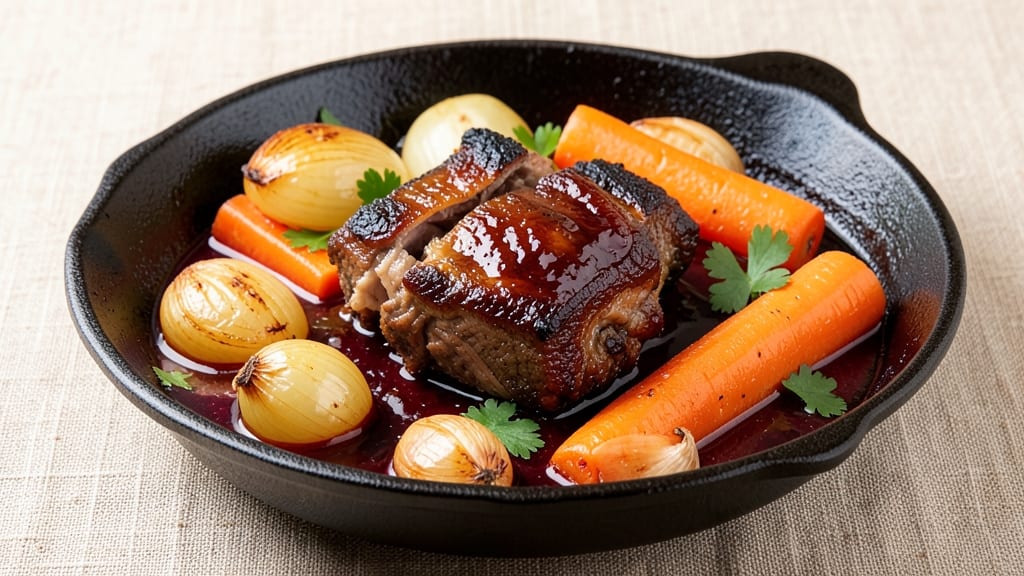
Transforming tough cuts into a luxurious slow-braised beef hock dish reveals the true potential of this underrated ingredient. This recipe delivers melt-in-your-mouth tenderness with a rich, gelatinous bite that elevates any dinner table.
The key lies in patience—low temperatures and long braising times break down collagen into silky, flavorful gelatin that transforms the texture completely.
What sets this recipe apart is the balance of umami depth and tender perfection. We'll use a simple marinade of soy sauce, garlic, and aromatics to jumpstart flavor before slow-braising in red wine and broth.
The result is beef so tender it nearly dissolves, with a sauce so rich it coats every bite. This isn't just comfort food—it's a restaurant-quality centerpiece that comes from your own kitchen.
By the time you serve this dish, you'll have a pot filled with deeply flavorful beef that practically falls apart at the touch. The sauce will be thick and velvety, infused with all the aromatics from hours of slow cooking.
This recipe transforms what might seem like a challenging cut into a showstopping main course that pairs beautifully with crusty bread to soak up every last drop.
The beauty of this method is its versatility—use it for hearty weeknight dinners or special occasions. The leftovers reheat beautifully, making it perfect for meal prep. Let's create a dish that will impress even the most discerning eaters while keeping the process straightforward and professional.
Ingredients for beef hock
Pantry staples plus one special ingredient—beef hock—that transforms into restaurant-worthy tenderness.
| Ingredient | Amount | Notes |
|---|---|---|
| Beef Hock 🥩 | 2 lbs | Fresh, untrimmed for collagen |
| Red Wine 🍷 | 1 ½ cups | Bold, dry variety like Cabernet |
| Beef Broth 💧 | 2 cups | Homemade or high-quality store-bought |
| Garlic Cloves 🧄 | 6 cloves | Peeled, smashed for maximum flavor |
| Yellow Onion 🧅 | 1 whole | Chopped into large chunks |
| Carrots 🥕 | 4 whole | Cut into large chunks with peel |
| Celery Stalks 🌿 | 3 whole | Cut into 2-inch pieces |
| Fresh Thyme 🌿 | 2 sprigs | Or 1 tsp dried thyme |
| Bay Leaves 🍃 | 2 whole | Dried, standard size |
| Soy Sauce 🍶 | ¼ cup | High-quality, dark soy preferred |
| Tomato Paste 🍅 | 2 tbsp | Smooth, not chunky |
| Olive Oil 🫒 | 2 tbsp | Extra-virgin for richness |
| Salt 🧂 | 1 ½ tsp | Diamond Crystal kosher salt |
| Black Peppercorns 🌶️ | 1 tsp | Freshly cracked |
| Balsamic Vinegar 🍷 | 1 tbsp | For finishing touch |
The beef hock is the star, so source it from a reputable butcher—look for vibrant color and good marbling. Costco or Whole Foods often carry it pre-packaged, but local butchers might offer better quality. The red wine should be bold and dry—Cabernet Sauvignon or Merlot work perfectly. For the broth, homemade is ideal, but quality store-bought like Kitchen Basics or Pacific Foods will do in a pinch. Fresh thyme and bay leaves add depth, so don't skimp on these aromatics—they're what make this dish sing.
No red wine? Substitute beef broth with an extra splash of balsamic vinegar for depth. Short on thyme? Dried thyme at one-third the amount works, but fresh is always better. The tomato paste can be swapped for crushed tomatoes if needed, though it won't be as concentrated. For the carrots and celery, frozen works in a pinch, but fresh gives the best texture. If you're using pre-chopped veggies, check for no added salt—we're controlling that ourselves. The beef hock can be trimmed of excess fat if you prefer, but leave some for flavor.
This dish tastes even better the next day as the flavors meld. Store in the fridge for up to 5 days or freeze for 3 months—it reheats beautifully. For meal prep, portion into containers with some sauce to keep it moist. The sauce thickens as it cools, so add a splash of broth or water when reheating if it's too stiff. Serve with crusty bread to soak up every last drop of that rich, gelatinous sauce.
Why You'll Love This Recipe
- One-Pot Magic: I swear by this—just toss everything in a slow cooker and walk away. The beef hock melts into tender perfection while you’re doing anything else, and honestly? That’s my kind of cooking.
- Wine-Infused Richness: Between us, the red wine and beef broth create a sauce so deep and savory it’ll make you close your eyes. The onions caramelize right in the pot, adding that sweet, jammy depth that turns this into a dish, not just a meal.
- Leftovers That Shine: This recipe practically begs to be made in bulk—reheat the next day, and it’s even better. My freezer’s always stocked with portions because I can’t resist adding it to fried rice or noodles later. (Yes, even on a Tuesday night.)
- Budget Meal, Big Impact: Beef hock is the unsung hero of affordable cuts—cheap, flavorful, and packed with meat. One hock feeds four, and the wine and broth stretch into something restaurant-worthy without breaking the bank. My wallet and my taste buds thank me.
Step-by-step instructions for slow-braised beef hock
Here's how to transform tough beef hock into melt-in-your-mouth perfection with deep umami flavor.
Sear the Beef Hock for Maximum Flavor
Heat a heavy Dutch oven over medium-high heat until very hot. Add the 2 lbs beef hock and sear on all sides until deeply browned, about 8-10 minutes total. This step develops the Maillard reaction, creating that rich, caramelized crust that carries through the entire braise.
Don't rush this process - you'll know it's ready when the hock releases easily from the pan and has achieved a deep mahogany color. If you notice the fat burning before you get even browning, reduce the heat slightly and continue searing. The rendered fat will become your braising liquid foundation.
Build the Aromatic Base with Vegetables and Wine
Remove the seared beef hock and set aside. In the same Dutch oven, add 2 tbsp olive oil and heat over medium heat. Add the chopped yellow onion, carrots, and celery stalks, cooking for 5-6 minutes until softened but not browned. This creates your sofrito base that will infuse the braising liquid.
Add the 6 cloves smashed garlic and cook for 30 seconds until fragrant. Immediately pour in the 1.5 cups red wine, scraping up any browned bits from the bottom of the pan. This deglazing captures all the flavor you worked so hard to develop during searing. Let the wine reduce by half before proceeding - you'll know it's ready when it's syrupy and reduced to about ½ cup.
Create the Braising Liquid with Broth and Seasonings
Return the beef hock to the Dutch oven. Add the 2 cups beef broth, 0.25 cup soy sauce, 2 tbsp tomato paste, 1.5 tsp salt, and 1 tsp cracked black peppercorns. Stir to combine, making sure all surfaces of the hock are coated with the liquid. The tomato paste will help thicken the braise slightly and add depth of flavor.
Add the 2 sprigs fresh thyme and 2 whole bay leaves. Bring the liquid to a gentle simmer, then immediately reduce heat to low. The liquid should bubble gently but not boil vigorously. Cover the Dutch oven and let it cook for 2 hours, maintaining this low simmer. This slow cooking time is crucial - it allows the collagen in the hock to break down into gelatin, creating that luxurious, fork-tender texture.
Finish with Balsamic and Develop the Gelatinous Texture
After 2 hours, check the beef hock for tenderness. It should be fork-tender, with the meat pulling away from the bone easily. If it's not quite there, continue cooking for another 30-60 minutes. The meat should have a rich, mahogany color and be falling off the bone.
Remove the beef hock and set it aside to rest. Skim any excess fat from the surface of the braising liquid, then add the 1 tbsp balsamic vinegar. Simmer the liquid uncovered for 5-7 minutes to reduce it slightly and concentrate the flavors. The balsamic will add a touch of sweetness that balances the deep umami flavors.
Serve with Rich, Gelatinous Braising Liquid
Return the beef hock to the Dutch oven and let it soak in the braising liquid for 5 minutes to reabsorb some of the flavorful juices. To serve, carefully transfer the hock to a platter, spooning some of the braising liquid over the top. The gelatinous quality of this braise is what makes it special - it should coat your fork and have a luxurious mouthfeel.
Serve the beef hock with some of the braising liquid ladled over the top, along with crusty bread to soak up every last drop. This dish is at its best when served immediately, with the meat warm and the braising liquid at its peak flavor concentration. The combination of tender meat, rich gelatinous sauce, and aromatic vegetables creates a truly memorable eating experience.
Pro Tips For Making Beef Hock
- Brown the Hock First: Skip the slow start—sear the beef hock in batches over medium-high heat until deep brown, about 5-7 minutes per side. This locks in flavor and prevents the broth from tasting bland later. (Yes, even if it looks messy, that crust is gold.)
- Deglaze Aggressively: After browning, don’t just splash in wine—scrape the fond off the pan with a wooden spoon while adding the wine. Let it bubble for 2 minutes before adding broth. This pulls every bit of flavor into the sauce, not just the surface.
- Simmer, Don’t Boil: Keep the broth at a gentle simmer (tiny bubbles, occasional skimming) for the first hour. Boiling toughens the collagen and makes the meat rubbery. I used to rush it—now I set a timer and walk away.
- Strain the Broth: After 3 hours of cooking, strain the broth through a fine-mesh sieve into a clean pot. This removes sediment and lets you reduce it faster without burning. (Your future self will thank you for not skimming this step.)
Dietary considerations for this beef hock
Gluten-Free Adaptation
This recipe is naturally gluten-free, but always double-check your ingredients. The beef broth should be certified gluten-free—I recommend Pacific Foods or Kitchen Basics brands. For the soy sauce, swap regular soy sauce for tamari or a certified gluten-free soy sauce like San-J Tamari.
The tomato paste, wine, and other ingredients are typically gluten-free, but verify labels if you're highly sensitive. 🌱
Dairy-Free Considerations
This dish doesn't contain any dairy naturally, making it perfect for those avoiding lactose. However, if you're serving with crusty bread, opt for a dairy-free version like Schär or Canyon Bakehouse.
The braising liquid is rich and flavorful on its own, so no dairy substitutes are needed for the main dish. Always check bread labels for milk derivatives if you're particularly sensitive. 🥖
Low-Sodium Options
For a lower-sodium version, reduce the 1.5 tsp salt to 1 tsp or omit it entirely. Boost flavor with extra garlic, thyme, and black peppercorns instead. Use a low-sodium beef broth like Swanson Low Sodium or Imagine Foods to cut additional salt.
The soy sauce can be replaced with coconut aminos for a completely sodium-free alternative. 🧂
Vegetarian Substitutes
If you're avoiding meat but want a similar gelatinous texture, try portobello mushrooms or hearts of palm as substitutes. For umami depth, add mushroom powder or liquid smoke to the braising liquid. While not identical, these options capture some of the rich, savory essence of beef hock. 🍄
Allergen-Friendly Adjustments
For nut allergies, ensure all ingredients are nut-free—some broths or tomato pastes may contain hidden traces. If you're allergic to celery, substitute with fennel or omit it entirely.
For garlic allergies, use asafetida (hing) as a flavorful alternative. Always read labels carefully, especially for processed ingredients like broth and soy sauce. 🚫
Protein Alternatives
For a different protein source, try chicken thighs or pork hocks—they work similarly in braising techniques. The cooking time will vary slightly, so monitor tenderness closely.
If using chicken, reduce the braising time to 1.5-2 hours for optimal texture. The gelatinous quality will differ, but the method remains the same. 🍗
Nutrition facts
Frequently asked questions
What makes beef hock different from regular beef cuts?
Beef hock is the lower leg joint of cattle, packed with connective tissue and collagen that transforms into luxurious gelatin when slow-cooked. Unlike lean cuts, it stays tender when braised for hours—ideal for rich stews or braises. The gelatinous texture adds depth to sauces, making it perfect for hearty dishes.
Can I use frozen beef hock instead of fresh?
Yes, but thaw it completely in the refrigerator for 24-48 hours before cooking. Never thaw at room temperature, as this promotes bacterial growth. Pat dry after thawing to ensure proper browning during searing. The texture and flavor remain excellent when frozen hock is properly handled.
How do I know when the beef hock is fully tender?
Use a fork to pierce the thickest part—it should slide in effortlessly with minimal resistance. The meat should pull away from the bone easily and have a rich, mahogany color. If it's still tough after 3 hours, extend the cooking time by 30-minute increments until tender.
What can I do with leftover braising liquid?
Strain and reduce it into a rich glaze for roasted vegetables, or use as a base for mashed potatoes. Freeze in ice cube trays for later use in soups or sauces. The gelatinous quality makes it perfect for thickening gravies or enriching risottos. Every drop is packed with flavor!
Is this recipe suitable for a slow cooker?
After searing, transfer everything to a slow cooker and cook on low for 8-10 hours or high for 5-6 hours. The low-and-slow method enhances tenderness and flavor. Just monitor the liquid level—add broth if needed to prevent drying out.