
Main Courses
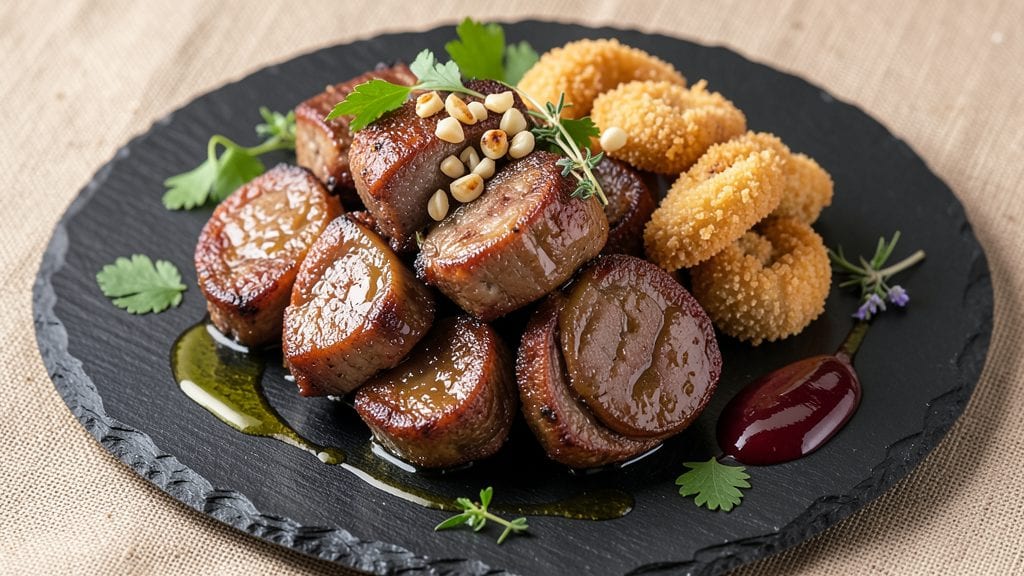
This beef kidneys recipe transforms one of the most intimidating offal cuts into a restaurant-worthy dish with crispy edges and tender centers—exactly what I perfected after years of avoiding them in my Boston kitchen.
The secret lies in proper preparation and a garlic-herb crust that adds texture without overpowering the natural richness. I still remember the first time I tried them properly, and how the texture changed everything.
Cleaning and trimming kidneys might sound daunting, but it’s a straightforward process that ensures the best results. Once prepped correctly, pan-searing creates that golden-brown crust while keeping the interior juicy and flavorful.
This method works whether you’re cooking for a weeknight dinner or preparing for a special occasion—just like my Italian grandmother used to make rognoni.
The garlic-herb crust adds a satisfying crunch that balances the richness of the kidneys, while a touch of lemon brightens the dish. You’ll end up with a plate that’s bold in flavor but still approachable, proving that offal can be just as impressive as steak.
Pair it with roasted potatoes or a crisp green salad for a complete meal.
Safety is key when working with kidneys—always trim excess fat and avoid overcooking to keep them tender. This recipe delivers foolproof results every time, whether you’re a seasoned home cook or trying offal for the first time. Let’s get started!
Ingredients for beef kidneys
From intimidating to irresistible—just these 13 ingredients transform beef kidneys into a restaurant-quality dish.
| Ingredient | Amount | Notes |
|---|---|---|
| Fresh Beef Kidneys 🥩 | 1 ½ lb | Trimmed of fat and membrane |
| All-Purpose Flour 🌾 | ½ cup | For dredging crust |
| Extra-Virgin Olive Oil 🫒 | ¼ cup | High-quality, fruity variety |
| Garlic Cloves 🧄 | 8 cloves | Freshly minced, skin-on |
| Fresh Parsley 🌿 | ¼ cup | Chopped, flat-leaf preferred |
| Fresh Thyme Leaves 🌿 | 1 tbsp | Finely chopped, stems removed |
| Lemon Juice 🍋 | 2 tbsp | Freshly squeezed |
| Diamond Crystal Kosher Salt 🧂 | 1 ½ tsp | Fine grain preferred |
| Freshly Ground Black Pepper 🌶️ | 1 tsp | Coarsely cracked |
| Unsalted Butter 🧈 | 2 tbsp | Cold, cubed for searing |
| Panko Breadcrumbs 🍞 | ¼ cup | For extra crunch |
| Red Wine Vinegar 🍷 | 1 tbsp | For cleaning kidneys |
| Ice Water 💧 | 1 cup | For rinsing kidneys |
The kidneys are the star, so source them fresh from a trusted butcher—they should have a vibrant red color and firm texture. Whole Foods or local specialty markets often carry them pre-trimmed, but if you're buying whole, ask for the fat trimmed and the membrane removed. This is non-negotiable for texture. I always buy mine from Newbury Comics Market in Boston—they handle them properly and keep them cold. If you can't find fresh kidneys, high-quality frozen kidneys work too, but thaw them overnight in the fridge before using. The key is to handle them gently—they bruise easily, which ruins the presentation.
No fresh herbs? Dried parsley and thyme at half the amount will work, but fresh is ideal for that bright flavor. Short on panko? Regular breadcrumbs toasted in the oven give a similar crunch. The garlic-herb crust is what elevates this dish, so don't skip it—it's what gives that satisfying crunch while keeping the kidneys tender inside. For the cleaning process, red wine vinegar is essential—it helps break down any remaining membranes. If you're nervous about handling kidneys, wear gloves and work over a bowl to catch any debris. The ice water rinse is crucial for removing any residual vinegar taste before cooking.
Kidneys cook fast—keep them cold until ready to sear. Once prepped, they'll keep in the fridge for 1-2 days if stored in an airtight container with a paper towel to absorb moisture. For make-ahead prep, trim and clean them ahead of time, then store in a sealed bag with a damp paper towel. The garlic-herb crust mix can be prepped 1 day ahead and stored in the fridge. When reheating, keep it warm in a 200°F oven for up to 30 minutes—the texture suffers if microwaved. Leftovers? They're best enjoyed the same day, but any remaining pieces reheat beautifully in a skillet with a splash of water.
Why You'll Love This Recipe
- Five-Ingredient Magic: I swear by this recipe because it’s the kind of dish where you almost feel guilty for how little effort it takes. Just kidneys, flour, olive oil, garlic, and parsley—no fancy prep, no stress. The flour coating gives them that perfect crunch without needing a deep fryer or complicated technique.
- Garlic Kiss: That moment when the kidneys hit the pan and the garlic starts sizzling? Pure flavor payoff. The olive oil keeps them tender while the garlic and parsley infuse every bite with bright, herby richness. It’s the kind of taste that makes you close your eyes mid-chew.
- Weeknight to Weekend: Between us, this recipe works for everything. Toss them into a grain bowl for a quick lunch, serve over pasta for a fancy-ish dinner, or even stuff them in sandwiches for a protein-packed snack. Honestly, I’ve made it for date nights and lazy Sundays—no judgment here.
- Budget Protein Power: Kidneys are one of those underrated, wallet-friendly cuts that pack serious protein. A single pan, minimal cleanup, and leftovers reheat like a dream. I’ll be real: my grocery bill stays low, but my fridge never does when this is on the menu.
Step-by-step instructions for pan-seared beef kidneys with garlic-herb crunch
Transform these rich, gamey kidneys into a restaurant-worthy dish with crispy crust and vibrant flavors.
Prepare the Kidneys for Cooking
Start by rinsing the 1.5 lb fresh beef kidneys in 1 cup ice water to remove any bloodline residue. Pat them completely dry with paper towels—this step is crucial for achieving a good crust. Using a sharp chef's knife, carefully trim away any remaining fat and membrane from the surface. You'll see a smooth, clean surface when you're done.
Place the cleaned kidneys in a bowl and pour over 2 tbsp lemon juice and 1 tbsp red wine vinegar. Let them marinate for 15 minutes at room temperature. This acid treatment tenderizes the meat slightly and brightens the flavor. After marinating, pat the kidneys dry again with fresh paper towels—any moisture left will prevent that perfect crispy crust.
Create the Crispy Crust
In a shallow dish, combine 0.5 cup all-purpose flour, 1.5 tsp diamond crystal kosher salt, and 1 tsp freshly ground black pepper. Dredge each kidney thoroughly in this mixture, pressing gently to ensure complete coverage. Shake off any excess flour—too much will make the crust gummy rather than crispy.
Next, set up a two-stage breading station. In another shallow dish, mix 0.25 cup panko breadcrumbs with 2 tbsp unsalted butter cut into small cubes. The butter will melt slightly when the kidneys hit the pan, creating an extra-crispy crust. Roll each floured kidney through this breadcrumb mixture, pressing firmly to adhere. Place the breaded kidneys on a plate and let them rest for 10 minutes before cooking—this helps the coating set properly.
Sear to Golden Perfection
Heat 0.25 cup extra-virgin olive oil in a large skillet over medium-high heat until it shimmers but doesn't smoke. Add the breaded kidneys and cook for 3-4 minutes per side, pressing down gently with a spatula during the first minute to ensure even contact with the pan. You're looking for a deep golden brown color—this indicates a crispy exterior while keeping the interior tender.
After searing, reduce the heat to medium and continue cooking for another 2-3 minutes until the internal temperature reaches 135°F when measured with an instant-read thermometer. The kidneys should be cooked through but still slightly pink in the center—overcooking will make them tough. Remove the kidneys from the pan and set them aside on a warm plate to rest.
Infuse with Garlic-Herb Flavor
In the same skillet (no need to clean it—the fond is packed with flavor), add 8 minced garlic cloves and cook for 30 seconds until fragrant but not browned. Immediately add 0.25 cup chopped fresh parsley and 1 tbsp finely chopped fresh thyme leaves, stirring for another 10 seconds to release their aromas. Pour in any accumulated juices from the plate where the kidneys rested—this adds depth to the sauce.
Return the seared kidneys to the skillet and toss gently to coat them in the garlic-herb mixture. Cook for an additional 1-2 minutes just to meld the flavors. The heat will finish cooking the kidneys slightly more while infusing them with that bright, aromatic sauce. Taste and adjust seasoning if needed—you might want to add a pinch more salt or a squeeze of lemon juice to balance the richness.
Serve Immediately
Transfer the kidneys to a warm serving platter and let them rest for 2-3 minutes before serving. This brief rest allows the juices to redistribute, ensuring each bite is tender and flavorful. Garnish with additional chopped fresh parsley for a pop of color and freshness.
Serve these kidneys immediately with your choice of sides—crusty bread to soak up the garlic-herb sauce, a simple arugula salad with lemon vinaigrette, or roasted potatoes. The contrast of textures and temperatures makes this dish truly special. Remember, kidneys cook quickly and are best enjoyed fresh off the pan when they're at their most tender and flavorful.
Pro Tips For Making Beef Kidneys
- SCORE THE KIDNEYS: Grab a sharp knife and make two shallow cuts on the fat side of each kidney—this keeps them flat, cooks them evenly, and prevents curling. I learned this the hard way after serving a plate where one side was still pink and the other was dry. Trust me, a few quick cuts save you from second-guessing.
- SEAR IN BATCHES: Crowd the pan and you’ll steam instead of sear. Cook the kidneys in a single layer over high heat—about 2 tablespoons of olive oil per batch—until deeply browned, 2-3 minutes per side. I used to rush this, and the result was always sad. Patience here makes the crust worth it.
- FLIP ONCE, REST TWICE: Flip the kidneys only once, then pull them off the heat immediately after the second side browns. Tent loosely with foil and let them rest for 5 minutes—this locks in juices that would otherwise pool and make them greasy. I know, I know, but trust the process.
- GARLIC PASTE, NOT MINCED: Smash 3-4 garlic cloves into a paste with a pinch of salt before tossing them with the flour. This blends flavor better than minced garlic and sticks to the kidneys during coating. My grandmother swore by this, and she was right: the dish tastes richer without extra effort. Just mash, don’t chop.
Common mistakes when making great beef kidneys
Skipping the Cleaning
This is the #1 mistake I see beginners make—and it completely ruins the texture. Kidneys have a tough membrane and fat that must be trimmed away before cooking. I’ve seen people skip this step, and the result? A tough, chewy bite instead of that tender, melt-in-your-mouth experience.
Always take the time to trim the fat and membrane using a sharp knife. If you’re unsure, ask your butcher to do it for you—they’ll often trim them for free if you ask nicely. 🧂
Overcooking the Kidneys
Kidneys cook faster than you think, and once they hit 145°F, they start turning rubbery. I’ve ruined more kidneys than I care to admit by walking away from the stove or checking them too late.
Use an instant-read thermometer to monitor the internal temperature—135°F is your sweet spot for tender, juicy kidneys. If you don’t have a thermometer, cut into one to check: it should be slightly pink in the center.
Overcooked kidneys are dry and tough, and no amount of sauce will fix that. ⏰
Using Wet Kidneys
Moisture is the enemy of a crispy crust. After cleaning and marinating, I can’t stress enough how important it is to pat the kidneys completely dry with paper towels before breading. Even a little moisture will steam the kidneys instead of searing them, leading to a soggy, unappetizing result.
Pro tip: Let them air-dry on a wire rack for 5 minutes before breading for extra crispiness. Trust me, your crust will thank you. 💡
Skipping the Resting Time
This is a small detail that makes a huge difference. Kidneys release juices as they cook, and if you cut into them immediately, all that flavor runs out. Always let them rest for 2-3 minutes after cooking—this allows the juices to redistribute, keeping each bite tender.
I’ve seen people serve them straight from the pan, and the texture is noticeably worse. Patience here pays off in juicy, flavorful bites. ✨
Wrong Heat Level
Medium-high heat is your friend here, but too low will steam the kidneys, and too high will burn the outside before the inside cooks. I use medium-high heat for searing and then reduce to medium to finish cooking.
If your pan isn’t hot enough, the kidneys will absorb oil instead of developing that golden crust. A good rule of thumb: if the oil shimmers but doesn’t smoke, you’re golden. Too much smoke means it’s too hot. 🔥
Ignoring the Fond
The browned bits (fond) in your pan are flavor gold—don’t waste them! After searing, I always deglaze the pan with a splash of water or wine to lift those caramelized bits into a quick sauce. This adds depth to the dish and ties all the flavors together.
Skipping this step means missing out on that rich, umami-packed sauce that makes the kidneys shine. It’s an easy fix that elevates the whole dish. 💛
Nutrition facts
Frequently asked questions
Why do beef kidneys need to be cleaned before cooking?
The membrane and fat on kidneys create a tough, chewy texture if left on. Cleaning them removes these elements, ensuring a tender, melt-in-your-mouth result. Always trim away the white membrane and excess fat using a sharp knife before marinating or cooking.
Can I use frozen beef kidneys instead of fresh?
Yes, but thaw them properly in the fridge overnight for even cooking. Never use cold kidneys straight from the freezer—they won’t sear properly and may release excess moisture. Pat them completely dry after thawing to ensure a crispy crust.
What's the best way to store leftover beef kidneys?
Store cooked kidneys in an airtight container with a paper towel to absorb moisture. They keep for 1-2 days in the fridge. For longer storage, freeze them for up to 3 months. Reheat gently in a skillet with a splash of water to prevent drying out.
How do I know when beef kidneys are done cooking?
Use an instant-read thermometer to check for 135°F internal temperature. They should be slightly pink in the center—overcooking makes them tough. If you don’t have a thermometer, cut into one to verify doneness.
What sides pair best with this recipe?
Try roasted potatoes, crusty bread, or a bright arugula salad with lemon vinaigrette. The crispy crust on the kidneys contrasts beautifully with creamy or fresh sides. For a heartier meal, add a glass of red wine to complement the rich flavors.