
Main Courses
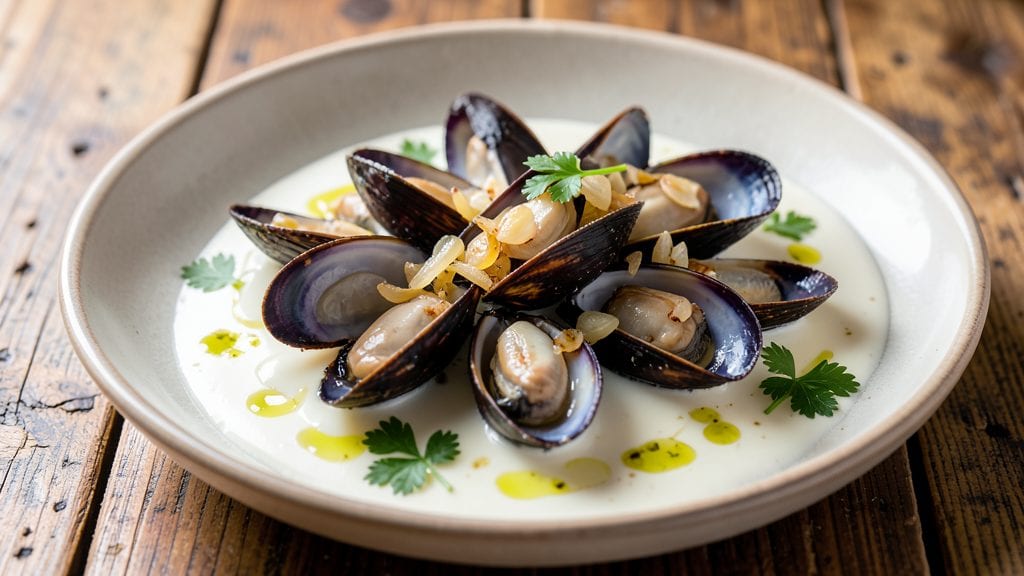
Cozze al Bianco—Carrabba’s signature mussels in a bright, lemon-garlic white wine sauce—is the kind of dish that transforms a simple seafood dinner into a restaurant-worthy experience. 🌟 I’ve recreated this Italian classic after years of testing, ensuring the mussels stay tender while the sauce delivers that perfect balance of tangy, herby, and buttery richness.
The secret lies in timing the mussels just right and building flavor through deglazing and reduction.
This recipe delivers restaurant-quality results with just a few key ingredients: fresh mussels, dry white wine, garlic, lemon, and fresh herbs. The process is straightforward—steam the mussels until they open, then toss them into a simmering sauce of garlic, shallots, white wine, and a splash of cream.
The sauce should coat the mussels beautifully, with just enough acidity from the lemon to cut through the richness. It’s a dish that feels special without requiring fancy techniques.
By the time you serve it, you’ll have plump, juicy mussels nestled in a velvety white wine sauce that’s bright, aromatic, and perfectly balanced. The aroma alone—garlicky, lemony, with a hint of white wine—will have everyone at the table asking for seconds.
Serve it with crusty bread to soak up every last drop of that flavorful sauce, or pair it with linguine for a heartier meal.
What makes this recipe work is the attention to detail—like discarding any mussels that don’t open during cooking and letting the sauce reduce just enough to thicken without losing its freshness.
It’s the kind of dish that feels indulgent yet simple, perfect for a weeknight dinner that still feels like a celebration. Let’s get cooking!
Ingredients for carrabba's mussels " cozze bianco
Fresh mussels, bright white wine, and aromatic herbs create Carrabba’s signature Cozze al Bianco.
| Ingredient | Amount | Notes |
|---|---|---|
| Fresh Mussels 🦪 | 2 lb | Debearded, cleaned, and discarding any broken shells |
| Dry White Wine 🍷 | 1 cup | Sauvignon Blanc or Pinot Grigio preferred |
| Extra-Virgin Olive Oil 🫒 | ¼ cup | For sautéing shallots and garlic |
| Shallots 🧅 | ½ cup | Minced finely, about 2 medium shallots |
| Garlic Cloves 🧄 | 4 cloves | Minced finely, about 1 tbsp total |
| Heavy Cream 🥛 | ½ cup | Full-fat for best texture |
| Lemon Juice 🍋 | ¼ cup | Freshly squeezed, about 2 lemons |
| Fresh Parsley 🌿 | ¼ cup | Chopped finely, for garnish |
| Fresh Basil 🌿 | ⅛ cup | Chopped finely, for garnish |
| Salt 🧂 | 1 tsp | Kosher or sea salt, to taste |
| Black Pepper 🌶️ | ½ tsp | Freshly ground, to taste |
| Unsalted Butter 🧈 | 2 tbsp | For finishing sauce |
| Garlic Cloves 🧄 | 2 cloves | Whole, for steaming mussels |
The mussels are the star—buy them live from a seafood market or trusted fishmonger, not the pre-steamed kind. Look for shells that are tightly closed and discard any that are open or broken. Whole Foods or local seafood counters often have the freshest selection. The white wine should be dry and crisp—Sauvignon Blanc or Pinot Grigio work perfectly, but avoid anything too oaky or sweet. For the herbs, fresh is non-negotiable; dried won’t deliver the same bright, aromatic punch. If you’re short on time, Trader Joe’s carries pre-washed parsley and basil that work in a pinch (though nothing beats freshly chopped).
No dry white wine? Substitute with a mix of chicken broth and a splash of lemon juice—it won’t be identical, but it’ll save the dish. Short on shallots? Use 3 tbsp finely diced red onion, though it’ll add a slightly sharper note. The heavy cream can be swapped for half-and-half or coconut milk for a lighter version, but full-fat delivers that restaurant-quality richness. If you’re avoiding garlic, asafetida powder (1/4 tsp) mimics the depth, though it’s an acquired taste. Always taste the sauce before adding the mussels—adjust salt, pepper, or lemon to balance the flavors.
Mussels steam quickly—discard any that don’t open within 8-10 minutes of cooking. The sauce keeps well for 3-4 days refrigerated in an airtight container, though the mussels are best served immediately. For meal prep, make the sauce ahead and reheat gently, then add fresh mussels just before serving. Freeze the sauce (without mussels) for up to 3 months—thaw overnight in the fridge before reheating. Garnish with fresh herbs right before serving to keep them vibrant.
Why You'll Love This Recipe
- No Chopping Struggle: I swear by this recipe because the prep is almost laughably simple—just toss in shallots and garlic, no dicing or fussing. Those little shallots soften into sweetness while the garlic sizzles, and the mussels? They do all the work. (Yes, even on a Tuesday night.)
- Wine-Infused Magic: That first sip of white wine steaming off the pan? Pure satisfaction. The acidity cuts through the richness of the mussels while the olive oil carries all the garlic’s golden, toasty notes. It’s the kind of flavor that makes you pause mid-bite—damn, that’s good—and then immediately reach for another one.
- Date Night or Lazy Night: Between us, this is my go-to for both impressing someone and not dying of exhaustion. Pour a bottle of wine, let the mussels steam open, and suddenly you’ve got a restaurant-worthy dish without the pretension. (My partner still thinks I’m a culinary genius.)
- Leftovers? More Like Left-Over Bites: Honestly, I’ve never had leftovers last long—this is the kind of thing that disappears in one sitting. But if you’re one of those rare people who actually has leftovers, they reheat beautifully with a splash of pasta water. (Or just eat them cold. No judgment.)
Step-by-step instructions for lemon-garlic mussels in white wine sauce
Here's how to recreate Carrabba's signature mussels with bright lemon, aromatic garlic, and rich white wine.
🔥 Step 1: Steam the Mussels with Garlic and Lemon
Fill a large pot with 2 quarts water and bring to a boil over medium-high heat. Add the 2 whole garlic cloves and 0.25 cup lemon juice—this infuses the water with incredible flavor. Add the 2 lb fresh mussels, cover tightly, and cook for 4-5 minutes until they all open.
Real talk: discard any mussels that don't open within 5 minutes—they're bad and could ruin your dish. Once opened, remove them with a slotted spoon and set aside. Reserve 1 cup of the steaming liquid from the pot—this is liquid gold for your sauce.
🍳 Step 2: Sauté Shallots and Garlic in Olive Oil
In a large skillet, heat 0.25 cup extra-virgin olive oil over medium heat until shimmering. Add the 0.5 cup minced shallots and cook for 3-4 minutes until softened and translucent. Add the 4 cloves minced garlic and cook for another 30 seconds until fragrant.
Here's the thing—don't let the garlic burn. You'll know it's ready when you smell that sweet, nutty aroma. If it starts to darken too quickly, reduce the heat slightly. These aromatics form the flavor foundation of your sauce.
🥘 Step 3: Build the White Wine Sauce
Pour in the 1 cup dry white wine and 1 cup reserved mussel liquid from Step 1. Bring to a simmer and cook for 3-4 minutes until the wine reduces by about half. Add the 0.5 cup heavy cream and simmer for another 2 minutes until slightly thickened.
Stir in 1 tsp salt and 0.5 tsp black pepper, then taste. You want the sauce to be bright and tangy with just a hint of saltiness. If it's too thick, add a splash of water or more reserved mussel liquid to reach your desired consistency.
🍽️ Step 4: Finish with Mussels and Herbs
Return the mussels to the skillet with any accumulated juices. Add the 2 tbsp unsalted butter and stir gently to melt. Cook for 1-2 minutes just to heat everything through—don't overcook or the mussels will toughen.
Remove from heat and stir in 0.25 cup chopped parsley and 0.125 cup chopped basil. The herbs should brighten the dish with fresh, vibrant notes. Serve immediately in deep bowls, garnished with additional herbs if desired.
⏰ Step 5: Serve with Crusty Bread
Divide the mussels and sauce among 4 serving plates. The sauce should coat each mussel beautifully, with the bright lemon and white wine flavors shining through. Serve with warm crusty bread for soaking up every last bit of that delicious sauce.
This dish is best enjoyed immediately while the mussels are still steaming hot. The combination of briny mussels, rich cream sauce, and bright citrus creates a perfect balance of flavors that's hard to resist.
Pro Tips For Making Carrabba'S Mussels " Cozze Bianco
- Steam, Don’t Boil: Start with a screaming-hot pan—mussels need to sizzle in their own juices for 30 seconds before wine hits. I learned this the hard way after ending up with bland, waterlogged mussels that tasted like they’d been steamed in a sad office microwave. Once the wine’s added, cover immediately and let the alcohol do its work.
- Scrub Those Mussels: Use a stiff brush to scrub mussels under cold water—remove any barnacles, debris, or that slimy film on the hinge. Skipping this step means gritty bites and a sauce clouded by sediment. (Yes, it’s tedious, but your sauce will taste like it belongs in a restaurant.)
- Deglaze Aggressively: After searing shallots and garlic, pour in the wine all at once and let it bubble hard for 2 minutes before adding broth. I used to add it slowly, and the sauce would turn dull. This method pulls deep, caramelized flavors from the pan—like the difference between sipping white wine and swilling it.
- Test One First: Open a mussel after 4 minutes of steaming—it should pop open easily, with no resistance. If it’s still clenched, they’re underdone (and likely raw). Overcooking turns them rubbery, but this check guarantees perfect texture every time. (Pro move: Taste the broth too—it should be briny, not fishy.)
Storing and reheating this recipe
Refrigerator Storage
If you’ve made extra sauce (without mussels), store it in an airtight container for up to 3 days in the fridge. The sauce keeps beautifully—just reheat it gently on the stovetop before adding fresh mussels. I like using glass Pyrex containers because they’re sturdy and don’t absorb flavors. 🌟
For the mussels themselves, they’re best eaten fresh, but if you’ve prepped them ahead, store them in the fridge in a sealed container with a damp paper towel for no more than 24 hours. The key is keeping them cold and slightly moist—this prevents them from drying out.
Freezer Prep
Freeze the white wine sauce (without mussels) in quart-sized freezer bags for up to 3 months. Leave 1-inch headspace for expansion and squeeze out excess air to prevent freezer burn. When ready to use, thaw overnight in the fridge and reheat gently before adding fresh mussels. 🥶
I’ve found that freezing the sauce separately works best—mussels don’t freeze well due to their delicate texture. If you’re prepping for a big gathering, make the sauce ahead and freeze it, then steam the mussels fresh on the day of serving.
Reheating Sauce
To reheat the sauce, pour it into a saucepan over medium-low heat and stir in 1-2 tablespoons of water or reserved mussel liquid to loosen it. Simmer for 3-4 minutes until hot—never boil, or it’ll curdle. Stir in 1 tablespoon butter at the end to restore richness. 🔥
If the sauce seems too thick after reheating, thin it with a splash of white wine or broth. Taste and adjust seasonings—sometimes reheated sauce needs a pinch more salt or a squeeze of lemon to brighten it back up.
Reheating Mussels
Mussels are best served fresh, but if you’ve prepped them ahead, reheat them in the sauce for just 1-2 minutes over low heat. Overcooking turns them rubbery, so keep an eye on them.
I’ve learned the hard way—once, I left them too long, and they were tough as boots! 😅
For a quick weeknight dinner, use leftover sauce to make a mussel-free pasta dish—toss it with linguine and fresh herbs. It’s a great way to repurpose leftovers without sacrificing flavor.
Nutrition facts
Frequently asked questions
Can I substitute white wine with something else?
If you don’t have dry white wine, use 1 cup chicken broth + 2 tbsp lemon juice for a similar tangy profile. For a non-alcoholic version, try apple cider + 1 tbsp vinegar. The key is balancing acidity—just adjust salt and lemon to taste.
How do I know if the mussels are fresh?
Look for tightly closed shells with no cracks. Tap them—they should sound solid. Discard any open mussels or those with broken shells. Fresh mussels should smell briny, not fishy or sour.
What if my sauce gets too thick?
Add 1-2 tablespoons of water, reserved mussel liquid, or white wine to thin it out. Stir gently and simmer for 1-2 minutes until smooth. Never boil, or the cream may curdle.
Can I make this recipe gluten-free?
Yes! Skip the crusty bread and serve with gluten-free baguette slices or roasted potatoes. Double-check your heavy cream and broth labels for hidden gluten. The sauce itself is naturally gluten-free.
Why did some mussels not open during cooking?
Discard any unopened mussels—they’re bad and can make you sick. This usually happens if they were old or frozen. Always buy live mussels from a trusted source and steam them for no longer than 5 minutes.