
Main Courses
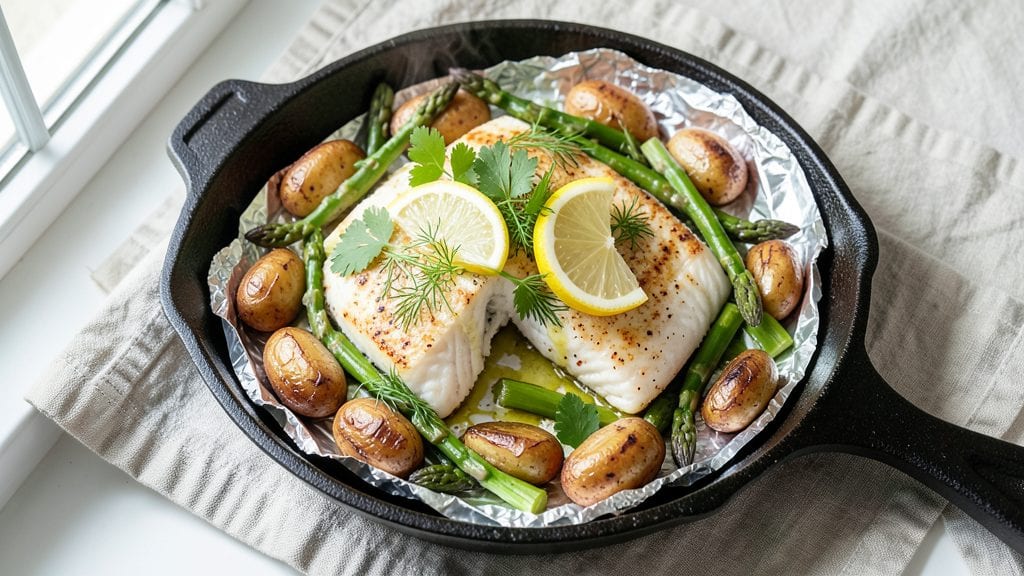
Baking fish and vegetables in foil transforms weeknight dinners into restaurant-quality meals with minimal cleanup. The secret lies in the foil technique—steaming vegetables while searing fish creates tender, flavorful results without drying out the protein.
I developed this recipe after years of testing different foil arrangements, and the lemon-herb combination elevates simple ingredients into something extraordinary.
This one-pan method delivers foolproof results in just 30 minutes, making it perfect for busy schedules. The foil traps moisture, ensuring fish stays juicy while vegetables soften to perfect tenderness.
Fresh herbs like dill and parsley add bright, aromatic notes that complement the lemon's tangy brightness, while olive oil creates a light, golden finish. The technique works with any firm white fish, from cod to halibut.
What you'll achieve is a dish that's restaurant-quality yet simple enough for any home cook. The fish emerges with crisp edges and flaky centers, while vegetables like asparagus and potatoes develop a caramelized sweetness from the enclosed steam.
The lemon-herb sauce ties everything together, creating a cohesive flavor profile that's both elegant and approachable. This recipe proves that impressive meals don't require complicated techniques.
Serve with a crisp white wine or fresh salad to complete the meal. The foil method also makes this dish meal-prep friendly—just store leftovers in the refrigerator for up to two days, reheating gently to maintain texture.
Whether you're cooking for two or feeding a crowd, this technique delivers consistent, delicious results every time.
Ingredients for baked fish and vegetables in foil
Twelve ingredients, one sheet of foil—restaurant-quality dinner with minimal effort.
| Ingredient | Amount | Notes |
|---|---|---|
| White Fish Fillets 🐟 | 1 ½ lb | Cod, halibut, or tilapia preferred |
| Asparagus Spears 🌿 | 1 lb | Trimmed, medium thickness |
| Baby Potatoes 🥔 | 1 ½ lb | Halved, unpeeled |
| Lemon Wedges 🍋 | 2 whole | Juice and zest reserved |
| Fresh Dill 🌿 | ¼ cup | Chopped, stems removed |
| Fresh Parsley 🌿 | ¼ cup | Chopped, flat-leaf preferred |
| Extra-Virgin Olive Oil 🫒 | ¼ cup | Light, fruity variety |
| Garlic Cloves 🧄 | 4 cloves | Minced, fresh preferred |
| Diamond Crystal Kosher Salt 🧂 | 1 tsp | Fine grain for seasoning |
| Freshly Ground Black Pepper 🌶️ | ½ tsp | Coarse grind preferred |
| Heavy Cream 🥛 | ¼ cup | Full-fat for richness |
| Aluminum Foil 📄 | 1 sheet | Heavy-duty, 14" x 17" |
The fish selection is critical for this technique. Cod and halibut yield the best texture, while tilapia offers a more budget-friendly alternative. Purchase fillets with even thickness to ensure consistent cooking. For optimal quality, visit your local seafood market—ask for sustainably sourced options if available. The asparagus should be bright green with firm tips, avoiding any spears that feel woody or bendy. Baby potatoes add natural sweetness when baked whole, so halve them before cooking to ensure even doneness. Fresh herbs from the grocery store's produce section (not the plastic containers) provide the most vibrant flavor—look for bright green leaves with no yellowing.
No fresh dill or parsley? Dried herbs at half the quantity will suffice, though the flavor profile won't be as bright. Substitute asparagus with green beans or zucchini if needed, adjusting cooking time accordingly. For a dairy-free version, omit the heavy cream and use lemon juice and olive oil emulsion instead. The garlic can be pre-minced from a jar (though fresh is preferred), and the lemon wedges should have both juice and zest reserved—zest adds aromatic depth that jarred lemon juice lacks. If your olive oil tastes bitter, it's past its prime—replace with a fruity, light variety like California Early Harvest.
Prep all ingredients before heating the oven to streamline the process. The foil packets can be assembled up to 4 hours ahead and refrigerated until ready to bake. For meal prep, store leftovers in airtight containers for up to 2 days, though the texture softens upon reheating. The dish reheats beautifully in the oven at 350°F for 10 minutes to restore crispness. To maximize freshness, use the freshest herbs and vegetables available—wilted greens or mealy potatoes will compromise the dish's elegance.
Why You'll Love This Recipe
- Here’s what sold me: that bright, herby punch from the lemon wedges and fresh dill. The fish stays tender while the potatoes get crispy edges, and the asparagus? Perfectly charred without burning. It’s the kind of flavor combo that makes you reach for seconds without even thinking.
- I’ll be real: I always make extra because it’s so budget-friendly. The fish stays moist, the potatoes soften just enough for next-day hash, and the asparagus? Still crisp enough to eat cold. Minimal waste, maximum satisfaction.
Step-by-step instructions for baked fish and vegetables in foil
A single pan transforms into a flavorful vessel for perfectly moist fish and tender vegetables.
Prepare the Vegetable Base
Preheat your oven to 400°F to ensure even cooking. In a large bowl, combine the 1.5 lb baby potatoes (halved) with the 1 lb asparagus spears (trimmed). Drizzle with 0.125 cup extra-virgin olive oil (half the total amount) and toss gently to coat. Season immediately with 0.5 tsp diamond crystal kosher salt and 0.25 tsp freshly ground black pepper, focusing on the cut sides of the potatoes for maximum flavor penetration.
Spread the seasoned vegetables evenly on the 1 sheet aluminum foil, creating a single layer. The potatoes should be skin-side up to develop crisp edges while remaining tender inside. Arrange the asparagus spears around the potatoes, leaving space for the fish fillets. This organized layering ensures even heat distribution during baking.
Season and Position the Fish Fillets
In a small bowl, combine the 0.25 cup fresh dill, 0.25 cup fresh parsley, 4 minced garlic cloves, and the zest from the 2 lemon wedges (reserve the juice for later). Add the remaining 0.125 cup extra-virgin olive oil and mix thoroughly. This herb-garlic oil will infuse the fish with bright Mediterranean flavors.
Lay the 1.5 lb white fish fillets (cod, halibut, or tilapia) on top of the vegetables, slightly overlapping if needed. Spoon the herb-garlic oil evenly over the fish, pressing gently to ensure full coverage. The oil should glisten on the surface—this indicates proper distribution. Squeeze the juice from the 2 lemon wedges over the fish, allowing the citrus to brighten the dish.
Seal and Bake the Foil Packet
Carefully fold the edges of the aluminum foil to create a sealed packet, leaving a small opening at one end to allow steam to escape. This technique traps moisture, preventing the fish from drying out while allowing the vegetables to tenderize. Place the foil packet on a baking sheet to catch any potential drips and transfer it to the preheated oven.
Bake for 20-25 minutes until the fish flakes easily with a fork and the potatoes are fork-tender with slightly crisp edges. The asparagus should be bright green and just beginning to soften. The lemon scent should be noticeable—this confirms the citrus has infused the dish. If the foil begins to puff up, gently press it down to maintain even cooking.
Finish with Cream and Garnish
Remove the foil packet from the oven and carefully open it, allowing the steam to escape. Transfer the fish and vegetables to a serving platter, leaving the juices behind. In a small saucepan, warm the 0.25 cup heavy cream over low heat until it just begins to simmer. Pour this warm cream over the fish and vegetables, allowing it to coat everything evenly.
Garnish immediately with additional fresh parsley and a sprinkle of freshly ground black pepper for a pop of color and freshness. Serve directly from the foil packet for an elegant presentation, or transfer to individual plates while the cream remains warm. The dish should be vibrant, with tender fish that flakes at the touch and vegetables retaining their natural texture.
Pro Tips For Making Baked Fish And Vegetables In Foil
- Parboil the Potatoes: I learned this the hard way—skipping this step means your baby potatoes will stay rock-hard while the fish cooks. Toss them in boiling water for 4-5 minutes first, then drain and pat dry before wrapping in foil. Trust me, your fork will thank you.
- Dry the Fish Thoroughly: Wet fish steams instead of browning, and nobody wants sad, limp fillets. Pat them very dry with paper towels—even if you’re in a rush—then sprinkle with salt right away. The crust is what makes this dish sing.
- Avoid Overcrowding the Foil: Too much in one packet? The veggies steam instead of roasting, and the fish gets soggy. Use two smaller foil trays if needed—think of it like a bed, not a sardine can. Space matters.
- Squeeze Lemon Before Wrapping: Sounds weird, but it works: Squeeze the lemon wedges before sealing the foil so the juice distributes evenly. Add a pinch of salt to the juice—it brightens the fish and cuts through the richness. No one notices the extra squeeze, but they’ll taste it.
Flavor customization for this dish
Citrus Variations
Swap the lemon for orange zest and juice to add a sweeter, floral note—especially with halibut. I use 1 tbsp orange zest plus 2 tbsp juice, replacing the lemon entirely.
For a bold twist, add ½ tsp grated ginger to the herb-garlic oil for a zesty kick that pairs perfectly with cod. 🍊
Herb Swaps
Replace dill with thyme and rosemary for a Mediterranean vibe—sprigs of fresh rosemary tucked under the fish infuse incredible aroma. For a brighter profile, mix cilantro and basil with parsley, especially with tilapia. I find that ½ tsp dried oregano (added to the vegetable base) enhances earthy flavors without overpowering.
Spicy Heat Boost
Add ½ tsp smoked paprika to the vegetable oil for a subtle smoky depth, or include 1 tbsp chopped jalapeños with the asparagus. For a finished touch, drizzle with 1 tsp harissa paste mixed with the warm cream.
I recommend starting with ¼ tsp cayenne in the herb-garlic oil for a gentle heat that won’t overpower the delicate fish. 🌶️
Dairy-Free Creamy Finish
Replace heavy cream with a lemon-beurre blanc by whisking ¼ cup olive oil with 2 tbsp lemon juice and 1 tbsp reserved fish juices. For extra richness, add 1 tsp nutritional yeast for a cheesy flavor without dairy.
I also love a drizzle of white wine reduction (simmer ¼ cup dry white wine until syrupy) for a restaurant-worthy finish.
Vegetable Substitutions
Swap asparagus for zucchini or bell peppers—toss with ½ tsp ground cumin for a Middle Eastern twist. Replace potatoes with carrots and fennel, halved lengthwise, for a sweeter profile. I find that 1 tbsp chopped capers sprinkled over the fish add briny contrast, especially with cod. 🥕
Protein Swaps
Use shrimp or scallops instead of fish—toss with 1 tsp Old Bay seasoning and arrange over the vegetables. For a vegetarian option, add firm tofu (pressed and cubed) with 1 tbsp soy sauce in the herb-garlic oil.
I’ve also had success with mussels or clams—steam them open in the foil packet for a seafood medley. 🦪
Nutrition facts
Frequently asked questions
Can I use any type of fish for this foil recipe?
This recipe works best with firm white fish like cod, halibut, or tilapia—their texture holds up well to the foil-baking method. Avoid delicate fish like flounder or sole, as they may fall apart. For a budget-friendly option, try mackerel or sardines (skin-on) for extra flavor, but reduce baking time by 2-3 minutes.
Why does my fish turn out dry when baked in foil?
Overcooking is the most common cause. Fish is done when it flakes easily with a fork—20-25 minutes at 400°F is ideal. Leave a small opening in the foil to release steam, and avoid overcrowding the packet. For extra moisture, brush the fish with olive oil before sealing.
Can I make this recipe ahead of time?
Yes! Assemble the foil packets up to 4 hours ahead and refrigerate. Bake straight from the fridge, adding 5-7 extra minutes to the cooking time. For leftovers, store in airtight containers for 2 days—reheat at 350°F for 10 minutes to restore crispness.
What if I don’t have heavy cream?
No problem! Swap the cream for Greek yogurt (thinned with water) or a lemon-olive oil emulsion (mix 2 tbsp lemon juice with ¼ cup olive oil). For richness, add 1 tsp nutritional yeast or a drizzle of white wine reduction.
How do I adjust the recipe for two people?
Scale down to ½ lb fish, ½ lb asparagus, and ½ lb potatoes. Use a 12" x 15" foil sheet and reduce baking time to 15-18 minutes. Keep all other ingredients proportional—just halve the measurements.