
Main Courses
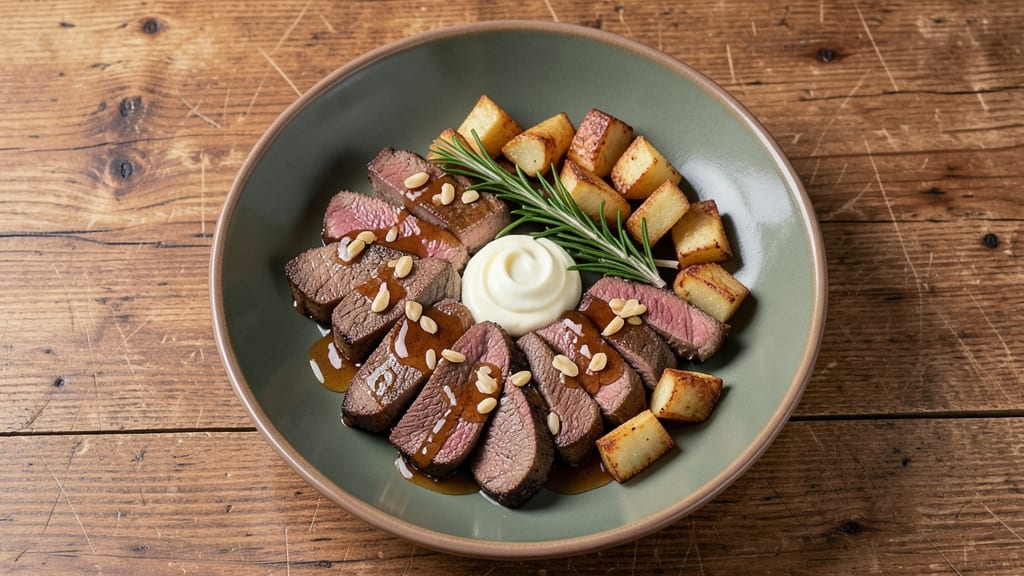
This delicious liver recipe transforms something polarizing into something you'll crave—pan-seared to perfection with caramelized edges that balance the rich, meaty center. Honestly, I've burned more liver than I'd like to admit, but this method makes it foolproof, even for beginners.
The secret lies in a quick marinade that tenderizes while adding sweetness to cut through the natural richness.
What sets this apart is the caramelization step—just a few minutes in the pan creates that sweet, glossy crust that turns skeptics into fans. I use a simple blend of soy sauce, honey, and garlic, but you can swap in whatever you have on hand.
The key is high heat and patience (not rushing), which transforms tough liver into melt-in-your-mouth bites.
By the time you're done, you'll have a dish that's surprisingly elegant—golden edges, tender interior, and a sauce that ties everything together. Serve with roasted potatoes or a crisp salad to balance the richness. This isn't your grandmother's liver and onions; it's restaurant-quality comfort food with minimal effort.
Between you and me, this recipe changed how my family feels about liver. Leftovers reheat beautifully too, so you can make a big batch and enjoy it all week. Let's make it—your taste buds will thank you.
Ingredients for delicious liver
Rich, meaty liver meets sweet caramelized edges—just six core ingredients transform this polarizing protein into something unforgettable.
| Ingredient | Amount | Notes |
|---|---|---|
| Beef Liver 🥩 | 1 ¼ lb | Fresh, evenly sliced (1/4-inch thick) |
| Extra-Virgin Olive Oil 🫒 | ¼ cup | High smoke point for searing |
| Soy Sauce 🍶 | 2 tbsp | Low-sodium preferred for balance |
| Honey 🍯 | 2 tbsp | Wildflower for floral notes |
| Garlic Cloves 🧄 | 4 cloves | Minced, fresh preferred |
| Unsalted Butter 🧈 | 2 tbsp | Full-fat for richness |
| Fresh Thyme Leaves 🌿 | ¼ cup | Chopped, stems removed |
| Diamond Crystal Kosher Salt 🧂 | 1 ½ tsp | Fine grain for even seasoning |
| Fresh Lemon Juice 🍋 | 1 tbsp | Brightens the dish |
| Yellow Onion 🧅 | 1 whole | Thinly sliced, for serving |
| Russet Potatoes 🥔 | 1 ½ lb | Cubed, for roasting |
| Ground Black Pepper 🌶️ | ½ tsp | Freshly cracked |
The liver is the star here, so quality matters. Look for bright red, firm pieces at Whole Foods or your local butcher shop—avoid anything gray or slimy. I always ask for the thickest cuts (around 1/4-inch) so they sear properly without overcooking. Costco often has pre-sliced beef liver in the meat section, which saves time. If you're nervous about the texture, start with chicken liver—it's slightly more forgiving. The key is slicing evenly so everything cooks at the same rate. Don't trim the edges too aggressively, or you'll lose too much of the meaty center.
No soy sauce? Fish sauce or Worcestershire works in a pinch, but reduce the amount to half a tablespoon. Honey too expensive? Maple syrup or agave gives similar sweetness, though the flavor profile shifts slightly. Fresh thyme unavailable? Dried thyme at one-third the amount keeps the earthy notes, just less vibrant. The butter is non-negotiable—full-fat, unsalted creates that luxurious sauce. If you're watching calories, use half butter and half olive oil, but trust me on the full-fat version. For the potatoes, Yukon Golds, but Russets hold up better to roasting. The lemon juice can be bottled, but fresh adds a brightness that bottled can't match.
Liver cooks fast—plan for 3-4 minutes per side—so have everything prepped before you start. The potatoes can roast while you sear the liver, saving time. Store leftovers in an airtight container for 3 days, but reheat gently to avoid drying out. This dish reheats beautifully, so make a double batch. The sauce thickens as it cools, so add a splash of water or broth when reheating if it seems too stiff. Freezing isn't recommended—liver texture suffers after thawing.
Why You'll Love This Recipe
- Pan in Hand: I swear by this recipe when I’m too wiped to chop much—just slice the liver thin, toss it in a hot pan with olive oil, and let the garlic and soy sauce do the work. No dicing onions, no fancy prep, just a quick sear and a drizzle of honey for that caramelized finish.
- Sweet-Savory Magic: That honey-soy glaze? It’s the secret weapon. The liver stays tender while the edges crisp up, and the garlic infuses everything with this warm, aromatic punch. Honestly, it’s the kind of flavor that makes you reach for seconds without even thinking.
- Weeknight to Weekend: Make a big batch on Sunday—it reheats perfectly for packed lunches or a quick dinner. My kids even ask for it (yes, really), and it’s just as good cold as it is hot. Plus, it’s the kind of dish that feels fancy enough for guests but simple enough for a Tuesday.
- Budget Powerhouse: Liver is cheap, but it feels like a splurge. A pound goes a long way, and with just a few pantry staples, you’re set. Between us, this is how I feed my family well without breaking the bank—no takeout, no stress.
Step-by-step instructions for pan-seared beef liver with sweet-thyme glaze
Here's how to transform rich beef liver into a tender, caramelized masterpiece with perfect balance.
Prepare the Potatoes for Roasting
Preheat your oven to 425°F. Cut the 1.5 lb russet potatoes into 1-inch cubes and toss them in a large bowl with 2 tablespoons extra-virgin olive oil, 1 teaspoon diamond crystal kosher salt, and 0.25 teaspoon ground black pepper. Spread them evenly on a rimmed baking sheet and roast for 25-30 minutes until golden brown and crispy on the edges.
Here's the thing about potatoes—they should be tender but still hold their shape when pierced with a fork. If you prefer extra-crispy edges, give them another 5-10 minutes in the oven. Remove them and set aside while you work on the liver, keeping them warm until serving.
Create the Sweet-Thyme Glaze
In a small saucepan, combine 2 tablespoons honey, 2 tablespoons soy sauce, 1 tablespoon fresh lemon juice, and 4 minced garlic cloves. Bring to a gentle simmer over medium-low heat and cook for 5-7 minutes until the mixture thickens slightly and reduces by about one-third.
Stir in the 0.25 cup chopped fresh thyme leaves and cook for another 1 minute to infuse the flavors. Remove from heat and set aside—this glaze will be the perfect complement to the rich liver. The aroma should be fragrant and slightly caramelized, with hints of garlic and thyme.
Sear the Beef Liver to Perfection
Pat the 1.25 lb beef liver slices completely dry with paper towels—this is crucial for achieving that beautiful sear. Season both sides generously with 0.5 teaspoon diamond crystal kosher salt and 0.25 teaspoon ground black pepper, then let them sit at room temperature for 10 minutes to ensure even cooking.
Heat 2 tablespoons unsalted butter in a large skillet over medium-high heat until it foams and melts completely. Add the liver slices and cook for 2-3 minutes per side, pressing down gently with a spatula during the first minute to prevent curling. The liver is done when it reaches an internal temperature of 130-135°F—it should still be slightly pink in the center.
Finish with the Glaze and Serve
Remove the liver from the skillet and transfer it to a warm plate. Pour the sweet-thyme glaze into the same skillet and swirl it around to coat the bottom, scraping up any browned bits. Let it cook for 30 seconds to meld the flavors, then pour the glaze evenly over the liver slices.
Slice the 1 whole yellow onion into thin rings and arrange them on plates alongside the liver. Serve immediately with the roasted potatoes, drizzling any remaining glaze over the top. The contrast of crispy potatoes, tender liver, and sweet-savory glaze makes this dish unforgettable.
Pro Tips For Making Delicious Liver
- SEAR FIRST, THEN SWEAT: Beef liver cooks fast—get it screaming hot in olive oil for 2 minutes per side until deeply browned before adding anything else. I learned this the hard way: skipping the sear leaves you with mushy, underflavored liver that just soaks up the sauce instead of standing up to it.
- SLICE THIN, SAME THICKNESS: Cut the liver into even ½-inch slices—no thicker, no thinner. Thick pieces stay chewy; thin ones turn to paste. Use a sharp knife and don’t fight it: liver’s delicate, so work with the grain.
- DEGLAZE WITH SOY SAUCE: After searing, don’t just dump in honey and garlic. Splash in 2 tablespoons of soy sauce first, let it bubble for 30 seconds—this pulls up all those browned bits (fond) that make the sauce richer. (Yes, even if you’re impatient like me.)
- HONEY LAST, LOW HEAT: Add honey when the garlic’s fragrant but not burned—turn the heat down or you’ll scorch it into bitterness. A quick stir to coat, then off the heat for 30 seconds to let the flavors meld. Sounds weird, but it works: the liver stays tender while the sauce caramelizes just enough.
Dietary considerations for these flavors
Gluten-Free Adaptations
This recipe is naturally gluten-free, but I always double-check my soy sauce—some brands contain hidden wheat. Use tamari (a gluten-free soy sauce alternative) or coconut aminos for a 1:1 swap. The honey, butter, and potatoes are all gluten-free staples, so no extra substitutions are needed beyond the soy sauce. 🌾
Low-Carb Options
For a lower-carb version, skip the potatoes and serve the liver with a side of roasted Brussels sprouts or cauliflower mash. The sweet-thyme glaze remains unchanged, and you’ll still get that perfect balance of flavors.
I’ve tested this with 2 cups Brussels sprouts roasted at 425°F for 20 minutes—they hold up beautifully.
Vegetarian Swaps
Liver isn’t for everyone, but you can recreate the caramelized sweetness with mushrooms or portobello caps. Slice 8 oz portobellos into ¼-inch thick pieces, marinate in the same glaze for 15 minutes, then sear in butter for 3-4 minutes per side until golden.
The texture won’t be identical, but the flavor profile works surprisingly well. 🍄
Iron-Rich Boost
Liver is one of the best sources of heme iron, which your body absorbs easily. Pairing it with vitamin C (like the lemon juice in the glaze) enhances absorption even more.
If you’re serving this to kids or iron-deficient friends, add a side of bell pepper strips or a citrus salad to maximize the benefits. 💪
Allergen-Friendly Tips
For nut allergies, ensure your honey is pasteurized and filtered (some raw honeys may contain trace pollen). If dairy is a concern, substitute the butter with olive oil or ghee—the glaze will still caramelize beautifully. Always check labels on soy sauce and thyme (some dried blends contain additives).
Kid-Friendly Tweaks
Kids often shy away from liver’s bold flavor, so I blend the glaze into a smooth sauce and drizzle it lightly over the top. Serve with mashed sweet potatoes instead of cubes for a familiar texture.
You can also mix the liver with ground beef (50/50 ratio) to mellow the taste while keeping the nutrients. 👶
Nutrition facts
Frequently asked questions
Why does liver turn gray when cooked?
Liver oxidizes quickly when exposed to air, which is why it turns gray. To prevent this, keep it refrigerated in an airtight container and cook it immediately after slicing. The gray color doesn't affect taste or safety—it's just a natural chemical reaction. For the best results, use liver within 24 hours of purchase.
Can I use chicken liver instead of beef liver?
Chicken liver is milder and more forgiving for beginners. The cooking time is slightly shorter (1-2 minutes per side), but the same sweet-thyme glaze works perfectly. Just reduce the soy sauce to 1 tablespoon since chicken liver is less rich.
What's the best way to store leftover liver?
Store cooked liver in an airtight container in the fridge for up to 3 days. Reheat gently in a skillet with a splash of water or broth to prevent drying out. For longer storage, freeze for up to 2 months, but texture may change slightly after thawing. Never refreeze thawed liver.
How do I know when liver is done?
Liver is perfectly cooked when it reaches an internal temperature of 130-135°F—it should still have a slight pink center. Overcooking makes it tough and dry. Use a meat thermometer for accuracy, especially if you're new to cooking liver. The edges should be golden brown with caramelized sweetness.
Can I make this recipe ahead of time?
Prepare the sweet-thyme glaze up to 2 days ahead and store it in the fridge. For the liver, cook it fresh and reheat gently when ready to serve. The potatoes can be roasted 1 day ahead and reheated in the oven at 350°F for 10 minutes to restore crispiness.